Cape Verde
Cova Crater
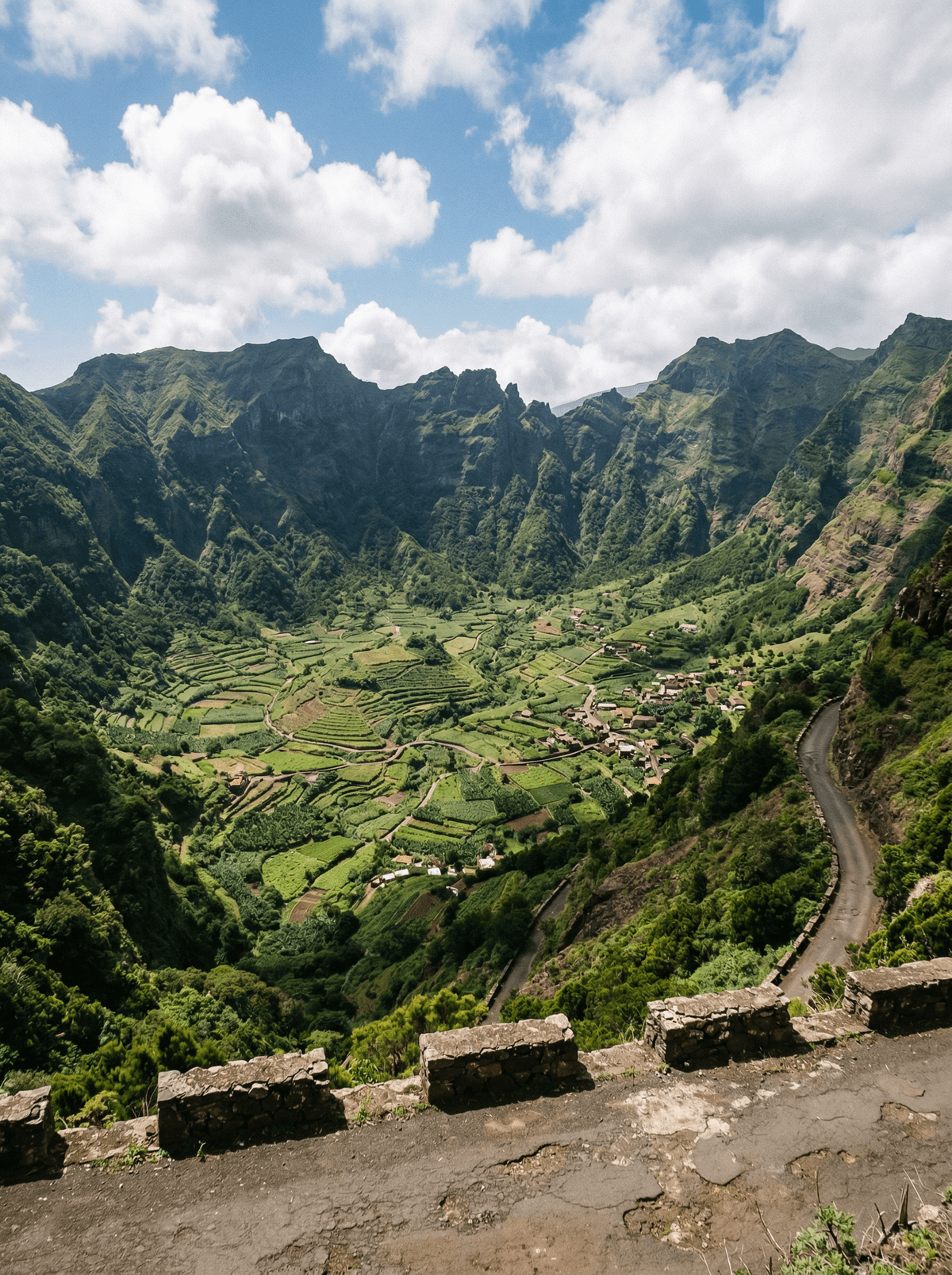
A perfectly round caldera floored with crop terraces, invisible until the rim, gone again in cloud.
The road over the pass gives nothing away, then the ground opens: a round green bowl some six hundred metres across, its floor stitched into small farmed plots. On many mornings cloud pours over the rim and fills the crater like a lake, drowning the fields in white.
Cova is the high heart of Santo Antão's protected mountain country, a caldera inside the Cova, Paúl and Ribeira da Torre Natural Park, whose ridges rise to 1,585 metres near Pico da Cruz. Volcanic soil and hidden precipitation make the crater farmable at an altitude where the island's other summits are bare rock, and a few hundred families still live and farm inside the park, cutting terraces into whatever slope will hold them. Pines and eucalyptus stand along the heights, an unexpected forest on an arid Atlantic island. From the crater's lip the celebrated descent into the Paúl valley begins, a cobbled path dropping through hamlets and terraces from cool cloud to tropical cane, usually walked with a local guide and finished with a tasting in the valley below.
Couple
Reach the rim for early light before the cloud arrives, then take the long descent into Paúl slowly; two landscapes in one unhurried day.
Friends
Circle the crater fields, then drop through the terraces together and finish among the cane with a shared tasting. Knees complain; nobody minds.
- Cova is a cultivated volcanic crater inside the Cova, Paúl and Ribeira da Torre Natural Park.
- The park's high ground reaches 1,585 metres at Pico da Cruz and holds one of Cape Verde's most significant biodiversity centres.
- The crater floor is farmed in small plots, a round bowl about six hundred metres across.
- The classic guided descent runs from the crater rim down through terraced hamlets into the Paúl valley.
There is no café at the rim; carry water and something to eat, and save your appetite for the valley.
Guided crater-to-valley walks traditionally end with a tasting of Paúl's own products, grogue and ponche among them.
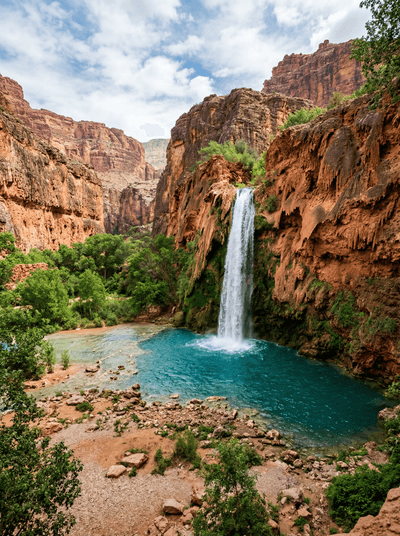
Havasu Falls
United States
Turquoise waterfalls thundering into a canyon reached only by mule, helicopter or a long hike.
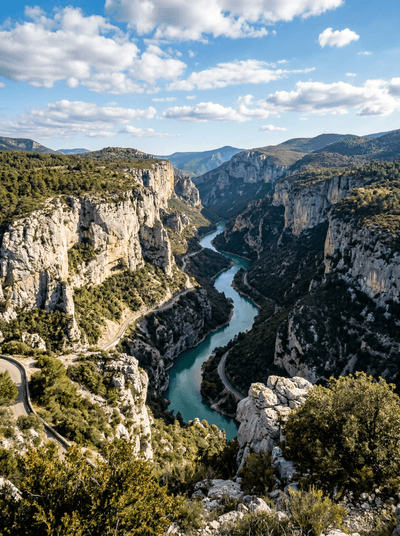
Gorges du Verdon
France
Turquoise water slicing deep into white limestone — Europe's grand canyon, vertigo included.
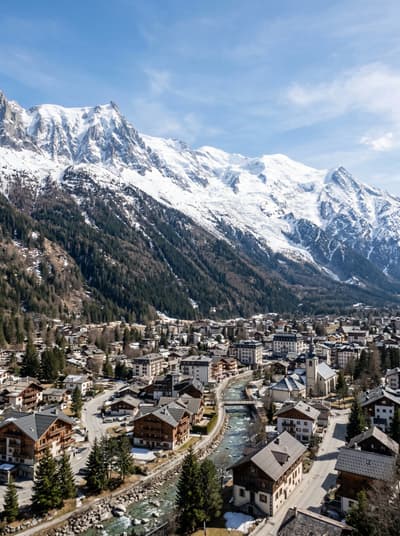
Chamonix
France
Glaciers cracking overhead as the Aiguille du Midi cable car lifts you into thin air.
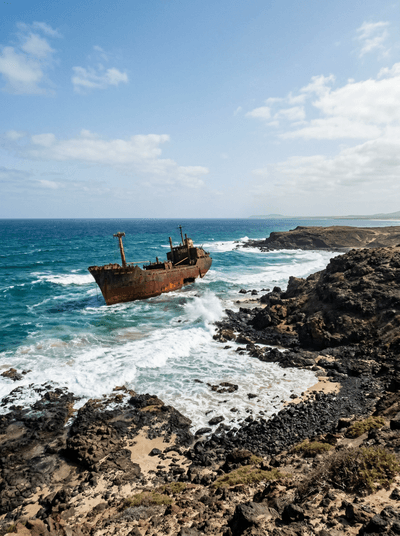
Cabo Santa Maria
Cape Verde
A freighter carrying gifts for General Franco has rusted on this beach since 1968.
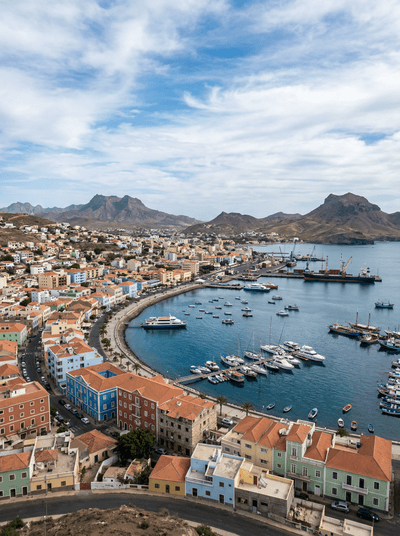
Mindelo
Cape Verde
Morna drifts from harbour bars where the barefoot diva Cesária Évora first sang for sailors.
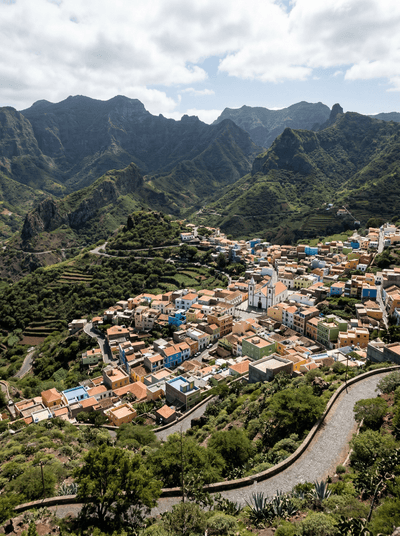
Assomada
Cape Verde
Papaya, maize and market din fill the highland town that feeds all Santiago.
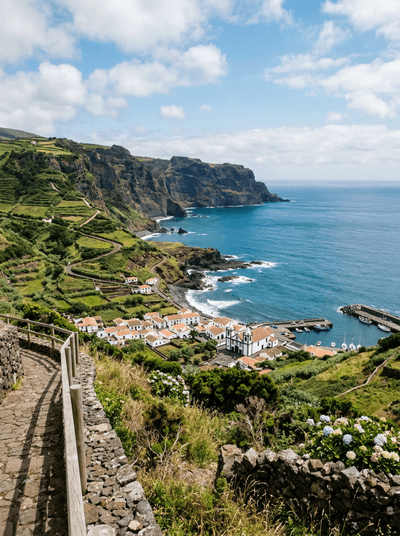
Santa Maria
Cape Verde
Kites carve the trade wind; the morning catch sells straight off the wooden pier.