Scotland
Culross
Cobblestoned lanes frozen in the 1600s, shadowed by one of Scotland's darkest witch-hunts.
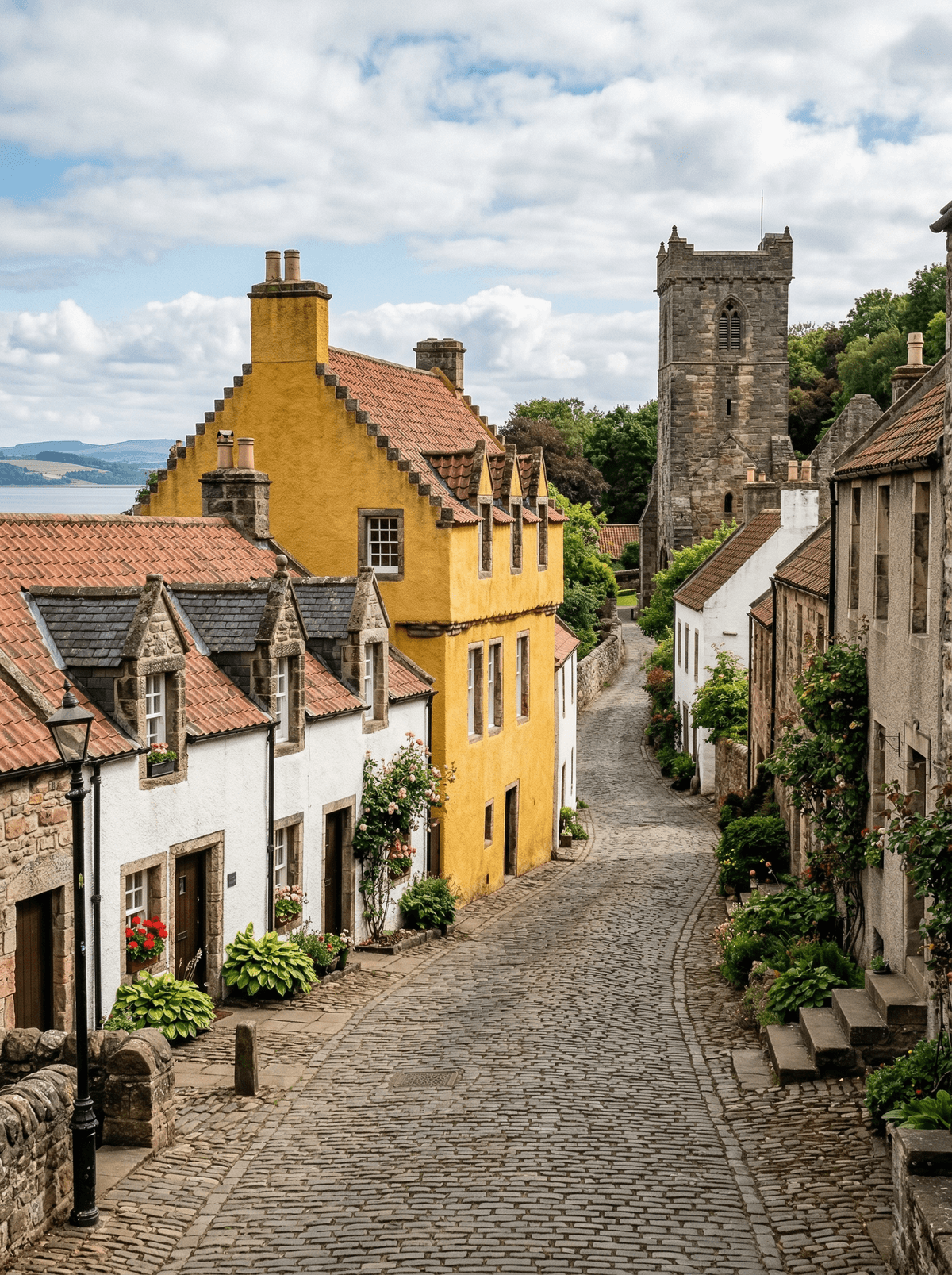
Ochre walls and crow-stepped gables line cobbled streets little changed since the 1600s — Culross is a village that forgot to modernise and was preserved whole as a result. The air smells of coal smoke and sea salt, the raised causeways down the centre of each street once kept the wealthy above the gutters, and residents still share the same cobbles as visitors.
Culross on the Fife coast is Scotland's most complete seventeenth-century burgh, held whole by Scotland's National Trust since the 1930s. Its ochre town palace dates to 1597 and keeps original painted ceilings — tempera-on-pine scenes of classical virtue and moral instruction. Outlander borrowed the village as the fictional Cranesmuir, though the real history is darker: the witch trials of the 1600s accused dozens of residents, around thirty women were executed, and the tolbooth where suspects were held still stands on the main street. The town's trade was coal and salt — Sir George Bruce's mine ran beneath the Forth itself, a shaft rising to a platform in the river so ships could load directly over the workings — and the Fife Coastal Path passes along the shore below the pantiled roofs.
Solo
Culross's scale is perfect for solo wandering — small enough to cover thoroughly in an afternoon, rich enough to keep surrendering details for hours.
Couple
Walking the cobbled lanes together feels like stepping through a time portal, with the palace's painted ceilings and the Forth views rewarding slow, shared exploration.
- The ochre town palace of 1597 keeps its original painted ceilings.
- Culross kept its raised causeways — the wealthy once walked above their own gutters.
- Outlander's Cranesmuir is this village — though the real history runs darker.
- The 1600s witch trials executed around thirty women, and the tolbooth still stands.
Scotch broth and fresh baking — burgh comfort little changed in spirit.
Fife farmhouse cheese and oatcakes, the Lowland staple pairing.
Queenstown
Australia
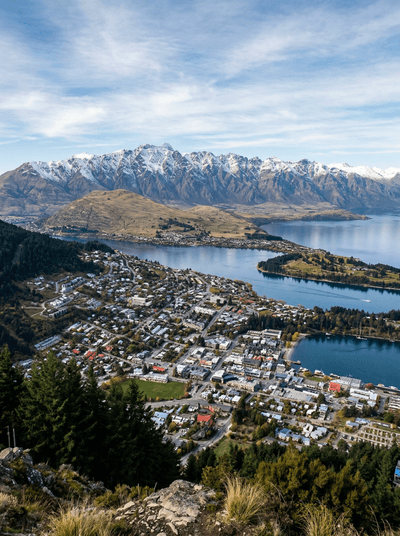
A century of smelting skinned Queenstown's hills; rainforest now creeps back at the edges.
Al Hamra
Oman
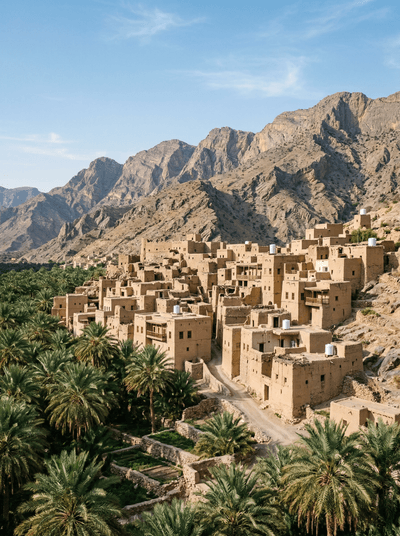
Mud-brick houses climb above the palms, and one of them still bakes its own bread.
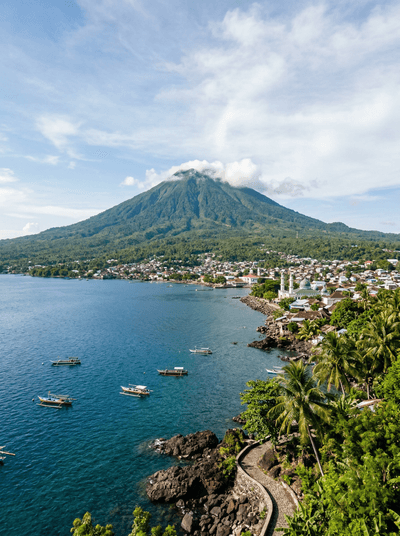
Ternate
Indonesia
The theory of evolution was posted to Darwin from this clove island's shore.
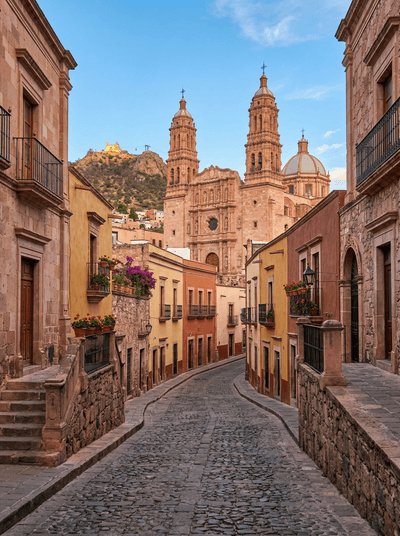
Zacatecas
Mexico
A pink-sandstone city climbs from silver mines to a cathedral carved like frozen lace.
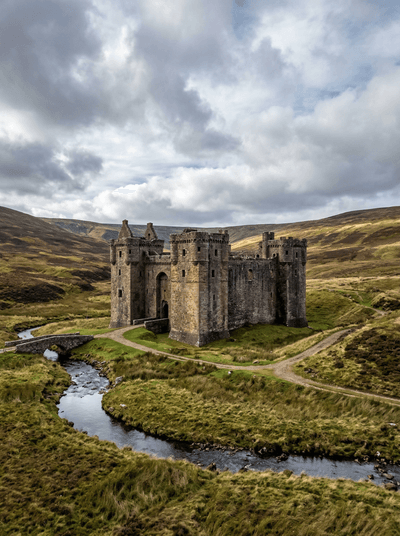
Hermitage Castle
Scotland
The most sinister castle in Scotland squats alone on moorland that remembers its cruelty.
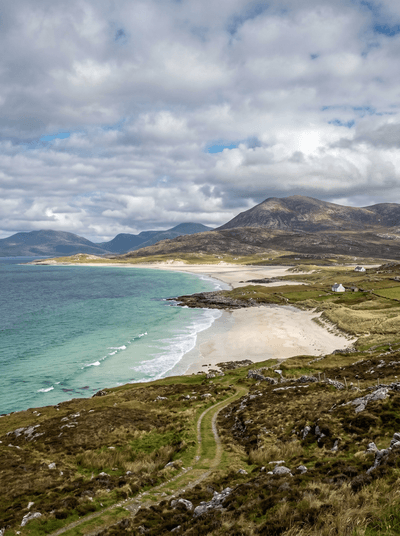
Isle of Lewis
Scotland
Standing stones older than Stonehenge, arranged in a cross nobody can explain, facing the sea.
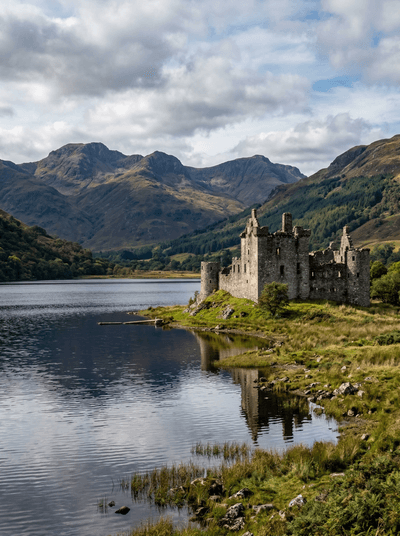
Kilchurn Castle
Scotland
A roofless castle stands knee-deep in loch mist at dawn, mountains pressing close on every side.
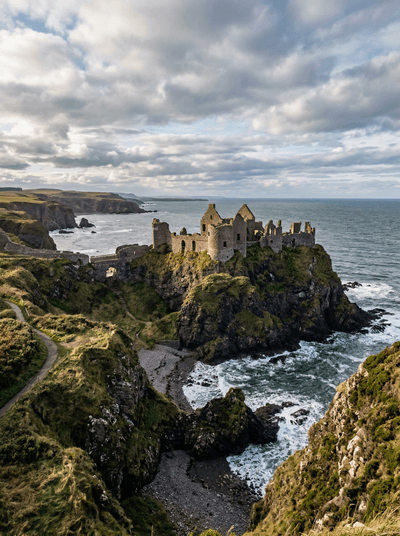
Dunnottar Castle
Scotland
A clifftop fortress crumbling into the North Sea, where Scotland's crown jewels hid from Cromwell.