India
Dhanushkodi
A cyclone-destroyed ghost town dissolving into the sea at the very edge of the subcontinent.
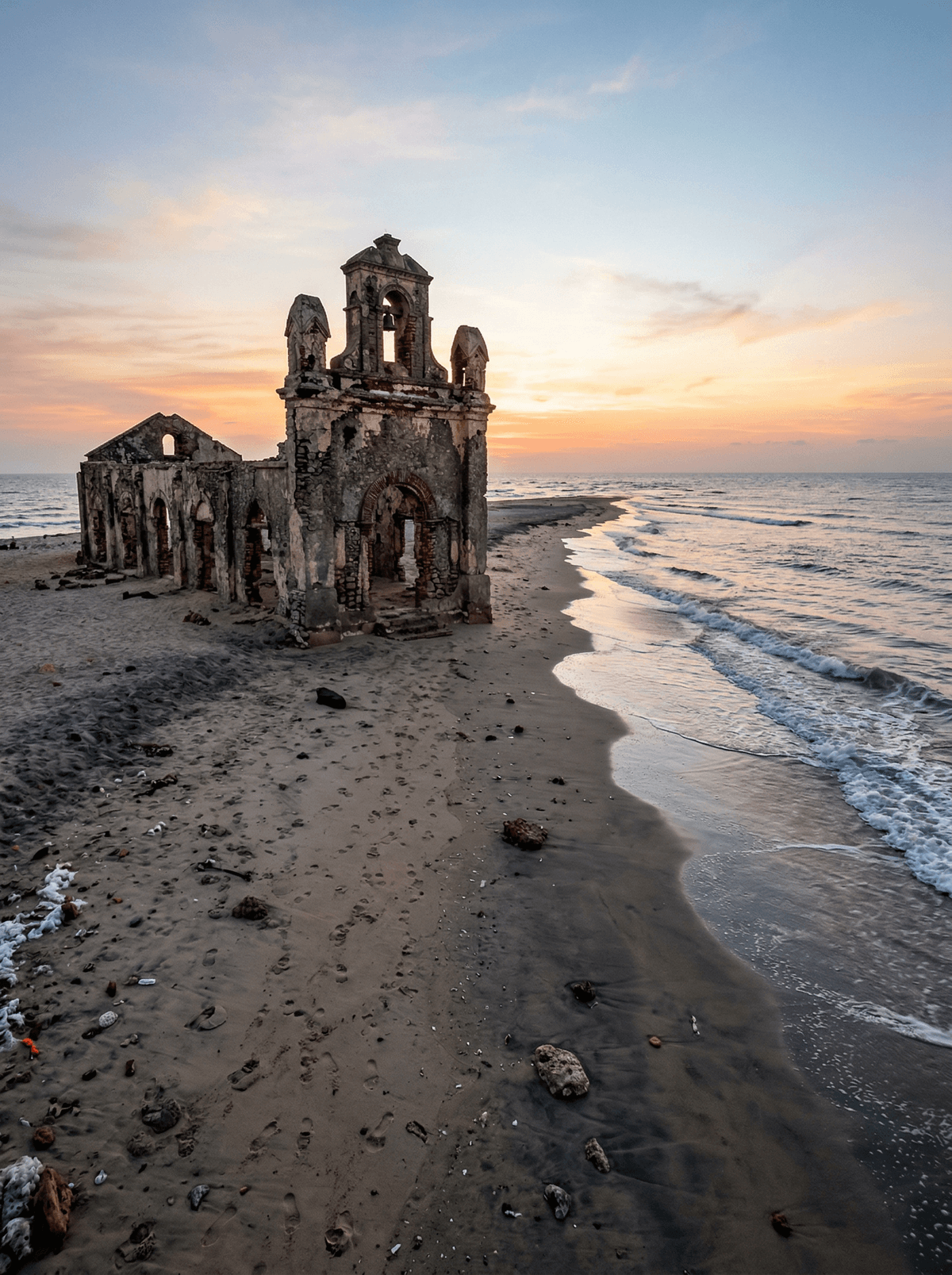
The road runs out and the sand takes over. Ahead, a thin spit narrows to the point where the Bay of Bengal and the Indian Ocean collide in confused turquoise chop. Behind, the skeletal ruins of a town destroyed in a single night stand half-buried in the dunes.
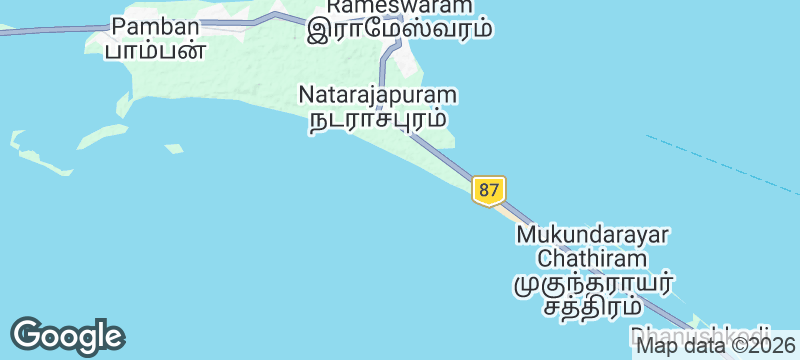
Dhanushkodi was a working town — railway station, post office, church — until Cyclone Rameswaram struck on 22 December 1964, killed over 1,800 people and erased it. The government declared the spit unfit for habitation and never rebuilt, so the ruined church walls, broken rail lines and foundations emerge from the sand like archaeology, though the catastrophe sits within living memory. The land runs on to Arichal Munai, the tip where two seas meet.
Solo
Ride out early before the heat, walk the church ruins alone, and stand at Arichal Munai where the seas argue.
Couple
Time the tip for late afternoon, when the light softens the ruins and the two seas turn different blues.
- One night in 1964 ended the whole town — the church walls still stand against the wind.
- At Arichal Munai the Bay of Bengal and the Indian Ocean visibly collide.
- Nothing permanent was ever rebuilt — railway tracks disappear beneath the tide.
- The road now reaches the spit's very tip at Arichal Munai — land's end, Sri Lanka just over the horizon.
Stall fry-ups near the beach do the day's squid and prawns — informal, and weather-dependent.
Back in Rameswaram, kothu parotta gets chopped loud on iron griddles, peppery salna on the side.
Lake Magadi
Kenya
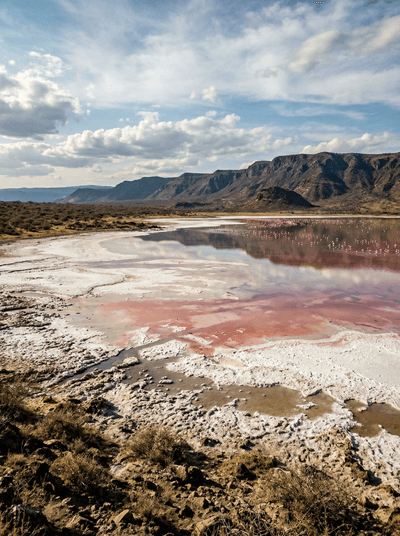
Pink soda crust runs to the horizon on a lake so alkaline it burns skin.
Parque Nacional Bernardo O'Higgins
Chile
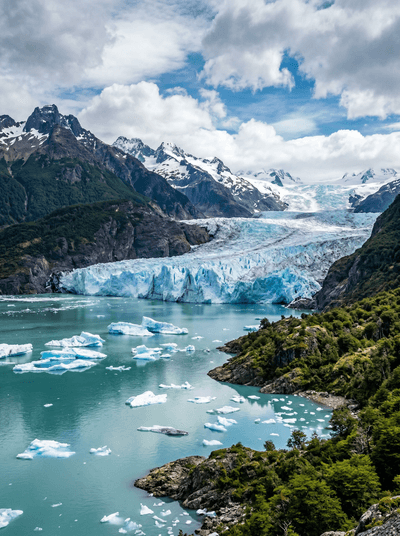
Boats enter a roadless maze of fjords, rain and Patagonian ice.
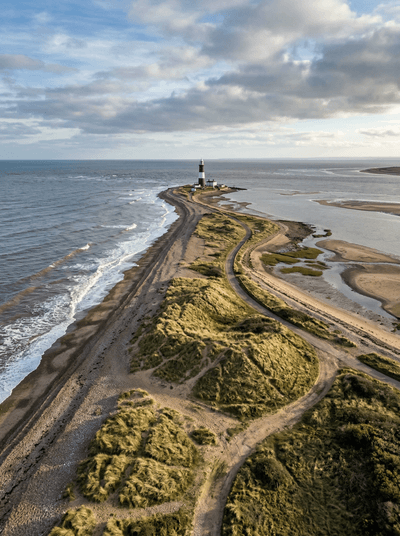
Spurn Point
England
A three-mile sand spit so narrow the sea threatens to snap it in half.

Folegandros
Greece
Cliff-edge Chora glowing white against a 200-metre drop into indigo Aegean.
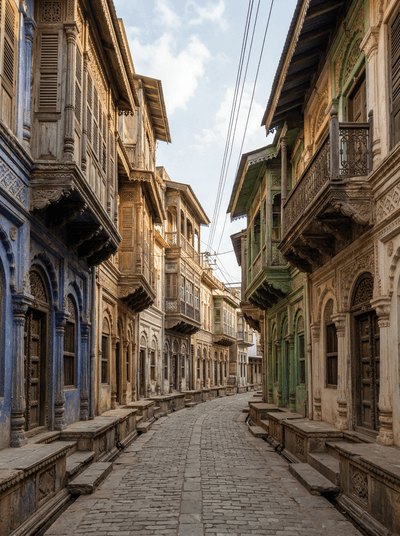
Sidhpur
India
Empty streets lined with pastel European mansions built by a globe-trading merchant community.
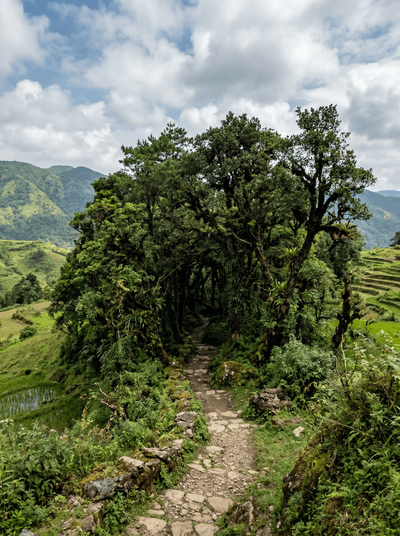
Mawphlang
India
Sacred groves where thick moss absorbs all sound and removing a single leaf is taboo.
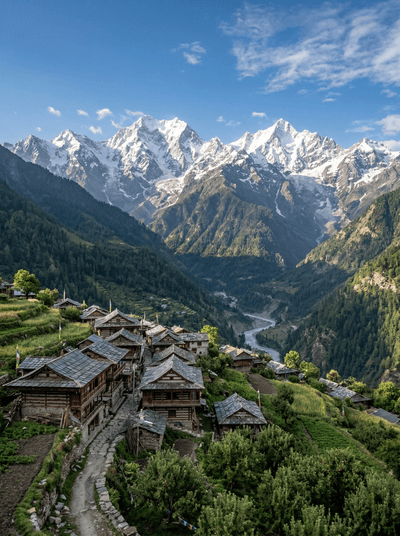
Kalpa
India
Apple orchards clinging to steep ridges directly facing the razor-sharp granite of the Kinnaur Kailash.