England
Spurn Point
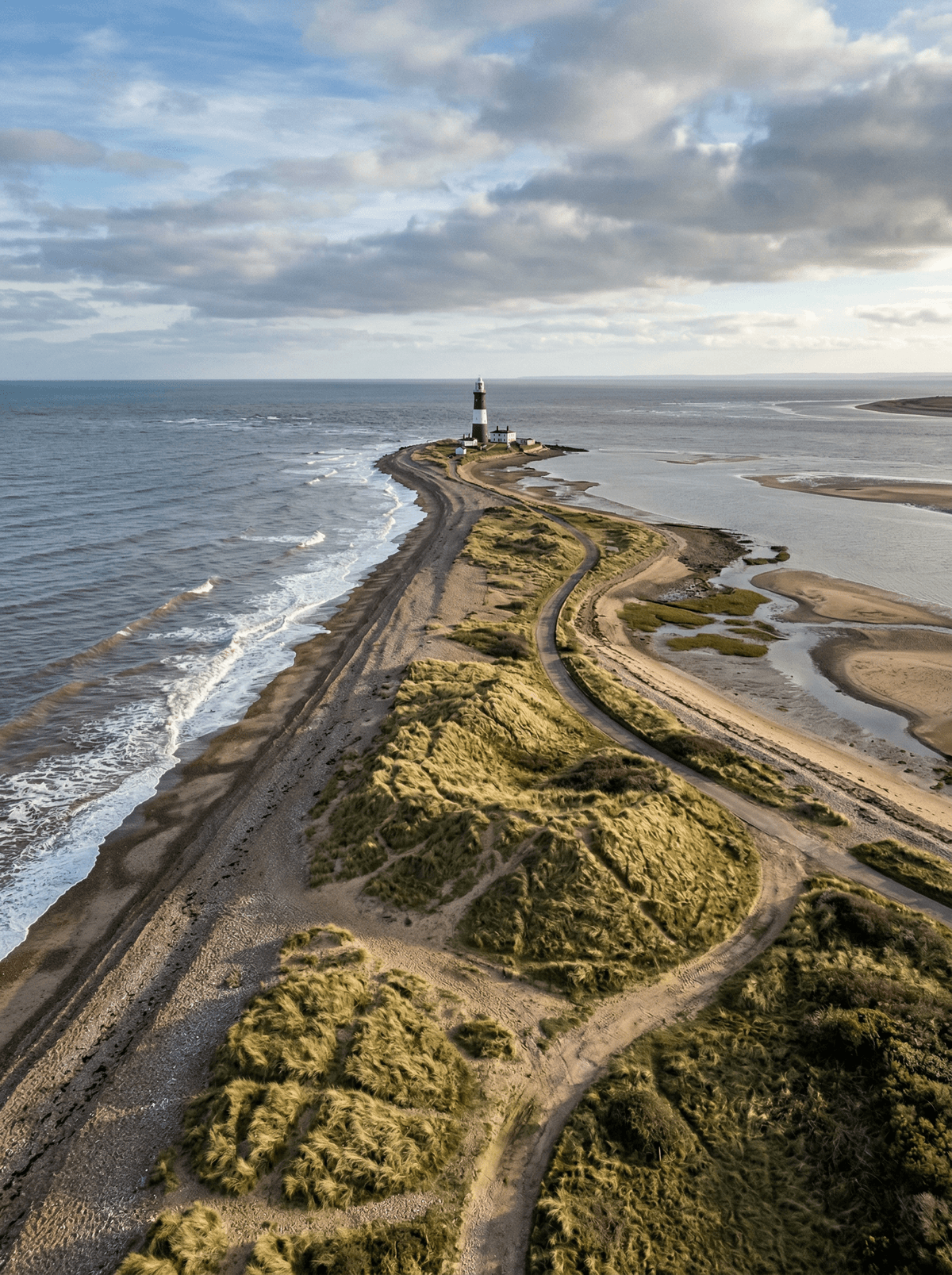
A three-mile sand spit so narrow the sea threatens to snap it in half.
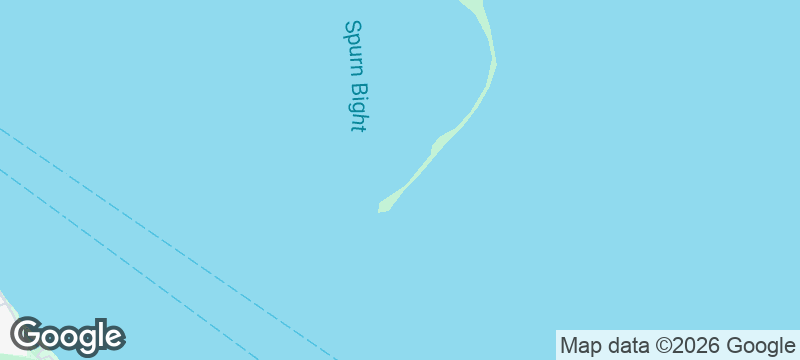
A sand spit three miles long and barely fifty metres wide curves into the Humber Estuary, narrowing until the sea on both sides is close enough to hear in stereo. Spurn Point is the most fragile landform in England — a thread of sand the North Sea is slowly pulling apart.
Spurn, in the Yorkshire Wildlife Trust's care, reaches five and a half kilometres into the Humber's mouth from the Holderness coast — a coast eroding at roughly two metres a year, the fastest retreat in Europe, its lost cliffs feeding the spit by longshore drift. The spit itself has been breached, destroyed and reformed across the centuries, and a 2013 tidal surge broke the road, so the point is now reached on foot at suitable tides or aboard the Trust's high-wheeled safari vehicle — England's only tidal island you can effectively commute to. The tip holds both World Wars' military remains and a disused lighthouse, relics of a community that lived on borrowed land, and the estuary mouth is a migration highway: in spring and autumn the rarities arrive with a regularity that fills the hides.
Solo
Walk the spit until the seas narrow on both sides and you stand at the end of England — military ruins, eroding coast, sand on loan. A meditation on impermanence.
Couple
The walk out is atmospheric and the return shows the Holderness coast in changed light — share the strangeness of standing on land the sea will reclaim.
- Fifty metres of sand hold back the North Sea, and some winters they don't.
- A lighthouse and gun emplacements mark a community that lived on borrowed land.
- Migration season fills the hides as rarities funnel down the estuary mouth.
- Sand, shingle and saltmarsh vanish visibly — geology in real time.
Fish and chips in Withernsea on the drive down the doomed coast.
Tea at the Discovery Centre before the walk onto borrowed sand.
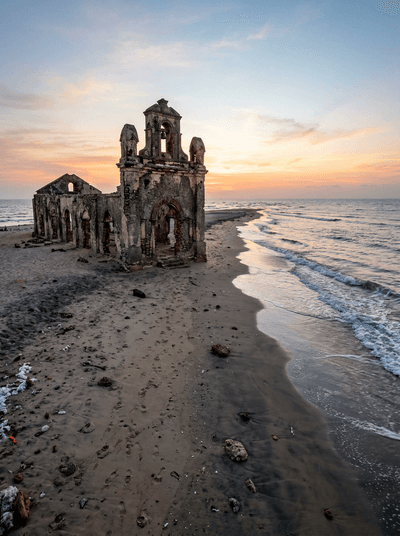
Dhanushkodi
India
A cyclone-destroyed ghost town dissolving into the sea at the very edge of the subcontinent.
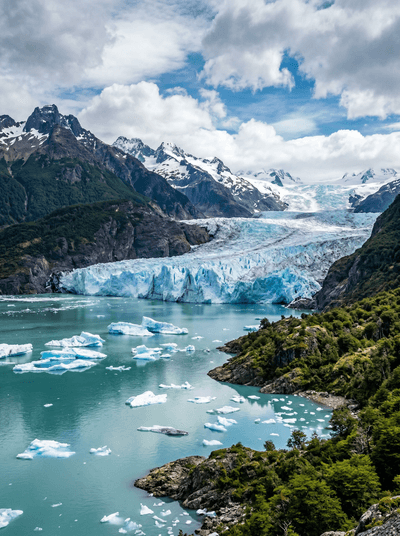
Parque Nacional Bernardo O'Higgins
Chile
Boats enter a roadless maze of fjords, rain and Patagonian ice.
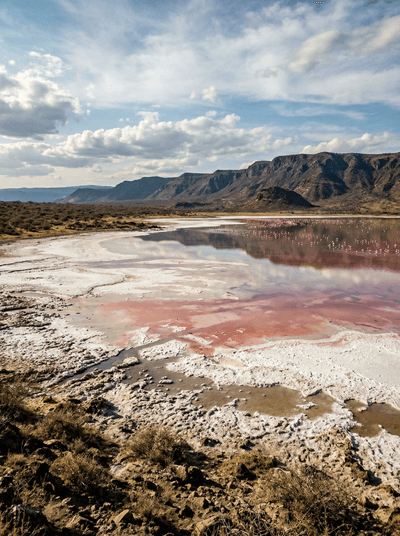
Lake Magadi
Kenya
Pink soda crust runs to the horizon on a lake so alkaline it burns skin.
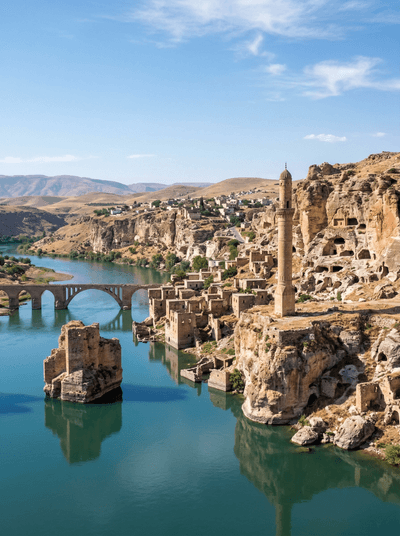
Hasankeyf
Turkey
A 12,000-year-old Tigris settlement now partly drowned by a dam, cave dwellings and minarets half-submerged.

Wistman's Wood
England
Twisted ancient oaks dripping with moss in a silence so deep it hums.
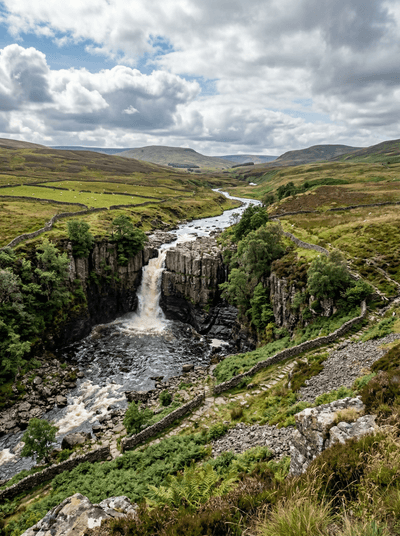
Upper Teesdale
England
High Force thundering seventy feet into a plunge pool while arctic gentians bloom.
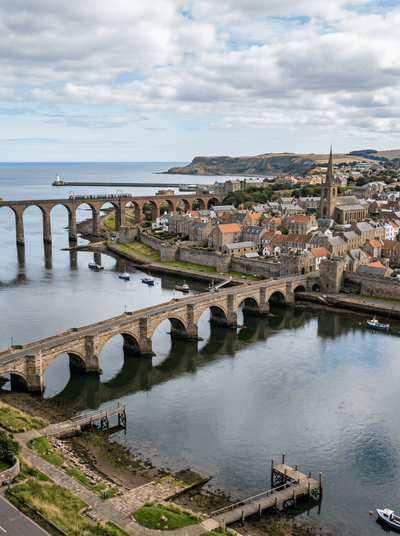
Berwick-upon-Tweed
England
A fortified border town that changed hands between England and Scotland thirteen times.
Buttermere
England
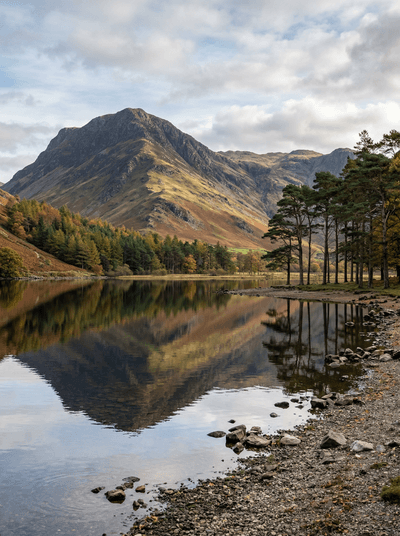
A mirror lake ringed by fells so symmetrical the reflection is indistinguishable from the real.