Morocco
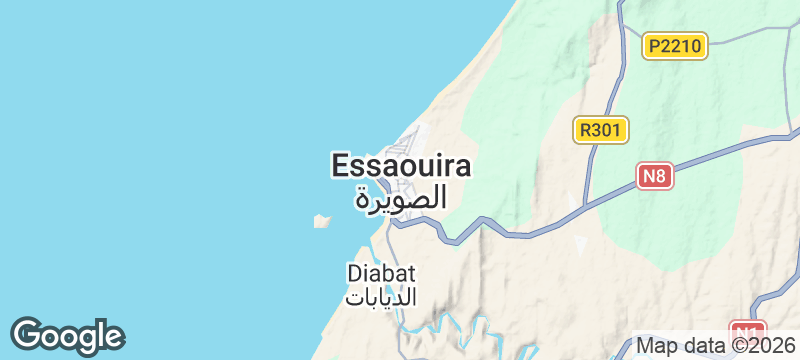
Essaouira
Gnaoua rhythms carry a devotional trance through ramparts that once guarded half Morocco's foreign trade.
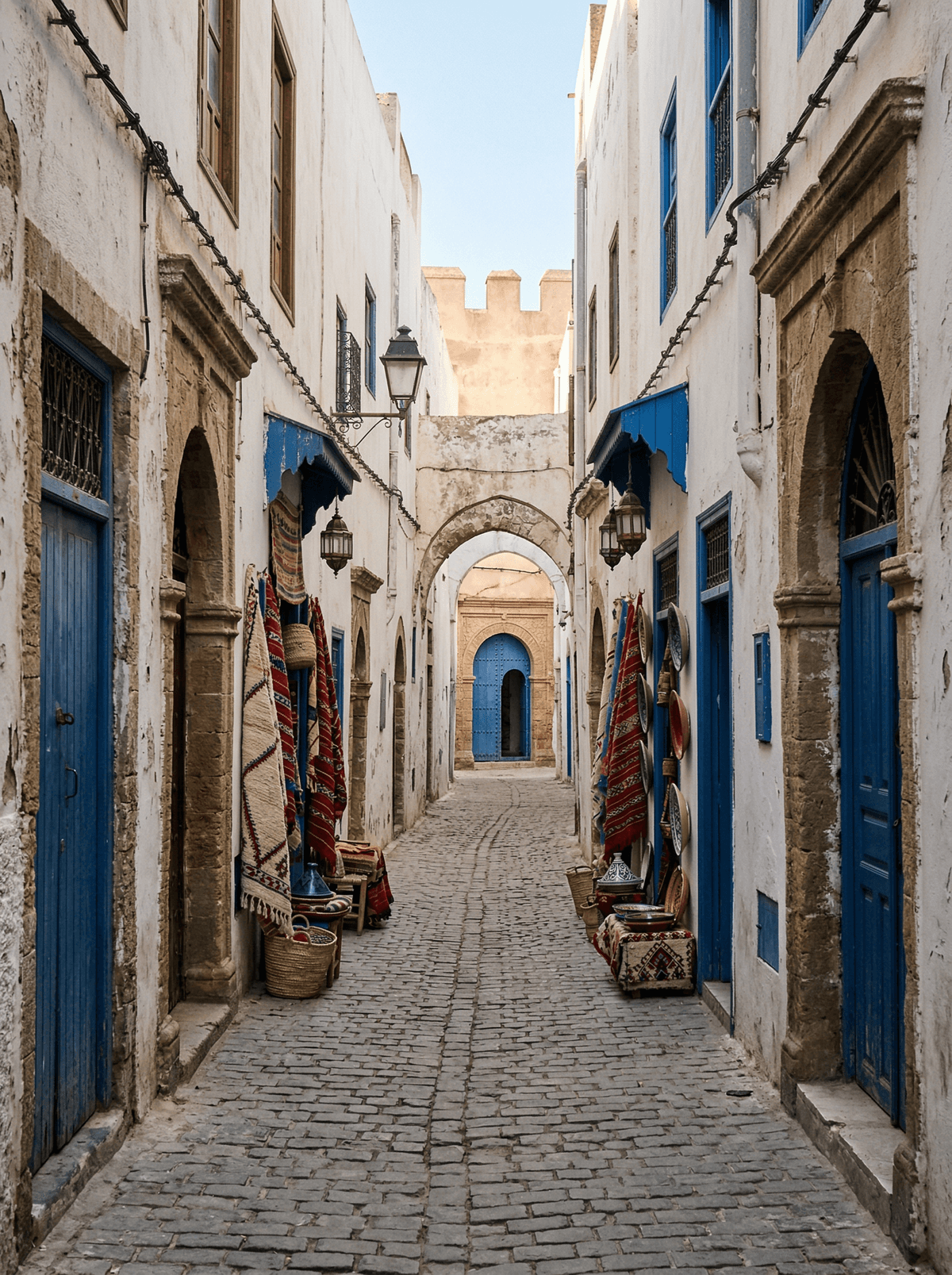
The wind arrives first and does not stop. It comes off the Atlantic across ten kilometres of beach, over ramparts a French architect drew for a Moroccan sultan, and into a grid of whitewashed lanes where the shutters are blue because everything here is blue: the boats, the doors, the fishing nets stacked on the quay.
Essaouira was built as a trading port and it worked: at its height the harbour handled as much as half of Morocco's foreign trade, defended by nineteen bronze cannons shipped in from Spain. Orson Welles took the town over from 1949 to 1952 to shoot Othello, which then won at Cannes as a Moroccan film, and Jimi Hendrix spent eleven days here in July 1969 across three hotels, one of which had also housed Welles. Underneath the visitors is something older: Gnaoua, brought by people carried north on the trans-Saharan slave trade, played on guembri and iron qraqeb to take a listener into trance. For three days each June the maalems lead the Aissawa, Hamadcha and Jilala brotherhoods through the medina and the town swells to several hundred thousand people.
Solo
The medina runs on a rough grid, so this is the one Moroccan old town you can walk without a guide or a plan. Bayt Dakira and the Chaim Pinto Synagogue take an unhurried hour between the ramparts and the harbour.
Couple
Time it for late June and the Gnaoua nights on Place Moulay Hassan, or skip the crowd entirely and take the parapet walk at dusk, watching the falcons work the Purpuraires Islands offshore.
Friends
Book a morning of kitesurfing or wingfoil lessons on the ten-kilometre beach, then eat your way along grill street while the boats unload behind you.
Family
The beach is long, flat and shallow enough for a windy afternoon, the harbour gives children boats being built by hand on the quay, and the cannons on the Skala are climbable in the way children want walls to be.
- The ramparts were designed by the French architect Theodore Cornut and still carry nineteen bronze cannons shipped in from Spain.
- Bayt Dakira holds sacred texts and objects from the city's once sizeable Jewish community, and the nineteenth-century Chaim Pinto Synagogue still stands in the medina.
- The Gnaoua and World Music Festival takes over three days each June and has drawn crowds of up to half a million.
- Year-round wind has made this a surfing and kitesurfing centre since the 1960s, with small summer waves for beginners and heavy winter swells for everyone else.
Sardines straight off the boats and onto coals at grill street, the row of stalls on the water's edge below the Skala du Port.
Souiri, the local sardine meatball tagine, cooked at l'Atelier in a former almond warehouse after you have bought the spices for it yourself.
Key West
United States
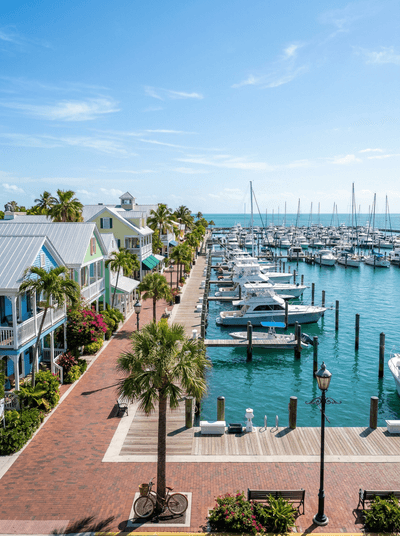
Roosters crossing the street while Mallory Square gathers to applaud the sunset.
Sitka
United States
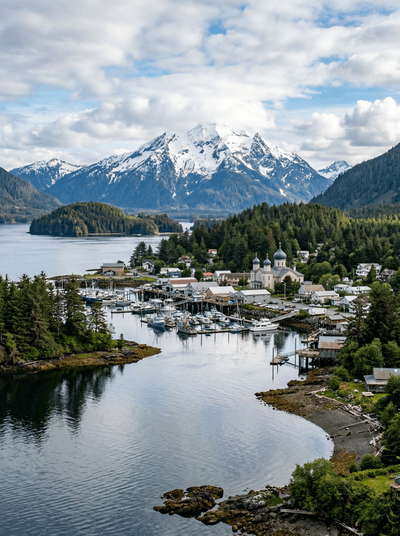
Totem poles and Russian onion domes facing each other across a harbour where humpbacks surface.
Banjarmasin
Indonesia
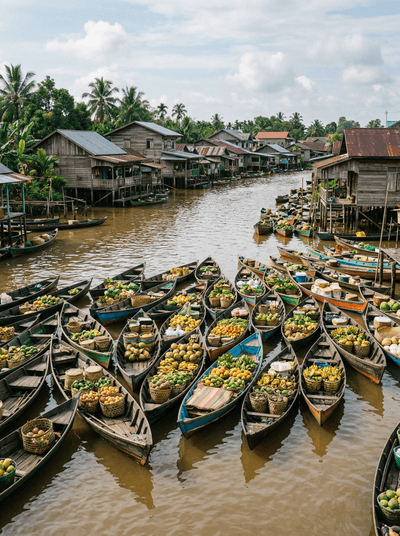
Before dawn, the market is a flotilla: produce, breakfast and gossip traded gunwale to gunwale.
Comacchio
Italy
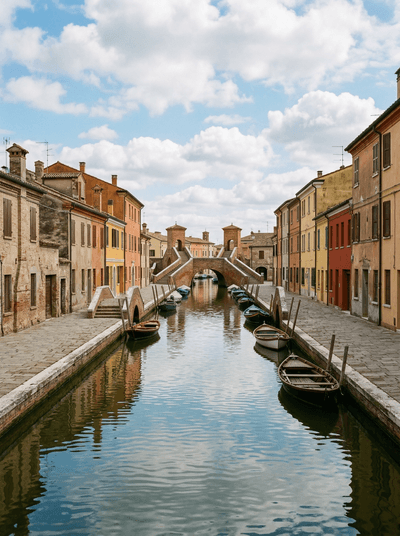
Canals thread a brick lagoon town whose fortunes have always swum in on the eels.
Rabat
Morocco
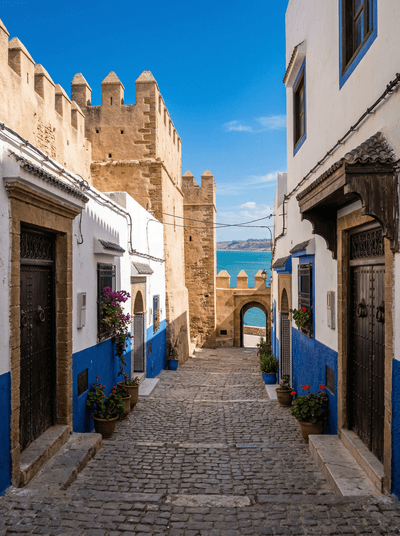
A forty-four-metre minaret still waits for the mosque that died with its sultan.
Moulay Idriss Zerhoun
Morocco
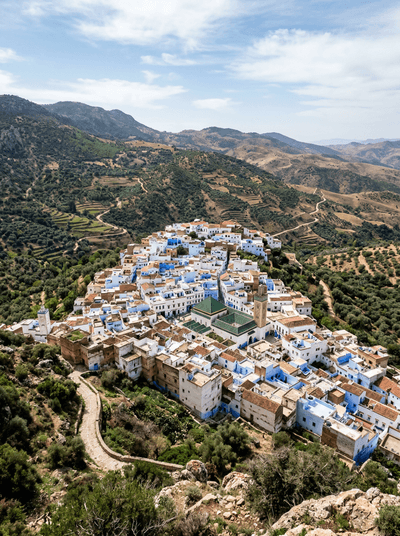
Five pilgrimages here during the moussem are said locally to equal one hajj to Mecca.
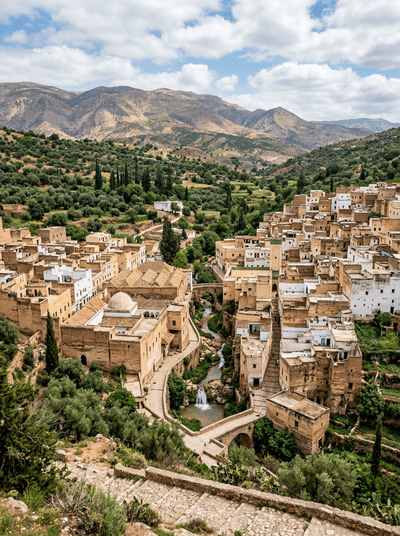
Sefrou
Morocco
Silk-buttoned festival dress meets river-cooled lanes in Morocco's century-old cherry capital.
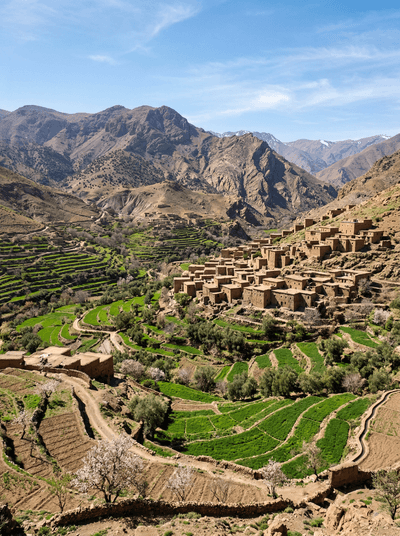
Taliouine
Morocco
Three crimson threads leave each dawn-picked crocus in Morocco's saffron heartland.