Sweden
Falun
A copper mine so deep it shaped global currency, its red pigment painting every barn.
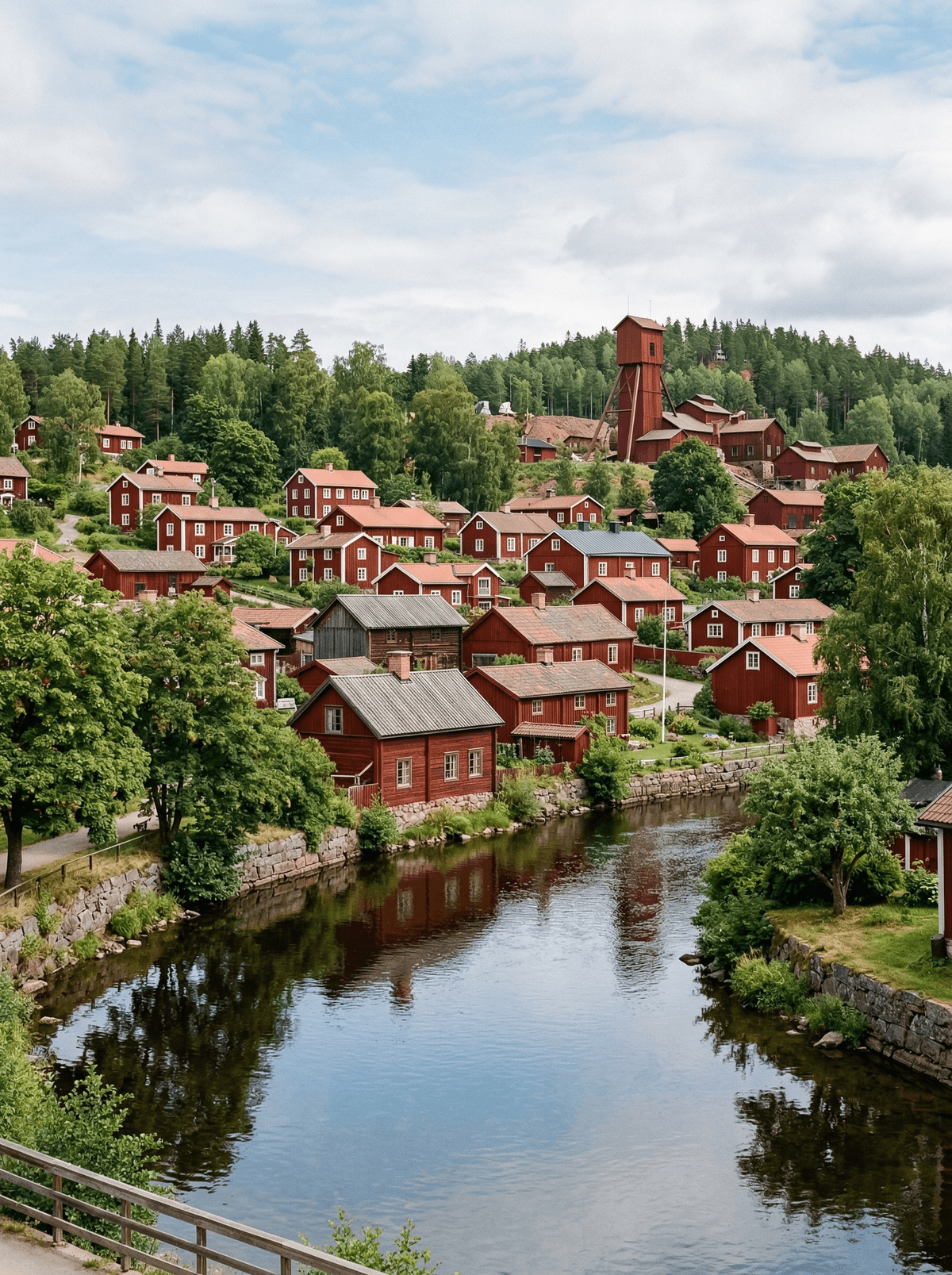
The Great Pit at Falun is a wound in the earth a hundred metres deep — the collapsed heart of a copper mine that worked for perhaps a thousand years and painted the Swedish countryside red. The air at the bottom smells of sulphur and damp stone. The pigment born here, Falu red, became the colour of the nation's barns.
Falun's mine is World Heritage ground and one of history's mightiest industrial engines — at its seventeenth-century peak it supplied a huge share of Europe's copper, bankrolling Sweden's era as a great power, and it kept working until 1992. The old workings open to visitors deep underground, where tunnels narrow and temperatures fall; the mine's strangest tale is Fet-Mats, a young miner's body preserved by vitriol water for decades and recognised, on recovery, by his former fiancée. The by-product outlived the ore: Falu red paint, cooked from mine waste, still coats wooden Sweden. The town around the pit keeps its miners' cottages, and Carl Larsson's famous family home lies just outside — the mine's grim ledger balanced by domestic idyll.
Solo
Descending the old workings alone concentrates the experience — narrowing tunnels, dropping temperature, a millennium overhead.
Couple
The mine's intensity then fika in the wooden old town — a day that moves from underground dark to surface warmth.
Family
Hard hats, tunnels and the Fet-Mats tale pitch the mine perfectly for older children.
- A UNESCO-listed mine that once supplied much of Europe's copper and worked until 1992.
- Visitors descend into centuries-old workings beneath the collapsed Great Pit.
- Falu red — cooked from the mine's waste — became the colour of wooden Sweden.
- The Fet-Mats story gives the mine one of industrial history's strangest human tales.
Knäckebröd from Dalarna's rye ovens with butter and hard cheese.
Miner's-portion meatballs in the wooden old town after the tunnels.
Port Arthur
Australia
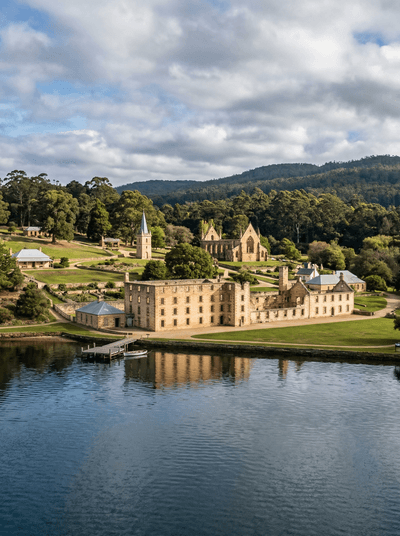
Honey-coloured ruins and harbour gardens disguise the machinery of Britain's convict punishment.
Myra
Turkey
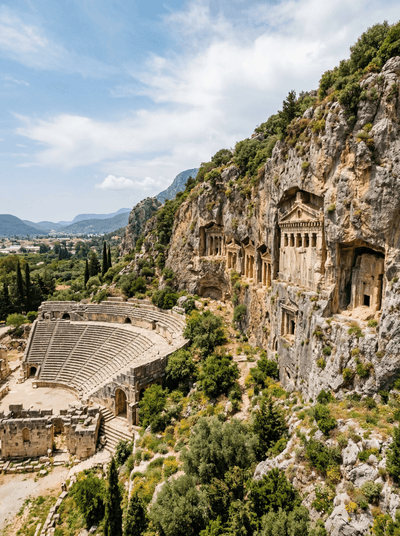
Rock-cut Lycian tombs stacked like a honeycomb above the church where Saint Nicholas was bishop.
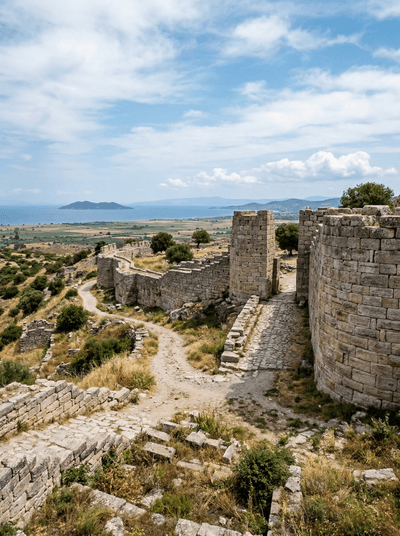
Troy
Turkey
Nine cities layered on top of each other where Homer's war may have actually happened.
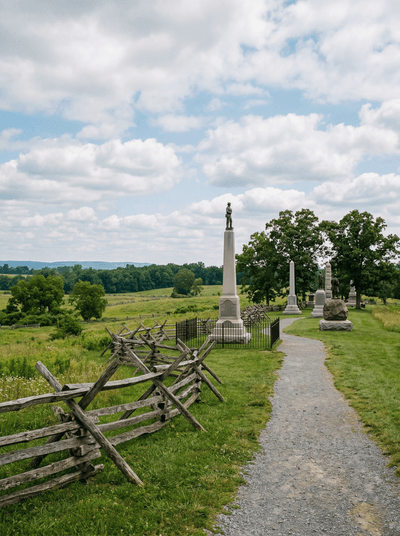
Gettysburg
United States
Fifty-one thousand killed, wounded or missing in three days, on fields where silence still weighs.
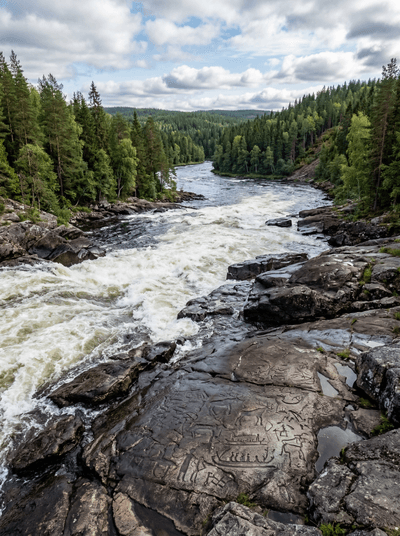
Nämforsen
Sweden
Thousands of carvings chiselled into river granite across four millennia of belief.
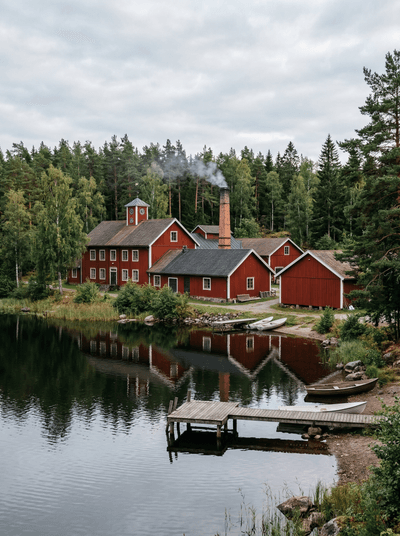
Glasriket (Kingdom of Crystal)
Sweden
Deep-forest glassblowing studios where molten crystal has glowed in the dark for three centuries.
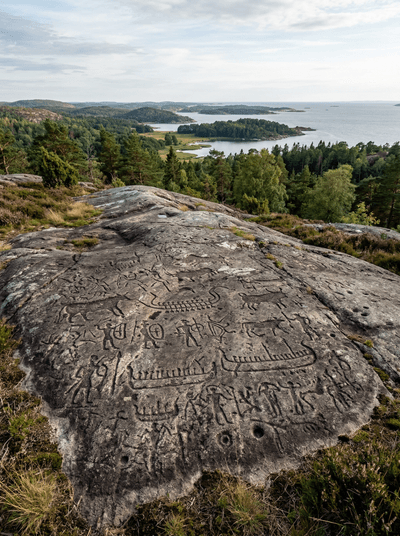
Bohuslän Coast (Bronze Age Carvings)
Sweden
Three-thousand-year-old ships and sun discs carved into granite by a vanished shoreline.
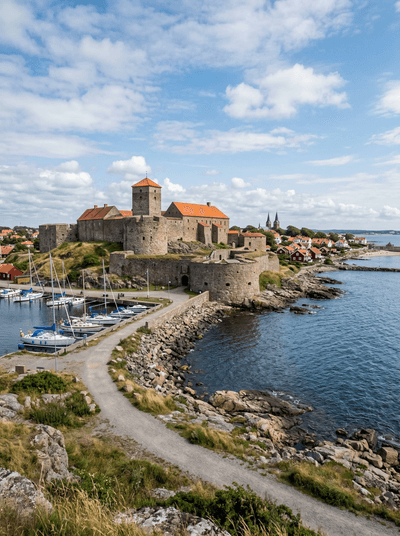
Varberg
Sweden
A fortress-crowned spa town where cold-sea bathing is a year-round ritual.