Turkey
Troy
Nine cities layered on top of each other where Homer's war may have actually happened.
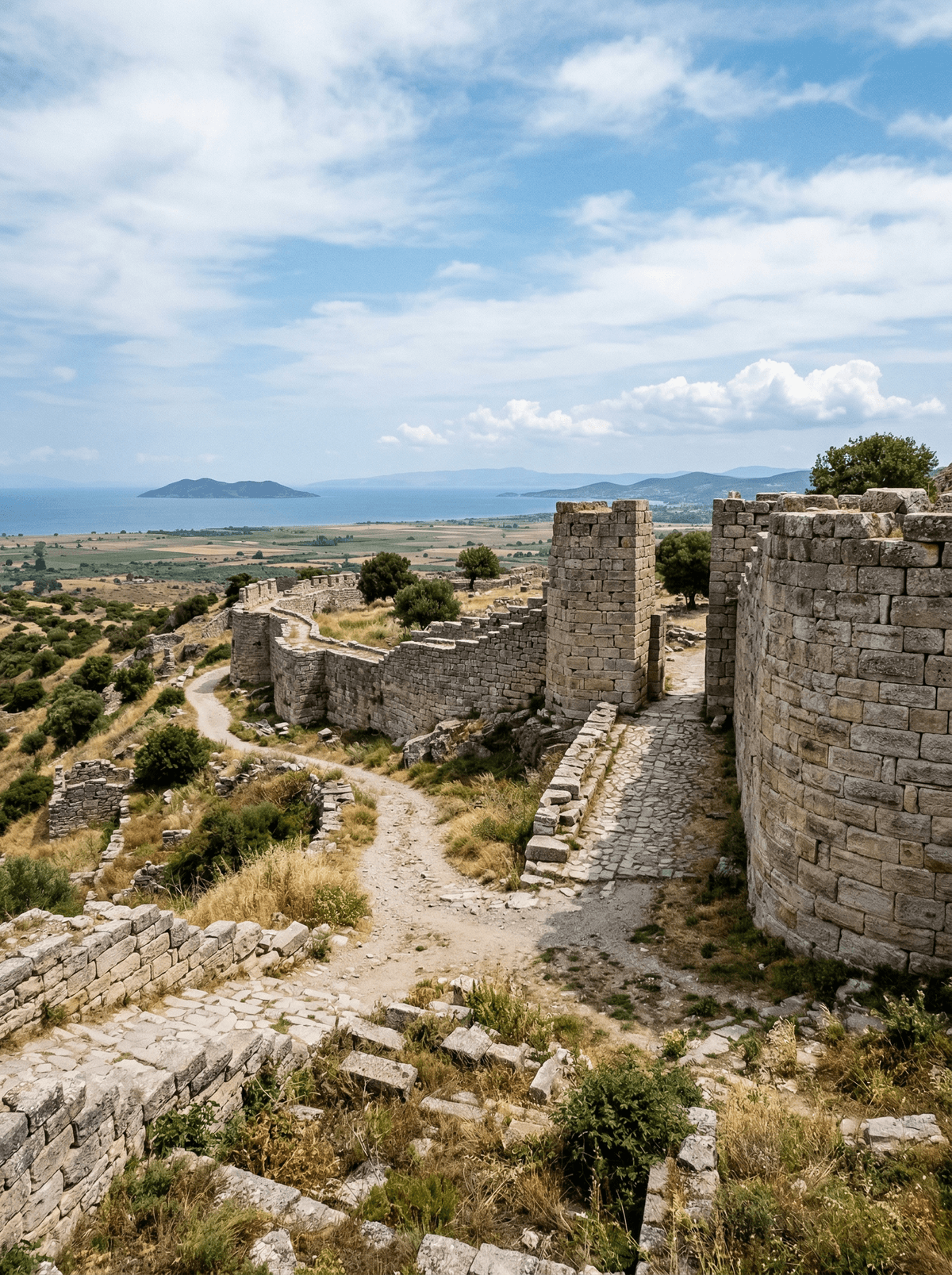
The wind comes off the Dardanelles and crosses a low mound where nine cities are buried inside each other. It is quieter than you expect: no Homeric thunder, just dry grass rustling over walls that were already ancient when Alexander the Great visited. You stand where Schliemann cut his trench through three thousand years of occupation, the layers visible in the exposed earth like rings in a cut tree.
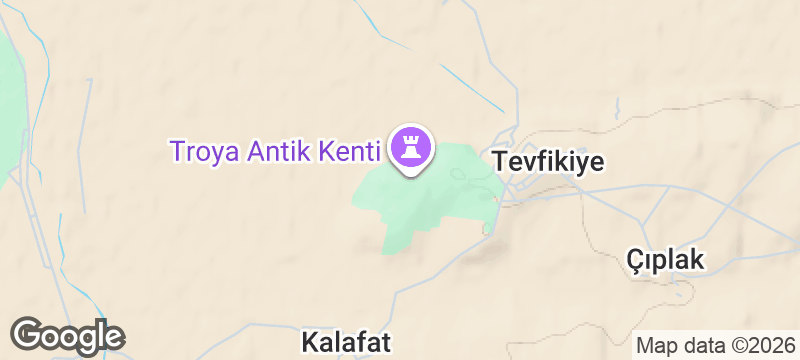
Troy occupies a modest hilltop near the mouth of the Dardanelles, the strait that joins the Aegean to the Sea of Marmara. Nine settlement layers span roughly 3000 BCE to the Byzantine era, a compressed record of Bronze Age citadels, Greek colonies and Roman rebuilding. Troy VIIa, destroyed by fire around 1180 BCE, is widely identified as the likeliest setting for Homer's war. Schliemann's 1870s excavations made the site famous and damaged it irreparably, his great trench cutting through the very layers he sought. The museum beside the site, opened in 2018, displays a century and a half of finds, including 24 pieces of Trojan gold returned from Philadelphia in 2012.
Solo
Troy rewards the reader. Arrive having read the Iliad, or even a summary, and the bare walls become the setting of the West's foundational war story; the museum is one of Turkey's best, and you can linger as long as you like with each layer.
Couple
Combine the ruins with the Dardanelles: ferries cross the strait to Gallipoli, and the Çanakkale waterfront serves dinner with views across the narrows. Troy anchors a longer Aegean itinerary.
Family
The wooden Trojan Horse replica at the entrance is the hook for younger visitors, but the museum is the real draw: its chronological walkthrough makes 5,000 years graspable for any child old enough to wonder about the past.
- The site has nine distinct city layers spanning 4,000 years, from 3000 BC through Byzantine times.
- The Trojan War layer, Troy VIIa, dates to approximately 1180 BC, broadly aligning with Homer's chronology.
- The museum holds 24 pieces of Trojan gold, returned in 2012 after four decades in a Philadelphia museum.
- The Dardanelles, the strategic strait Troy controlled, is visible from the walls.
Peynir helvası, cheese halva served warm and stretchy, the Çanakkale sweet worth planning around.
Tumbi, cracked wheat baked with aubergine, tomato and herbs, Çanakkale home cooking in a tray.
Gettysburg
United States
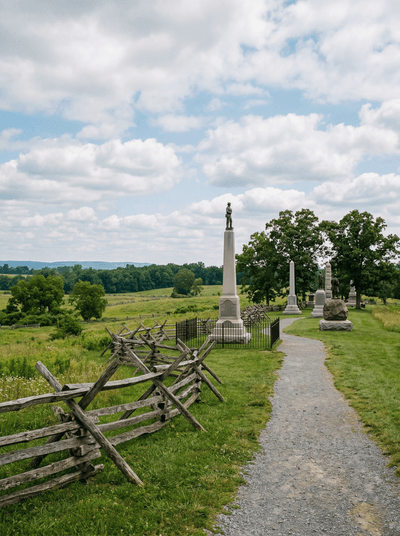
Fifty-one thousand killed, wounded or missing in three days, on fields where silence still weighs.
Port Arthur
Australia
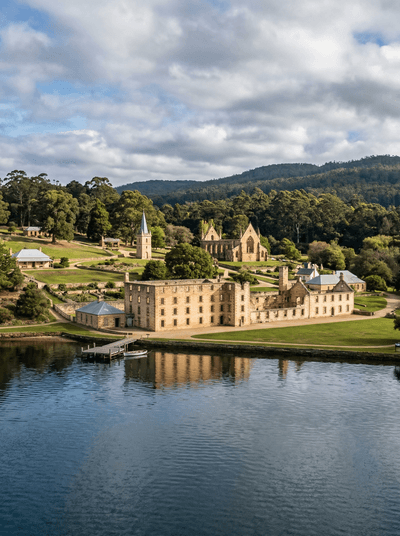
Honey-coloured ruins and harbour gardens disguise the machinery of Britain's convict punishment.
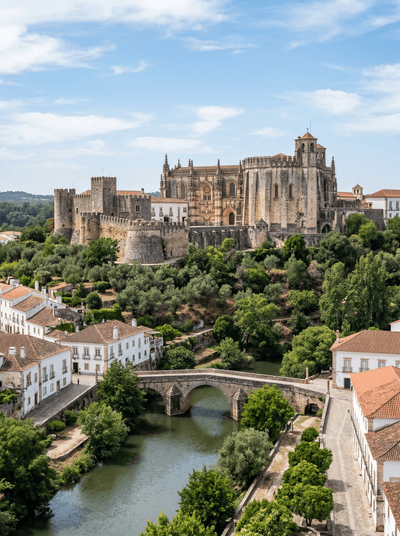
Tomar
Portugal
A fortress where Templar knights heard mass on horseback in an octagon built for Jerusalem.
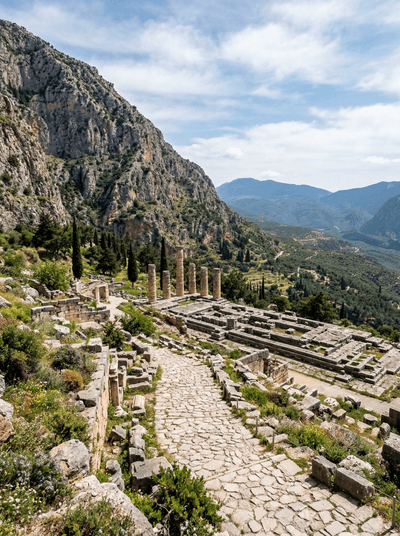
Delphi
Greece
Stone terraces climb a sacred mountainside where the ancient world came to hear the oracle speak.
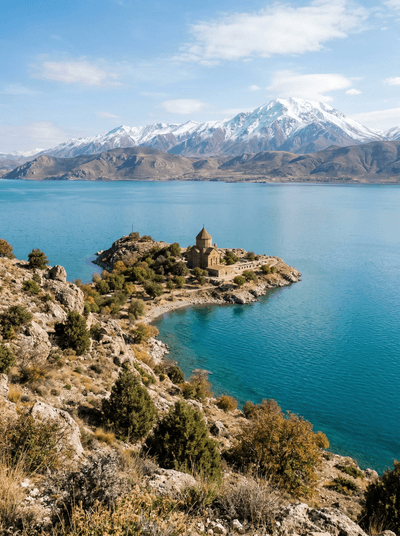
Lake Van
Turkey
A vast soda sea where you float without trying, ringed by snow-capped volcanoes.
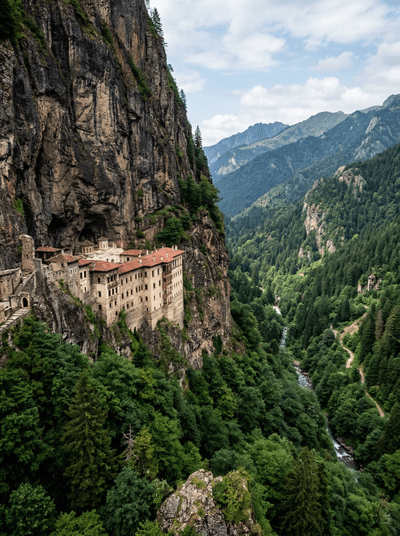
Sumela Monastery
Turkey
A monastery clinging to a cliff 300 metres above a misty Black Sea valley.
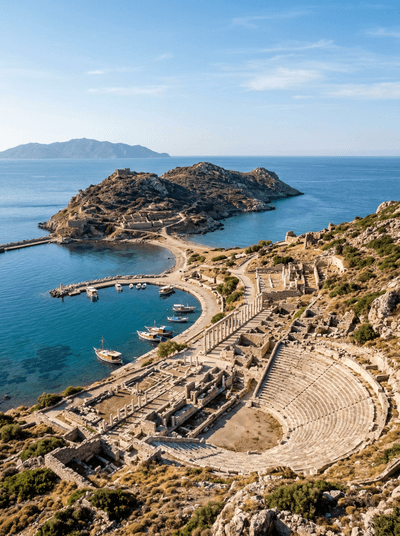
Knidos
Turkey
Two harbours face two different seas at a windswept cape where the Aegean meets the Mediterranean.
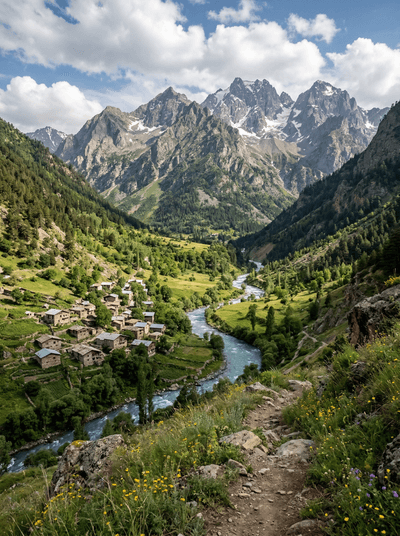
Barhal Valley
Turkey
10th-century Georgian churches stand forgotten in steep valleys where the road ends and peaks begin.