Egypt
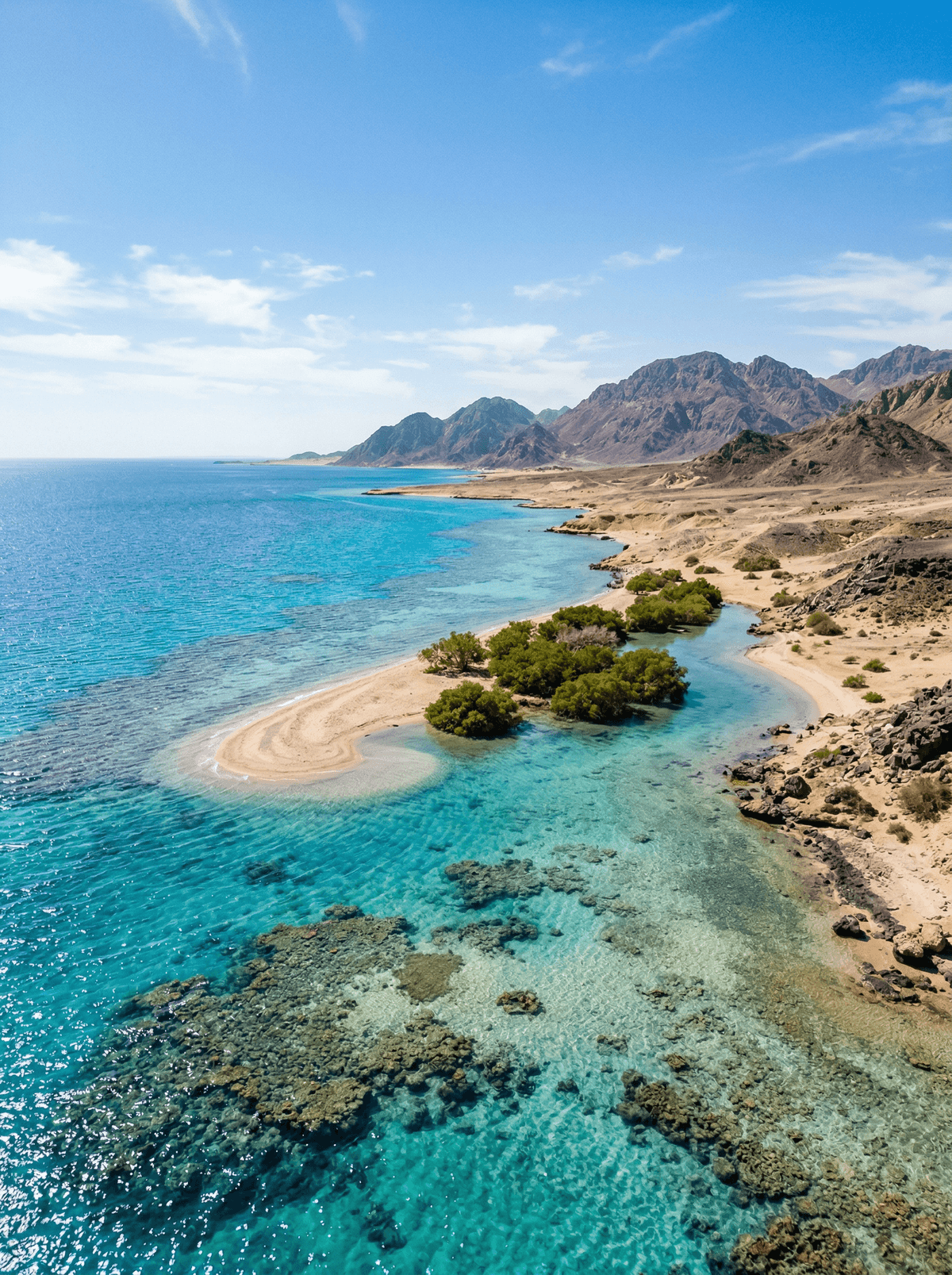
Hamata
Spinner dolphins corkscrewing around the dawn boats, the southernmost Red Sea reefs untouched below.
The spinner dolphins arrive at dawn, spiralling out of the water around the boat as if performing for no one in particular. Below the surface the Fury Shoals spread in a maze of coral islands, tunnels and lagoons most Red Sea visitors never reach. Hamata is the launching point, and almost nothing else.
Hamata sits on Egypt's far southern Red Sea coast, about 120 kilometres south of Marsa Alam, the departure point for the Fury Shoals and Sataya — Dolphin House — a horseshoe reef sheltering a resident pod of spinner dolphins. The Hamata Islands offshore — Siyal, Shawarit, Umm al-Shaykh and Mahabis — fall within Wadi el-Gemal National Park, whose waters carry over 450 coral species and more than 1,200 species of fish. The Fury Shoals add swim-through caves, coral arches and shallow lagoons built for snorkelling.
Couple
Take the dawn departure for Sataya's dolphins, then let the crew feed you across three islands.
- Sataya's spinner pods arrive from open water at dawn and often stay hours — snorkelling among them is the morning.
- The four Hamata Islands sit inside a national park's marine zone, with no resort on any of them.
- Liveaboards from this coast reach the Brothers — two isolated outcrops with reef walls falling past 100 metres.
- Day boats thread three islands in a run, dropping snorkellers at each in turn.
Lunch is a freshly cooked buffet on deck between islands, cold drinks out of the icebox.
Ashore, the Hamata camps grill the day's fish with rice and tahini.
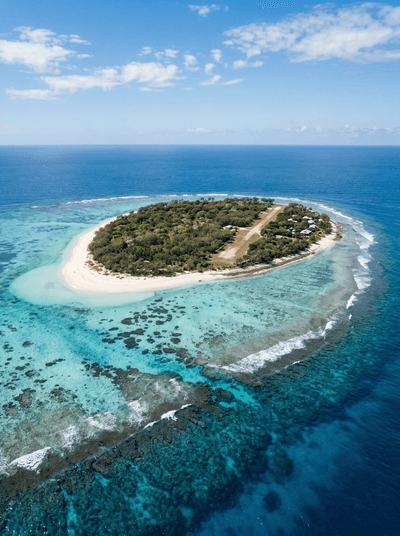
Lady Elliot Island
Australia
Manta rays turn beneath snorkellers where a coral cay meets the reef's southern edge.
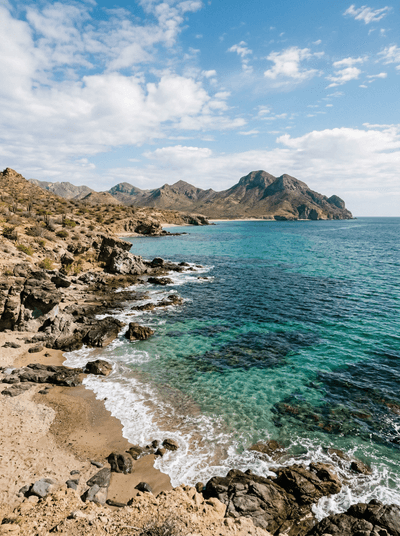
Cabo Pulmo
Mexico
A tornado of trevally blots out the sky above a reef one village brought back.
Surin Islands
Thailand
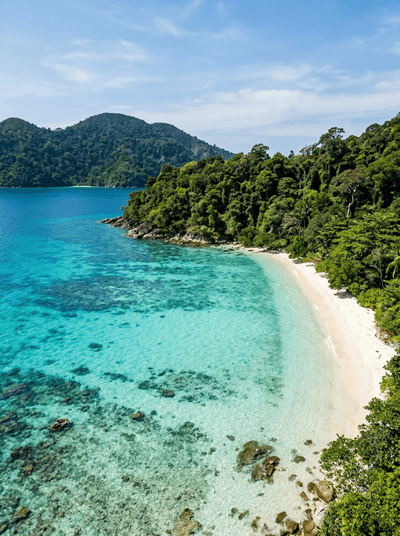
Sea nomad stilt houses above coral gardens, five islands out in the open Andaman.
St. Catherine
Egypt
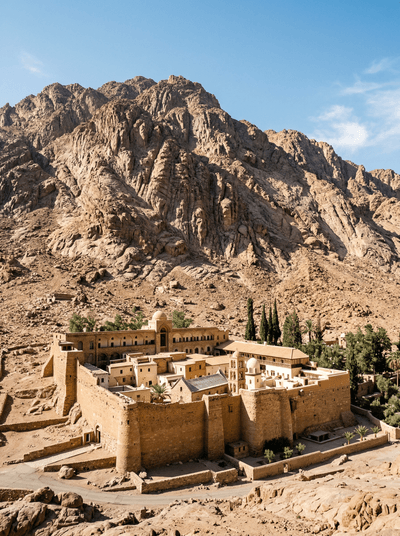
Granite peaks where Moses may have stood, a burning bush still growing behind monastery walls.
Mons Porphyrites
Egypt
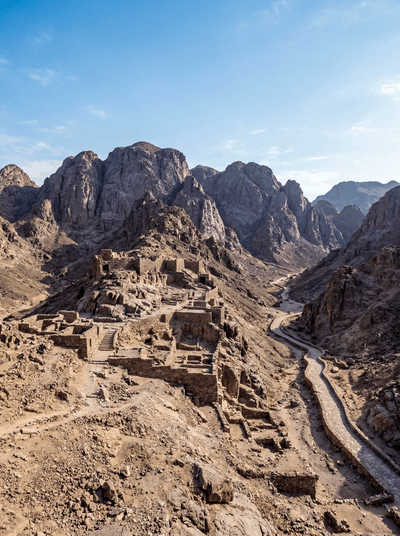
The Roman Empire's only source of imperial purple stone, quarries still scarring red mountains.
Meidum
Egypt
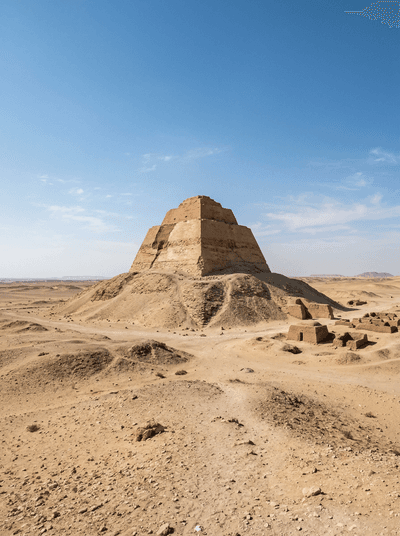
A pyramid that peeled apart, exposing its stone skeleton like an anatomical diagram of pharaonic ambition.