Italy
Herculaneum
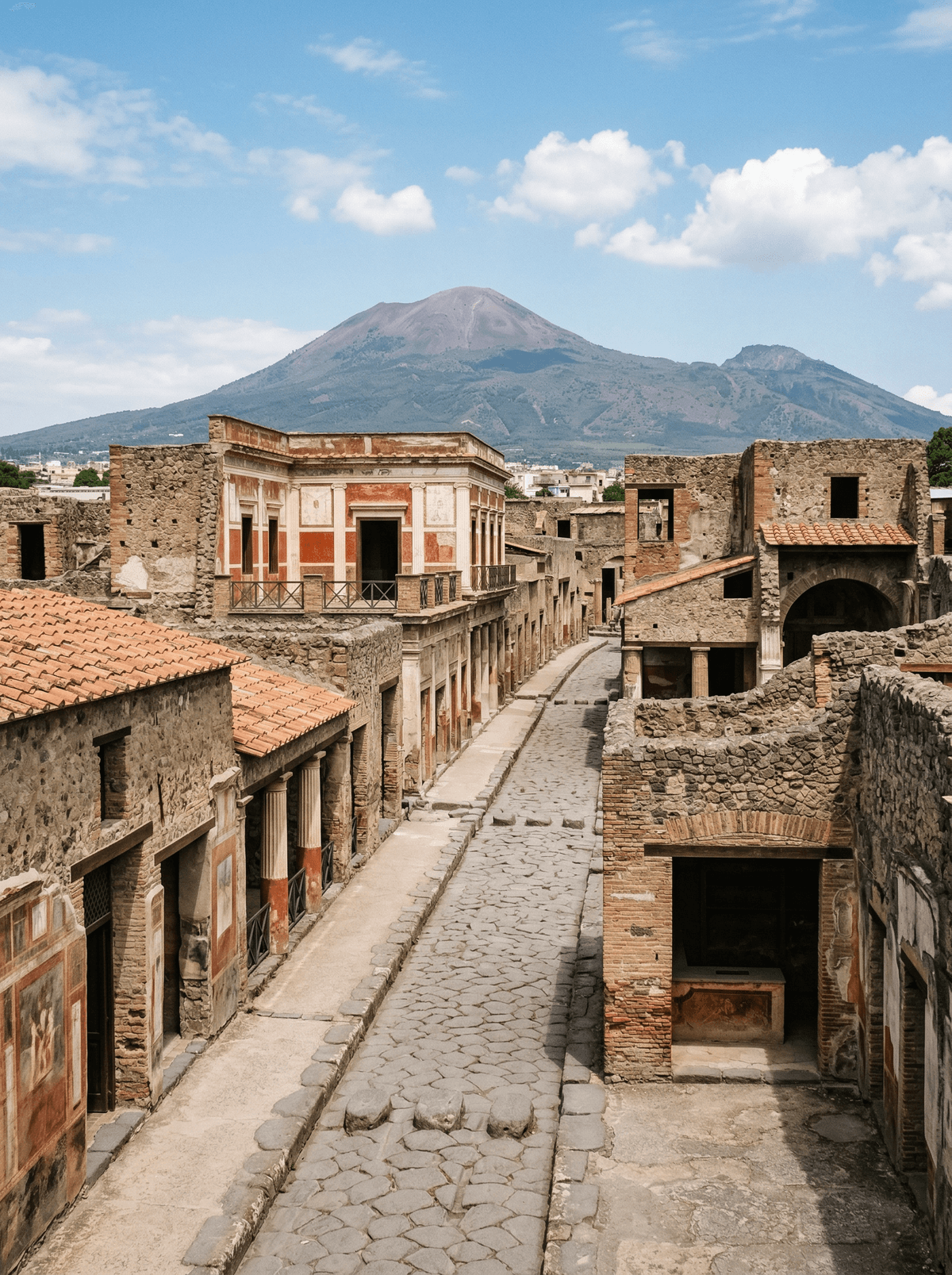
Better preserved than Pompeii, two-storey houses with wooden beams intact, sealed by volcanic mud.
You descend below modern street level and step into a Roman town where second-storey balconies still overhang the road. Wooden door frames stand in place. A mosaic of Neptune and Amphitrite glows as vividly as the day the flows sealed it in 79 AD.
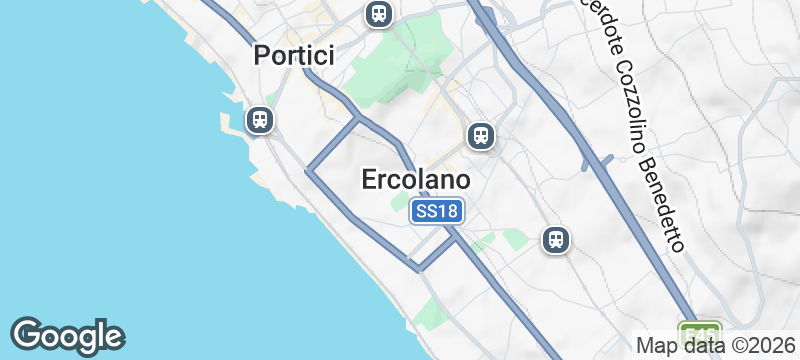
Herculaneum was Pompeii's smaller, richer neighbour, buried not by falling ash but by pyroclastic surges that carbonised and so preserved what elsewhere rotted: beams, furniture, food, even fabric. The excavated area is a fraction of the town, much of which lies beneath modern Ercolano, but it includes two-storey houses, a snack bar with its counter, and baths with marble benches still in position. Along the buried shoreline, the boathouses held some three hundred people waiting for a rescue by sea that never came; their remains are shown with the gravity they deserve. Small enough for one focused visit, the site reads less like a ruin than an interruption.
Solo
The small footprint rewards detail; stand in a Roman bedroom and study a carbonised bedframe for as long as it deserves.
Family
Wooden beams, food remains and household objects make the ancient world tangible for children, and the site ends before their patience does.
- Volcanic flows preserved carbonised beams, furniture and food that turned to dust at Pompeii.
- Two-storey houses still stand, balconies overhanging the Roman street.
- The boathouses along the old shore tell the eruption's human story at full force.
- The compact site rewards ninety minutes of close looking rather than a day of walking.
Modern Ercolano's wood ovens blister pizza to leopard spots a few streets from the ruins.
Maccheroni al ragù simmered half a day rewards the walk back up from the Roman shoreline.
Aspendos
Turkey
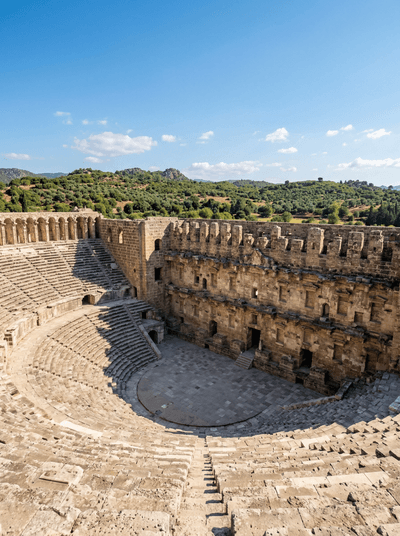
A Roman theatre preserved so completely that an unamplified voice carries to the topmost row.
Gettysburg
United States
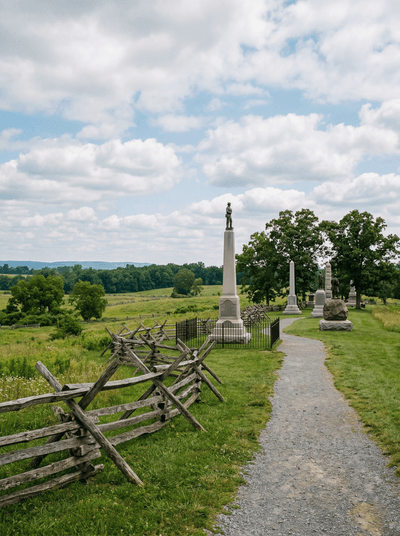
Fifty-one thousand killed, wounded or missing in three days, on fields where silence still weighs.
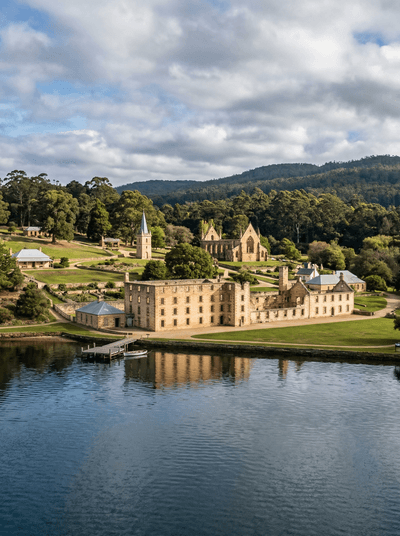
Port Arthur
Australia
Honey-coloured ruins and harbour gardens disguise the machinery of Britain's convict punishment.
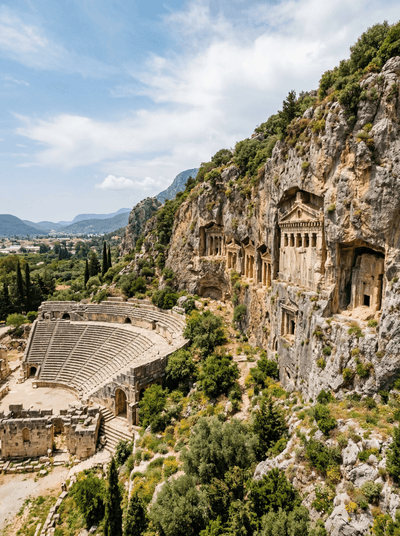
Myra
Turkey
Rock-cut Lycian tombs stacked like a honeycomb above the church where Saint Nicholas was bishop.
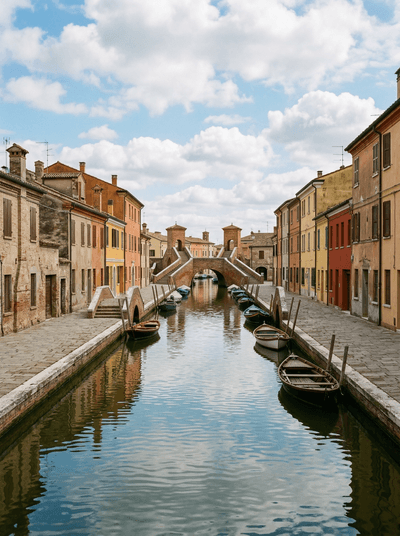
Comacchio
Italy
Canals thread a brick lagoon town whose fortunes have always swum in on the eels.
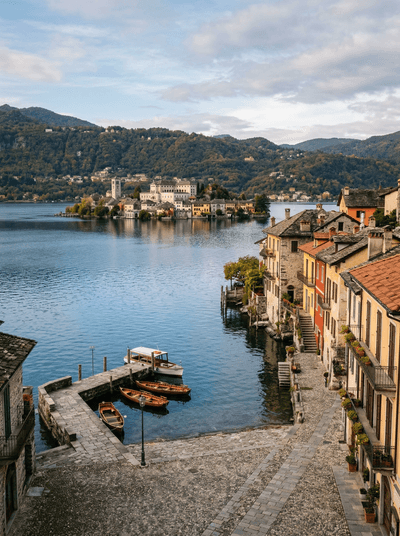
Orta San Giulio
Italy
A village on a lake you've never heard of, facing an island with one silent monastery.
Scanno
Italy
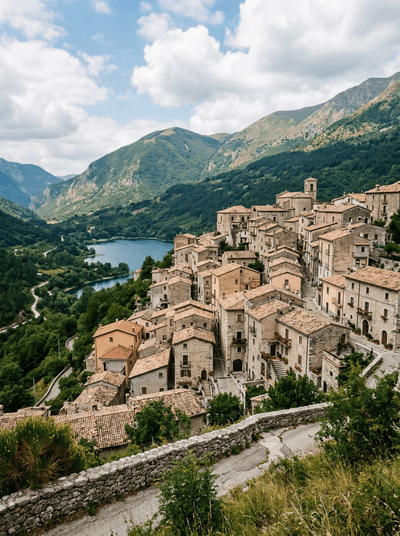
A mountain village above a heart-shaped lake, where women still wear traditional dress on feast days.
Pompeii
Italy
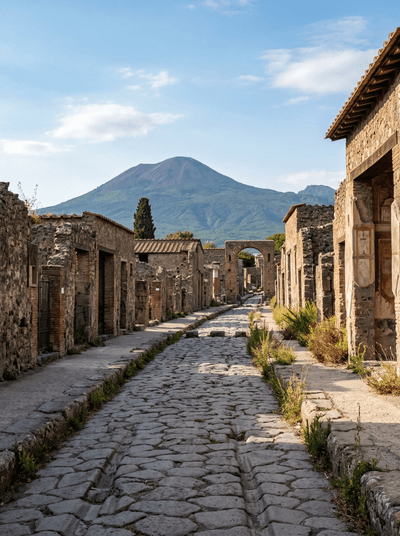
Frozen mid-stride in 79 AD, bread still in the ovens, graffiti still on walls.