Argentina
Iguazú Falls
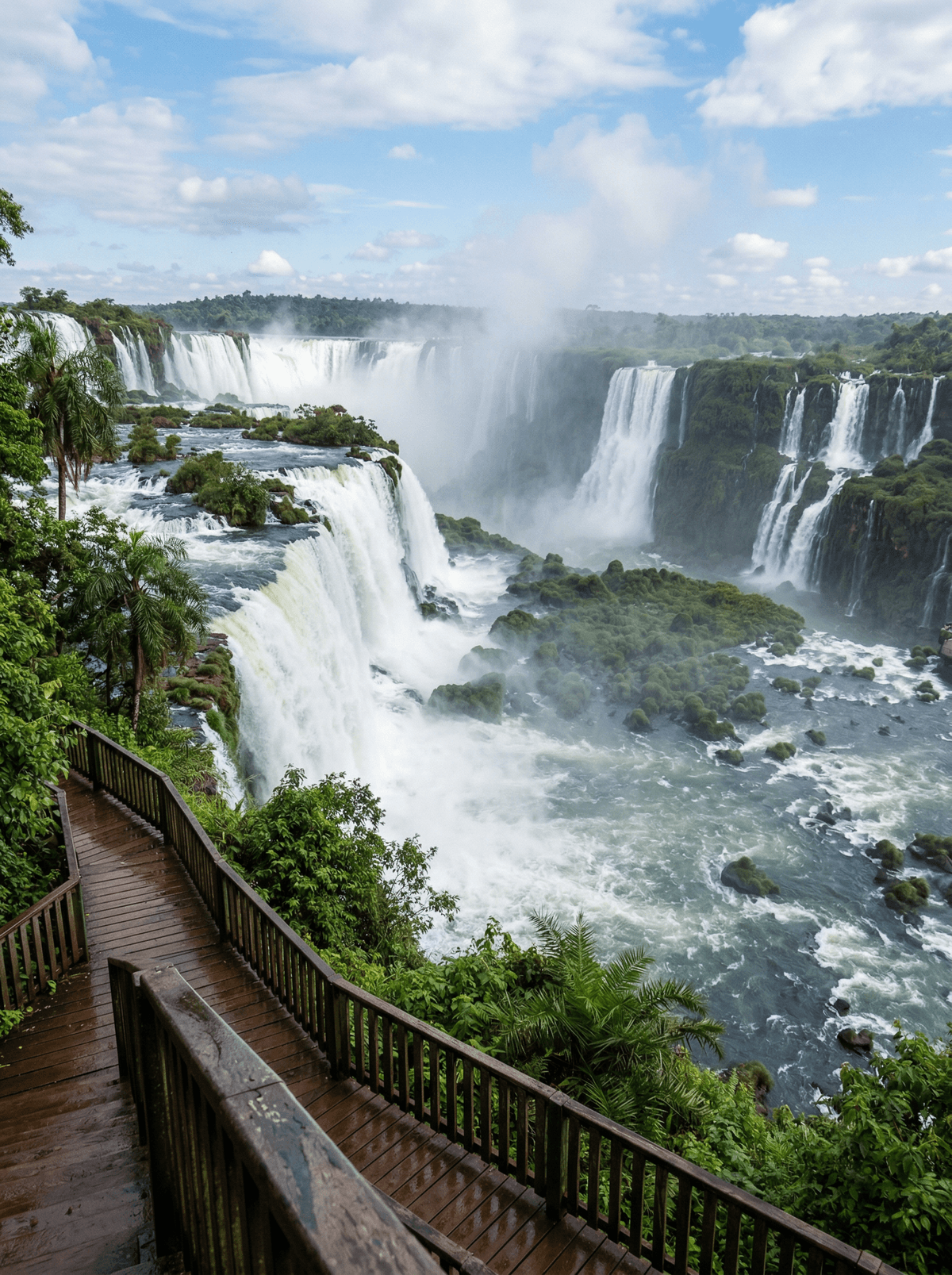
A river shatters into hundreds of waterfalls around the thunder of the Devil's Throat.
The roar arrives before the sight — a low rumble that builds as the boardwalk bends towards the Garganta del Diablo, then detonates into a wall of white water that soaks you before you have found the railing. Iguazú straddles the Argentine-Brazilian border across a horseshoe some 2.7 kilometres wide, the river splitting into cataracts by the hundred, their count shifting with the season's flow. Coatis are the walkways' unofficial residents, kept wild and unfed by rule.
The falls pour over the edge of an ancient basalt plateau laid down by vast volcanic flows, and both sides carry UNESCO World Heritage status — Argentina's since 1984, Brazil's since 1986. The Argentine side provides the most intimate encounter: elevated walkway circuits thread the Atlantic Forest to different levels of the falls, from water-level spray to the upper panorama, and boats run beneath the lowest curtains under the park's authorisation, for a full-body soaking. The forest around holds toucans, tapirs and over 400 recorded bird species — seen on their terms, never on schedule — and the park is firm that coatis and monkeys are never fed or approached. The river occasionally takes sections of walkway back; circuits are rebuilt and reopened on the park's clock. The Guaraní named it 'big water' — the most accurate understatement on a continent of extremes.
Couple
The scale produces the kind of awe that makes people go quiet and instinctively reach for each other. The upper walkway late in the afternoon, light cutting through mist, is Argentina's most cinematic hour.
Family
Children find the scale incomprehensible in the best way — the boat soaking, coatis at eye height, and the simple fact of getting drenched make this a rare World Heritage site kids beg to revisit.
Friends
The two sides together demand two full days. A group sharing a forest lodge, getting drenched on the boat, and arguing over the best viewpoint is the trip that stays in retelling for years.
- Walkway circuits extend over the falls themselves — spray reaches the railings within minutes.
- Boats run beneath the waterfall curtains under park authorisation, reversing out through the mist.
- Toucans and coatis move through the Atlantic Forest between viewpoints, wild and unfed by rule.
- Both sides of the falls carry UNESCO World Heritage status, listed in the 1980s.
Surubí from the Paraná grilled whole over coals in Puerto Iguazú, its flesh firm and sweet.
Chipá — chewy cassava-and-cheese rolls hot from a roadside oven — with cold tereré on a humid afternoon.
Ishigaki
Japan
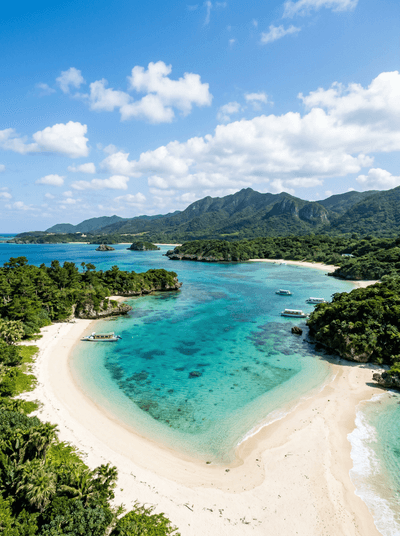
Mangrove kayaks at dawn, manta cleaning stations by noon, Yaeyama soba by sunset.
Great Barrier Reef
Australia
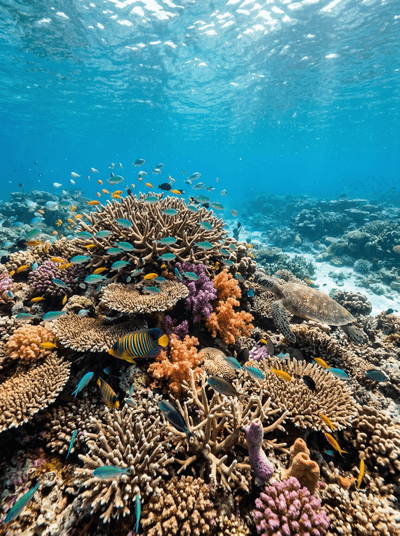
Turtles thread through a coral world stretching 2,300 kilometres along Queensland.
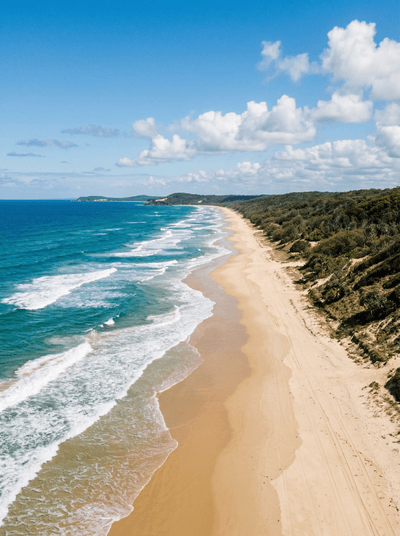
K'gari (Fraser Island)
Australia
Freshwater lakes glow blue above the sea on the world's largest sand island.
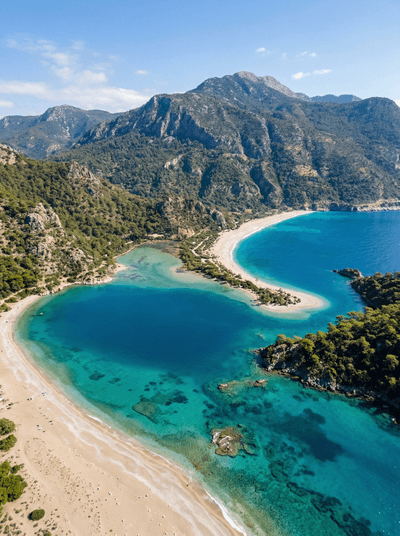
Ölüdeniz
Turkey
Paragliders spiral down from 1,969 metres to land on a lagoon so blue it looks retouched.
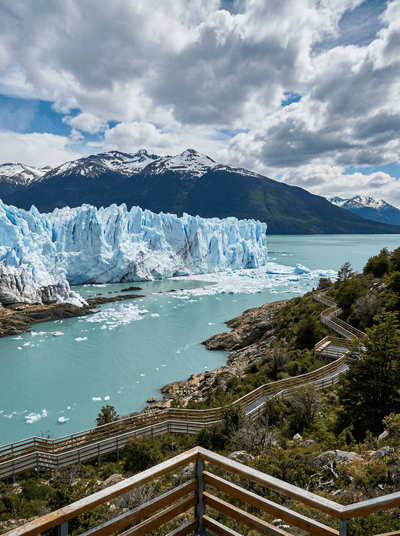
El Calafate
Argentina
A glacier calves office-block towers of ice into turquoise water as you watch.
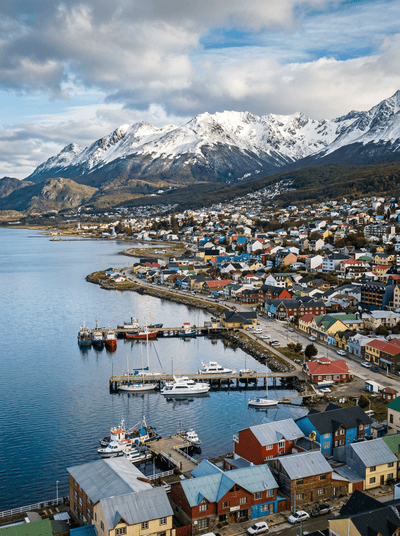
Ushuaia
Argentina
The port where Antarctica begins — beech forest climbing to glaciers at the planet's edge.
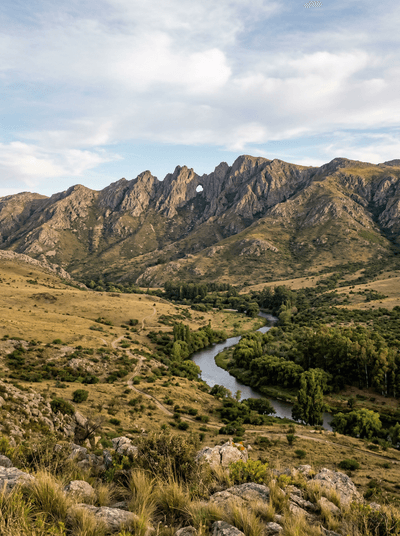
Sierra de la Ventana
Argentina
A natural window carved through a mountaintop by erosion, framing nothing but Pampean sky.