Argentina
Sierra de la Ventana
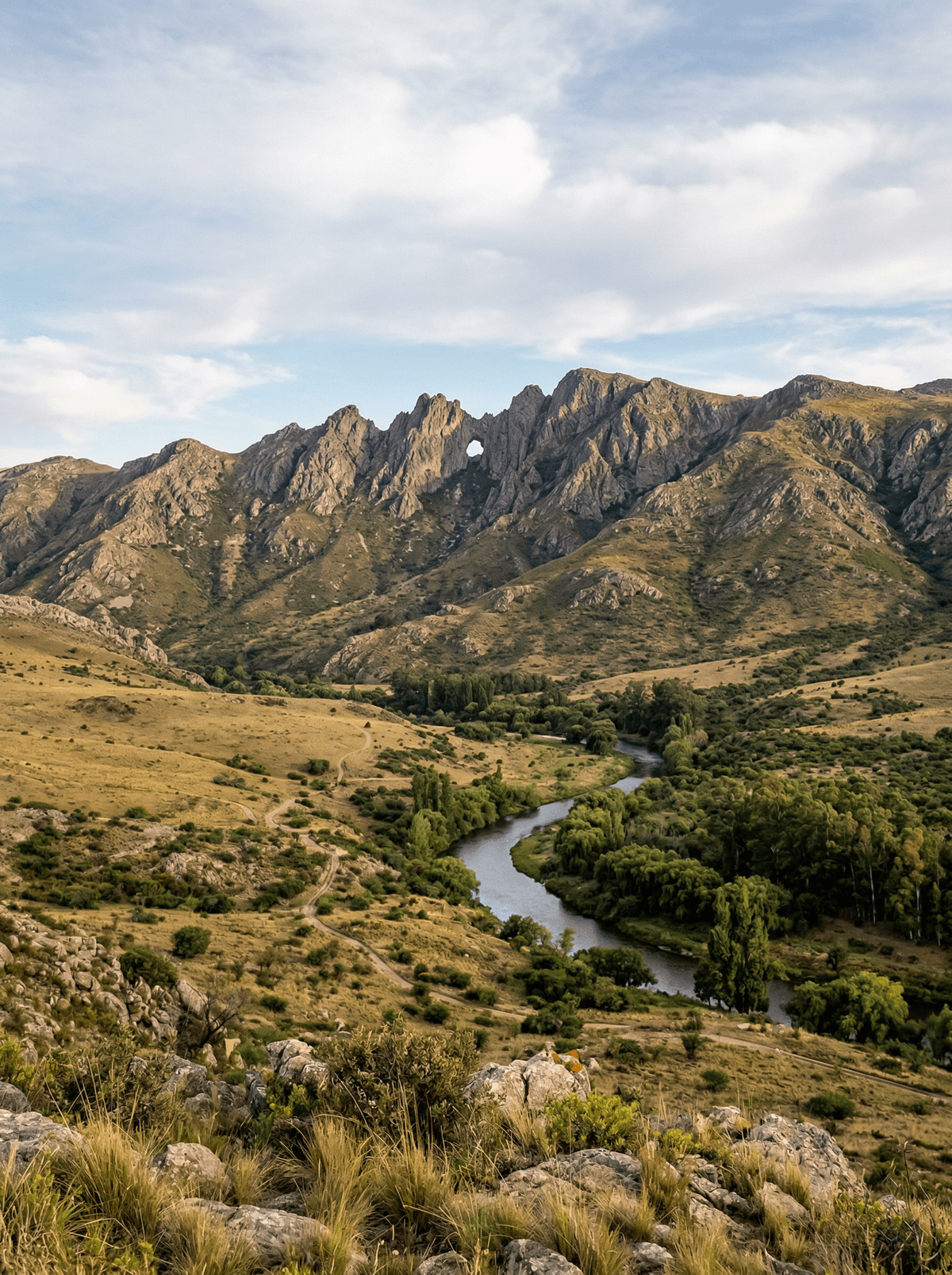
A natural window carved through a mountaintop by erosion, framing nothing but Pampean sky.
Cerro Ventana rises abruptly from the pampas floor with a natural window near its summit — an opening in the rock big enough to step through, framing the grassland horizon for tens of kilometres on a clear day. The window gave the peak its name, and the registered summit route to reach it is the most significant ascent in Buenos Aires Province. The hills around it are Palaeozoic quartzite, folded in deep time — not the sediment the pampas leads you to expect.
The Sistema de Ventania stands as an isolated massif over the grassland, Cerro Ventana at some 1,100 metres and Tres Picos — the province's roof — higher still. The window formed by differential erosion in the hard quartzite, and the climb to it runs through Ernesto Tornquist Provincial Park under current registration and weather checks, with a steep scree finish that earns trekking poles — this is not an unrestricted scramble. Below, the villages of Sierra de la Ventana and Villa Ventana keep a small-scale comarca life of cabañas, trout streams and cycling circuits, and the hills intercept westerly weather that greens the range beyond pampas norms. Lower protected walks spread the range across every fitness level, and multi-day trails thread the park's quartzite ridges and stream crossings.
Solo
Starting the registered route early and reaching the rock window as the sun climbs over the pampas horizon visible through it is the specific experience this range exists to provide — strenuous enough to feel earned.
Couple
Three hours from Buenos Aires, a trail above the grassland, and village evenings as far from the city as temperament requires — the capital's classic long-weekend escape.
Family
Lower protected walks and village parks suit younger children, while older ones can attempt the summit with its clear physical goal and the window as reward.
Friends
A registered summit day suits well-matched friends who settle pace and turnaround beforehand — then lamb and comarca wine in the village below.
- The summit window is a natural opening big enough to step through, sky on both sides.
- Ventania's quartzite has resisted erosion for hundreds of millions of years.
- Registered routes through Tornquist park run from modest walks to the full ascent.
- The abrupt rise from grassland makes the geographical transition visible in one day.
Post-hike asado of lamb or wild boar at a comarca table while the sierra cools at dusk.
Local cheese with Saldungaray wine or a craft beer — the comarca's documented flavours.
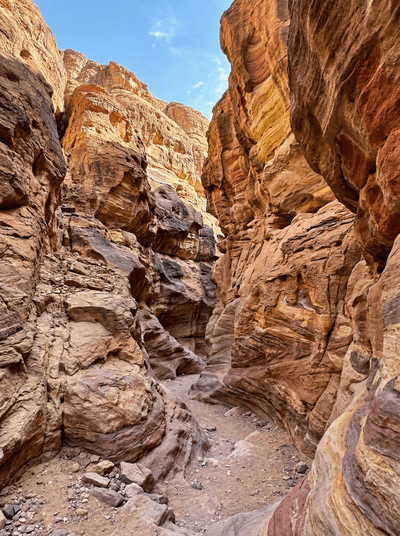
Coloured Canyon
Egypt
Sandstone walls rippling in rust, ochre, and violet, narrow enough to touch both sides.
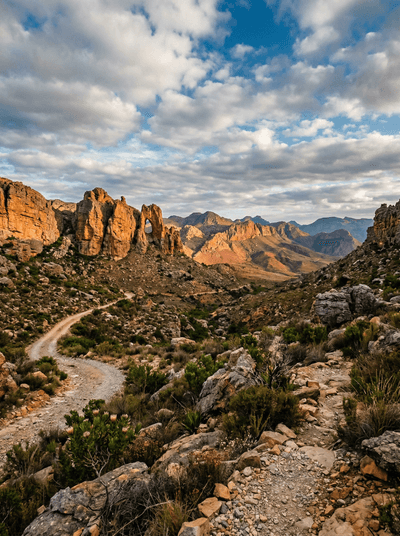
Cederberg
South Africa
Red sandstone arches hold the last heat while rooibos valleys fall into shadow.
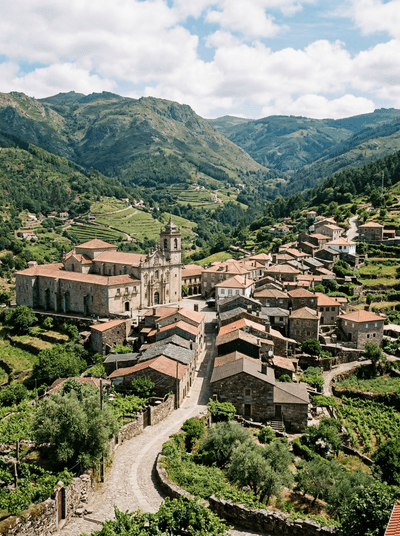
Arouca
Portugal
A 516-metre suspension bridge sways 175 metres above a gorge — Portugal's vertigo capital.
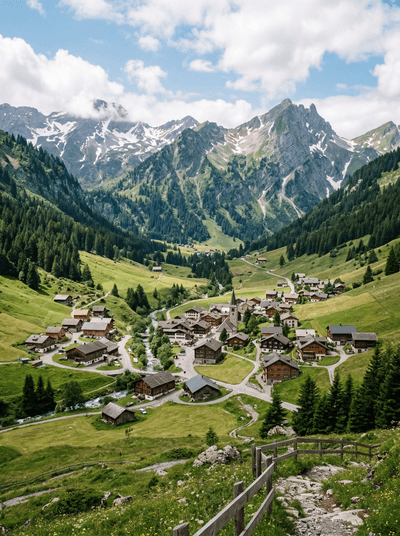
Malbun
Liechtenstein
A golden eagle flies beside you on the trail above Liechtenstein's only ski village.
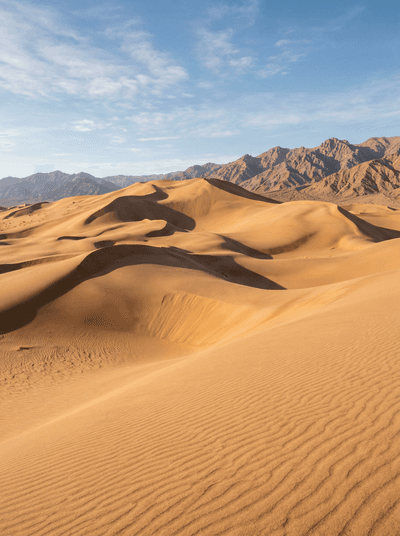
Dunas de Tatón
Argentina
Pale dunes surge against dark Andean foothills where the sand seems to climb the mountains.
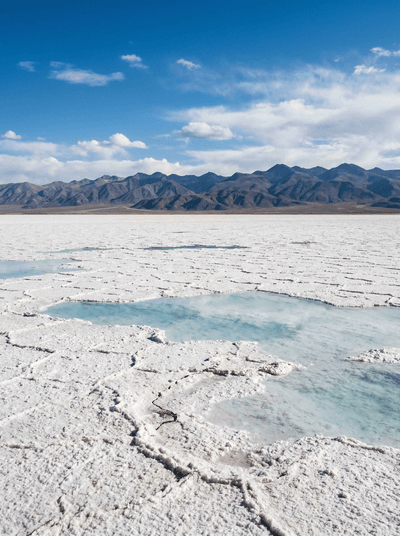
Salinas Grandes
Argentina
A salt flat so white it dissolves the horizon, cracked into hexagonal tiles.
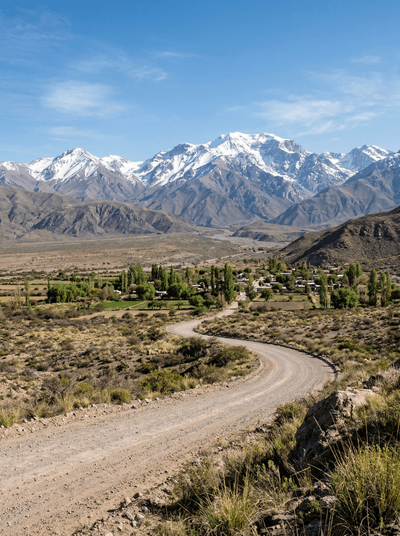
Barreal
Argentina
A dried lakebed so flat and white it doubles as a land-sailing course beneath the Andes.
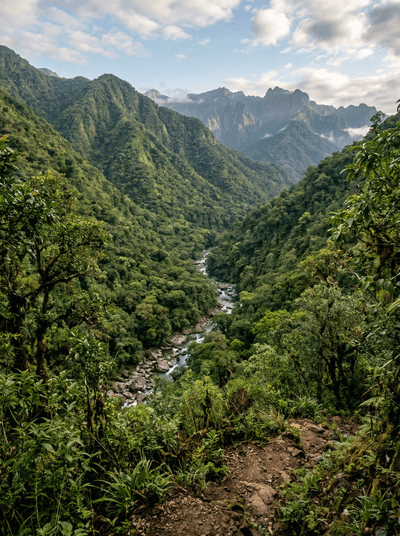
Parque Nacional Calilegua
Argentina
Cloud forest draped in moss where jaguars still prowl a jungle climbing from the Chaco.