
South Africa
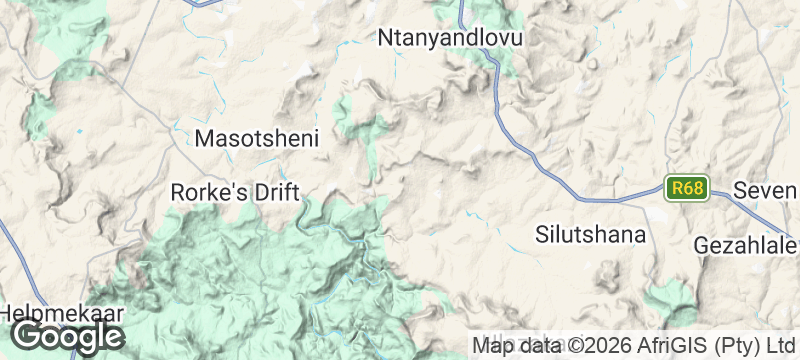
Isandlwana and Rorke's Drift
Two battlefields one day apart expose victory, defeat and imperial myth from opposite hills.
The sphinx-shaped Isandlwana ridge stands quiet above stone cairns scattered through grass. A few miles away, the walls of Rorke's Drift compress the next battle into a smaller frame.
These landscapes need a guide and a full day. Ridge, river and mission station preserve victory and defeat less than twenty-four hours apart. Moving between them makes the sequence, its human cost and the later imperial myth intelligible in a way no display case can.
Solo
Give each battlefield its own guided visit and enough quiet afterwards to read the ground; attempting both as photo stops flattens the history.
Friends
Book a specialist who can hold Zulu and British perspectives together, then use the evening meal to compare what each site changed in the story.
- Isandlwana and Rorke's Drift interpret connected events of January 1879.
- Stone cairns mark graves across the Isandlwana field.
- Museums and specialist guides provide essential historical context.
- The sites require enough time to understand Zulu and British perspectives.
Uphuthu with amasi, crumbly maize porridge with soured milk, is the everyday dish of the Zulu heartland.
Dombolo, steamed bread dumplings, arrive alongside grilled meat at Zulu tables across KwaZulu-Natal.
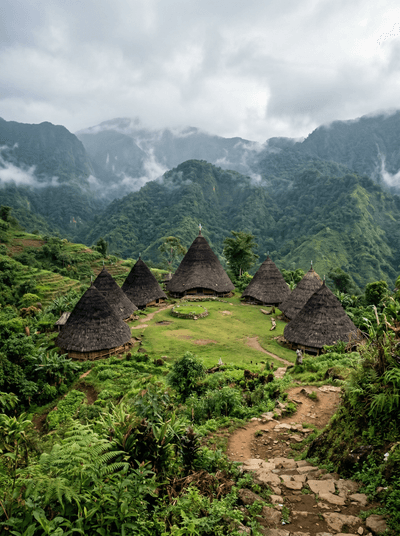
Wae Rebo
Indonesia
Seven thatched cones stand alone in a mountain clearing with cloud drifting through the village.
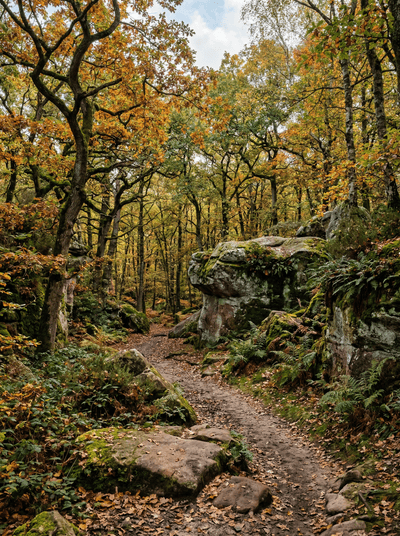
Forêt de Fontainebleau
France
Sandstone boulders erupting from an ancient forest floor where climbers outnumber the deer.
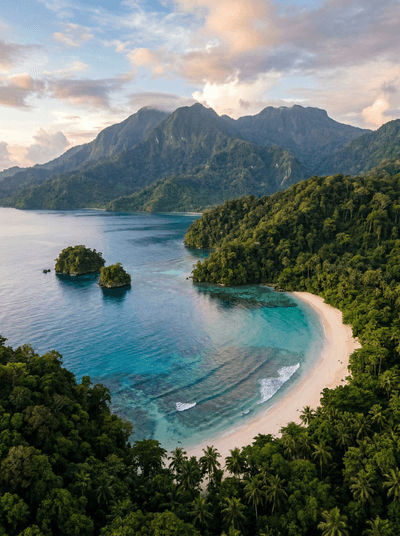
Seram Island
Indonesia
Maluku's mother island rises roadless from the coast, walked only with its hosts.
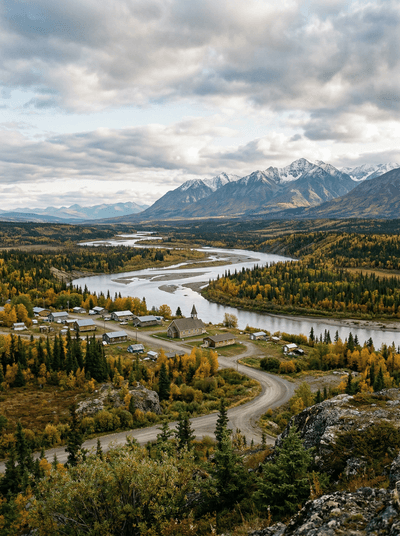
Gwichʼin Settlement Region
Canada
Caribou country and delta channels spread across the western Arctic's Gwich'in homeland.
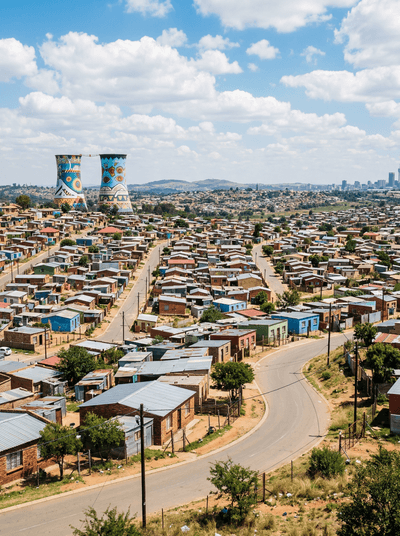
Soweto
South Africa
One Soweto street holds two Nobel homes beside music, memory and kota smoke.
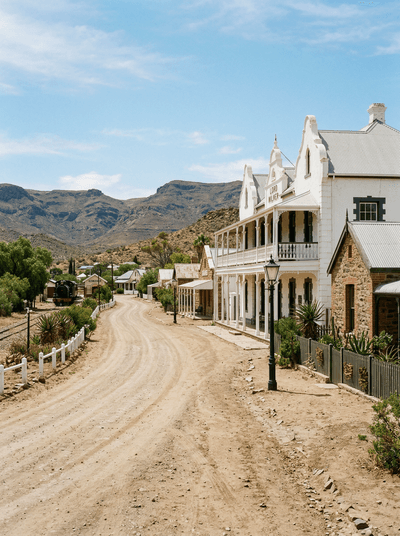
Matjiesfontein
South Africa
A Victorian railway village keeps its red postbox, pub piano and desert silence.
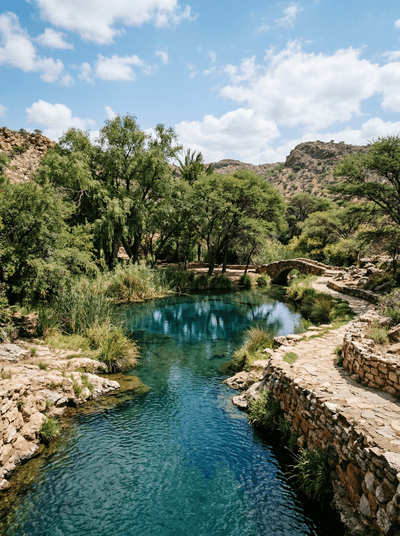
Kuruman
South Africa
Twenty million litres rise daily from Kalahari rock, filling a clear pool in town.