South Africa
iSimangaliso Wetland Park
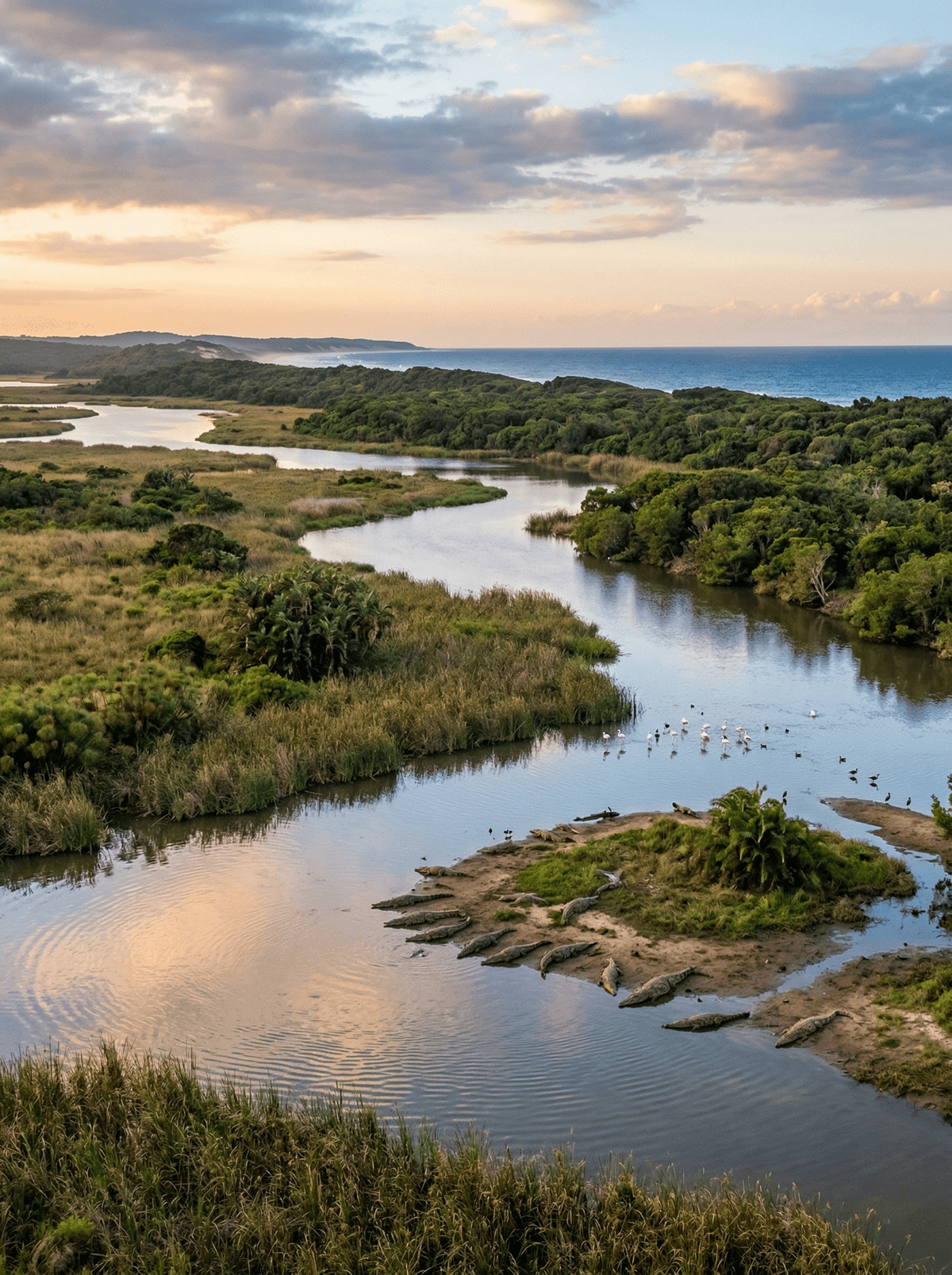
Hippos surface in an estuary beside dune forest, beaches and reefs on one protected coast.
At sunset, hippos breathe across water shadowed by dune forest while ocean surf sounds beyond it. Morning reveals the contradiction: estuary, beaches, reefs and sand forest held inside one park.
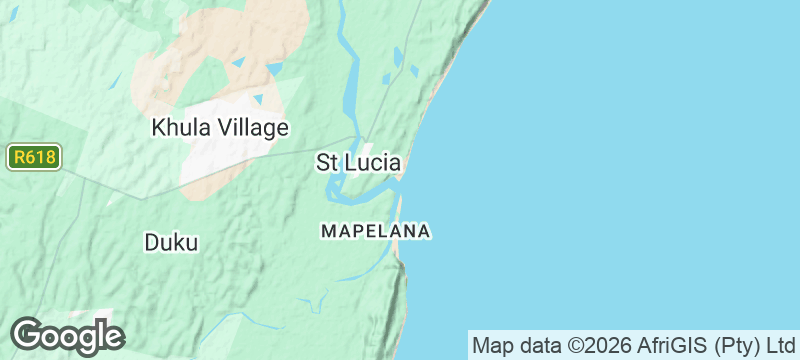
The St Lucia estuary is only one door into iSimangaliso. Add a dune or coastal section and different waters, habitats and wildlife begin to connect along one protected edge. Several days reveal why a wetland park can also contain reefs, beaches and sand forest.
Couple
Link an estuary boat with one dune-coast section, then return to St Lucia for fish and leave the park’s other units for another day.
Family
Hippos from a boat, a beach stop and short boardwalks give distinct habitats without long walks; choose sections that fit the children’s stamina.
Friends
Divide the park across several days: estuary, eastern shore and a wildlife section. Treat seasonal turtles or whales as conditional additions.
- iSimangaliso links lake, estuary, dune, reef and marine ecosystems.
- The park stretches across multiple distinct visitor sections.
- Turtle nesting and whale movement are seasonal.
- St Lucia provides boat access and a practical base.
Linefish over coals is the St Lucia evening, cooked while hippos graze the village verges after dark.
Amasi and uphuthu remain the staples of the Zululand villages around the park.
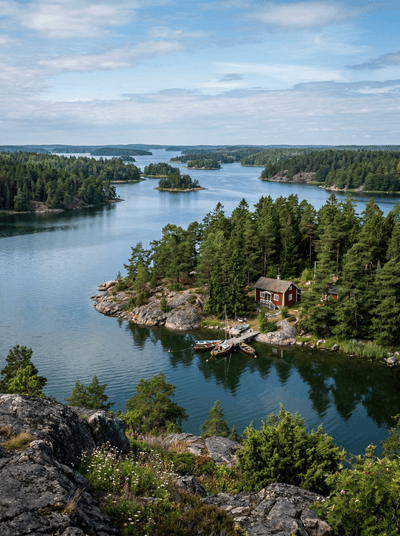
Stockholm Archipelago
Sweden
Thirty thousand islands dissolving into the Baltic, each with its own jetty and swimming rock.
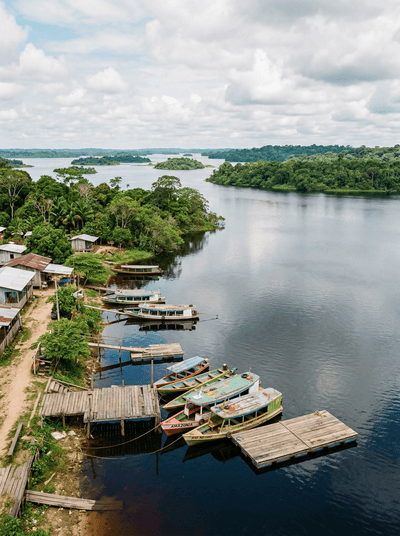
Novo Airão
Brazil
In tea-dark water, pink dolphins take chilled fish from staff hands; you may touch, never feed.
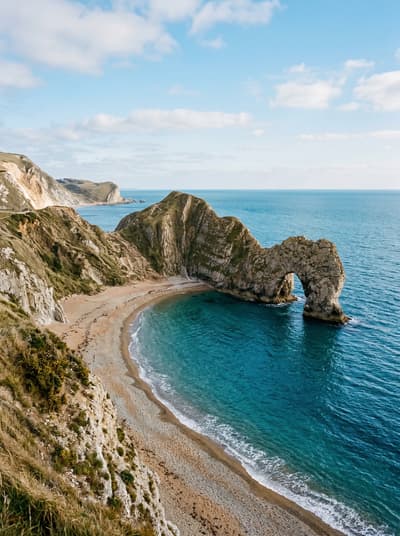
Durdle Door
England
A limestone arch punched through the cliff by the sea, framing nothing but blue horizon.
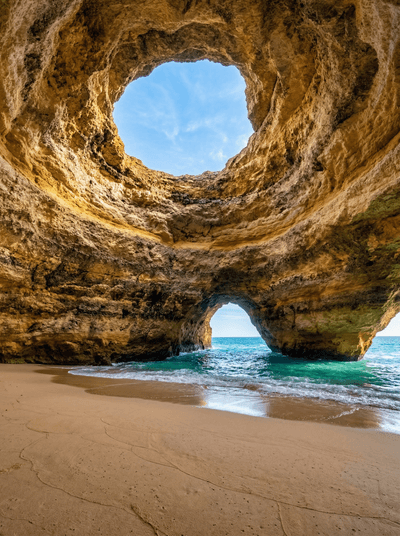
Benagil
Portugal
A sea cave with a collapsed dome ceiling, sunlight pouring onto a hidden beach below.
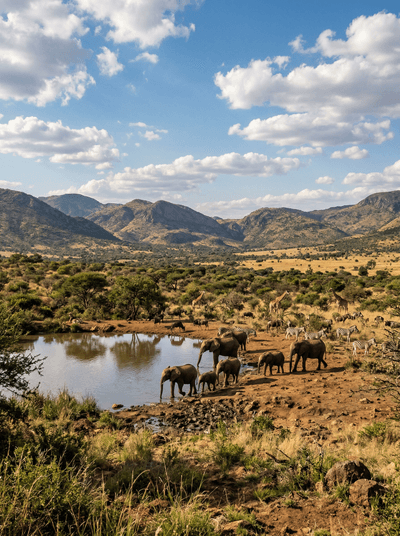
Pilanesberg National Park
South Africa
Elephants and lions move through the eroded rings of an ancient volcano.
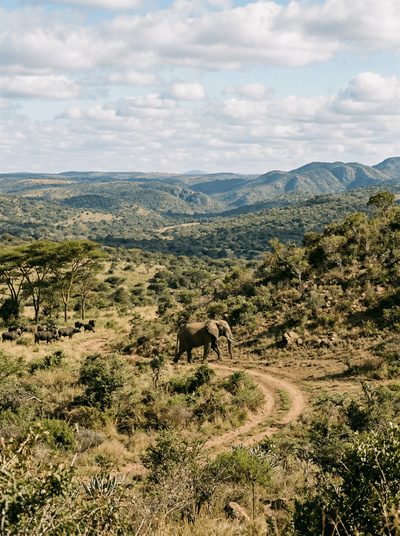
Hluhluwe-iMfolozi Park
South Africa
White rhino cross thornveld where a landmark conservation programme rebuilt their population.
Kruger National Park
South Africa
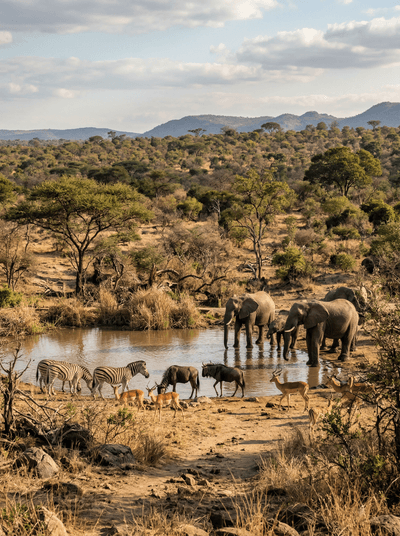
A leopard crosses the road at dusk while the bush changes shift around the car.
Addo Elephant National Park
South Africa
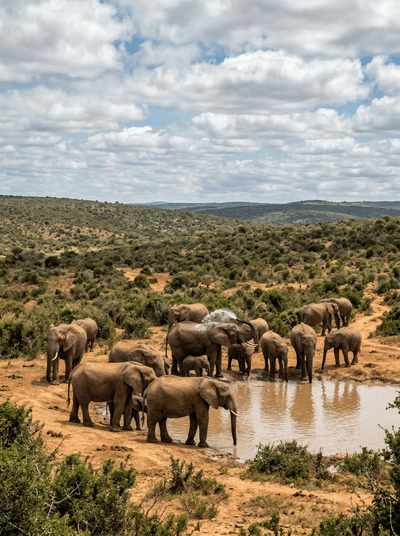
Elephants gather at a dust-ringed waterhole close enough to hear each breath.