South Africa
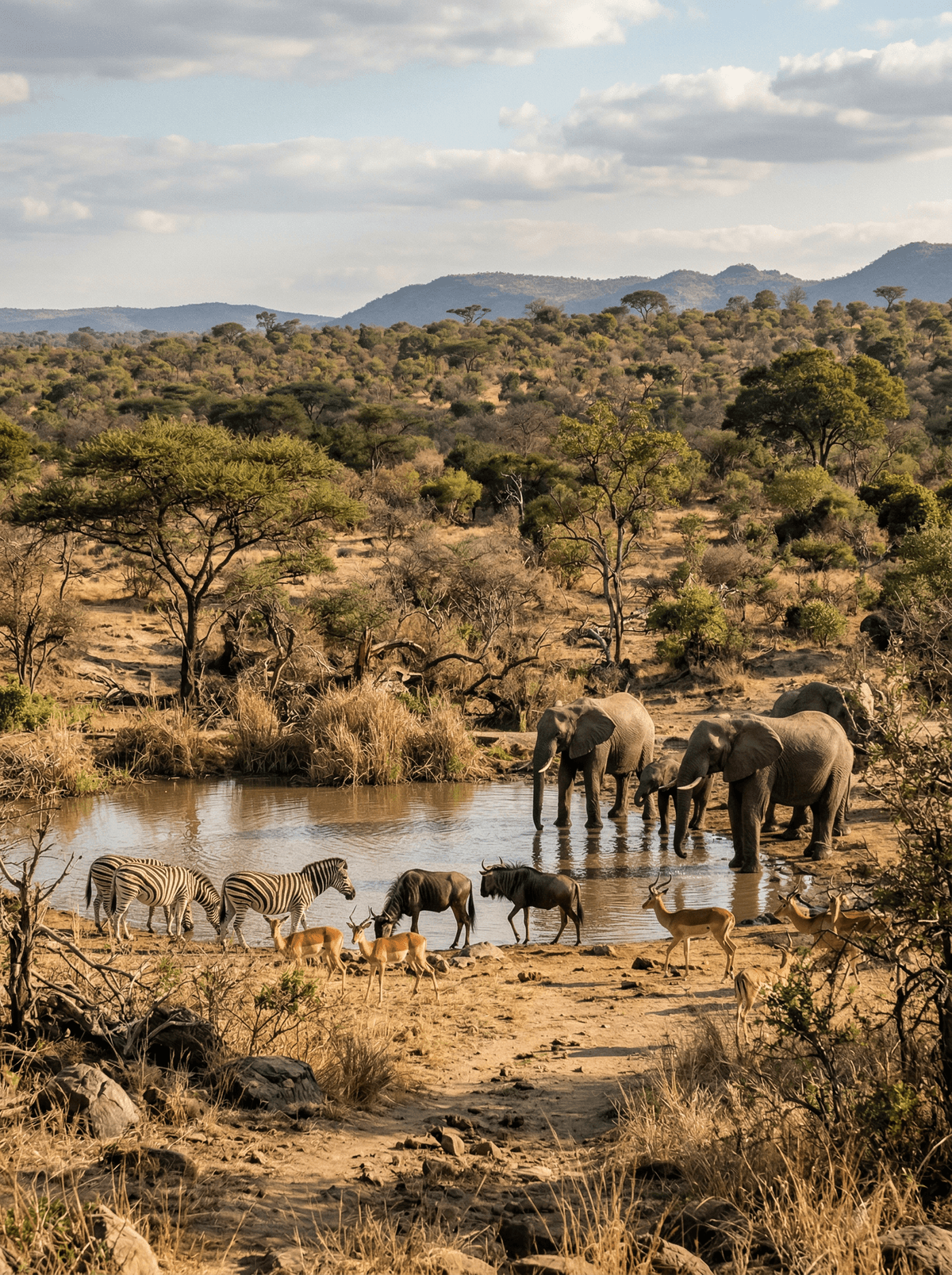
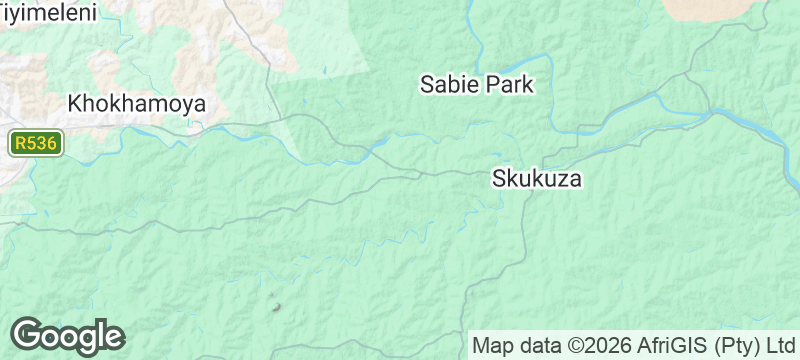
Kruger National Park
A leopard crosses the road at dusk while the bush changes shift around the car.
Heat drains from the savanna and the first night calls carry beyond the camp fence. The last vehicles turn towards camp while darkness makes every waterhole sound occupied.
Kruger rewards repetition rather than a species checklist. One region slowly learned through its waterholes and loops becomes richer than a race between famous camps. Stay out for the light changes that make the same road feel different each time.
Couple
Choose two neighbouring camps, then let waterholes and sightings decide each slow loop instead of crossing the park daily.
Family
Short drives around one rest camp, pool time and reliable meal stops work better than keeping children in the car from gate opening to close.
Friends
Rotate drivers and spotters, carry breakfast and commit to one region. Patient loops reveal more than a race between famous camps.
- Kruger has a vast road network for independent game viewing.
- Dry May-to-September conditions usually improve wildlife visibility.
- The park spans several ecological zones and needs multiple days.
- SANParks rules govern safe viewing and camp movement.
The braai is Kruger's evening ritual: coals inside the fence while the bush wakes beyond it.
Biltong and rusks are the self-drive rations of every Kruger loop.
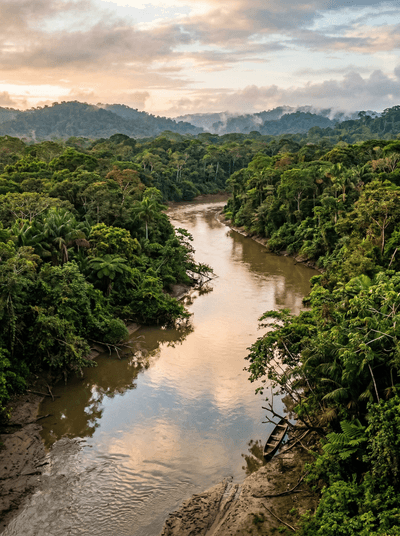
Tambopata
Peru
Macaw clay licks where whole flocks descend at dawn to eat the riverbank.
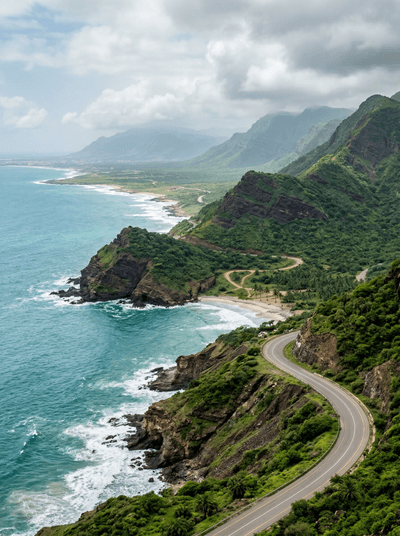
Salalah
Oman
Frankincense smoke, coconut palms and monsoon-softened hills meet beside the Arabian Sea.
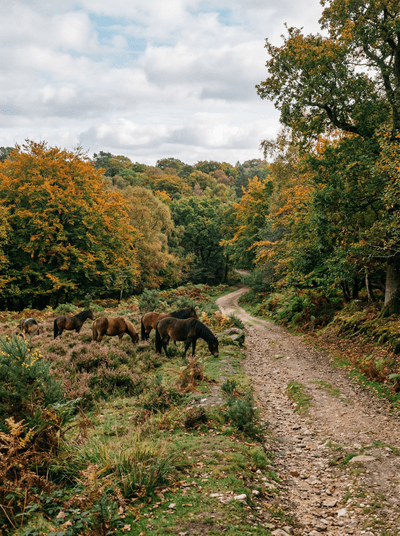
The New Forest
England
Wild ponies drift through ancient woodland where Norman kings once hunted deer.
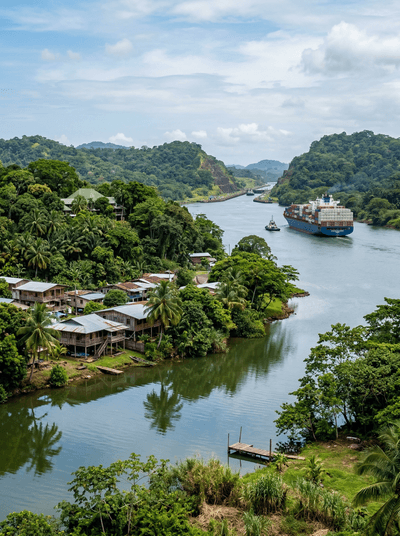
Gamboa
Panama
A rainforest town where ocean-going ships glide silently between the trees.
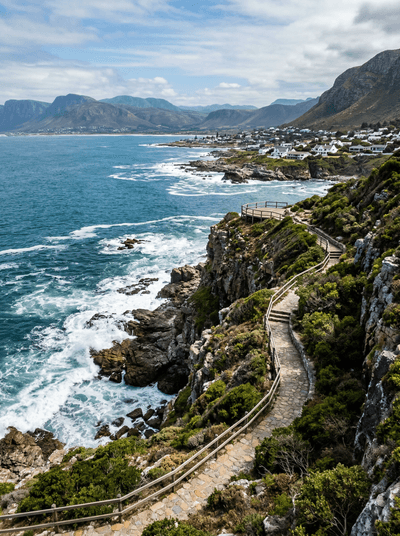
Hermanus
South Africa
Southern right whales surface five metres from shore beside a cliff path through town.
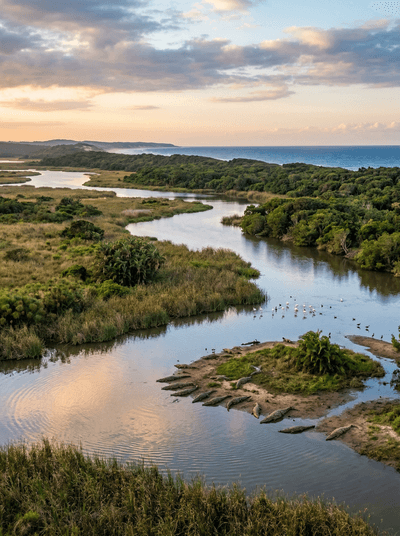
iSimangaliso Wetland Park
South Africa
Hippos surface in an estuary beside dune forest, beaches and reefs on one protected coast.
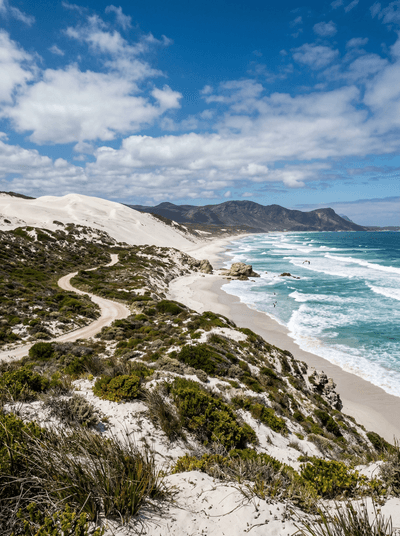
De Hoop Nature Reserve
South Africa
Whales roll beyond white dunes while eland move through the fynbos behind you.
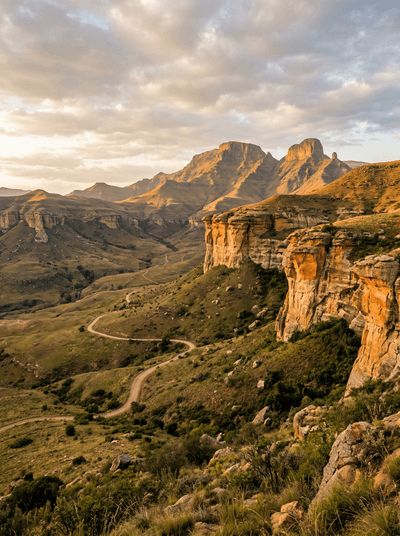
Golden Gate Highlands National Park
South Africa
Sandstone walls flare gold above grassland where black wildebeest graze.