Panama
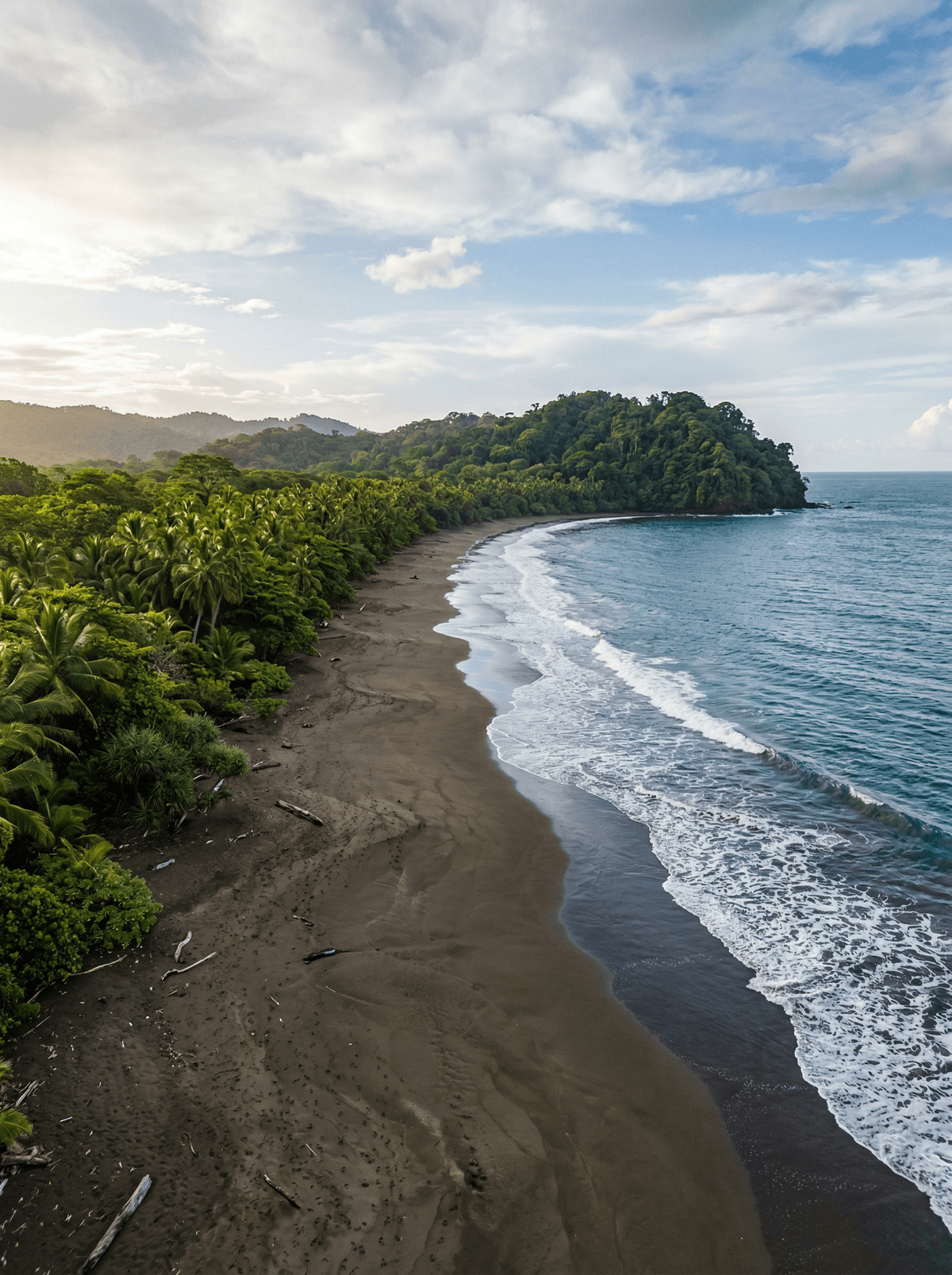
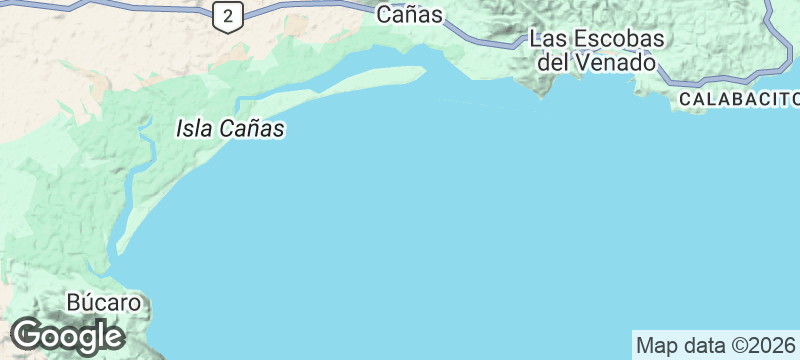
Isla Cañas
On arribada nights, thousands of olive ridley turtles haul ashore in one mass arrival.
The guide's light catches one shell breaking the sand, then another, then dozens, and suddenly the whole beach is moving. Isla Cañas, off the Azuero Peninsula, is one of Panama's principal arribada beaches, where olive ridley turtles arrive to nest in their thousands.
Arribada means arrival, and here it is meant at scale: mass nestings of olive ridleys between July and November, part of the 20,000 to 30,000 turtles that come to the island to lay each year, making this Panama's most important Pacific nesting site. Five species use the beach in all: olive ridley, Pacific green, loggerhead, leatherback and hawksbill. The island is reached by boat through a muddy mangrove channel, and its village of roughly 900 people supplies the guides and much of the protection, walking the tide line at night to read fresh tracks. Nothing is staged and nothing is guaranteed; the turtles answer to tide, weather and season, and that refusal to perform is what makes a heavy night unforgettable.
Couple
A moonlit beach walk among nesting turtles, guided by torchlight and surf sound, is a shared night that outlasts every resort memory.
Solo
The village-run rhythm suits a traveller happy with simple lodging and honest hospitality, in a place where tourism barely raises its voice.
Friends
The boat over, the night patrol and a shared island dinner make an expedition-shaped weekend for a group that prefers wonder to poolsides.
Family
Children who can walk sand quietly at night may watch a turtle lay or hatchlings run for the water, with local guides positioning everyone kindly.
- Isla Cañas is one of Panama's principal arribada sites, where olive ridleys arrive in mass nestings of thousands.
- The refuge is Panama's most important Pacific turtle nesting site, drawing 20,000 to 30,000 turtles a year.
- Five turtle species visit the island: olive ridley, Pacific green, loggerhead, leatherback and hawksbill.
- A village of about 900 people shares the island, many working to protect the turtles; arrival is by boat through the mangroves.
At the island restaurant, dinner means the pesca del día, whatever the night tide handed the fishermen.
Claim patacones alongside, green plantain flattened and fried crisp, the side that earns its place.
Song-Köl
Kyrgyzstan
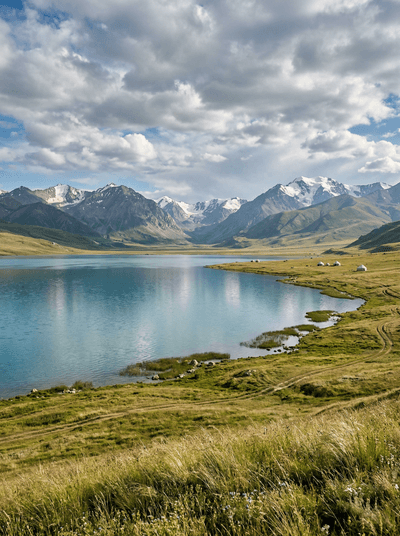
Nomad yurts circling a lake at 3,000 metres where the only sound is wind through grass.
Patara
Turkey
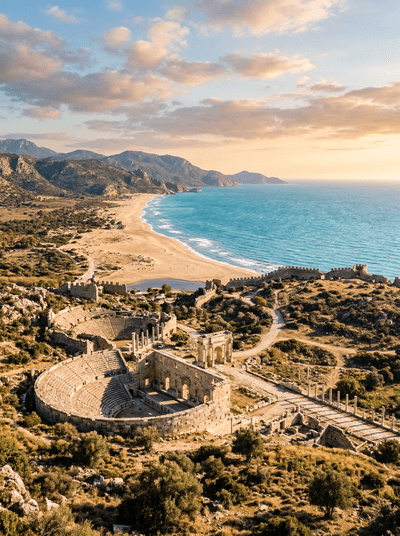
Kilometres of empty sand where loggerhead turtles nest beside half-buried Lycian ruins.
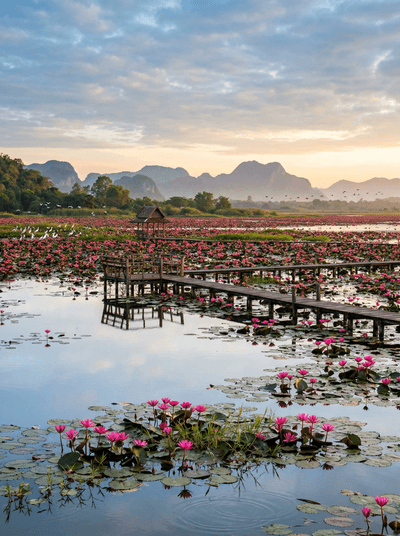
Thale Noi
Thailand
Water buffalo swimming through seas of pink lotuses while giant dip nets plunge.
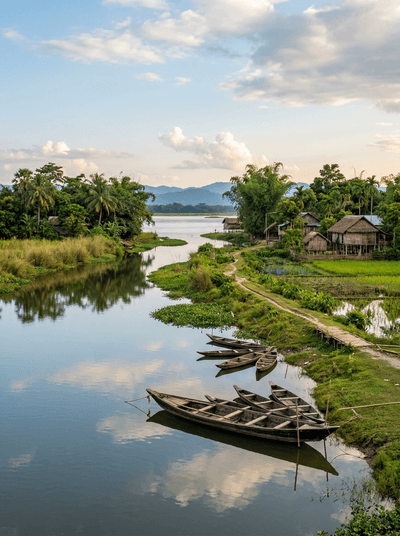
Majuli
India
A disappearing river island where monks perform centuries-old masked dances in bamboo monasteries.
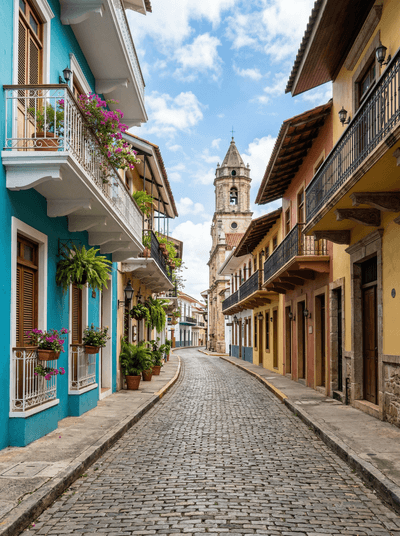
Casco Viejo
Panama
Crumbling colonial balconies where jazz drifts over a skyline of glass towers.
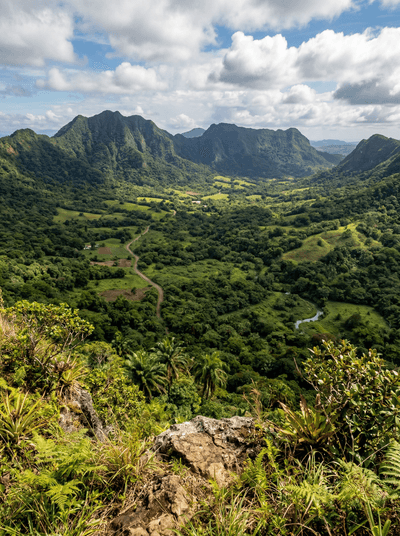
El Valle de Antón
Panama
A whole town spreads across the floor of an extinct volcano's crater.
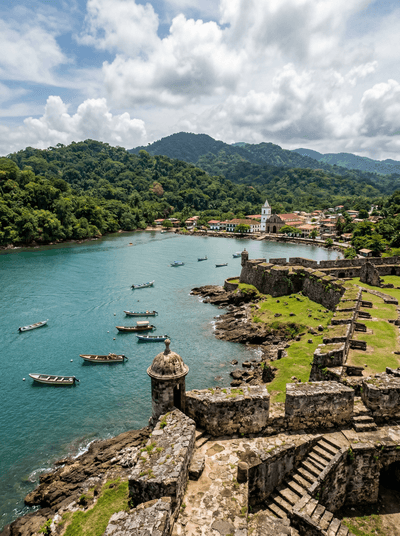
Portobelo
Panama
Rusting cannons guard the harbour where Spanish galleons loaded Potosí's silver for Spain.
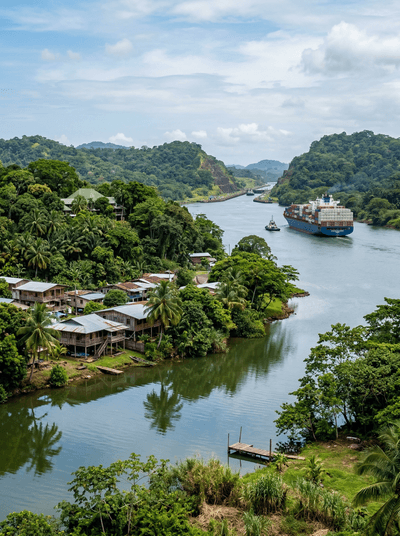
Gamboa
Panama
A rainforest town where ocean-going ships glide silently between the trees.