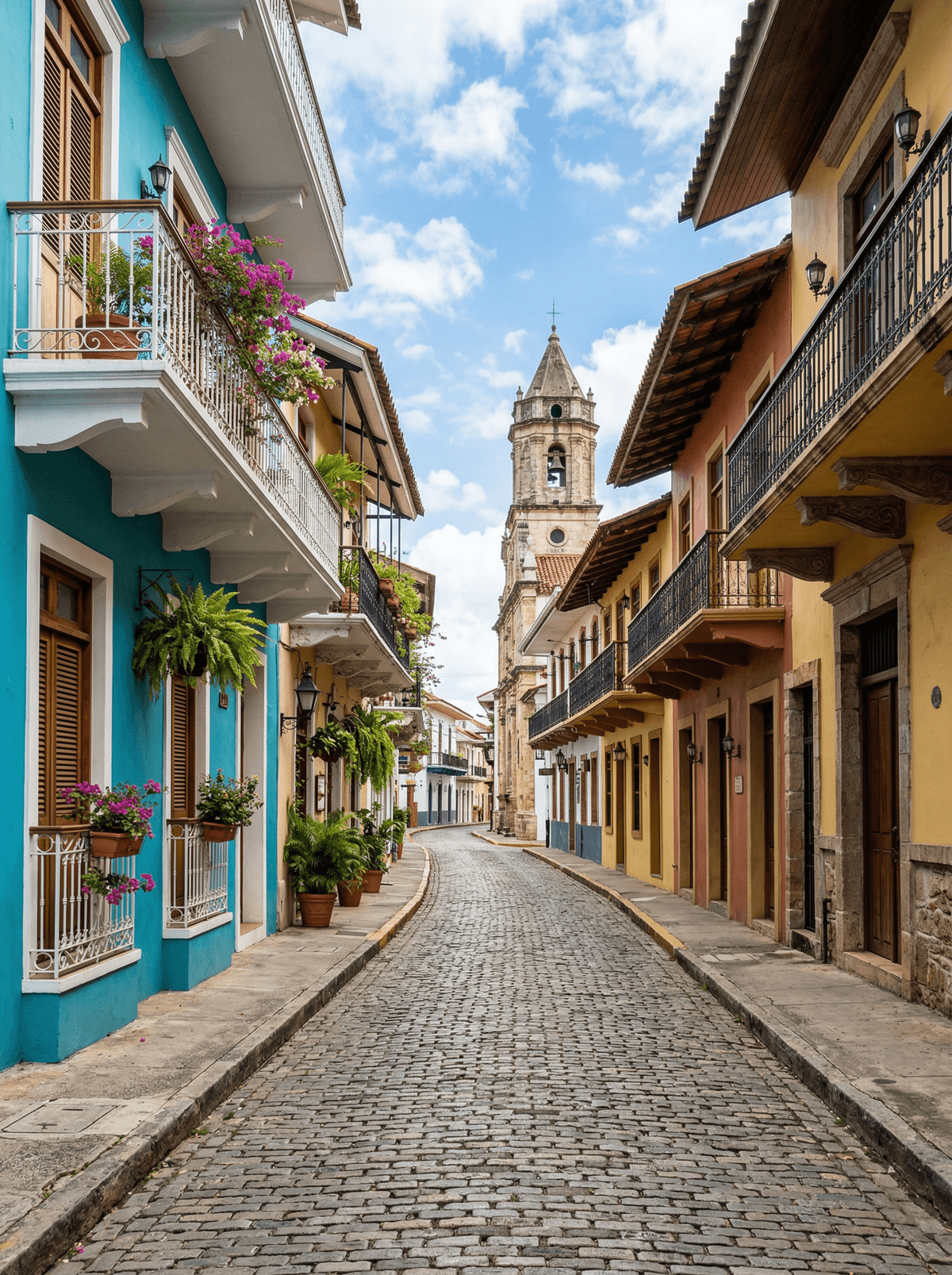
Panama
Casco Viejo
Crumbling colonial balconies where jazz drifts over a skyline of glass towers.
The evening air here carries two sounds at once: a saxophone riff from a courtyard club and the horn of a ship swinging toward the canal. Peeling colonial facades stare across the bay at the glass towers of the banking district, and only a curve of water separates the two skylines.
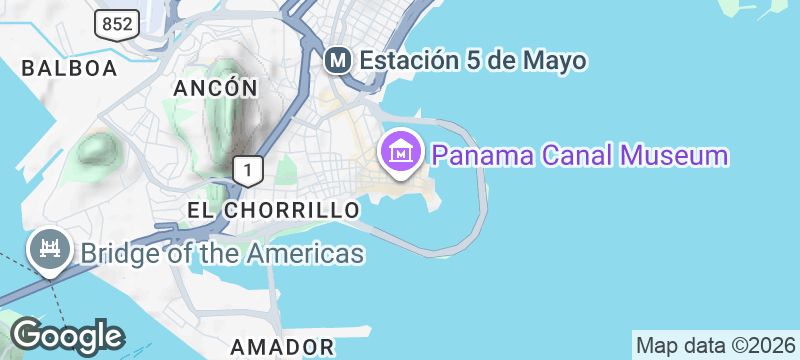
Panama City moved here in 1673, after pirates razed the first settlement further north, and the walled peninsula it rebuilt is UNESCO-listed today. In the ruined convent of Santo Domingo, a flat brick arch stood for three centuries without metal support; engineers cited it during canal negotiations as evidence the isthmus barely shakes, so a humble arch helped decide where the Panama Canal was dug. Grammy-winning pianist Danilo Pérez grew up in these streets, lent his name to an intimate 60-seat jazz club entered through a plant-hung courtyard off Plaza Herrera, and helped launch the jazz festival that draws musicians to the city every January. Walk the Paseo Esteban Huertas along the old sea wall and the whole story is visible at once: church towers, ships waiting for the canal, and the glass city the old one became.
Solo
The compact grid is made for wandering alone between museums and plazas, and a counter seat at a café or a ticket to the jazz club fills the evening without any planning.
Couple
Time the sea-wall walk for sunset, then follow the music: candlelit courtyards, rooftop bars and live jazz sit within a few unhurried blocks of each other.
Friends
Rooftop bars, craft breweries and late-opening music rooms cluster so tightly that a group can drift through a whole night out on foot.
Family
Pirate history is everywhere children can touch it, from the defensive sea wall to the cannon-guarded plazas, with shaded squares and museum stops for the hottest hours.
- Panama City rebuilt here in 1673 after pirates destroyed the first city, and the peninsula's churches and plazas are UNESCO-listed.
- Grammy-winner Danilo Pérez grew up in the quarter, and the 60-seat jazz club named after him added salsa and tango nights to its jazz programme.
- The Paseo Esteban Huertas sea-wall walk frames ships queuing for the canal against the modern skyline across the bay.
- In the Santo Domingo ruins, a flat brick arch that stood unsupported for three centuries was cited as proof Panama was stable enough for a canal.
Order the whole fried sea bass at a counter seat in Café Coca-Cola on Plaza Santa Ana, the old meeting place of politicians and revolutionaries.
El Nacional on Plaza Catedral fries red snapper in escabeche and stuffs carimañolas with cassava; finish with the traditional pudding mamallena.
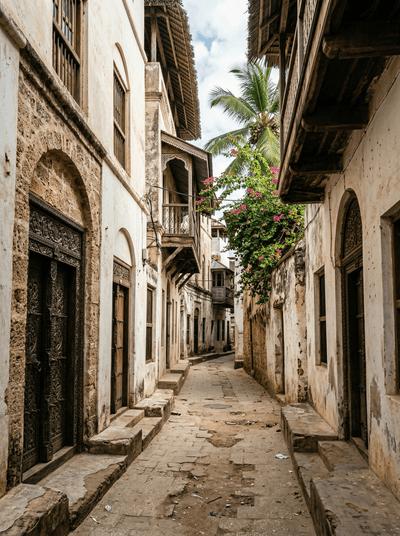
Lamu Old Town
Kenya
Donkeys replace cars on coral-stone lanes where Swahili doors tell centuries of family history.
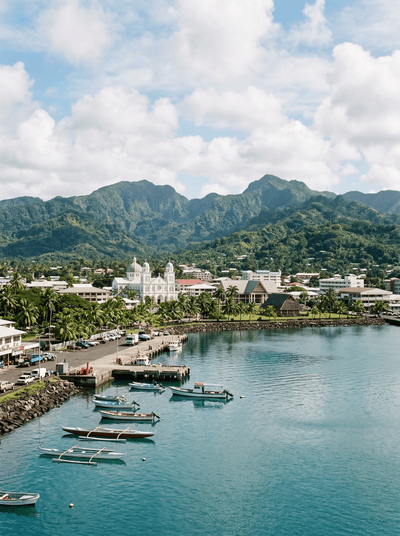
Apia
Samoa
Samoa's capital wakes to a police band marching the waterfront for the flag-raising.
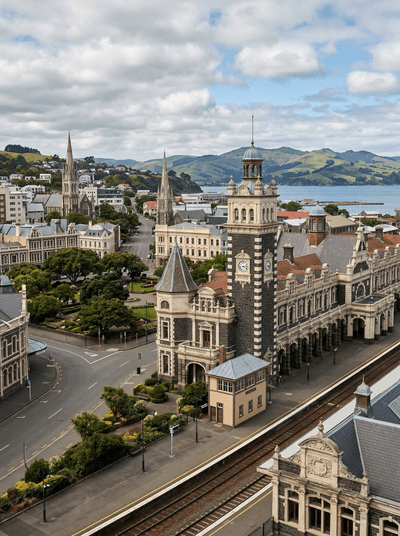
Dunedin
New Zealand
A Scottish-built city with the world's steepest street and albatrosses on the headland.
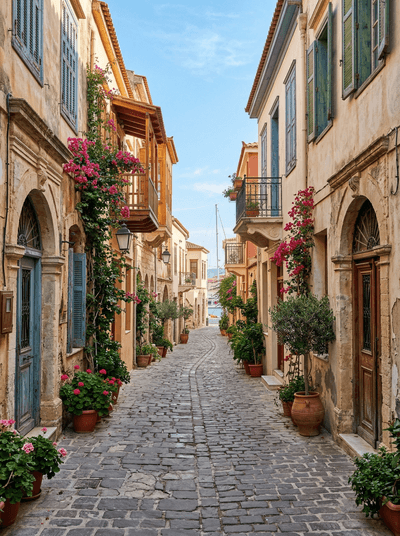
Chania Old Town
Greece
A Venetian harbour glowing at dusk where lighthouse and minaret share the skyline in tangerine light.
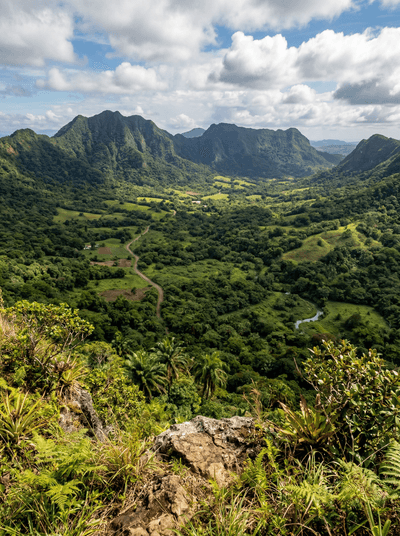
El Valle de Antón
Panama
A whole town spreads across the floor of an extinct volcano's crater.
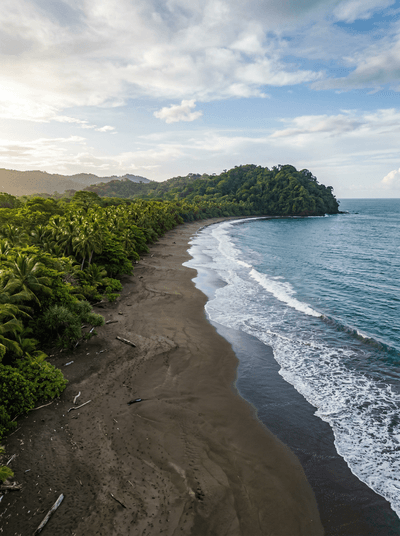
Isla Cañas
Panama
On arribada nights, thousands of olive ridley turtles haul ashore in one mass arrival.
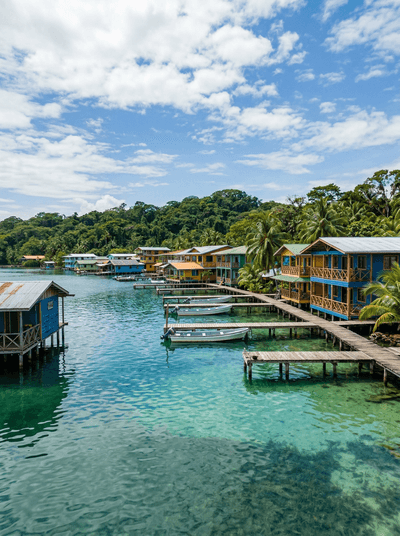
Bocas del Toro
Panama
Over-water bungalows on a Caribbean archipelago where sloths drift through mangrove canopies.