Costa Rica
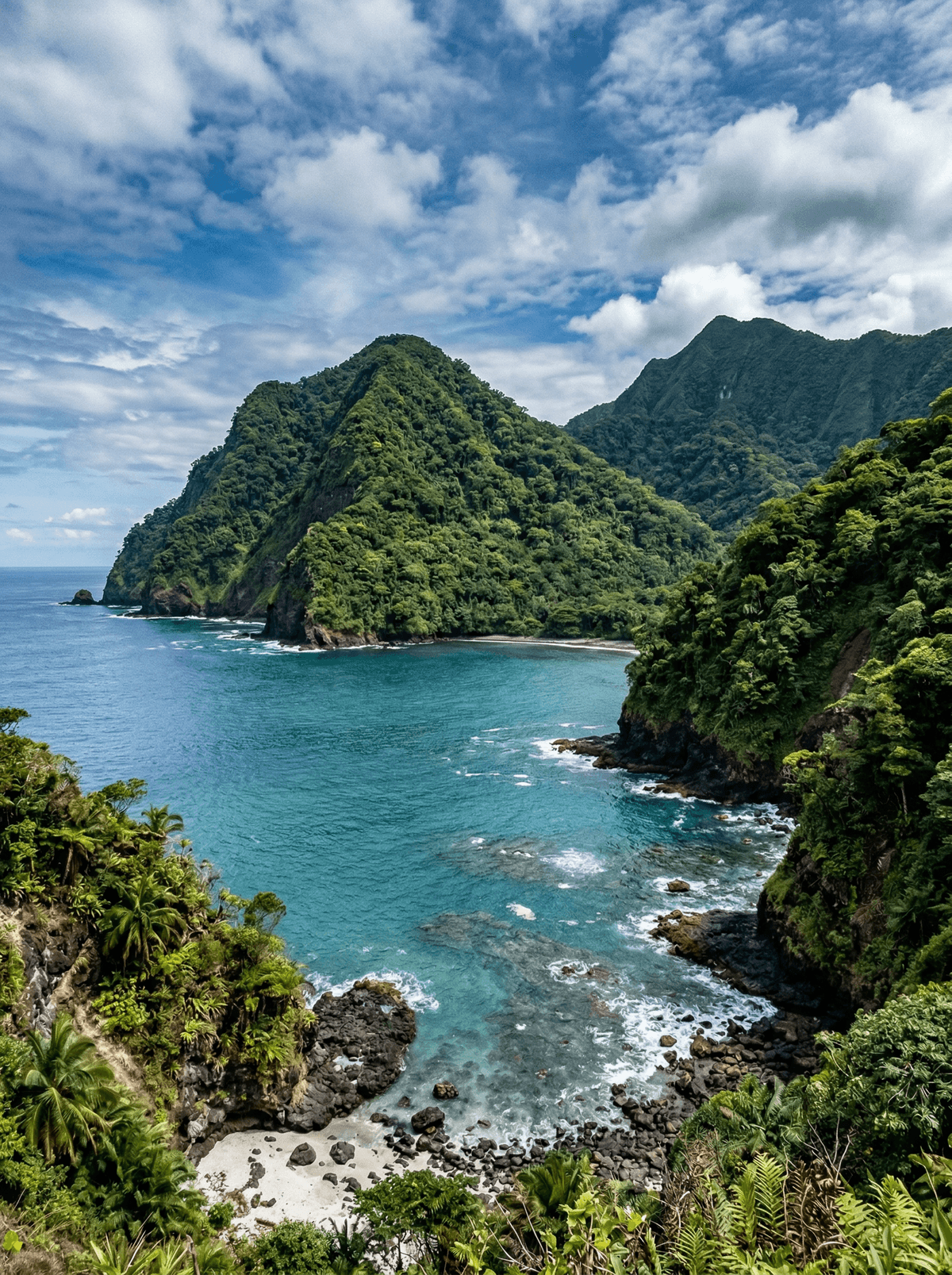
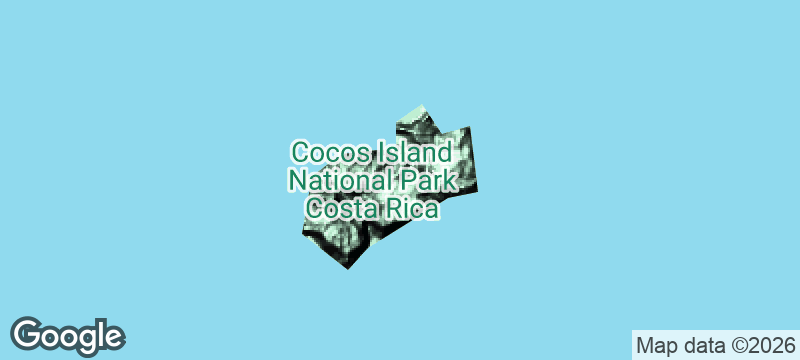
Isla del Coco
Thirty-six hours by boat to an uninhabited island where hammerhead sharks school in hundreds.
The first thing you notice is the silence — 550 kilometres of open Pacific between you and the nearest land, nothing but the creak of the liveaboard and the deep blue dropping away beneath the hull. Then you descend, and the silence fills with hammerheads. Hundreds of scalloped hammerhead sharks circle the seamounts of Isla del Coco in Costa Rica, their silhouettes darkening the water column like slow-moving storm clouds.
Isla del Coco is a UNESCO World Heritage Site and one of the most remote inhabited islands in the Eastern Pacific. The 36-hour voyage from Puntarenas delivers divers to a volcanic island with no permanent residents, no airstrip, and no accommodation on land. Jacques Cousteau documented the island's underwater life in the 1990s, and the dive sites bearing his name remain benchmarks for pelagic encounters. Whale sharks, manta rays, tiger sharks, and dense schools of silver jacks share the same water on a single dive. Above the surface, the island's waterfalls plunge directly into the sea through jungle that has never been cleared.
Solo
Ten days on a liveaboard with a rotating crew of divers strips away everything except the ocean. This is the kind of solitary immersion that resets a person.
Friends
A liveaboard trip with a tight group becomes a shared expedition — three dives a day, galley meals, and evenings spent reviewing footage of what swam past you.
- The island sits 550km from the mainland — reachable only by a 36-hour live-aboard dive vessel — and no overnight land-based accommodation exists.
- Scalloped hammerhead sharks school in groups of hundreds around the seamounts here — one of the only places on Earth where this occurs predictably.
- Jacques Cousteau called Isla del Coco 'the most beautiful island in the world' — the dive sites named after him remain the benchmark for Pacific pelagic diving.
- Whale sharks, manta rays, tiger sharks, and silver jack schools share the same water column on a single dive — biodensity unmatched in the Eastern Pacific.
Meals served on the liveaboard dive boat — fresh-caught tuna sashimi between three daily dives.
No restaurants, no shops — just the galley cook and whatever the Pacific provides.
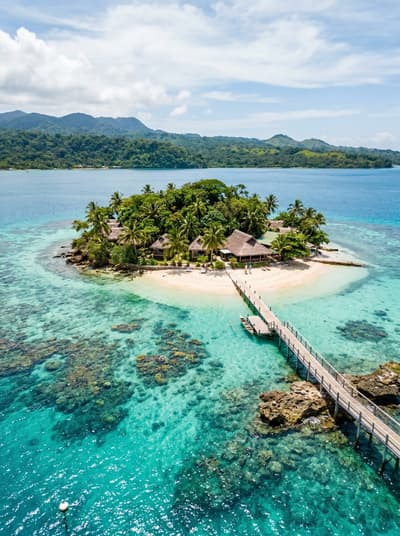
Hideaway Island
Vanuatu
Post a waterproof postcard from the world's only underwater post office, then snorkel its coral reef.
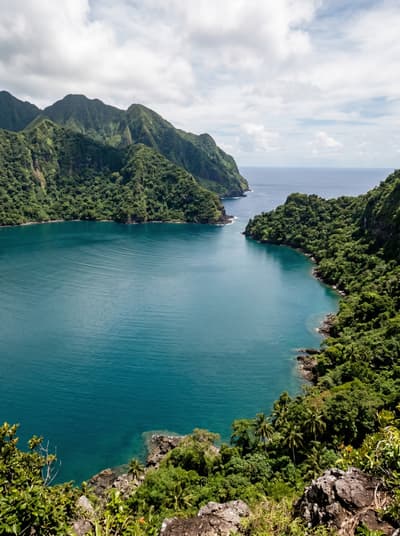
Ureparapara
Vanuatu
Sail into the flooded crater of a horseshoe-shaped volcanic island where fewer than 500 people remain.
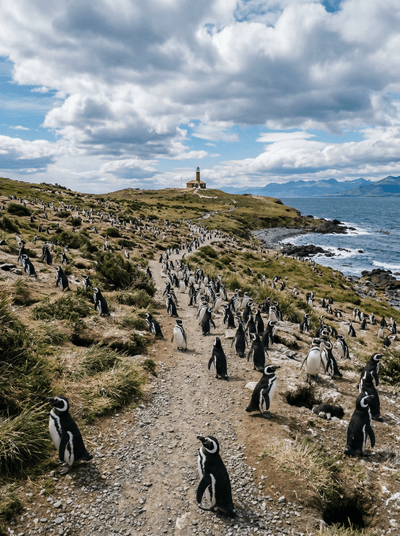
Isla Magdalena
Chile
Magellanic penguins in their tens of thousands, nesting so close you walk through their colony.
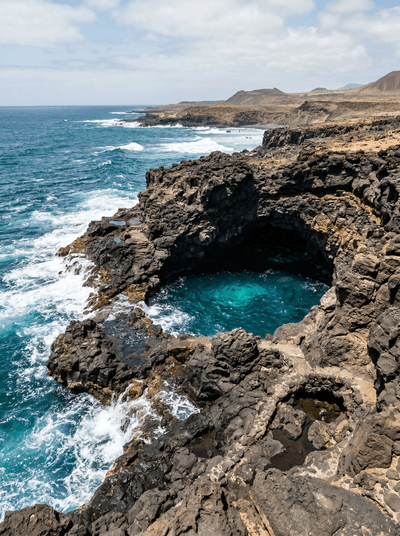
Buracona
Cape Verde
At midday, sunlight plunges through volcanic rock and ignites an underwater cave into electric blue.
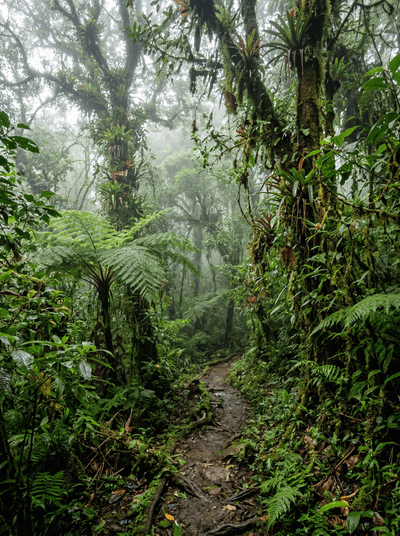
Monteverde Cloud Forest Reserve
Costa Rica
Mist so thick it beads on your eyelashes, orchids breathing in the canopy above.
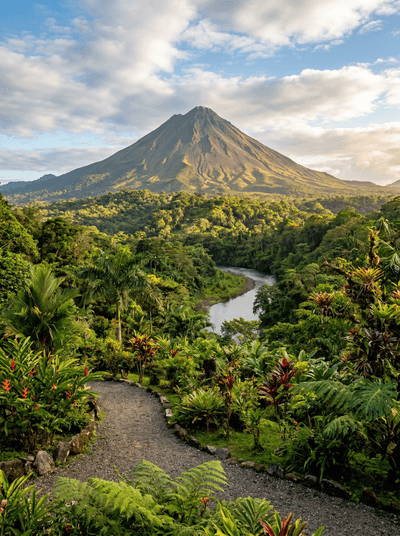
Arenal & La Fortuna
Costa Rica
Hot springs steaming through jungle beneath a volcano's perfect cone at dusk.
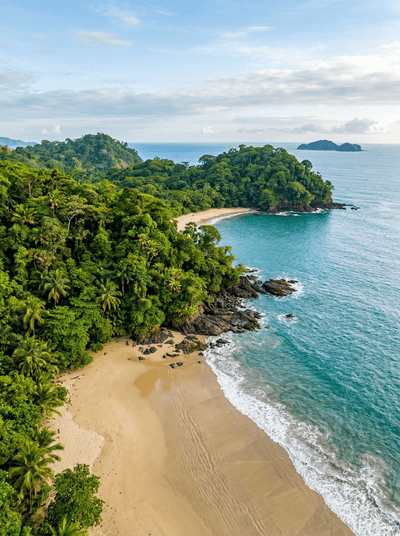
Manuel Antonio
Costa Rica
White-faced capuchins raid your beach towel while three-toed sloths doze overhead.
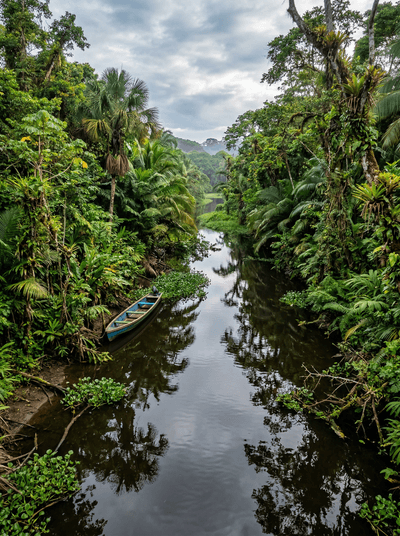
Tortuguero
Costa Rica
Jungle canals where green sea turtles haul onto black volcanic sand under a moonless sky.