Costa Rica
Manuel Antonio
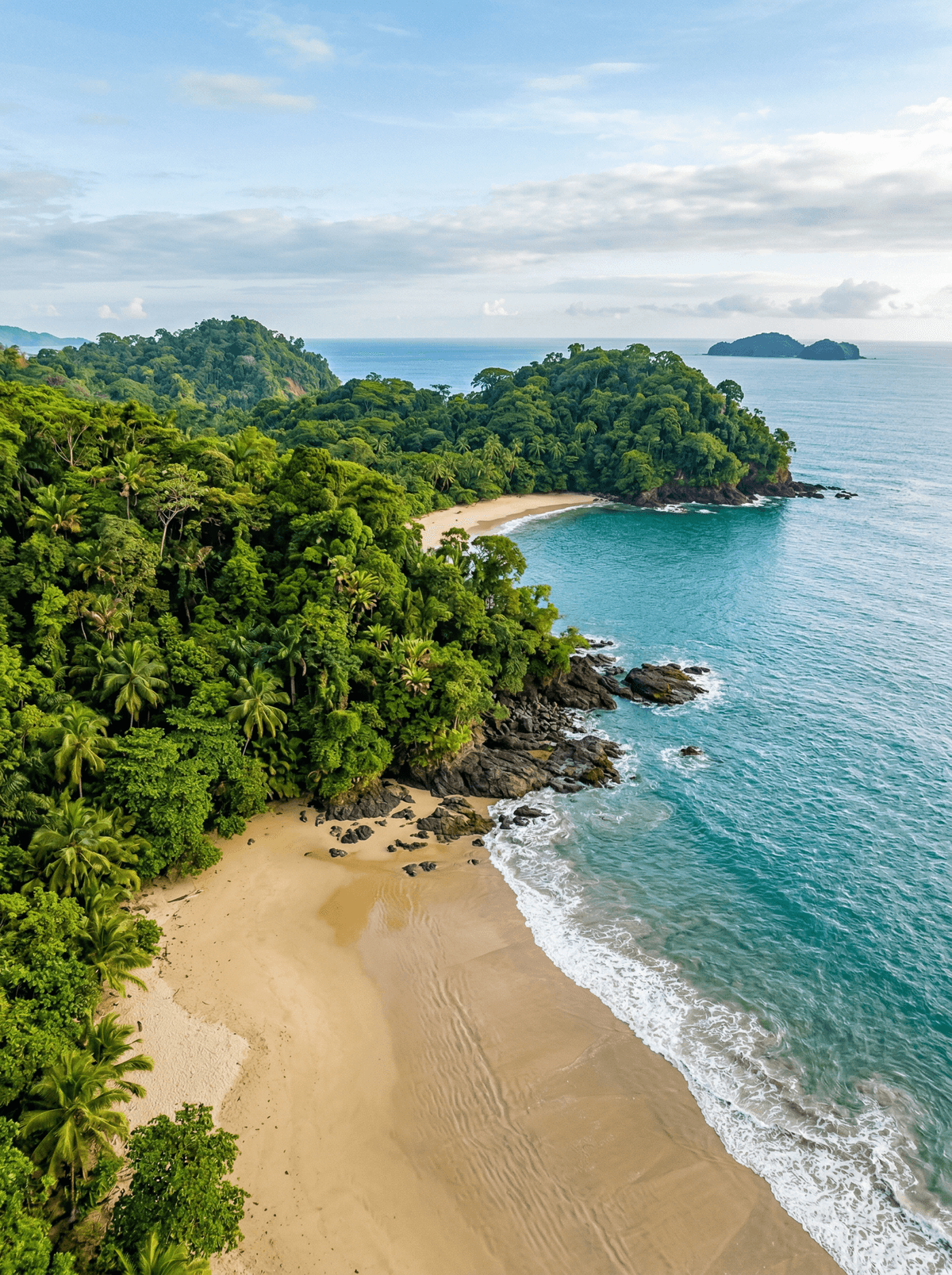
Capuchins patrol the sand beneath dozing sloths where rainforest walks into the ocean.
White-faced capuchins own this shoreline with disturbingly human confidence, and three-toed sloths drape the cecropia trees for days at a time. Manuel Antonio is where Costa Rica's Central Pacific rainforest walks straight into the ocean — the boundary between jungle and beach barely exists.
Manuel Antonio protects just 683 hectares of coastal forest, and the smallness is the point: the wildlife is concentrated rather than dispersed. Nowhere else on Earth has the Central Pacific squirrel monkey — around 1,500 of the endangered subspecies remain — sharing the canopy with capuchins, coatis, sloths and iguanas the length of your arm. Cathedral Point, a forested tombolo joining the mainland to a rocky headland, splits the shore into sheltered white coves calmer than the open Pacific. Twelve offshore islands complete the park, loud with seabirds.
Couple
Hillside hotels terrace down through forest toward the water, and the rhythm — wildlife-rich morning walks, lazy afternoon coves — makes days feel indulgent without being idle.
Family
Short trails built for small legs end at gentle-wave coves, with capuchins, coatis and sloths all resident along the way.
Friends
The town above the park runs beach-to-bar-to-restaurant with Pacific sunsets in between — nature by morning without roughing it by night.
- The last 1,500 Central Pacific squirrel monkeys survive here and only here.
- Cathedral Point's forested tombolo shelters white-sand coves on either side — Espadilla Sur on one, Manuel Antonio beach on the other.
- Twelve offshore islands within the park shelter colonies of seabirds.
- Capuchins here are bold around bags and food. Keep everything sealed and give the troops room.
Ceviche at the clifftop bars above the park road — one of them built into a CIA cargo plane's fuselage.
Pipa fría from the trailhead vendors — a green coconut split by machete, straw in, drunk cold.
Jeju
South Korea
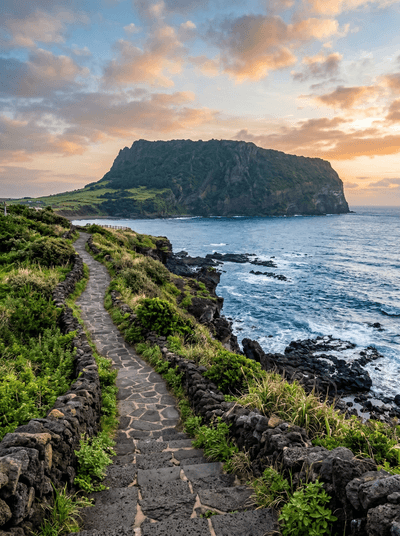
Seventy-year-old haenyeo surface whistling, net bags full, no oxygen but their own.
Stockholm Archipelago
Sweden
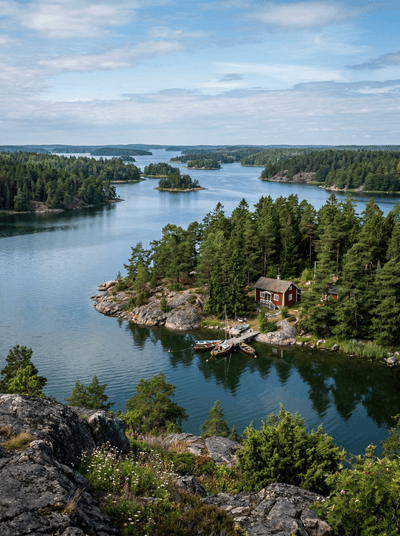
Thirty thousand islands dissolving into the Baltic, each with its own jetty and swimming rock.
Udo
South Korea
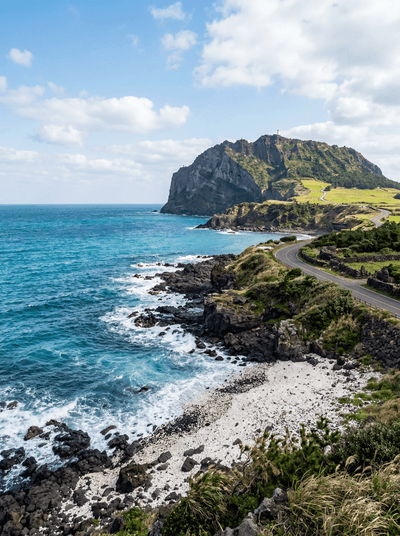
Black lava meets white coral sand on an island that grows its own dessert.
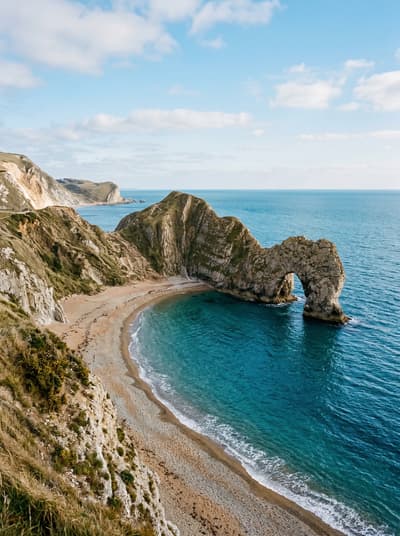
Durdle Door
England
A limestone arch punched through the cliff by the sea, framing nothing but blue horizon.
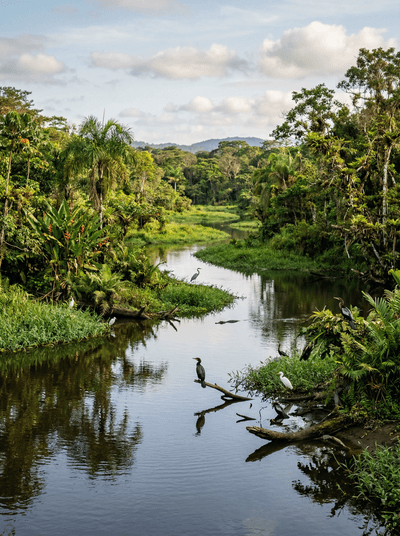
Caño Negro Wildlife Refuge
Costa Rica
A seasonal lake that appears and vanishes, concentrating caimans and jabiru storks in shrinking lagoons.
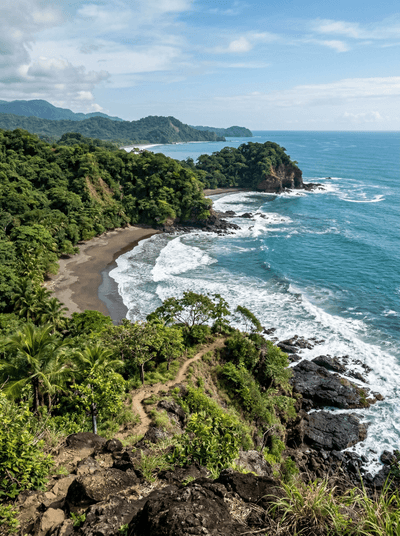
Punta Islita
Costa Rica
Every surface in this village became a canvas — walls, fences, even the trees.
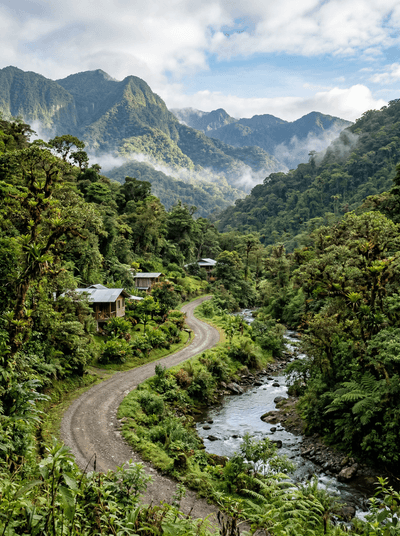
San Gerardo de Dota
Costa Rica
A bird the Maya held sacred flashes emerald through one cold valley's mist.
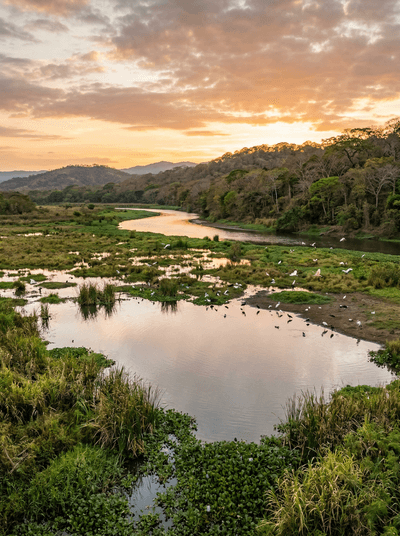
Palo Verde National Park
Costa Rica
Ten thousand hectares of marsh erupt with waterbirds while crocodiles bask below limestone hills.