Costa Rica
Tortuguero
Jungle canals where green sea turtles haul onto black volcanic sand under a moonless sky.
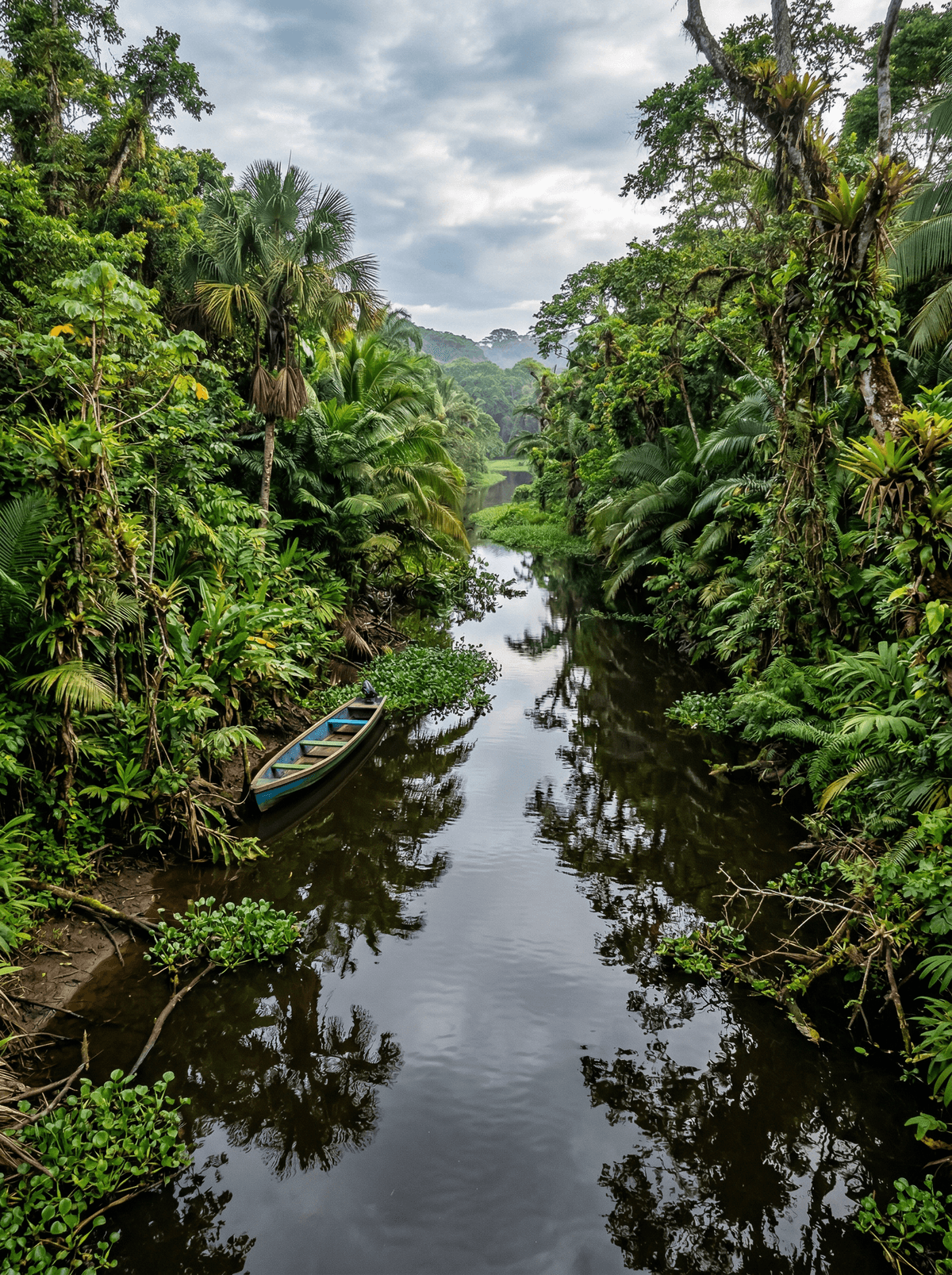
The boat engine cuts. Your guide poles through a narrowing canal roofed in green, the only sounds water dripping from paddle tips and the crack of a branch under something heavy. Tortuguero, on Costa Rica's Caribbean coast, is a place you reach by water — no road goes there.
Tortuguero National Park guards the largest green sea turtle nesting beach in the Western Hemisphere; in season the females come ashore by night, as they have since long before anyone counted them. Behind the beach, 26,653 hectares of lowland rainforest and mangrove are stitched together by canals and lagoons where caimans bask and howlers roar — the park's water is its road network. The village of Tortuguero, clapboard houses and bicycles and not one car, carries the Caribbean in its kitchens and accents: coconut milk in the pots, reggae drifting from open doorways. Night visits to the nesting beach run only through the authorised guided programme, and that discipline is a large reason the turtles keep coming.
Couple
The engine-off silence of a dawn canal, mist on the black water and the first howler chorus of the day — remoteness here feels earned rather than endured.
Family
Canal boats are calm enough for young children, with caiman snouts, low-canopy monkeys and toucans among the likely sightings at water level.
- The Western Hemisphere's largest green turtle nesting beach runs along the park's seaward edge.
- No road reaches Tortuguero — arrival is by boat along jungle canals, and the village gets around by bicycle.
- Canals and lagoons thread 26,653 hectares of rainforest and mangrove, explored at water level from a skiff.
- Night nesting visits run only through the authorised guided programme, with seasonal beach controls from March to October.
Caribbean rice and beans — the national staple gone Limón: coconut milk, thyme and chile in the pot.
Patí — a flaky, pepper-spiced beef parcel, the Caribbean coast's handheld lunch.
Kapiti Island
New Zealand
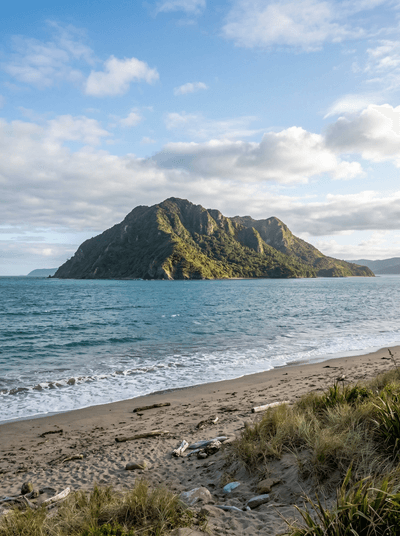
A predator-free forest fortress where the dawn chorus feels physically dense.
Roviana Lagoon
Solomon Islands
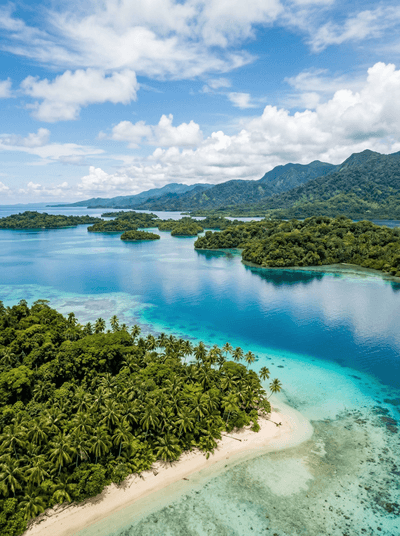
Villages still lived in and islands full of shrines sit in the same lagoon.
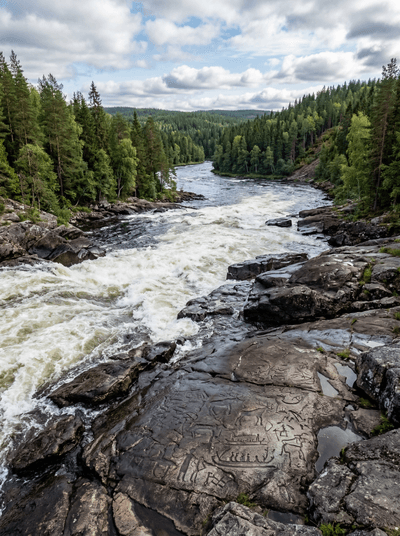
Nämforsen
Sweden
Thousands of carvings chiselled into river granite across four millennia of belief.
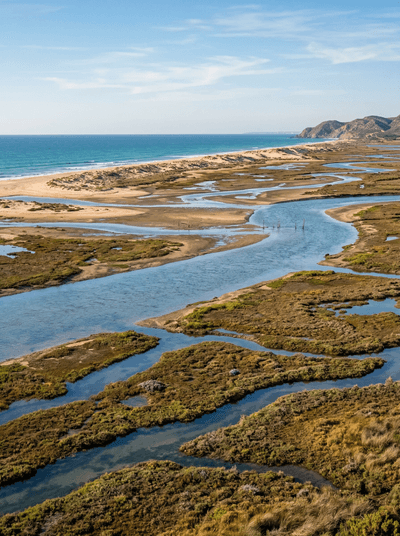
Ria Formosa
Portugal
A shifting labyrinth of barrier islands, salt marsh and seahorse nurseries off the Algarve.
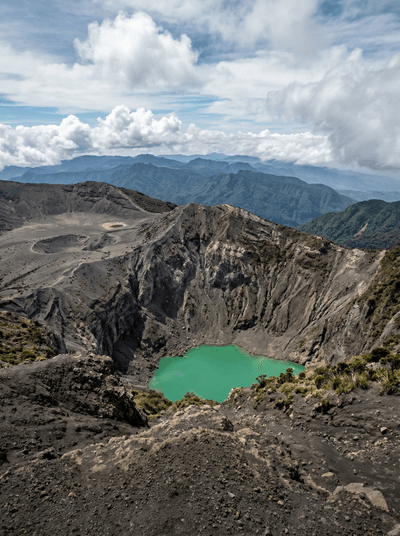
Irazú Volcano
Costa Rica
From Irazú's 3,432-metre rim, two oceans glint on opposite horizons at once.
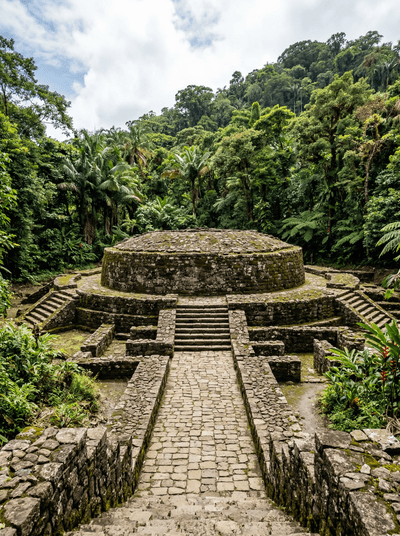
Guayabo National Monument
Costa Rica
Pre-Columbian aqueducts still carrying water through a city the jungle tried to swallow.
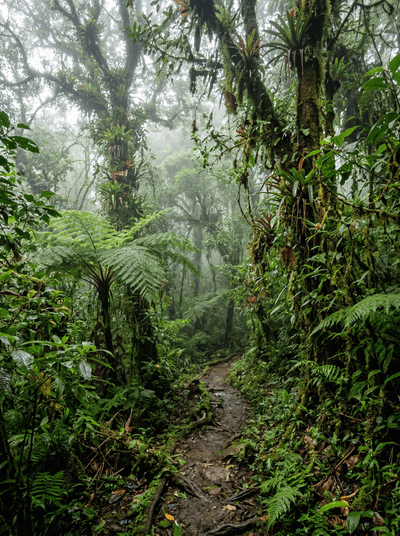
Monteverde Cloud Forest Reserve
Costa Rica
Mist so thick it beads on your eyelashes, orchids breathing in the canopy above.