Mexico
Izamal
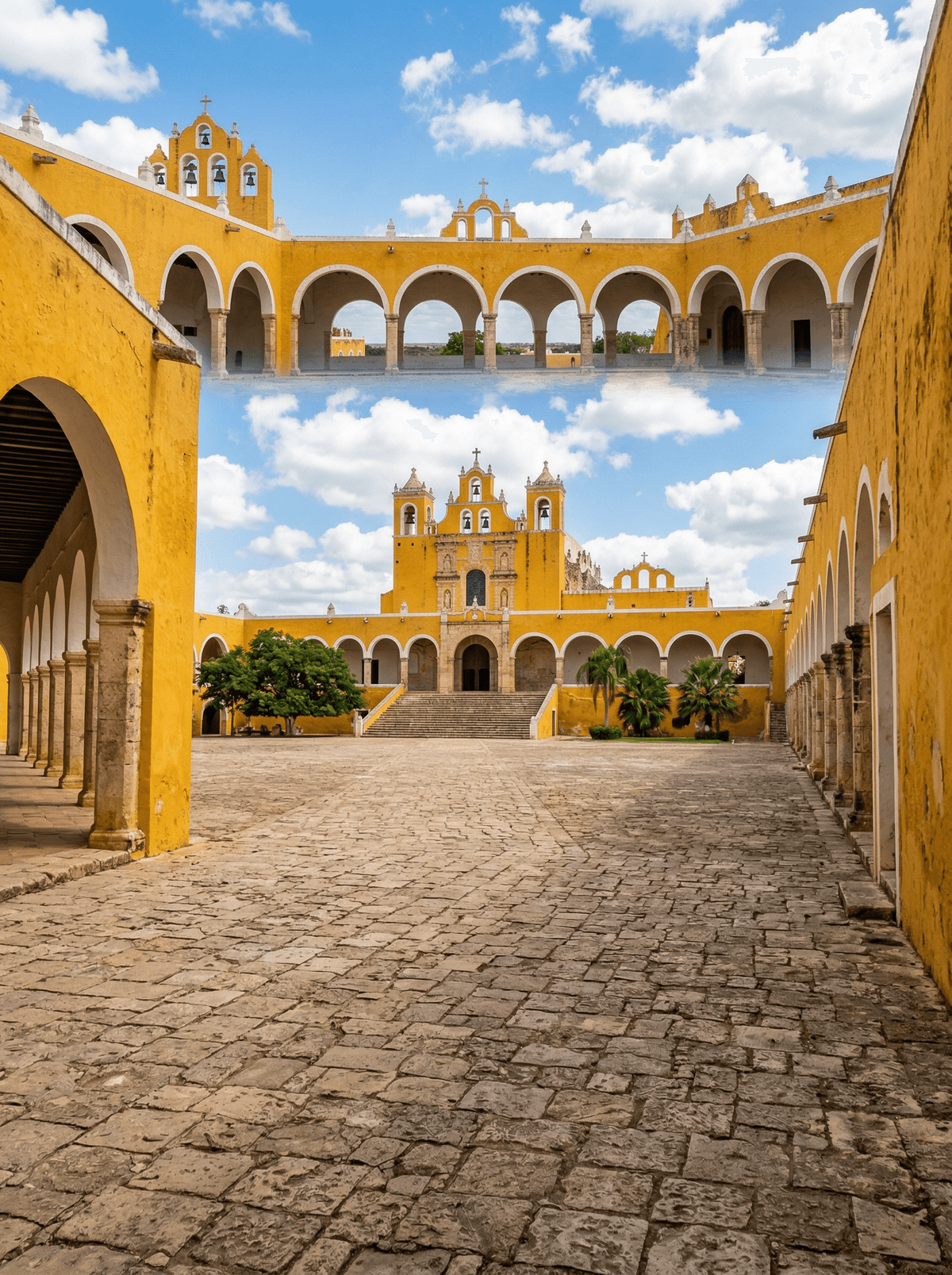
Yellow streets weave between Maya platforms and a vast colonial convent.
The whole town wears the same deep yellow, wall after wall of it, so the light seems to come from the buildings themselves. Between them, Maya platforms shoulder up through the street grid as if the older city were surfacing.
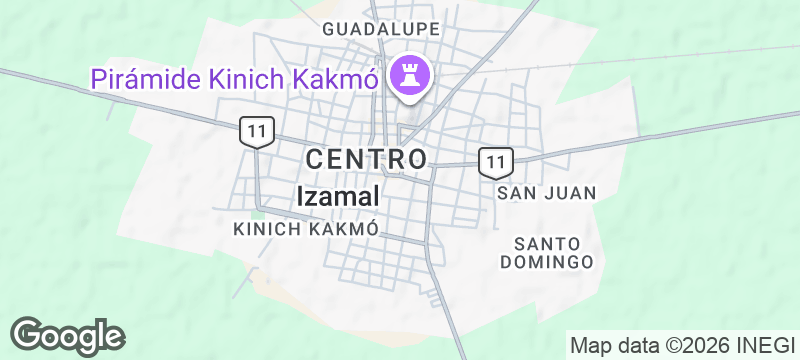
Izamal paints its centre a single saturated yellow, and its blocks hold Maya platforms and colonial buildings side by side. The pyramid of Kinich Kakmó, a genuinely large Maya structure, stands minutes on foot from the immense Convento de San Antonio de Padua and its arcaded atrium. Markets, craft workshops and evening street life keep the town from being only a colour.
Couple
Walk the yellow streets early, climb through the convent's arcades and stay for the evening quiet.
Solo
Pair Kinich Kakmó's platform views with the market and workshop lanes below.
Family
Take a carriage loop children will remember and count the shades of yellow together.
- Yellow-painted streets frame a centre where Maya platforms and colonial buildings occupy the same blocks.
- Kinich Kakmó is a substantial Maya structure minutes on foot from the Convento de San Antonio de Padua.
- Markets, workshops and evening street life make Izamal more than a single-colour photo stop.
Kinich, the town's keeper of grandmothers' recipes, plates papadzules: egg-filled tortillas in pumpkin-seed sauce.
At Restaurante Zamná, queso relleno and tzic de venado are the plates guests rave over.
Kimberley
South Africa
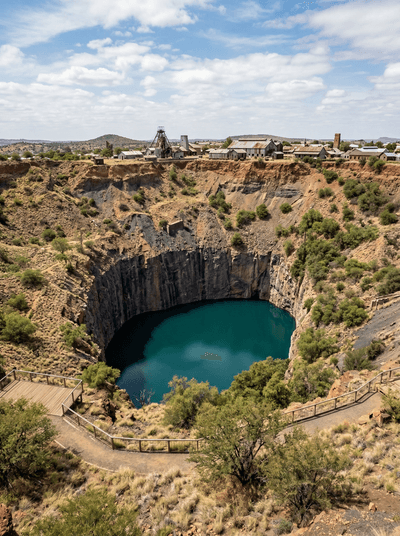
Thousands of miners erased a hill and built a diamond empire around the void.
Andong Hahoe Village
South Korea
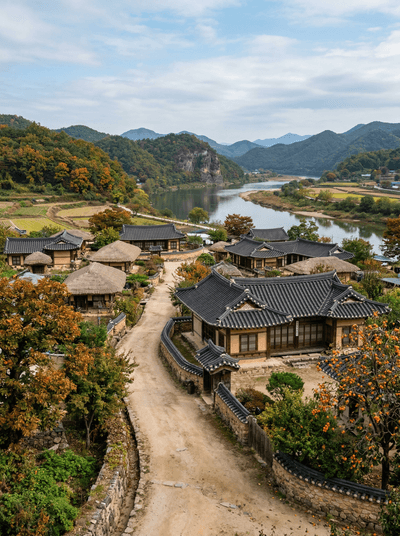
One clan has lived inside this river bend for six hundred years.
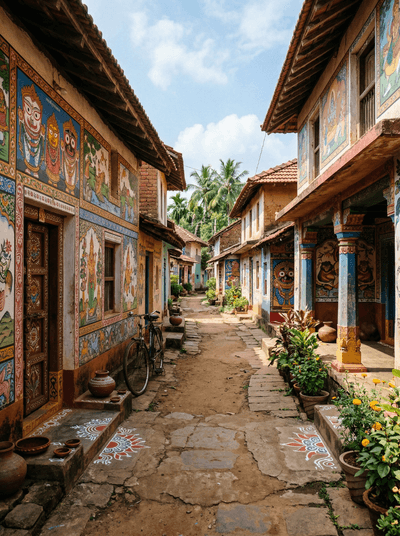
Raghurajpur
India
A village where every house wall is a canvas and nearly every family holds an artist.
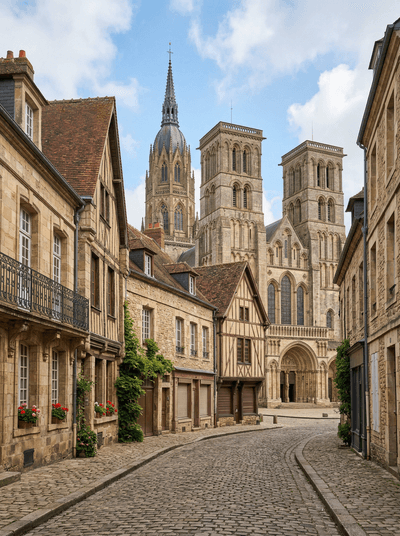
Bayeux
France
The town war forgot to bomb, keeper of the embroidery that stitched 1066.
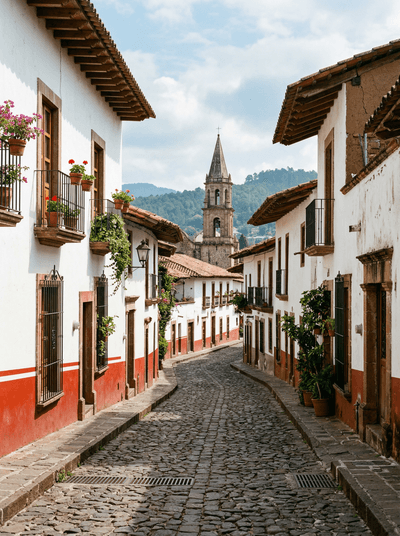
Pátzcuaro
Mexico
Plazas, lake routes and Purépecha craft traditions gather in a cool highland town.
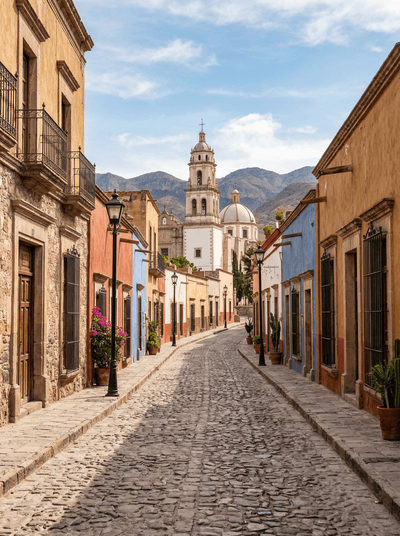
Parras de la Fuente
Mexico
Desert vineyards around a spring-fed oasis have produced wine since 1597.
Malinalco
Mexico
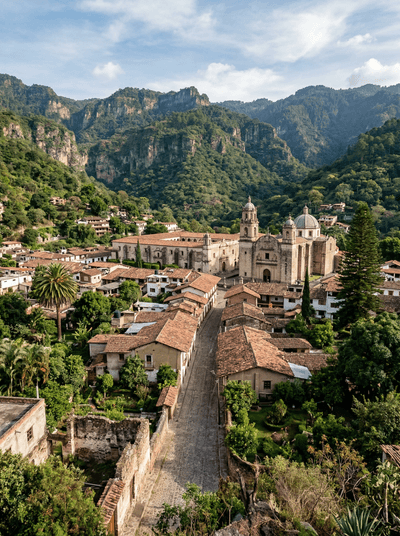
An Aztec temple carved directly from a living mountaintop, eagle warriors etched into the rock floor.
Monte Albán
Mexico
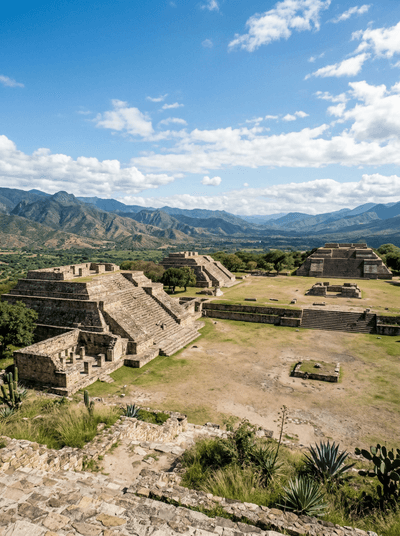
A Zapotec acropolis floats above the clouds on a mountaintop the ancients levelled by hand.