Mexico
Monte Albán
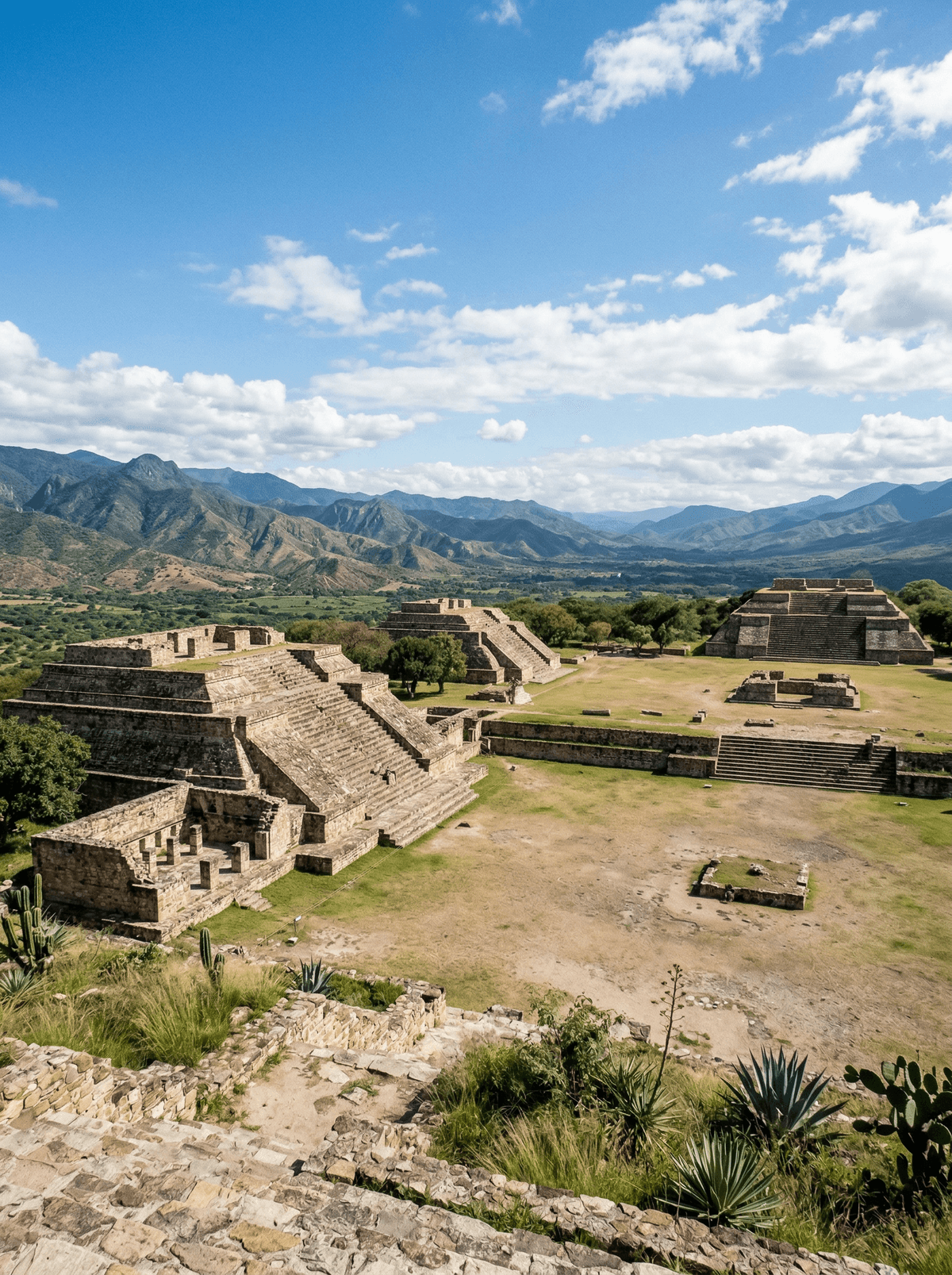
A Zapotec acropolis floats above the clouds on a mountaintop the ancients levelled by hand.
The Zapotecs flattened a mountain to build their capital. The Grand Plaza still reads as an act of will, a levelled sky-platform where the valley haze breaks below you on clear mornings.
Monte Albán's builders levelled this mountaintop around 500 BCE and raised a plaza roughly 300 by 200 metres at nearly 2,000 metres of elevation. The Danzante carvings preserve some of Mesoamerica's earliest known writing, and the platform edges give the city its floating quality. It stands close enough to Oaxaca City to anchor a morning and still leave the markets for the afternoon.
Solo
Arrive early for the cloud line and walk the plaza ahead of both heat and crowds.
Couple
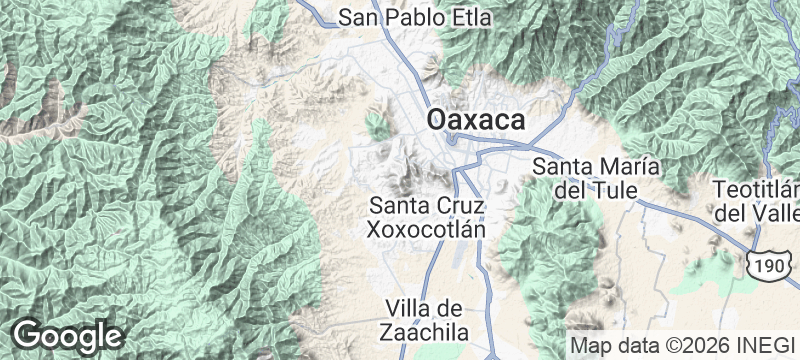
Share the platform edges at opening time, then descend to Oaxaca's markets for lunch.
Family
Let children pace the Grand Plaza's scale while the morning stays cool.
- The Zapotecs levelled this mountaintop around 500 BCE and built their capital on the platform.
- The Grand Plaza runs roughly 300 by 200 metres at nearly 2,000 metres of elevation.
- The Danzante carvings preserve some of Mesoamerica's earliest known writing.
A small café at the site sells bottled drinks and light snacks; the real eating waits in Oaxaca below.
Back down in the city, the Benito Juárez market sells fresh quesillo, chapulines and chocolate en tablilla.
Sumela Monastery
Turkey
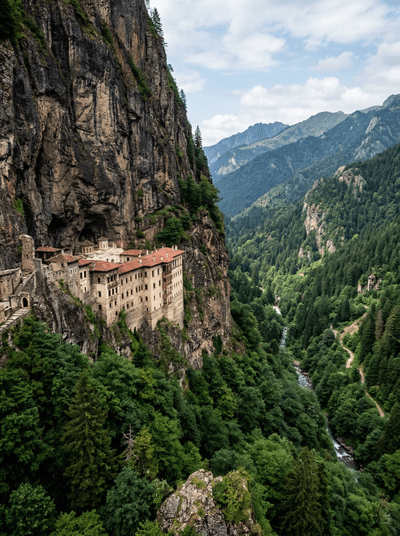
A monastery clinging to a cliff 300 metres above a misty Black Sea valley.
Mungyeong Saejae
South Korea
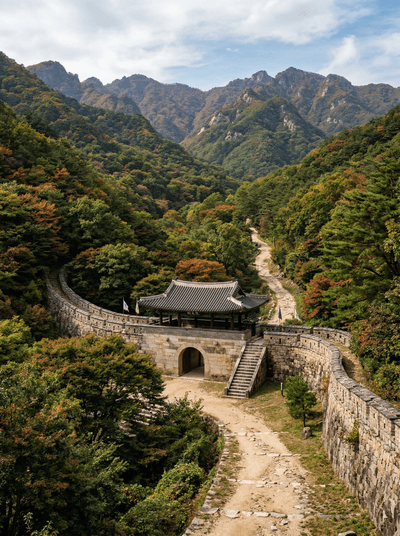
Joseon scholars walked this dirt pass through three stone gates for five hundred years.
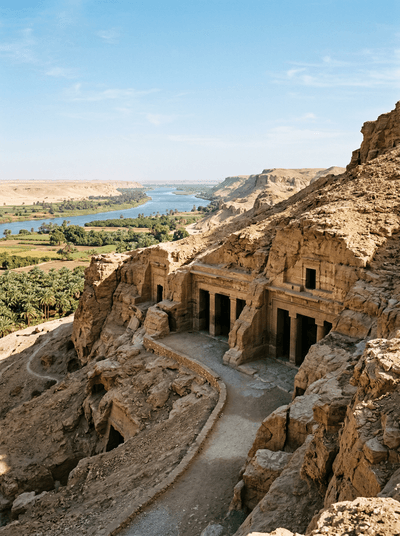
Beni Hasan
Egypt
Rock-cut tombs high on a cliff face, their four-thousand-year-old wrestlers still mid-grapple on the walls.
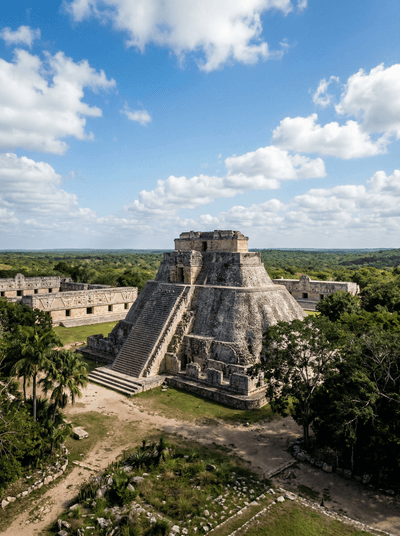
Uxmal
Mexico
Rain-god masks and Puuc mosaics cover a Maya city shaped in warm limestone.
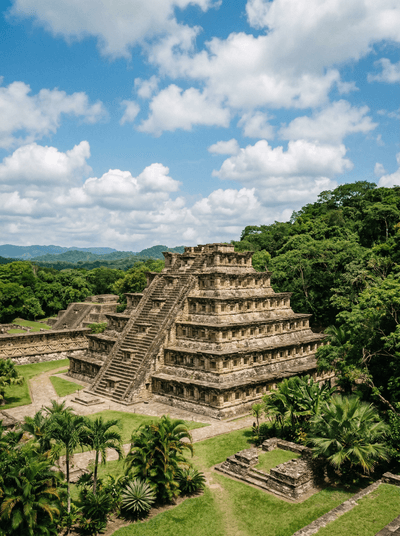
El Tajín
Mexico
Niches, ball courts and carved reliefs spread across an ancient Gulf Coast capital.
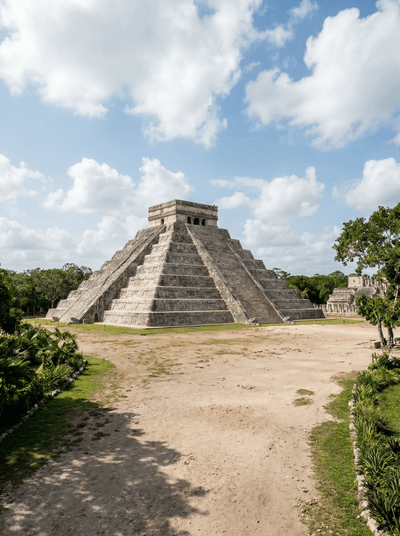
Chichén Itzá
Mexico
Each equinox a serpent of shadow slides down the pyramid to its stone head.
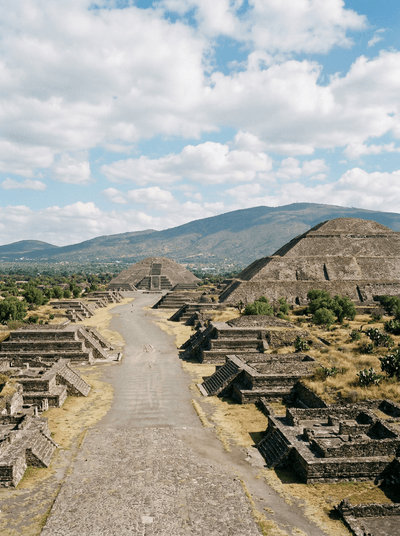
Teotihuacán
Mexico
The Avenue of the Dead runs long enough to carry its own horizon.