Kyrgyzstan
Padysha-Ata
A snow-leopard juniper reserve wrapped around a mausoleum that still draws pilgrims.
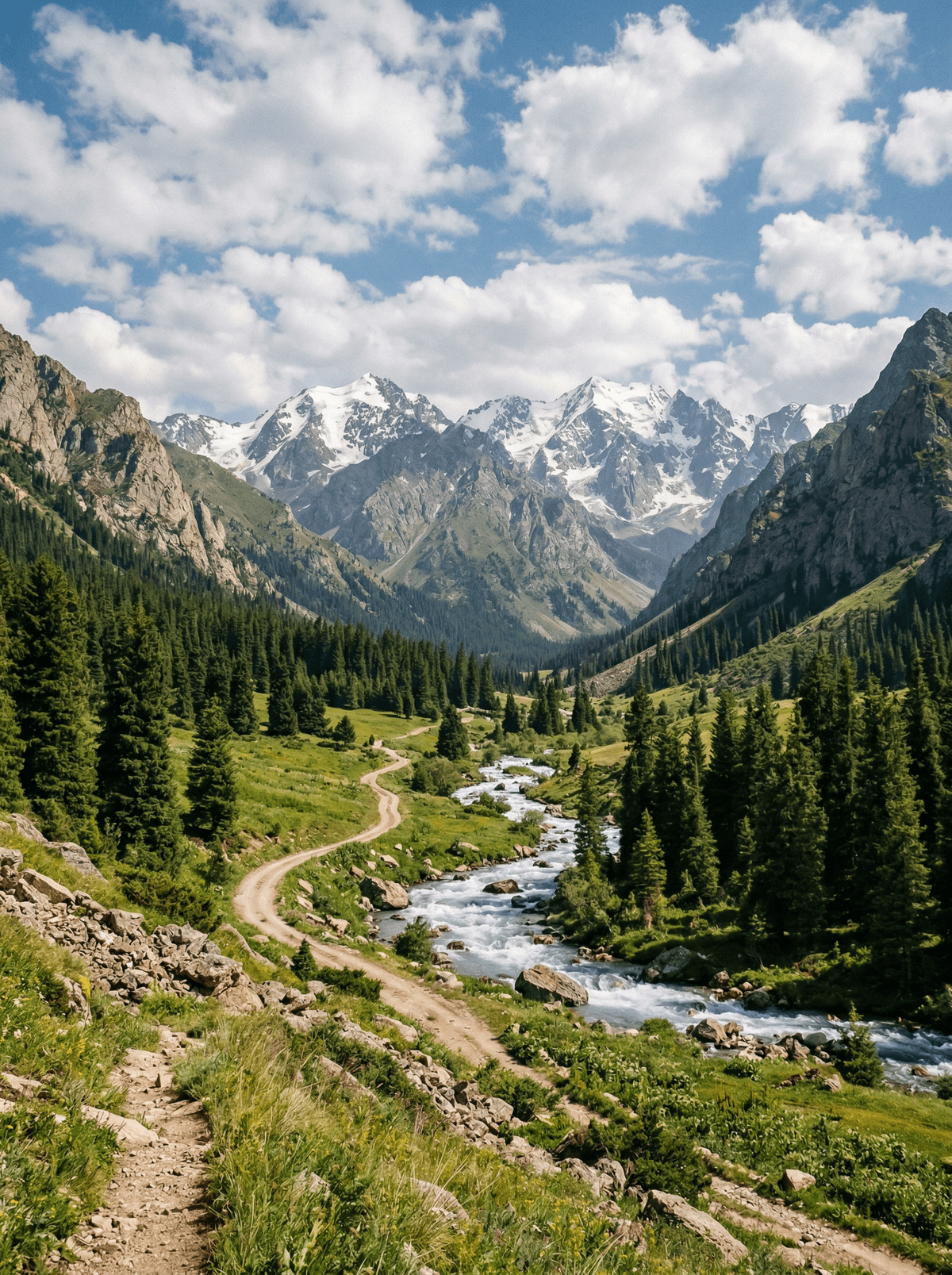
The air thickens with juniper resin as the valley climbs, and the mausoleum of Padysha-Ata stands where the sacred country begins. Pilgrims have made this journey for generations; a state reserve now guards the forests they walked through, with snow leopards keeping to the heights above.
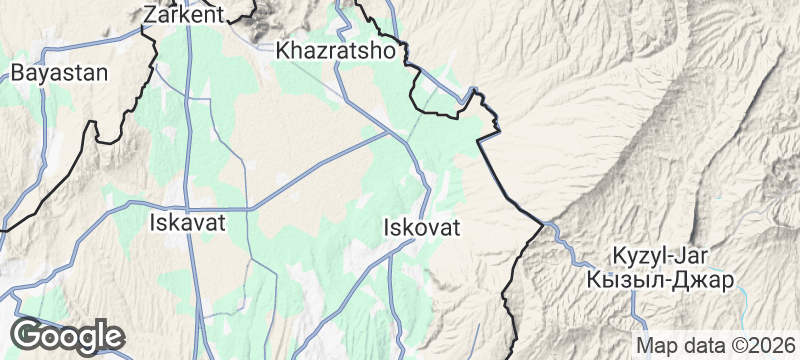
Padysh-Ata is both a nature reserve and a holy place. The reserve, declared in 2003, wraps 30,560 hectares of the western Tien-Shan around the valley's juniper forests, with the endemic Semenov silver fir among its rarities and snow leopard among its animals. Inside it lies the mazar country that names the valley: the mausoleum of Padysh-Ata still draws pilgrims, and the sacred valley has long pulled travellers chasing quieter kinds of meaning alongside the wildlife. The walking is genuinely wild, crossing passes above 3,600 metres, threading elm forest and wild-raspberry scrub, and climbing to small glacial lakes beneath the Muz-Tor glacier. Guesthouses in the approach villages take visitors in, and the trekking routes from Ala-Buka finish at the mausoleum by the reserve entrance.
Solo
Walking alone through the junipers, you fall into the rhythm of the pilgrimage route without needing to share or explain it. The forest's silence makes a contemplative space that rewards solitude.
Couple
The atmosphere is intimate rather than grand: the kind of place remembered for what it felt like, not what it looked like. A village guesthouse extends the quiet beyond the forest.
- The state reserve, established in 2003, protects 30,560 hectares of juniper forest in the western Tien-Shan.
- Snow leopard lives in the reserve, alongside the endemic Semenov silver fir.
- The Padysh-Ata mausoleum and mazars sit inside the reserve, still drawing pilgrims to the sacred valley.
- Trekking routes cross passes above 3,600 metres and reach small glacial lakes below the Muz-Tor glacier.
Camp dinners cooked hot on the trekking days, with lunches carried up to the glacial lakes.
Wild raspberry bushes crowd the lower trails in late summer, and the juniper air seasons everything else.
Loita Hills
Kenya
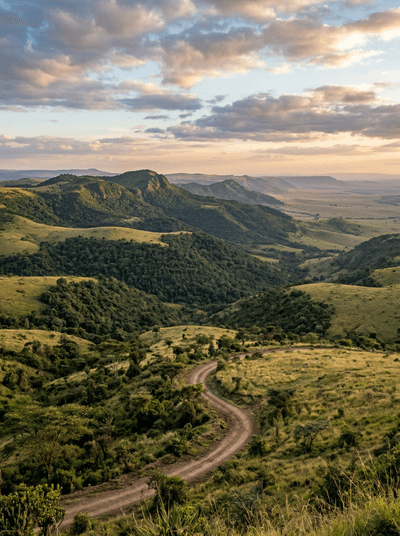
Cattle outnumber cars a thousand to one in hills where Maasai life sets the terms.
Gwaii Haanas
Canada
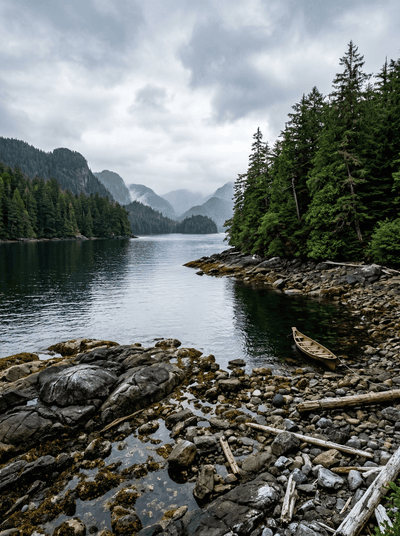
A roadless archipelago of Haida village sites is entered only by sea, air and consent.
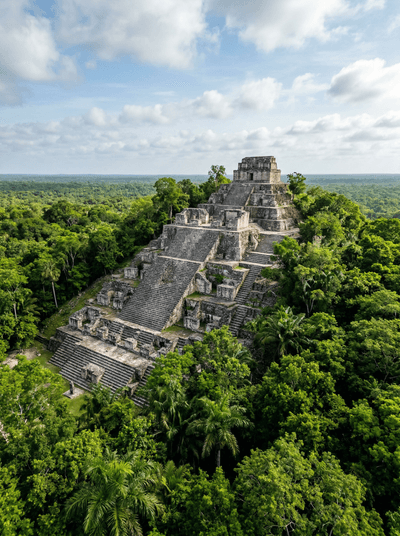
Calakmul
Mexico
A Maya capital's towers still stand above an unbroken sea of forest.
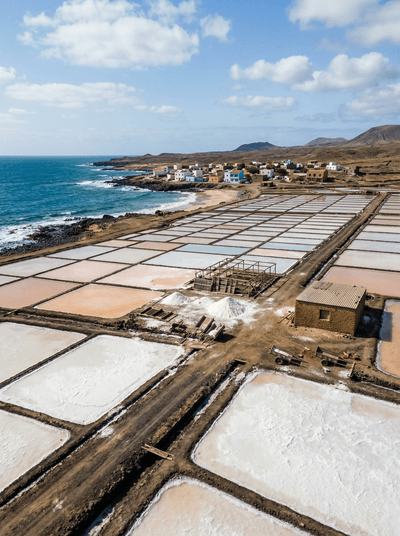
Salinas de Porto Inglês
Cape Verde
Women of the island's salt cooperative still harvest white gold from wetland pans.
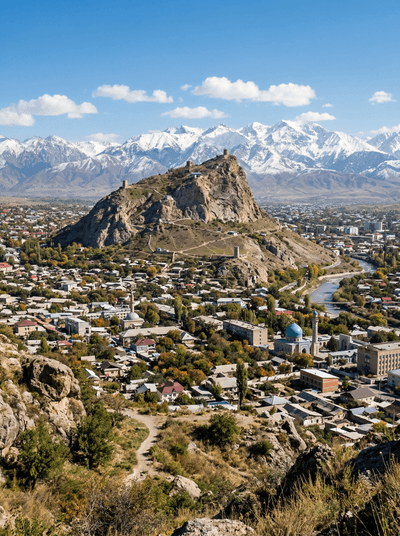
Osh
Kyrgyzstan
A five-peaked sacred mountain, worshipped for millennia, rising straight out of a Silk Road bazaar city.
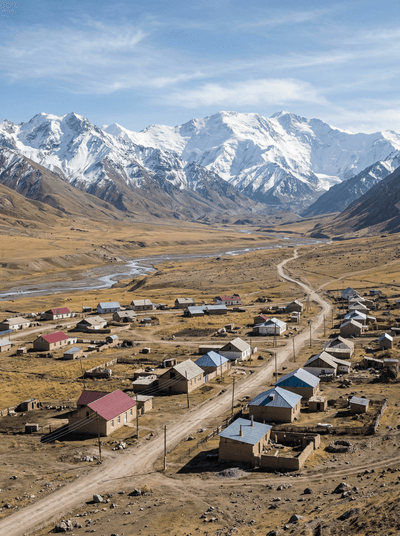
Sary-Mogol
Kyrgyzstan
Guesthouse windows frame a 7,134-metre wall of ice; the village itself sits at 3,000 metres.
Tulpar-Köl
Kyrgyzstan
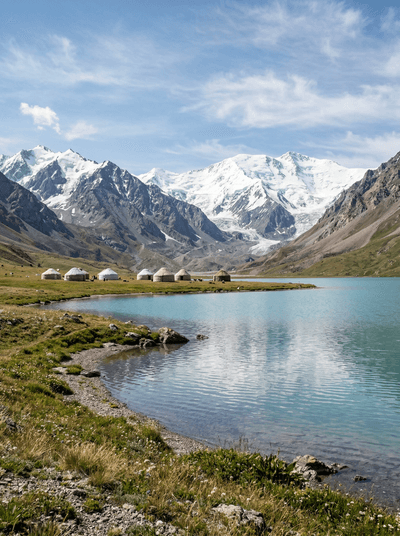
Alpine pools at 3,500 metres that mirror a 7,000-metre peak at dawn like shattered glass.