Tanzania
Stone Town
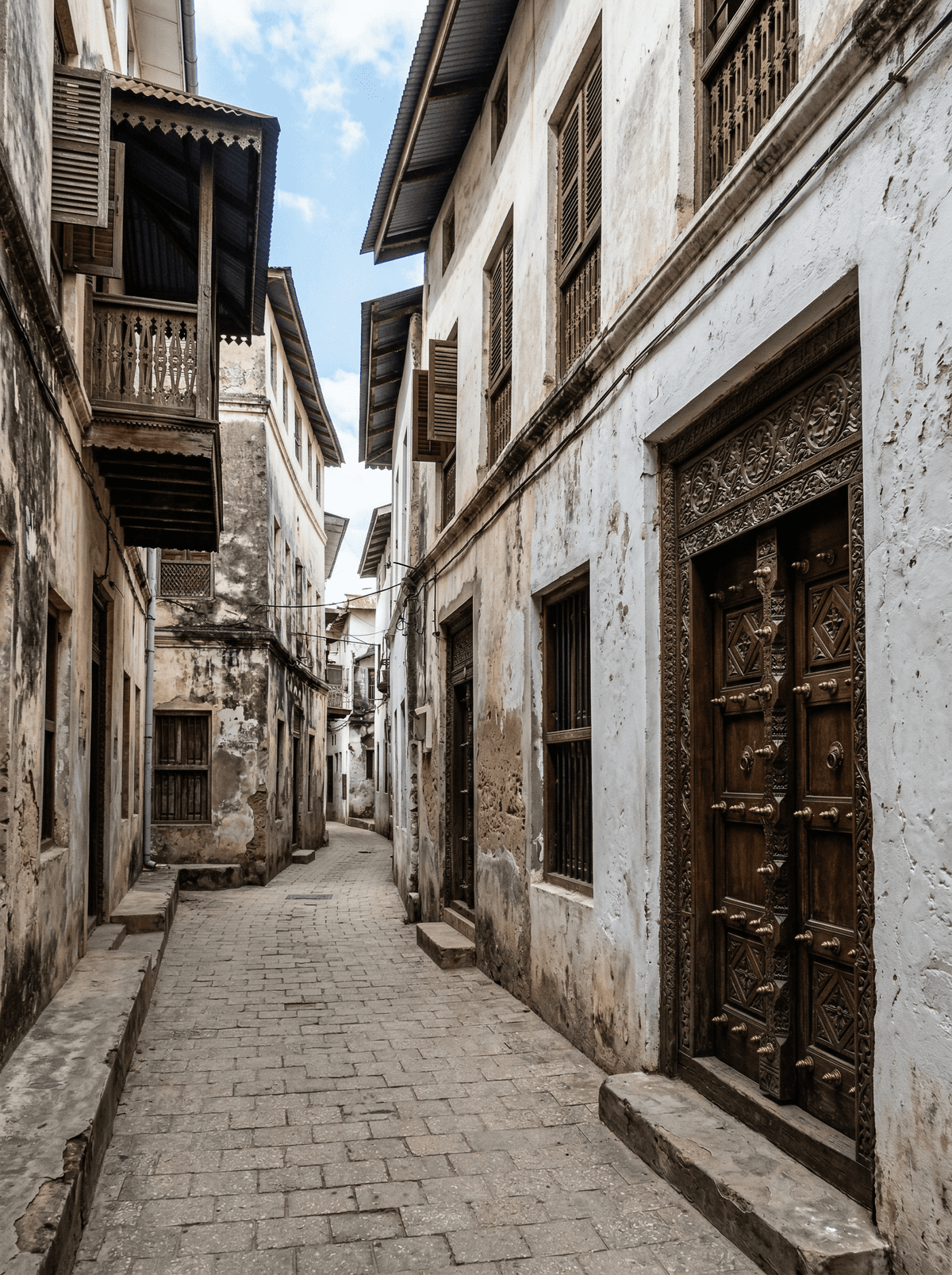
Five hundred carved doors open onto lanes that smell of clove and a thousand years.
The doors come first: five hundred carved teak masterpieces on lanes that smell of clove and cardamom, muezzin calls drifting between coral-stone walls. A thousand years of Swahili trade built this maze, and all of it is still lived in.
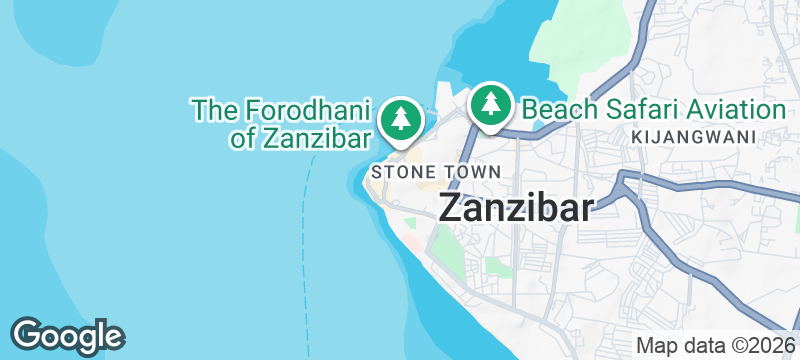
Stone Town is the Swahili coast's great surviving trading city, UNESCO-listed, its five hundred carved doorways recording the Indian, Arab and Swahili traditions of their makers. The lanes reward a slow walk with a guide who tells the story whole, the spice wealth and the slave market both. Forodhani Gardens' braziers fill the harbour front after dark, Lukmaan near the old slave-market site is the local institution for pilau, and the dry seasons, June to October and January to February, suit the maze best.
Solo
Solo walkers benefit from a responsible guide who can connect Stone Town’s architecture with its difficult history.
Couple
Couples can linger over carved doors and harbour views without letting romance erase enslavement and colonial power.
Family
Older children who enjoy stories and street detail can engage with Stone Town beyond a simple old-quarter walk.
Friends
Friends can build a half day around markets, monuments and a guide-led discussion of trade, faith and resistance.
- Five hundred carved doorways survive, each recording its maker's tradition.
- Forodhani's night market grills the harbour front after dark.
- The old slave market demands the history be told whole, and good guides do.
- A thousand years of Swahili, Arab and Indian trade built one walkable maze.
Urojo, Zanzibar's tangy street soup with crisp bhajias, is eaten at Forodhani's night stalls.
Lukmaan, near the former slave market, is the local institution for pilau and Zanzibari staples.
Jeddah Al-Balad
Saudi Arabia
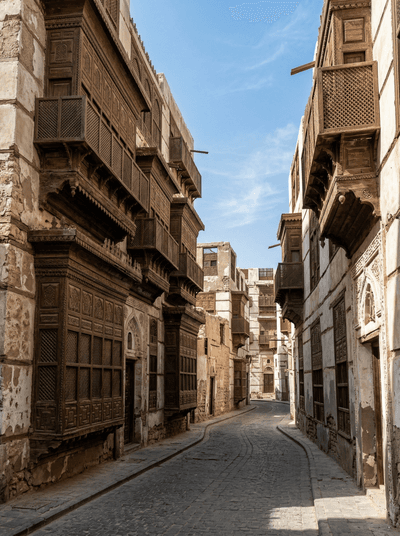
Coral-stone towers with carved wooden balconies leaning over spice-scented alleys.
Tilcara
Argentina
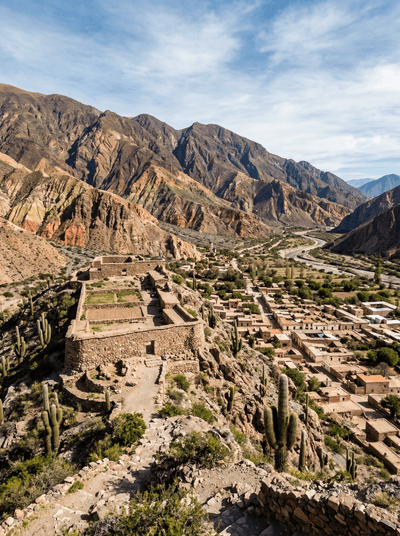
A pre-Inca fortress above a rainbow canyon where carnival explodes into devil masks.
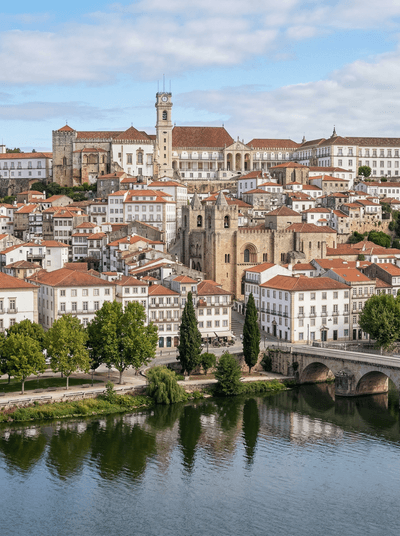
Coimbra
Portugal
Black-caped students sing fado on medieval steps above a library gilded in Brazilian gold.
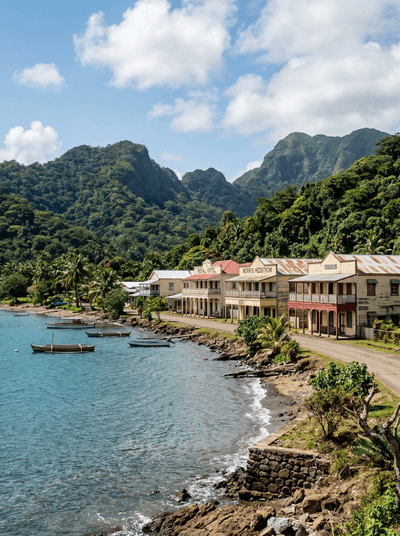
Levuka
Fiji
Fiji's first colonial capital frozen in the 1870s, wooden shopfronts sagging under tropical rain.
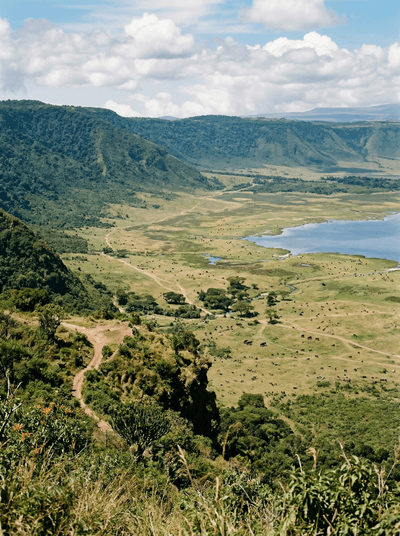
Ngorongoro Crater
Tanzania
A collapsed volcano holds its own weather, its own herds, and Maasai cattle besides.
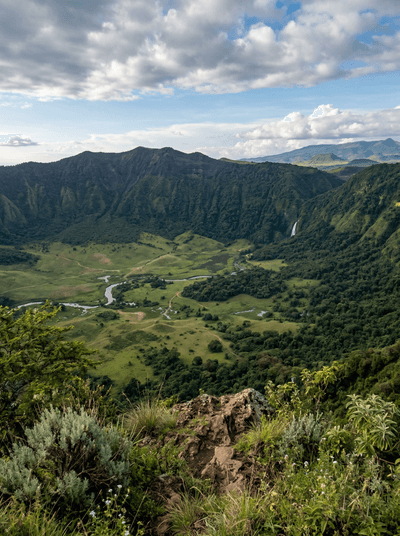
Olmoti Crater
Tanzania
A waterfall slips out of a grassy crater where cattle graze beside eland.
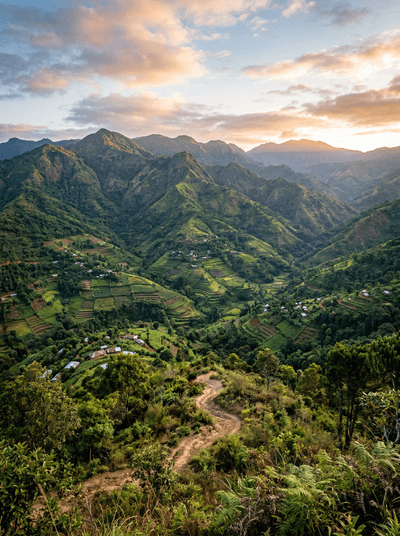
Usambara Mountains
Tanzania
Cloud forest called the Galápagos of Africa gave the world the African violet.
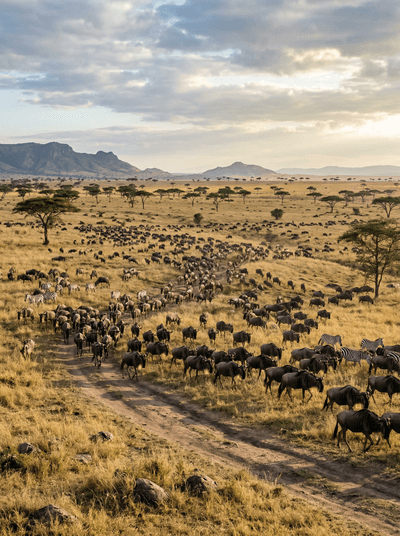
Serengeti National Park
Tanzania
Two million animals move with the rain across plains that have never known a fence.