Turkey
Kars
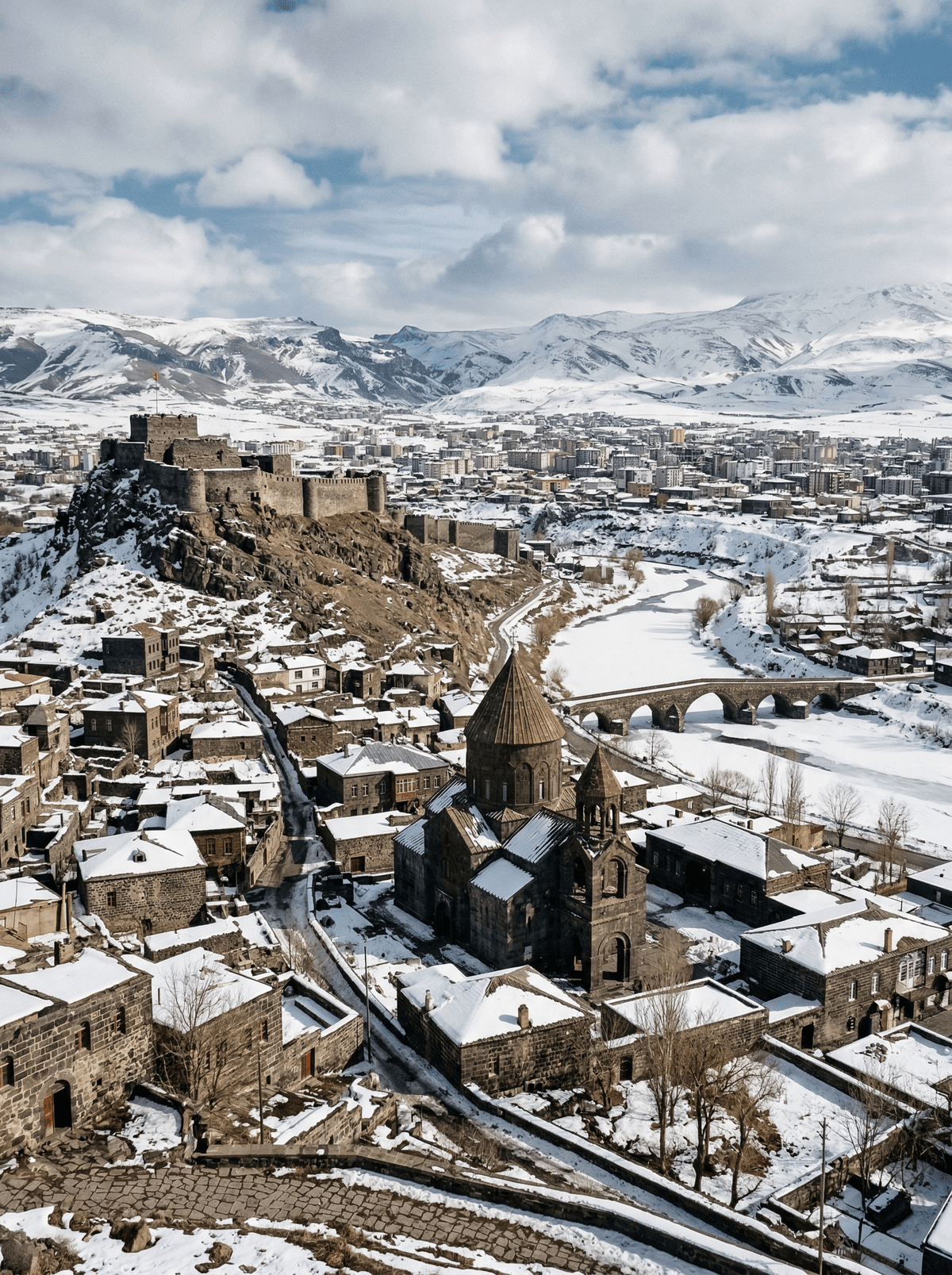
Russian-grid streets and crumbling art nouveau facades in a frontier city where winter means minus thirty.
The cold hits you like a wall. Russian-era stone buildings line a grid of wide streets designed for a different empire, their art nouveau balconies weathering under eastern Anatolian winters. A medieval citadel watches from the hill above a frontier city where the cheese ages in underground cellars.
Kars, in Turkey's far northeast, has been shaped by centuries of contested rule: Armenian, Seljuk, Ottoman and Russian powers all held it. The Russian occupation of 1878 to 1920 left a grid layout and Baltic-style stone architecture found nowhere else in Turkey. Orhan Pamuk's novel Snow gave the city literary fame, but its draws are tangible: Kars Castle, the 10th-century Armenian Church of the Apostles, and the ghost city of Ani under an hour away. This is also Turkey's cheese capital, where gravyer modelled on gruyère ages in volcanic-rock cellars, and winter is theatrically severe, all frozen steppe, roast goose and honeyed clotted cream.
Solo
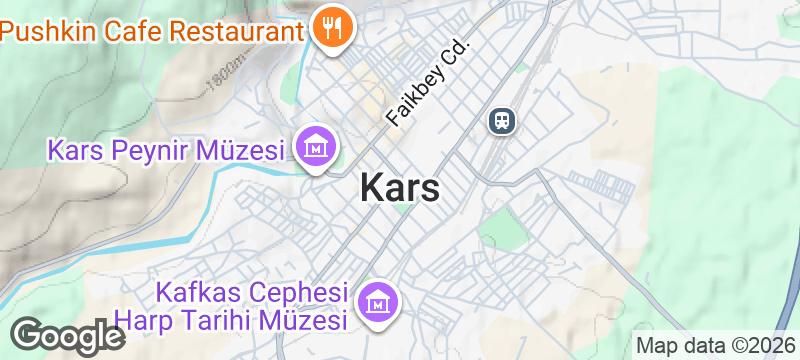
Kars is a literary city for solitary wanderers; Pamuk's Snow mapped its melancholy perfectly. Walking the Russian grid, visiting Ani and warming up with gravyer pide is a deeply personal itinerary.
Couple
The cold creates intimacy. Bal-kaymak breakfasts, cheese tastings in stone cellars and the stark beauty of the eastern frontier make Kars an unconventional romantic escape.
- Russian Imperial planners laid the city grid in the late 19th century, leaving stone art nouveau buildings unlike anything elsewhere in Turkey.
- Kars gravyeri, a gruyère-style cheese introduced under Russian rule, ages in the mountain dairies around the city.
- Orhan Pamuk's novel Snow is set entirely in Kars during a blizzard.
- Winter temperatures regularly reach minus 25°C, and the plateau freezes solid from December to March.
Kars böreği, thin pastry layered with grated gravyer and parsley, served hot.
Kars honey, taken in the comb or strained, from hives worked across the high meadows.
Pitigliano
Italy
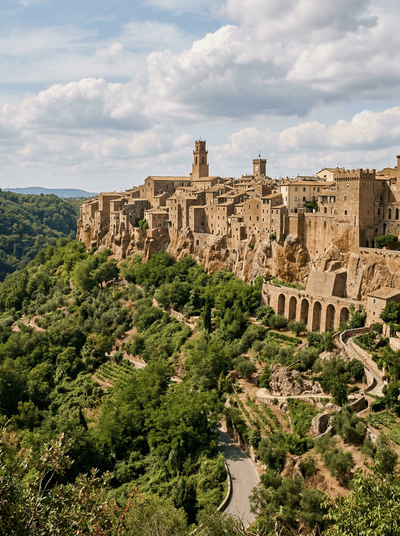
A town growing from a tufa cliff as if the rock itself decided to become architecture.
Spoleto
Italy
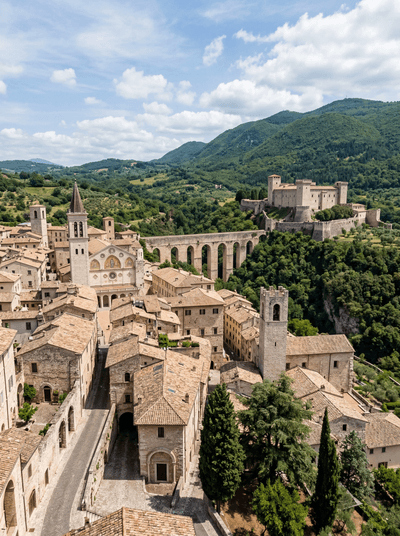
A medieval aqueduct leaps across a forested gorge, connecting a hilltop city to its mountain.
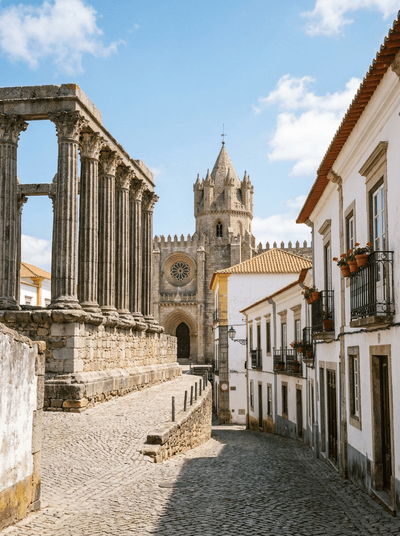
Évora
Portugal
A Roman temple stands intact beside a chapel the monks lined with their own dead.
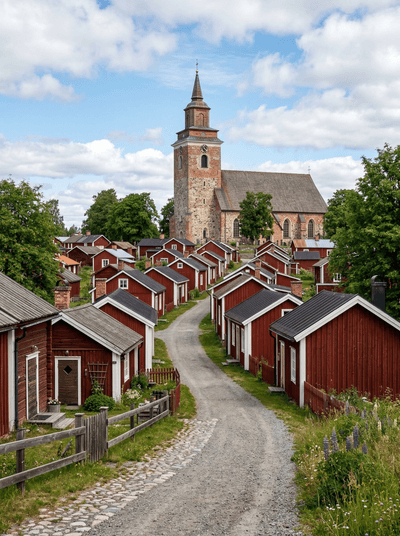
Gammelstad Church Town
Sweden
Over four hundred red wooden cottages huddled around a medieval church, frozen in communal piety.
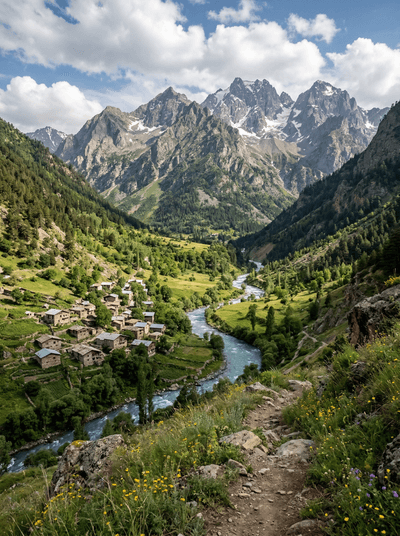
Barhal Valley
Turkey
10th-century Georgian churches stand forgotten in steep valleys where the road ends and peaks begin.
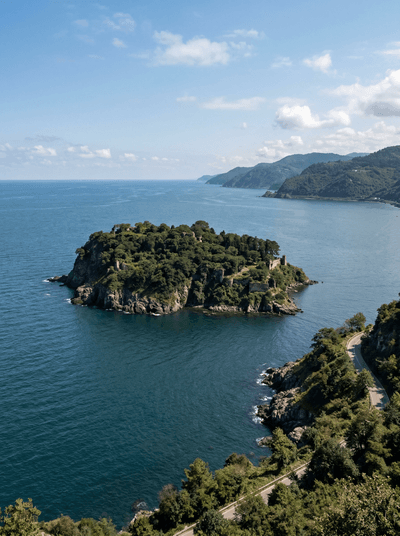
Giresun Island
Turkey
The eastern Black Sea's only island, its Hellenistic temple foundations sleeping beneath hazelnut trees.
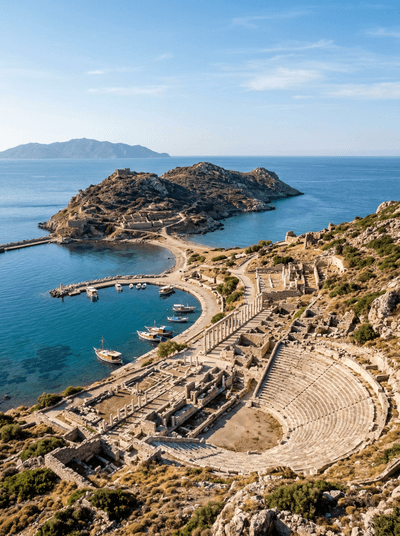
Knidos
Turkey
Two harbours face two different seas at a windswept cape where the Aegean meets the Mediterranean.
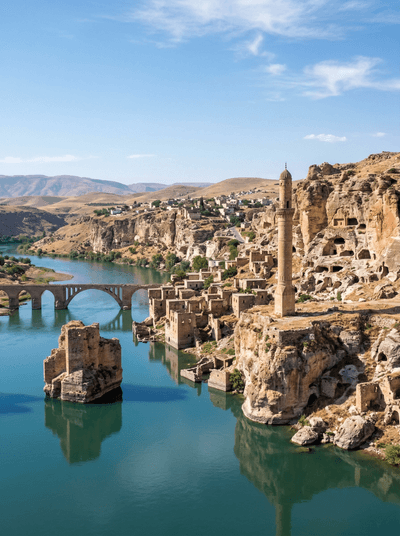
Hasankeyf
Turkey
A 12,000-year-old Tigris settlement now partly drowned by a dam, cave dwellings and minarets half-submerged.