Portugal
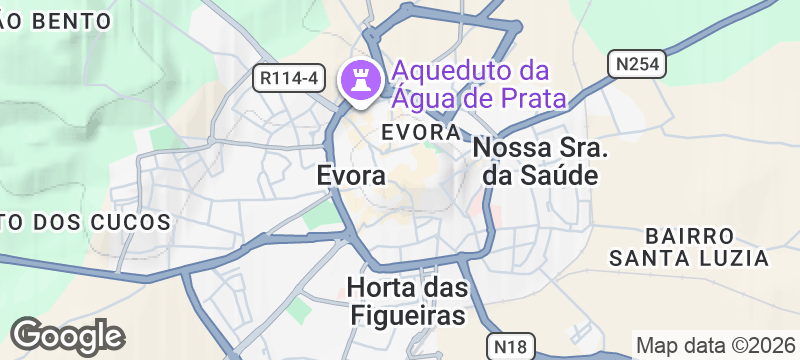
Évora
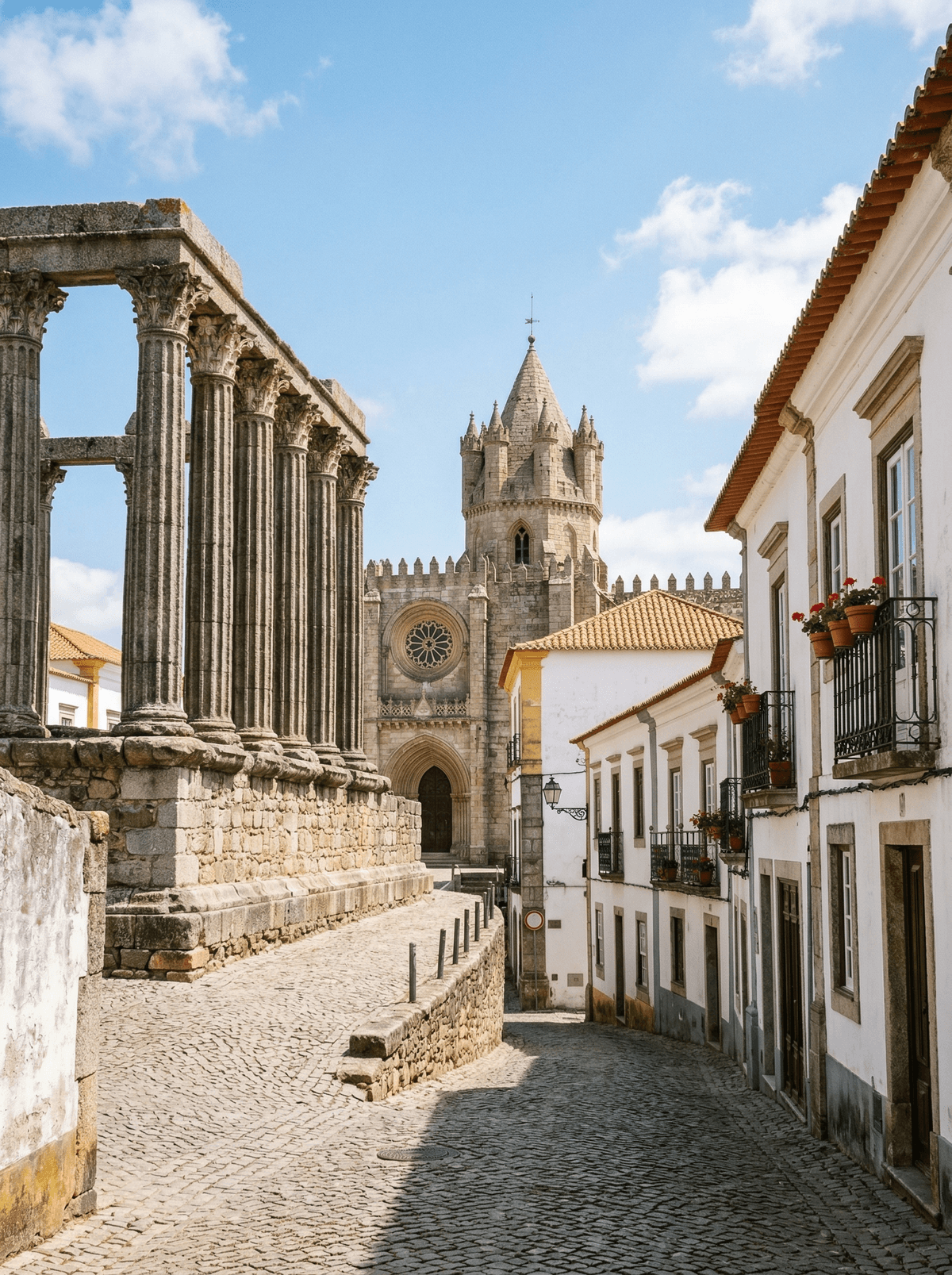
A Roman temple stands intact beside a chapel the monks lined with their own dead.
Above the door of the Capela dos Ossos the monks left their message: Nós ossos que aqui estamos, pelos vossos esperamos — we bones here are waiting for yours. Inside, the bones of thousands line walls and pillars, arranged by the Franciscans themselves as a meditation on mortality, entered in the spirit it asks. Outside, the Roman temple long miscalled Diana's still stands in warm granite under an Alentejo sky unchanged in two millennia.
Évora is a UNESCO city at the Alentejo's heart, ringed by fourteenth-century walls that hold layers running back to the Celts: the best-preserved Roman temple on the Iberian Peninsula, a twelfth-century cathedral, a sixteenth-century university and the bone chapel all within a ten-minute walk. The plains around it feed one of Portugal's most distinctive tables — acorn-fed black pork, migas, and talha wines fermented in clay amphorae by a method older than the Romans, a tradition revived across the Alentejo. Megaliths dot the cork-oak country minutes away. The city wears its weight lightly: Praça do Giraldo still works as the town's living room, café terraces busy from morning to midnight, while the Alentejo heat decides the day's rhythm — interiors at midday, streets at dusk.
Solo
A contemplative city rewarding slow attention — the temple at dawn, the chapel taken seriously, a long lunch of porco preto with a book. Solo travellers find a pace larger cities cannot offer.
Couple
Talha wine outside the walls, dinner under the stars in the Giraldo, and the strange intimacy of the monks' memento mori — Évora pairs the romantic with the thought-provoking.
- Two millennia share one walkable core — Roman temple, Moorish wall-lines, cathedral, chapel.
- The bone chapel is the monks' own deliberate meditation, its inscription still waiting.
- The historic centre sits almost entirely within its original defensive circuit, UNESCO-listed.
- Talha wine ferments in clay amphorae by an Alentejo method two thousand years old.
Migas alentejanas — bread crumbs fried with garlic, pork fat and wild herbs beside black pork.
Secretos de porco preto over charcoal, the acorn-fed meat needing only coarse salt.
Azemmour
Morocco
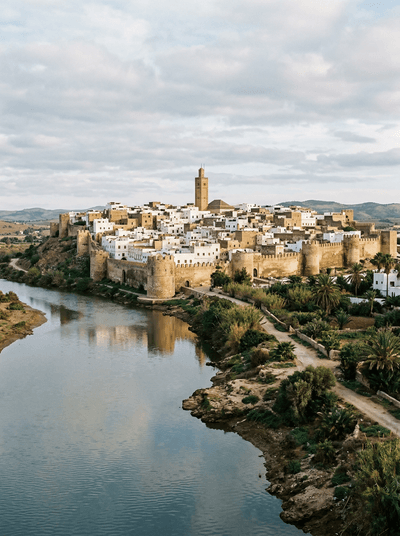
The first recorded African in the American Southwest was born beside this muralled river medina.
Paranapiacaba
Brazil
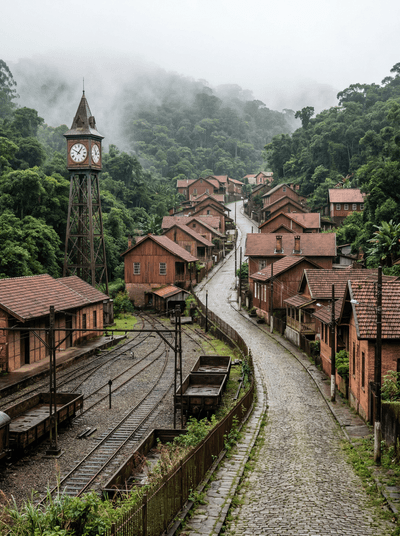
A fog-wrapped Victorian railway village built by the British in the Atlantic Forest above São Paulo.
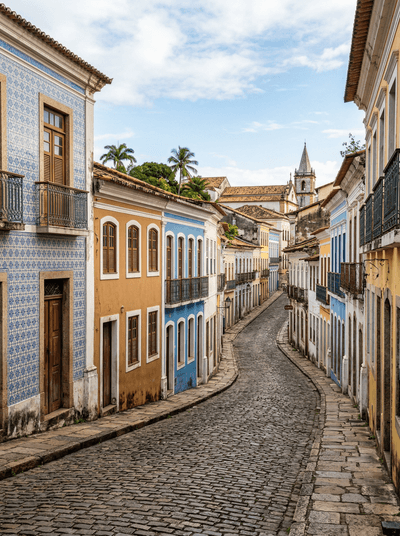
São Luís
Brazil
Hand-painted Portuguese tiles across four thousand colonial houses, cooling the walls against equatorial heat.
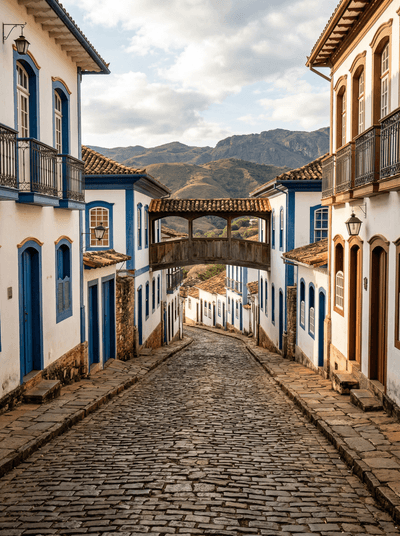
Diamantina
Brazil
A diamond-rush town on a mountainside where Brasília's builder grew up in a mud-and-stick house.
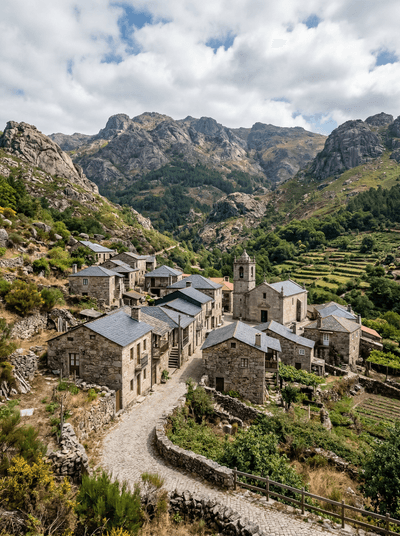
Pitões das Júnias
Portugal
A monastery abandoned to wolves and rain crumbles beside a waterfall at the road's end.
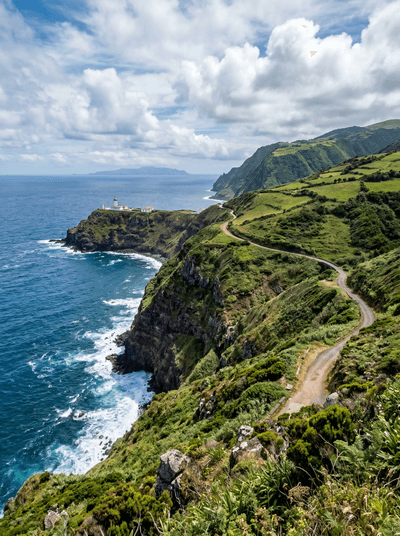
São Jorge
Portugal
Knife-edge ridges drop to coastal fajãs — green platforms born from cliff collapses.
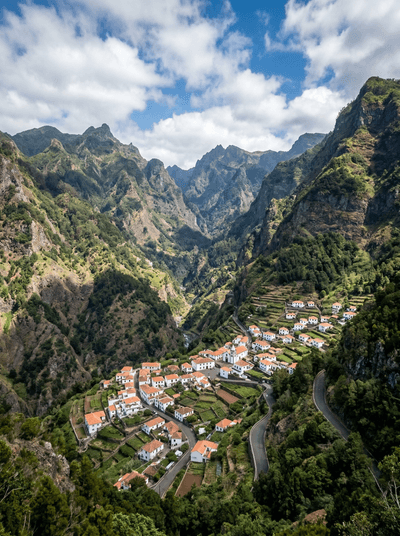
Curral das Freiras
Portugal
A village hidden in a mountain bowl so deep that nuns fled here from pirates.