Italy
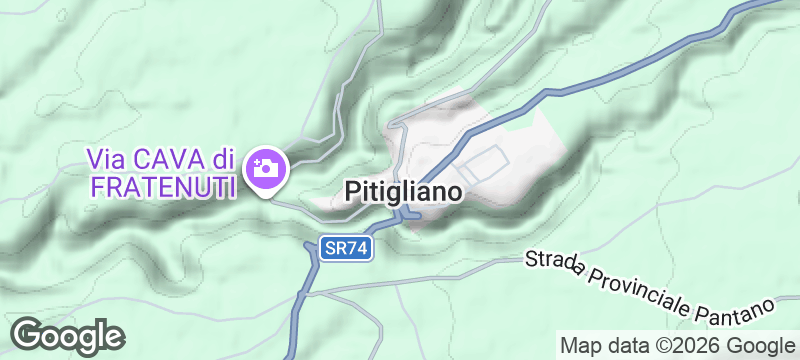
Pitigliano
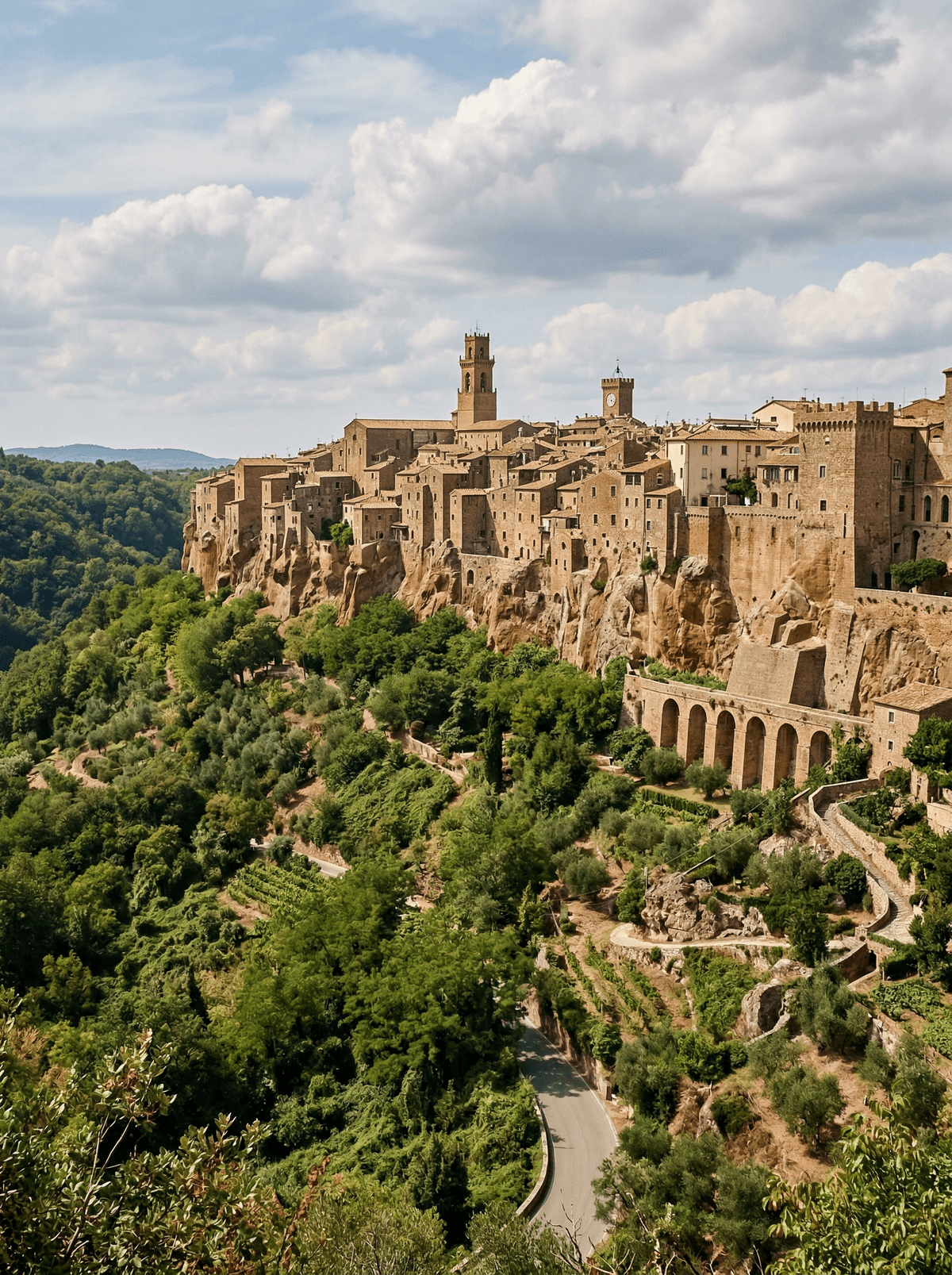
A town growing from a tufa cliff as if the rock itself decided to become architecture.
The town appears without warning: tufa cliffs rising out of a river gorge, and on top of them houses in the same ochre as the stone beneath. Approach from the south and the whole cliff face reveals itself. The line between geology and architecture simply dissolves.
Pitigliano stands on a tufa plateau above the Lente, deep in the Maremma and far from the Chianti circuit. Its Jewish community flourished from the sixteenth century, when refugees from the Papal States settled here; the town earned the name Little Jerusalem, and the synagogue of 1598 and its ghetto quarter survive. Beneath the walls, the Etruscans' sunken roads cut cool corridors through the rock, older than Rome and still walkable. Cellars for wine and oil are still worked inside the cliff itself, medieval rock rooms doing their original job.
Solo
The sunken roads, the quiet synagogue and the cliff cellars each ask for time; layers like these suit a traveller answering to nobody.
Couple
See it in the evening light from the south road, glowing above the gorge, then settle in with sfratto pastries and a cold local white.
- The synagogue of 1598 and its ghetto quarter earned Pitigliano the name Little Jerusalem.
- The Etruscans' hollow ways, roads sunk deep into the tufa, run straight out from below the walls.
- Working cellars survive inside the cliff, wine and oil stored in medieval rock rooms.
- The southern approach reveals the full cliff face, town and rock fused into one wall.
Sfratto dei goym, a baton-shaped honey-and-walnut pastry, carries the Jewish quarter's history in its name.
Bianco di Pitigliano, flinty and dry from vines in volcanic soil, is the table wine of the tufa country.
São Luís
Brazil
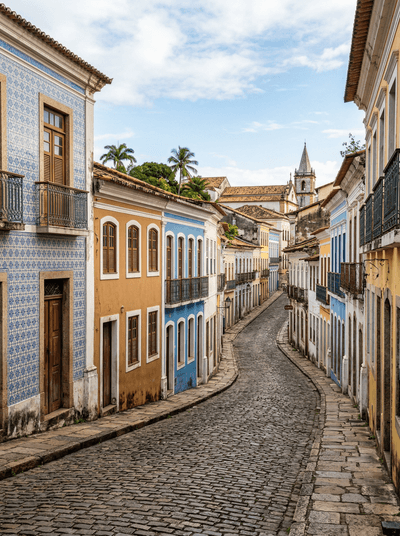
Hand-painted Portuguese tiles across four thousand colonial houses, cooling the walls against equatorial heat.
Azemmour
Morocco
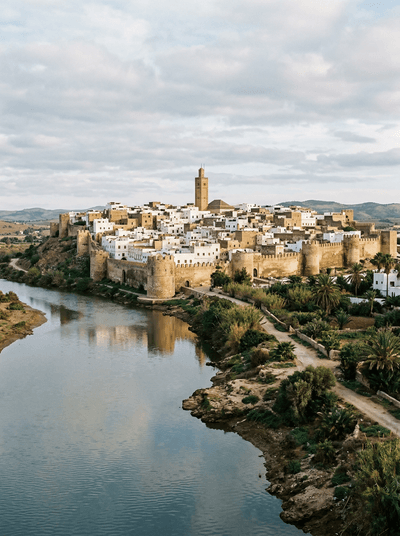
The first recorded African in the American Southwest was born beside this muralled river medina.
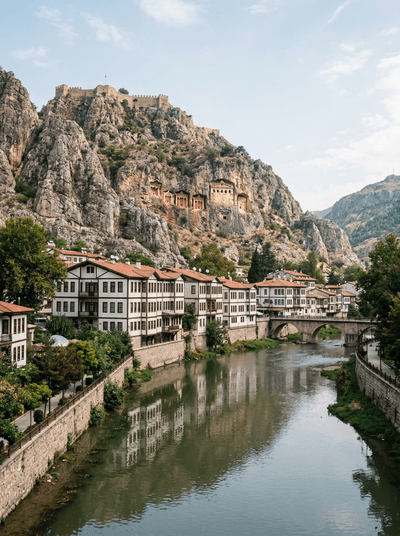
Amasya
Turkey
Ottoman mansions reflected in a narrow river gorge, Pontic rock tombs carved into the cliff above.
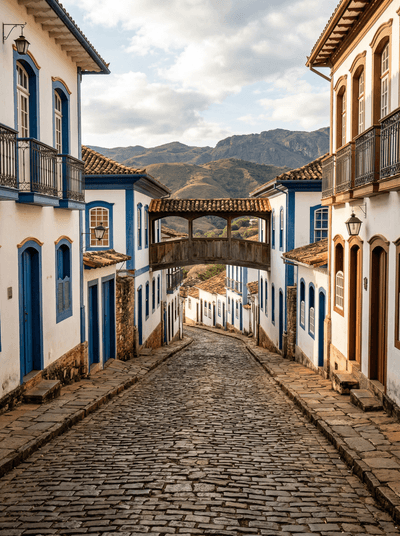
Diamantina
Brazil
A diamond-rush town on a mountainside where Brasília's builder grew up in a mud-and-stick house.
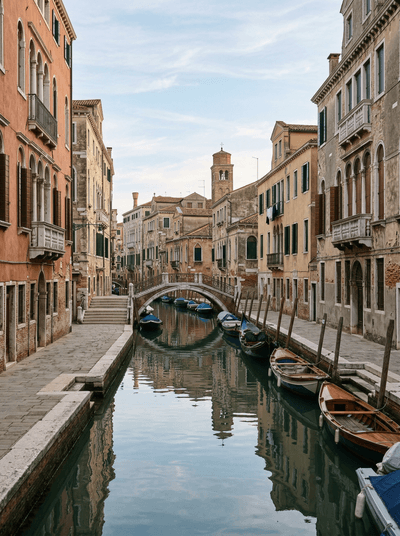
Venice
Italy
Dawn light on a silent canal where only your footsteps echo on wet stone.
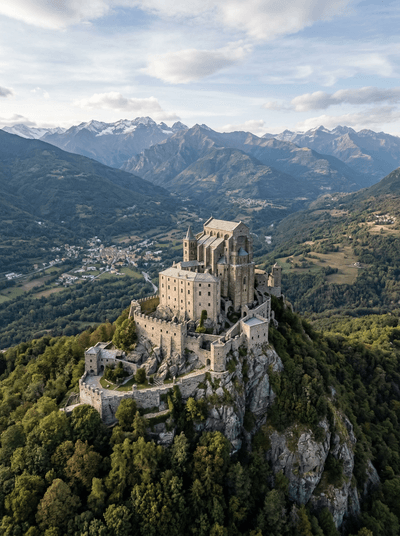
Sacra di San Michele
Italy
A thousand-year-old abbey growing from a mountaintop, its staircase carved through living rock.
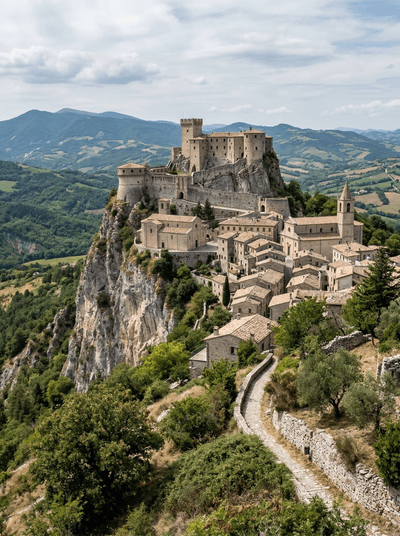
San Leo
Italy
The occultist Cagliostro died a prisoner in this fortress, in a cell entered through its ceiling.
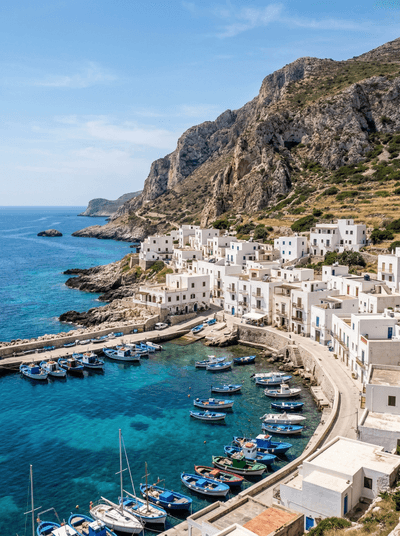
Marettimo
Italy
No cars, almost no hotels, just fishermen's paths above the sea at the farthest Egadi island.