
South Africa
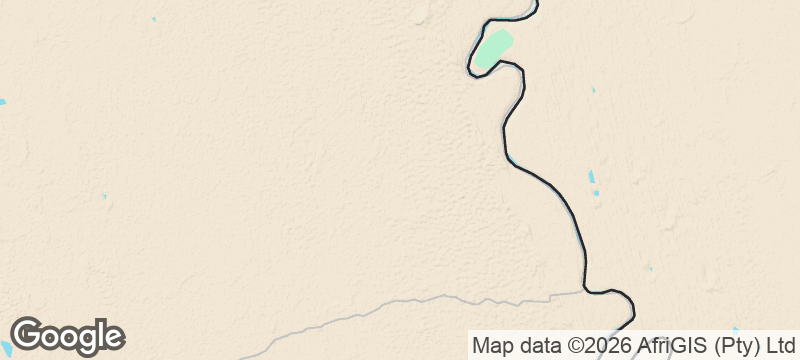
Kgalagadi Transfrontier Park
Black-maned lions patrol dry riverbeds between red dunes and camelthorn trees.
At first light, tracks stitch the pale riverbed beneath red dune shoulders. A black-maned lion appears where the camelthorn shadow ends.
The park is linear, vast and best approached through patient riverbed drives. Predators and antelope use the same dry corridors, so waiting at one waterhole can reveal more than constant motion. Nights in remote camps make the red-dune landscape feel larger still.
Solo
Base at a main camp first, carry extra water and let the two riverbed roads provide patient wildlife days before considering a remote wilderness camp.
Couple
Book well ahead, move between only a few camps and make sunset at the waterhole the evening ritual; self-sufficiency protects the quiet.
Family
Twee Rivieren’s restaurant and facilities make the easiest base, with shorter drives and frequent stops before attempting the more remote camps.
- Kgalagadi links conservation land across South Africa and Botswana.
- May to October brings cooler, drier wildlife-viewing conditions.
- The dry Auob and Nossob riverbeds are the park's wildlife highways.
- Remote camps require extra water and vehicle preparation.
Dinner is a braai beneath the camelthorns, cooked from what you carried up the riverbed roads.
Daybreak runs on rusks and moerkoffie before the riverbed drives.
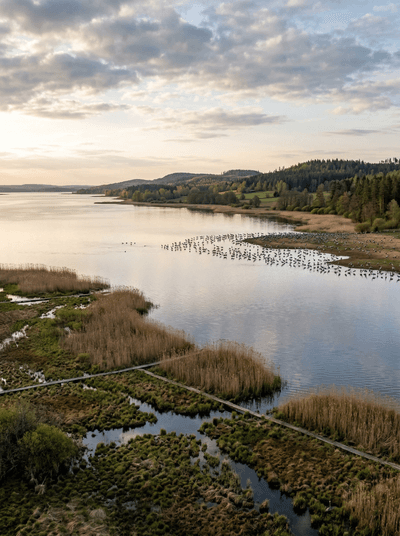
Hornborgasjön
Sweden
Thousands of cranes dancing at a restored lake each spring — a resurrection with wings.
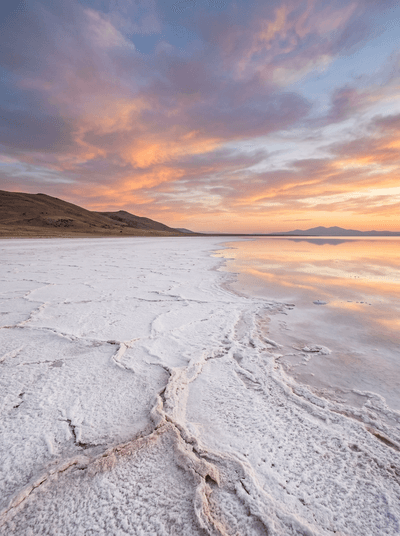
Tuz Gölü
Turkey
Blinding white salt stretches to every horizon, mirroring the sky when millimetres of water return.
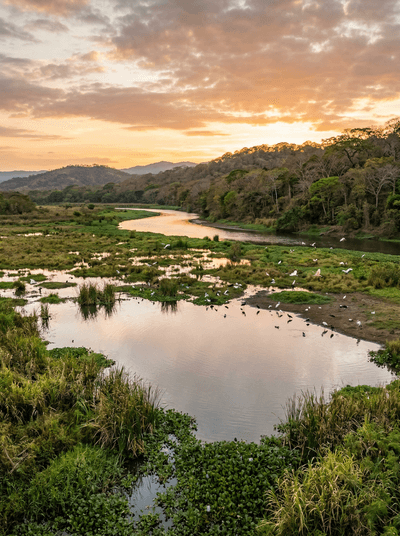
Palo Verde National Park
Costa Rica
Ten thousand hectares of marsh erupt with waterbirds while crocodiles bask below limestone hills.
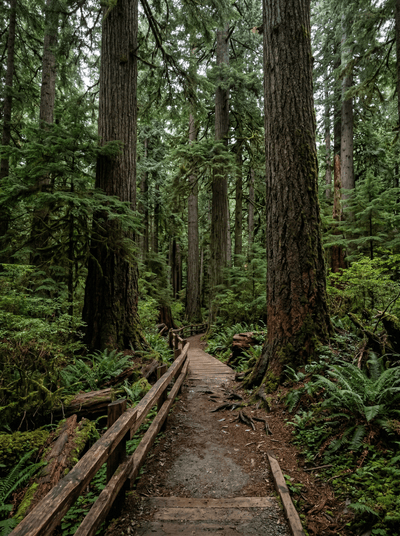
Cathedral Grove
Canada
Douglas firs eight centuries old stand within steps of the island highway.
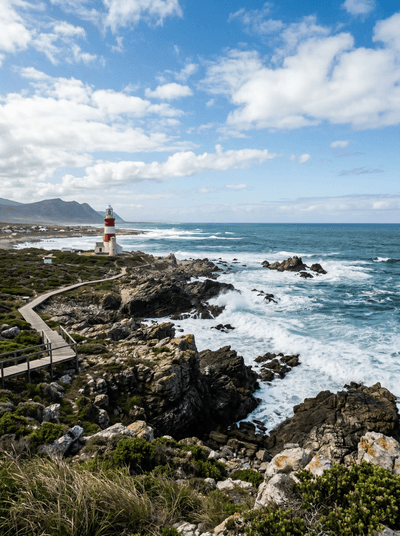
Cape Agulhas
South Africa
Africa ends in low fynbos, shipwreck water and a red-striped lighthouse.
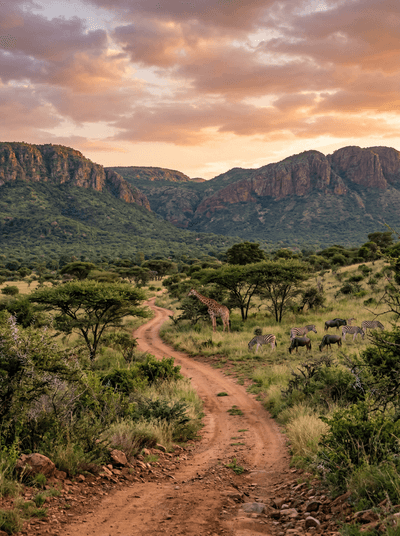
Marakele National Park
South Africa
A mountain road climbs towards a cliff colony of Cape vultures above savanna.
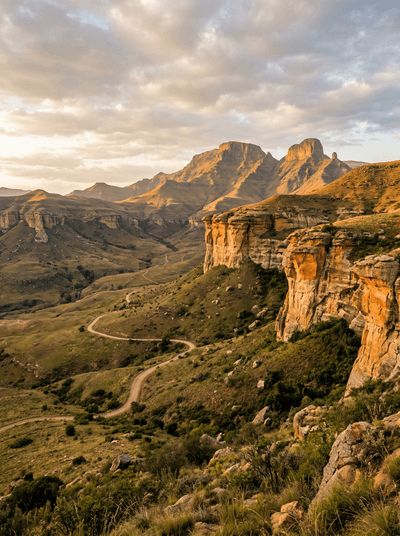
Golden Gate Highlands National Park
South Africa
Sandstone walls flare gold above grassland where black wildebeest graze.
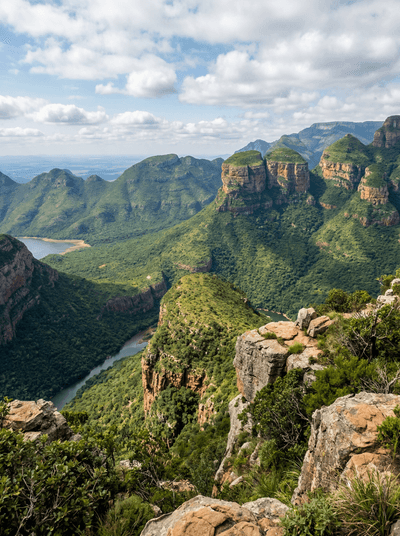
Blyde River Canyon
South Africa
Green canyon walls fold around a blue reservoir beneath three round mountain heads.