Tanzania
Kilwa Kisiwani
Crumbling coral mosques on a tidal island that once controlled the gold routes of medieval Africa.
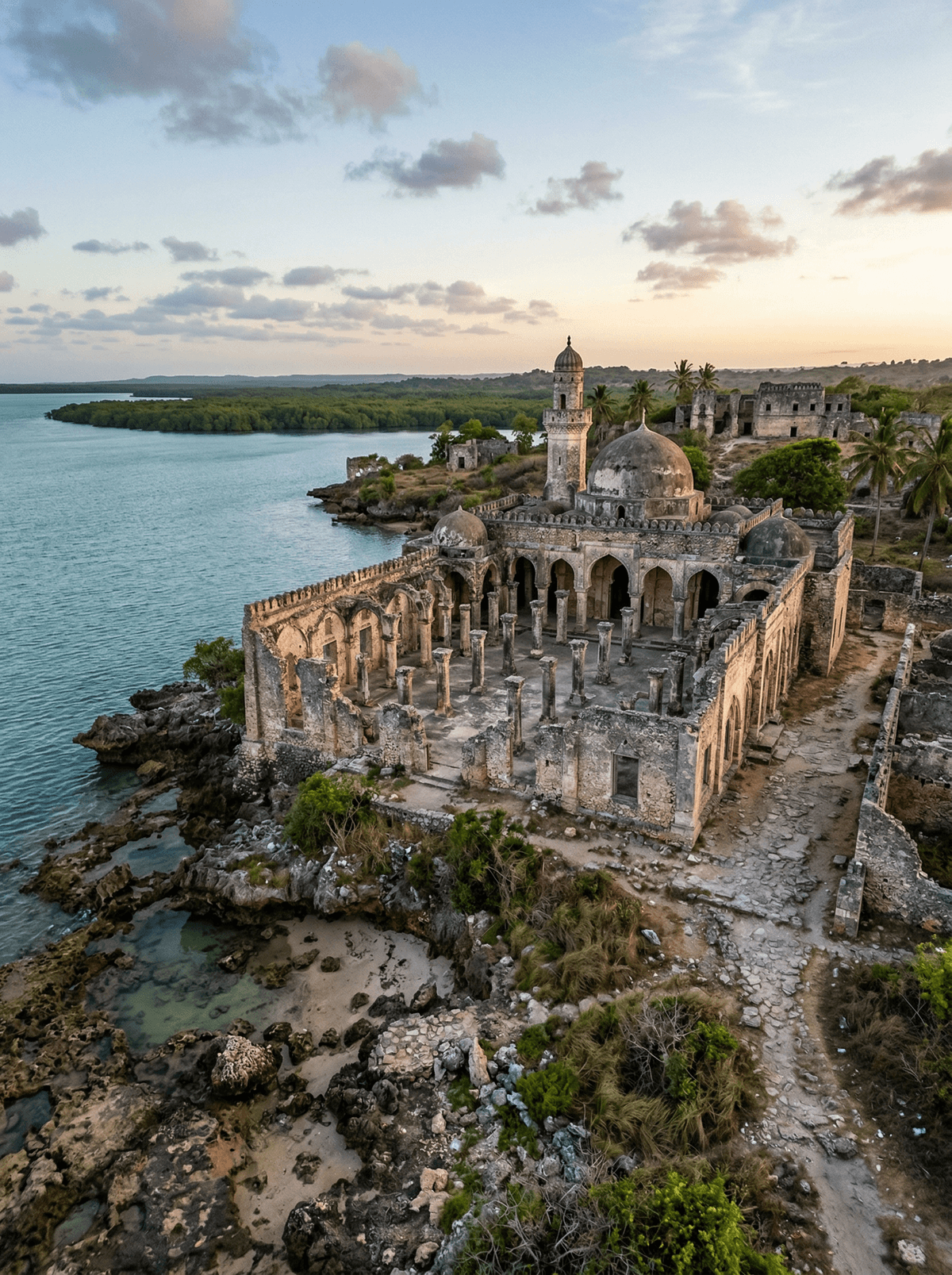
The dhow rocks gently as it crosses the channel, and then the ruins appear: coral-stone walls rising from mangrove and sand, arched doorways framing the Indian Ocean beyond. The silence is total. Kilwa Kisiwani feels less like a ruin and more like a city holding its breath.
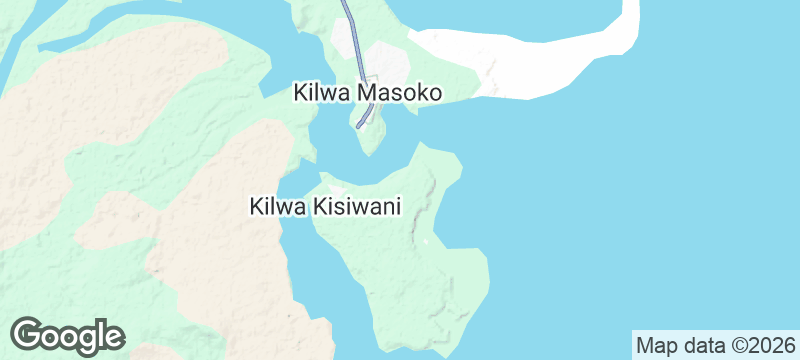
Kilwa Kisiwani is a UNESCO World Heritage Site on a small tidal island off Tanzania's southern coast. Between the 11th and 15th centuries, it was the wealthiest city on the East African seaboard — the hub through which Zimbabwean gold, Mozambican ivory, and Indian textiles flowed across the Indian Ocean trade network. The Great Mosque, originally built in the 11th century and expanded in the 14th, remains one of the oldest surviving mosques in sub-Saharan Africa. The Husuni Kubwa palace complex once featured an octagonal swimming pool and over a hundred rooms. Ibn Battuta visited in 1331 and described it as one of the most elegant cities he had seen. Today the ruins stand in quiet decay, reached by a short boat crossing from the mainland town of Kilwa Masoko.
Solo
Walking the ruins alone, with only a local guide and the sound of the tide, allows the scale of what existed here to sink in properly. This is contemplative travel at its deepest.
Couple
The boat crossing, the emptiness of the island, and the weight of the history create something rare — a place that feels shared between just the two of you and eight centuries of story.
Friends
For groups drawn to off-grid exploration, Kilwa Kisiwani delivers. The combination of boat transfer, ruined palaces, and the near-total absence of other visitors makes it feel like a genuine expedition.
- A UNESCO-listed island with the Husuni Kubwa palace complex — 14th-century Swahili architecture as sophisticated as anything built in sub-Saharan Africa, sitting in coastal scrub with almost no other visitors.
- Kilwa controlled the Indian Ocean gold trade route from interior Zimbabwe to Arabia from the 10th to 16th centuries — the most powerful city-state in sub-Saharan Africa for 400 years, and the ruins substantiate the claim.
- Ibn Battuta visited in 1331 and described Kilwa as among the finest cities in the world — the same walls, arches, and carved coral he saw are still standing.
- A 20-minute local ferry from Kilwa Masoko is the only access needed: arrive, explore a World Heritage Site largely alone, and return the same afternoon.
Fresh fish grilled on the beach by local fishermen, eaten with coconut rice.
Swahili coast cooking at its most elemental — octopus, cassava, and lime.
Chai ya tangawizi (ginger tea) sipped while watching dhows cross the channel.
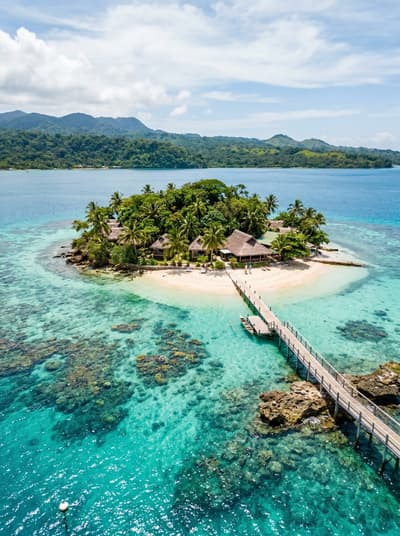
Hideaway Island
Vanuatu
Post a waterproof postcard from the world's only underwater post office, then snorkel its coral reef.
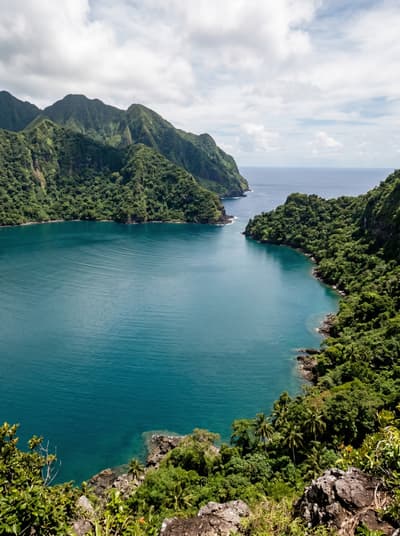
Ureparapara
Vanuatu
Sail into the flooded crater of a horseshoe-shaped volcanic island where fewer than 500 people remain.
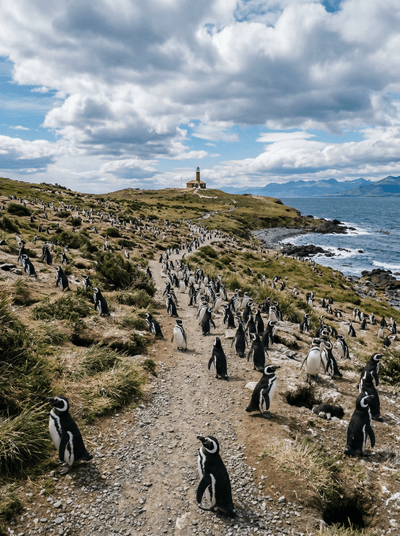
Isla Magdalena
Chile
Magellanic penguins in their tens of thousands, nesting so close you walk through their colony.
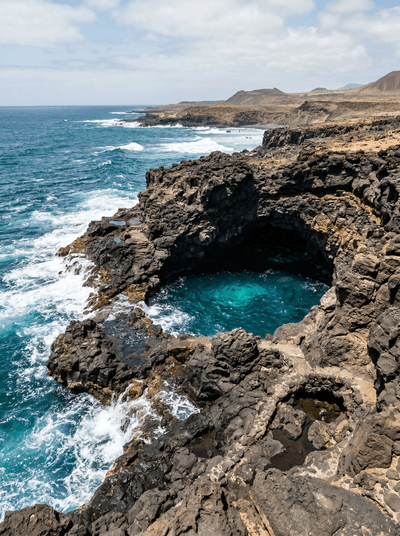
Buracona
Cape Verde
At midday, sunlight plunges through volcanic rock and ignites an underwater cave into electric blue.
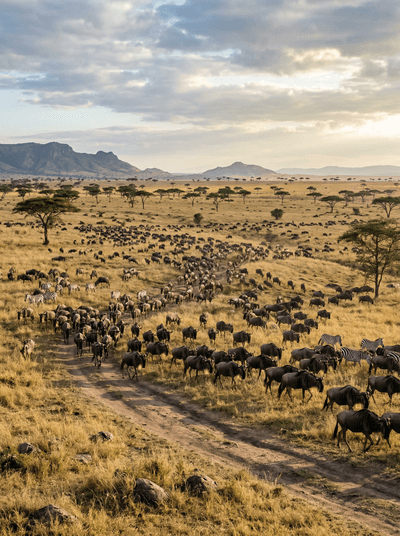
Serengeti National Park
Tanzania
Two million hooves drum the plains in a migration so vast the earth trembles.
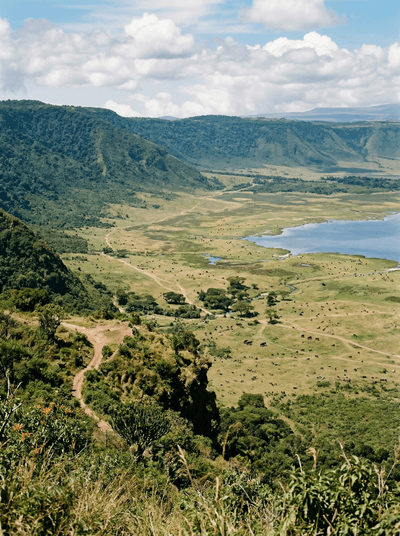
Ngorongoro Crater
Tanzania
A volcanic caldera so vast it holds its own weather, elephants dwarfed to ants below.
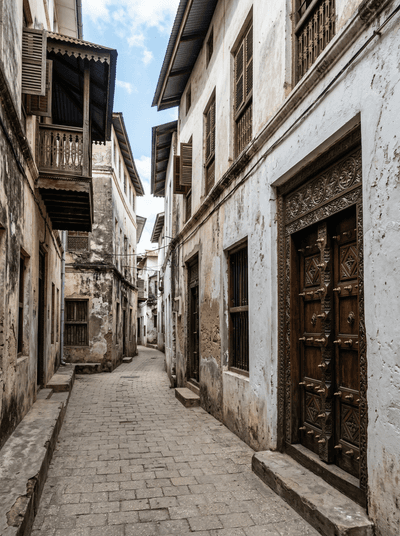
Stone Town
Tanzania
Carved teak doors line alleys thick with clove and cardamom, muezzin calls drifting from coral minarets.
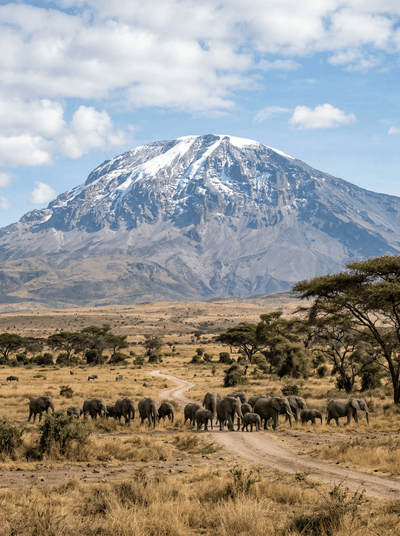
Mount Kilimanjaro
Tanzania
Glaciers clinging to the equator, five climate zones stacked vertically from jungle floor to arctic summit.