Tanzania
Ngorongoro Crater
A collapsed volcano holds its own weather, its own herds, and Maasai cattle besides.
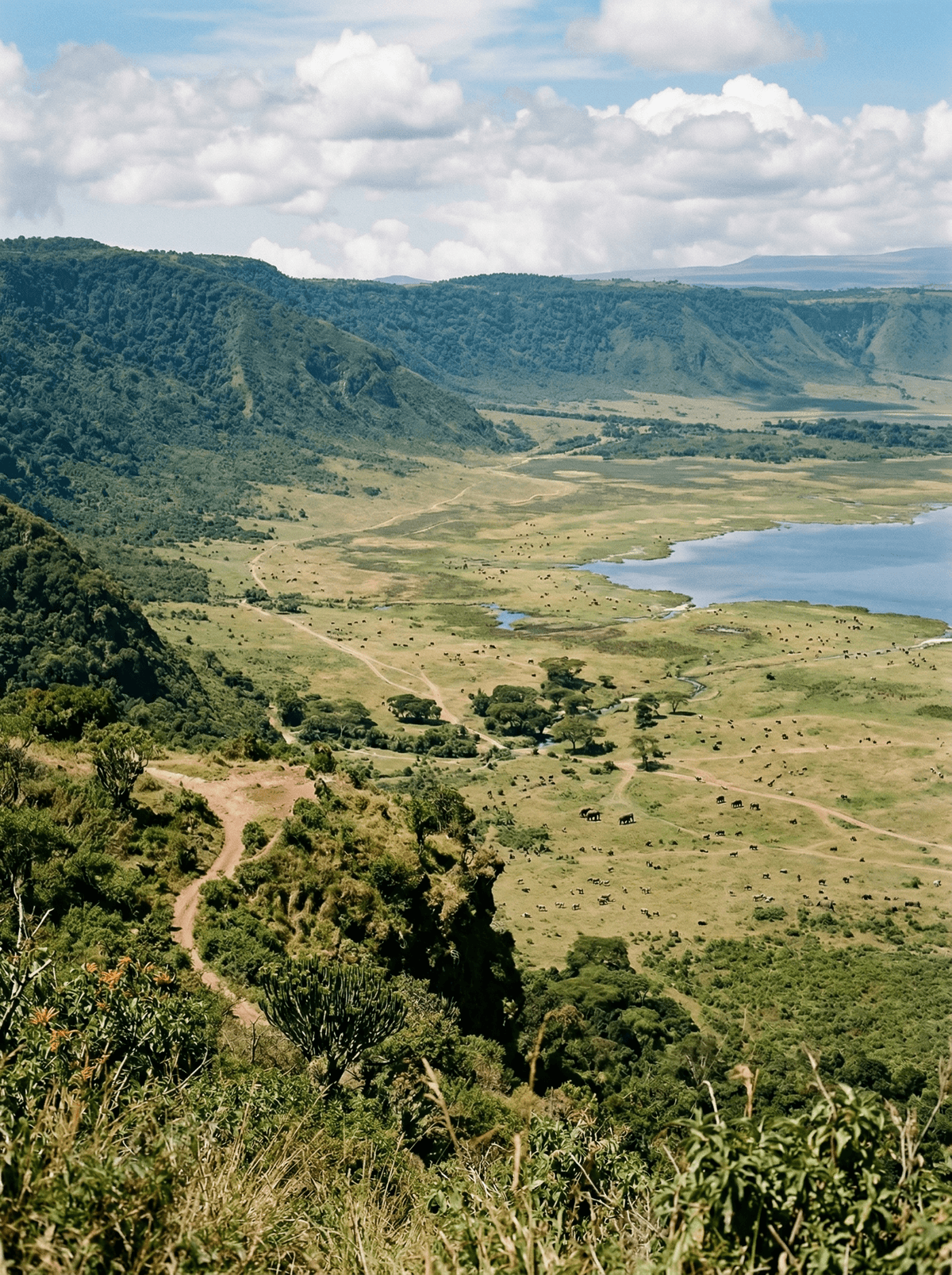
From the rim at dawn the caldera floor sits under its own weather, mist pooling far below. Elephants down there move like specks; the walls hold a complete world in a bowl.
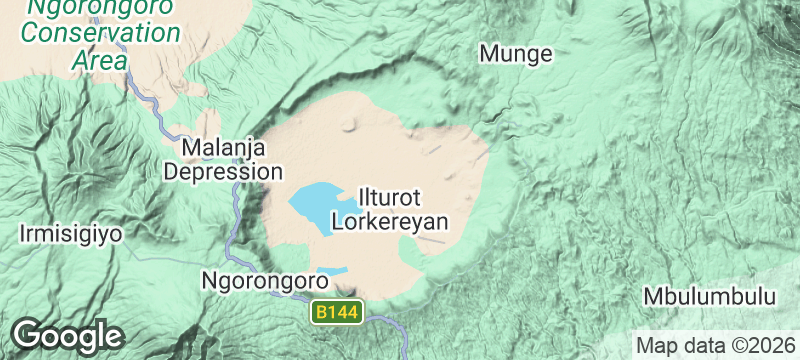
Ngorongoro is the world's largest intact volcanic caldera, roughly twenty kilometres across, its floor a self-contained round of grassland, woodland and soda lake where wildlife lives year-round. It is also lived-in: Maasai pastoralists graze cattle within the conservation area, one of Africa's great mixed-use landscapes, with the tensions of tourism and residence managed rather than hidden. The crater drive descends for the day, three hours from Arusha with entry fees set deliberately high, and the area's archaeology, Olduvai and Laetoli, pairs naturally with the wildlife circuit.
Solo
Independent visitors can combine a licensed crater drive with archaeology while respecting this inhabited conservation landscape.
Couple
Two curious travellers can balance wildlife watching with the deeper human story of Ngorongoro.
Family
The crater suits families whose children can manage a long drive and understand that animals choose where to appear.
Friends
A small group can split vehicle costs and give equal attention to caldera ecology, archaeology and resident communities.
- The caldera floor keeps wildlife year-round inside twenty kilometres of walls.
- Maasai herders graze the same conservation area, tradition and wildlife sharing ground.
- Olduvai and Laetoli's archaeology sits within the same conservation area.
- Dry-season short grass makes June to October the easiest spotting.
The Melia lodge's rim-side kitchen cooks an international-and-local fusion menu.
The floor itself has no kitchen; lodges pack the crater picnic.
Kakadu National Park
Australia
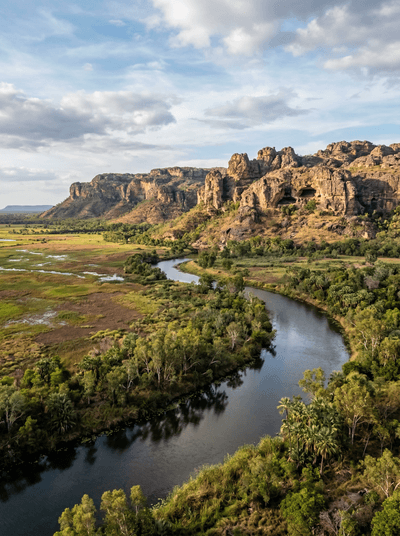
Layered rock art looks across floodplains remade six times a year.
Emberá Communities of the Chagres
Panama
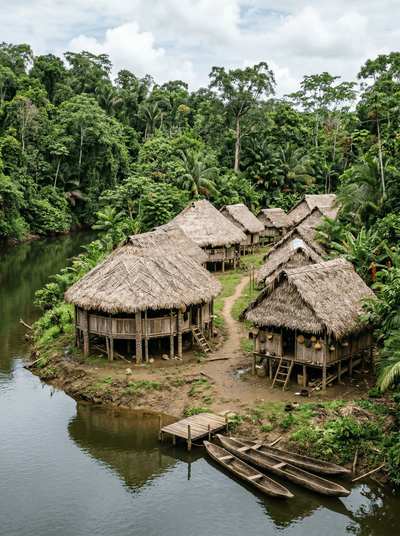
Upriver by dugout canoe to a village where tattoos are drawn from a rainforest fruit.
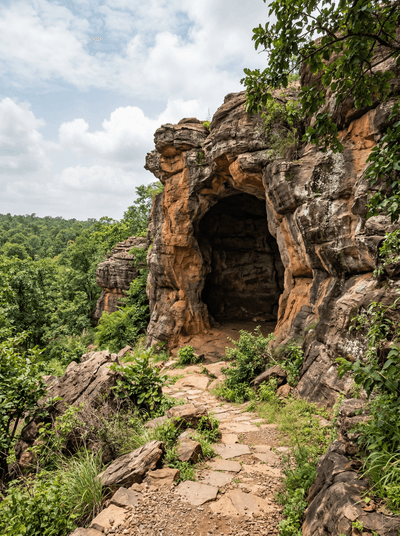
Bhimbetka
India
Prehistoric hunting scenes painted in blood-red ochre across sandstone shelters buried in thick teak forest.
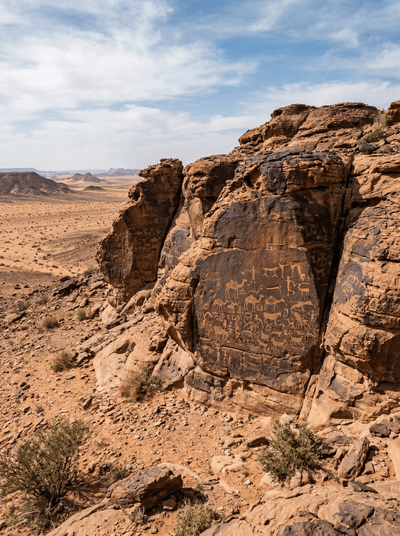
Jubbah
Saudi Arabia
Petroglyphs of camels, ibex and hunters carved into sandstone ten thousand years ago.
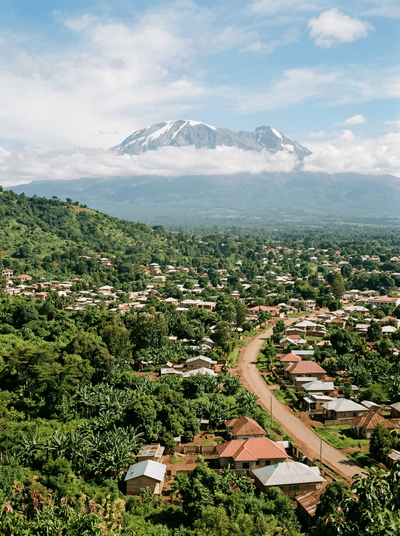
Moshi
Tanzania
Coffee ripens on Kilimanjaro's flank above a town the Chagga farmed first.
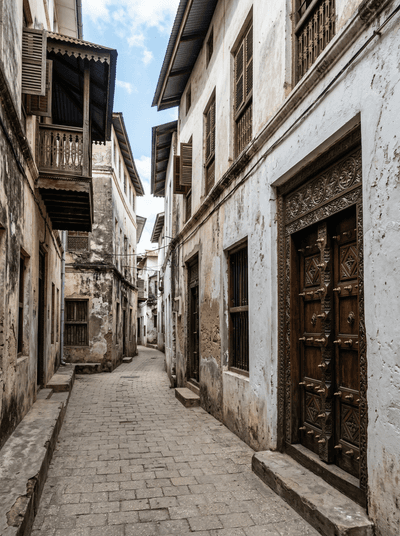
Stone Town
Tanzania
Five hundred carved doors open onto lanes that smell of clove and a thousand years.
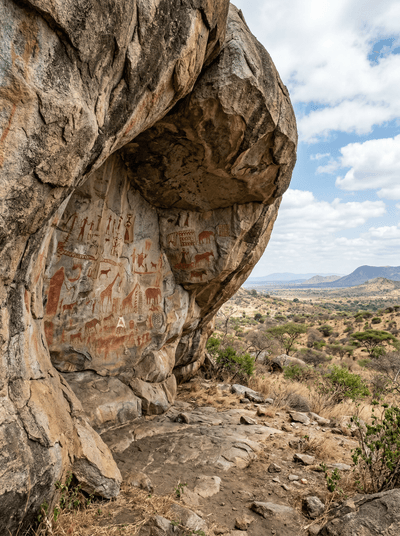
Kondoa Rock Art Sites
Tanzania
Ten thousand years of ochre hunters layer the sandstone of a valley few visit.
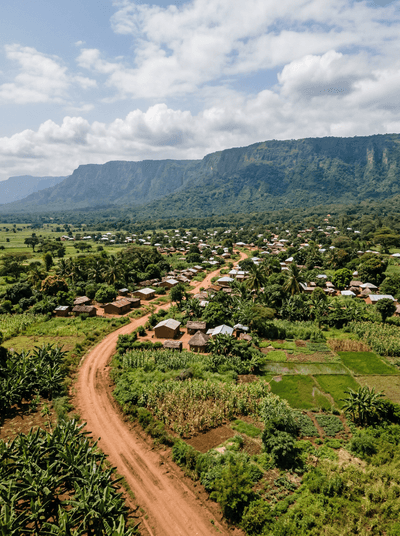
Mto wa Mbu
Tanzania
Thirty banana varieties grow around one village, and only two make the beer.