Kyrgyzstan
Kojomkul
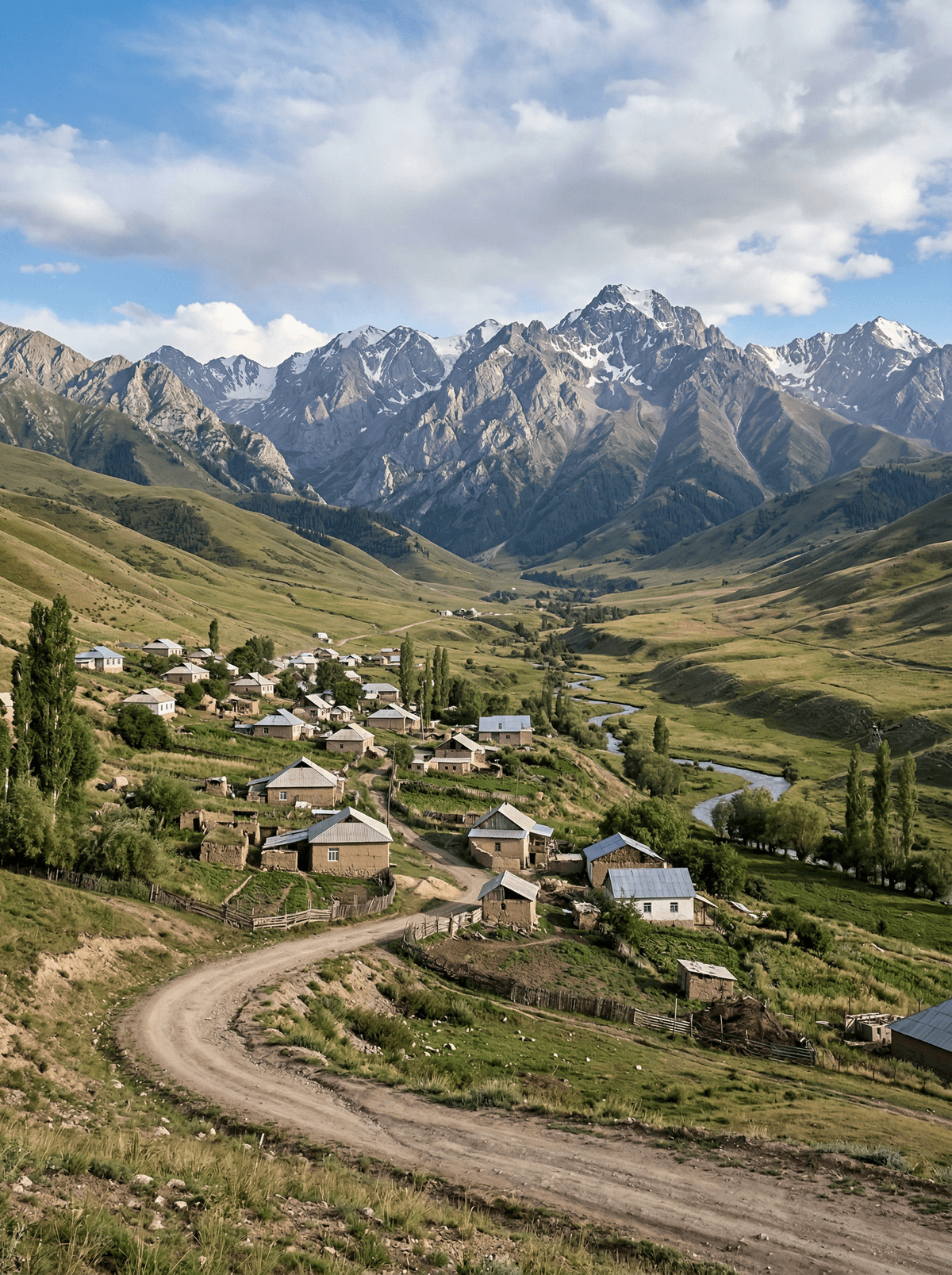
Village named after a 2.3-metre giant — his 700-kilo lifting stones still sit in the meadow.
The lifting stones still sit in the meadow — rough granite boulders that weigh several hundred kilograms each, last raised by a man who stood 2.3 metres tall. Kojomkul village in Kyrgyzstan's Chüy province is named after its most famous son, and the grasslands around it hold his memorial with the quiet pride of a community that measures greatness in physical feats, not monuments.
Kojomkul (Kojo-Mukulov) was a real historical figure, born in 1889, renowned across Kyrgyzstan for his extraordinary size and strength. Local accounts describe him lifting stones that multiple men could not move, and these stones remain at the village as a kind of open-air museum. A small memorial museum in a traditional yurt displays his belongings and tells his story through photographs and oral history. The village sits in the Suusamyr Valley, a broad jailoo (summer pasture) at approximately 2,000 metres, surrounded by the grasslands that define Kyrgyz pastoral life. Visitors to Kojomkul experience a village where folklore and daily life have not yet separated — the stories told about the giant are part of living conversation, not museum plaques.
Solo
Arriving alone at a village this small means being noticed and welcomed. The museum-yurt keeper will tell you Kojomkul's story personally, and the jailoo hospitality — tea, bread, beshbarmak — follows without being asked.
Family
Children are captivated by the giant's story and the lifting stones they can try (and fail) to budge. The open meadows offer space to run, and the village's generous hospitality makes families feel immediately included.
- Kojomkul lived 1889-1955, reportedly stood 2.3 metres tall, and is documented in Soviet-era records as an exceptional strongman.
- His two lifting stones — the larger weighing 700 kg — sit in a meadow beside a small museum, free to visit.
- The village still has an active wrestling tradition with local competitions held in the same meadow where Kojomkul trained.
- Every arriving visitor receives beshbarmak — hand-pulled noodles with mutton — prepared fresh by the guesthouse family.
Generous jailoo hospitality — beshbarmak prepared for any visitor who arrives.
Fresh kumis and cream in the museum-yurt beside Kojomkul's memorial.
Trollskogen (Öland)
Sweden
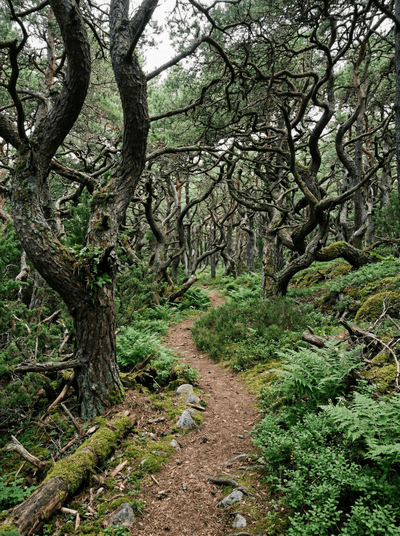
A forest of wind-warped oaks so twisted they look like a witch's spell gone wrong.
Millennium Cave
Vanuatu
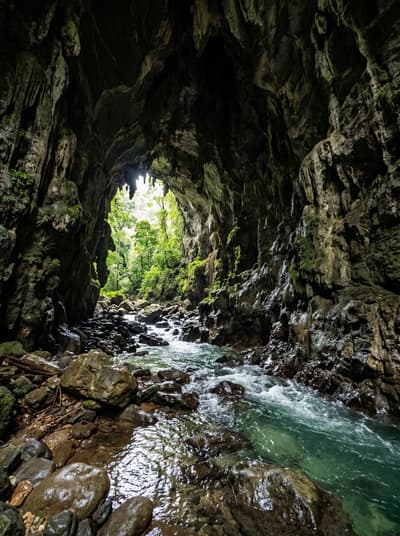
Scramble through jungle and wade chest-deep rivers to a cave you enter walking and exit floating.
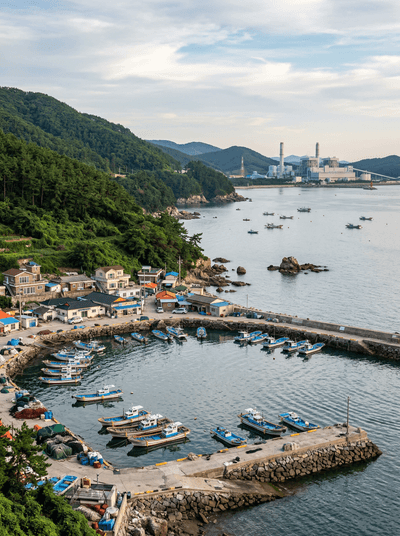
Maryang-ri
South Korea
A five-hundred-year-old forest of camellia trees bleeding red flowers against the grey winter sea.
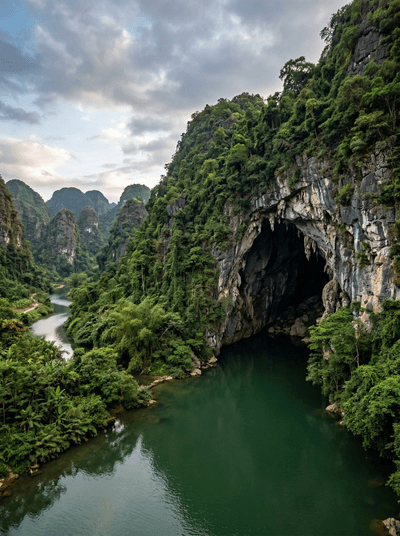
Phong Nha
Vietnam
Hidden jungle portals opening into subterranean river systems and limestone caverns.
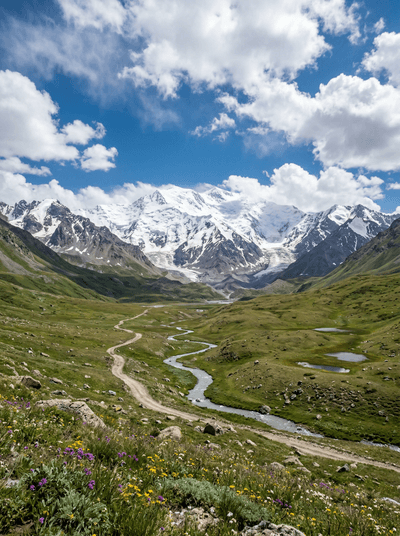
Achik-Tash
Kyrgyzstan
Yurt camps at 3,600 metres beneath a 7,134-metre peak, alpinists and trekkers sharing vodka at sunset.
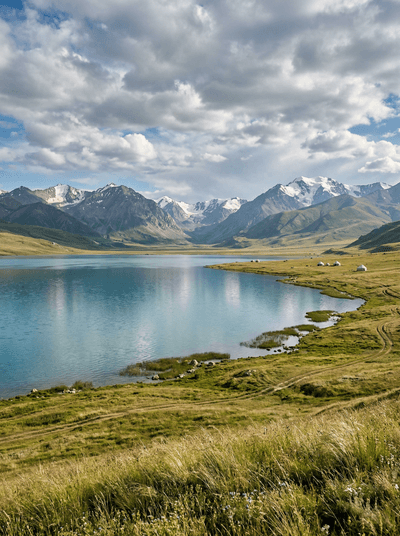
Song-Köl
Kyrgyzstan
Nomad yurts circling a lake at 3,000 metres where the only sound is wind through grass.
Issyk-Kul (South Shore)
Kyrgyzstan
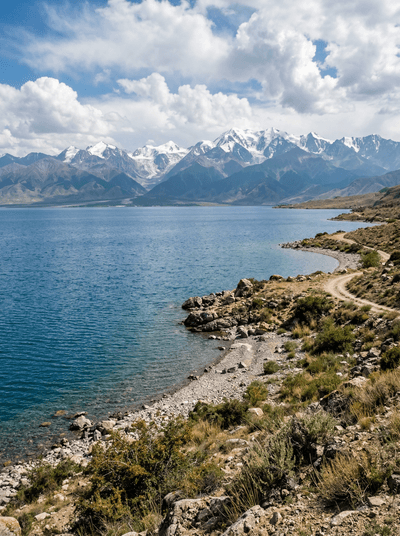
A salt lake that never freezes at 1,600 metres, snow peaks dissolving into haze.
Karakol
Kyrgyzstan
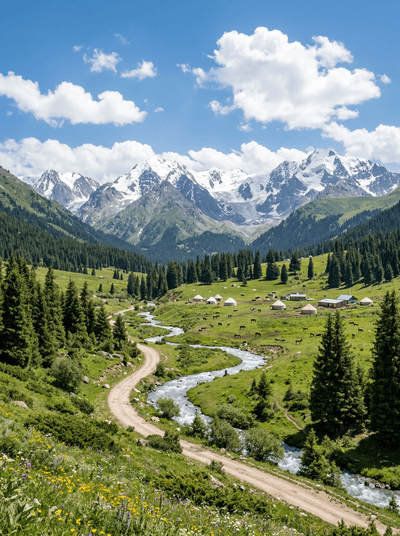
A mosque built without nails beside an Orthodox cathedral — both carved entirely from wood.