India
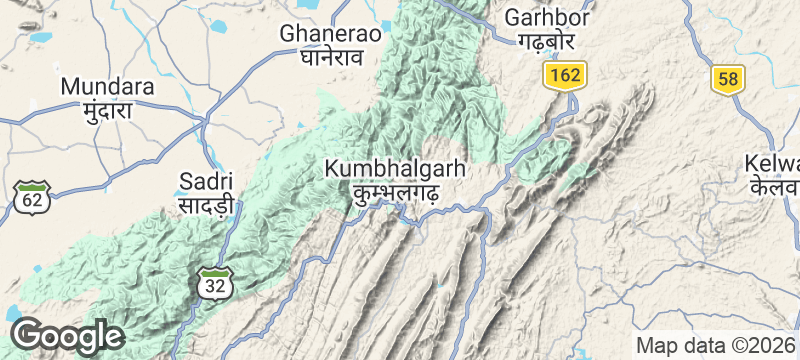
Kumbhalgarh
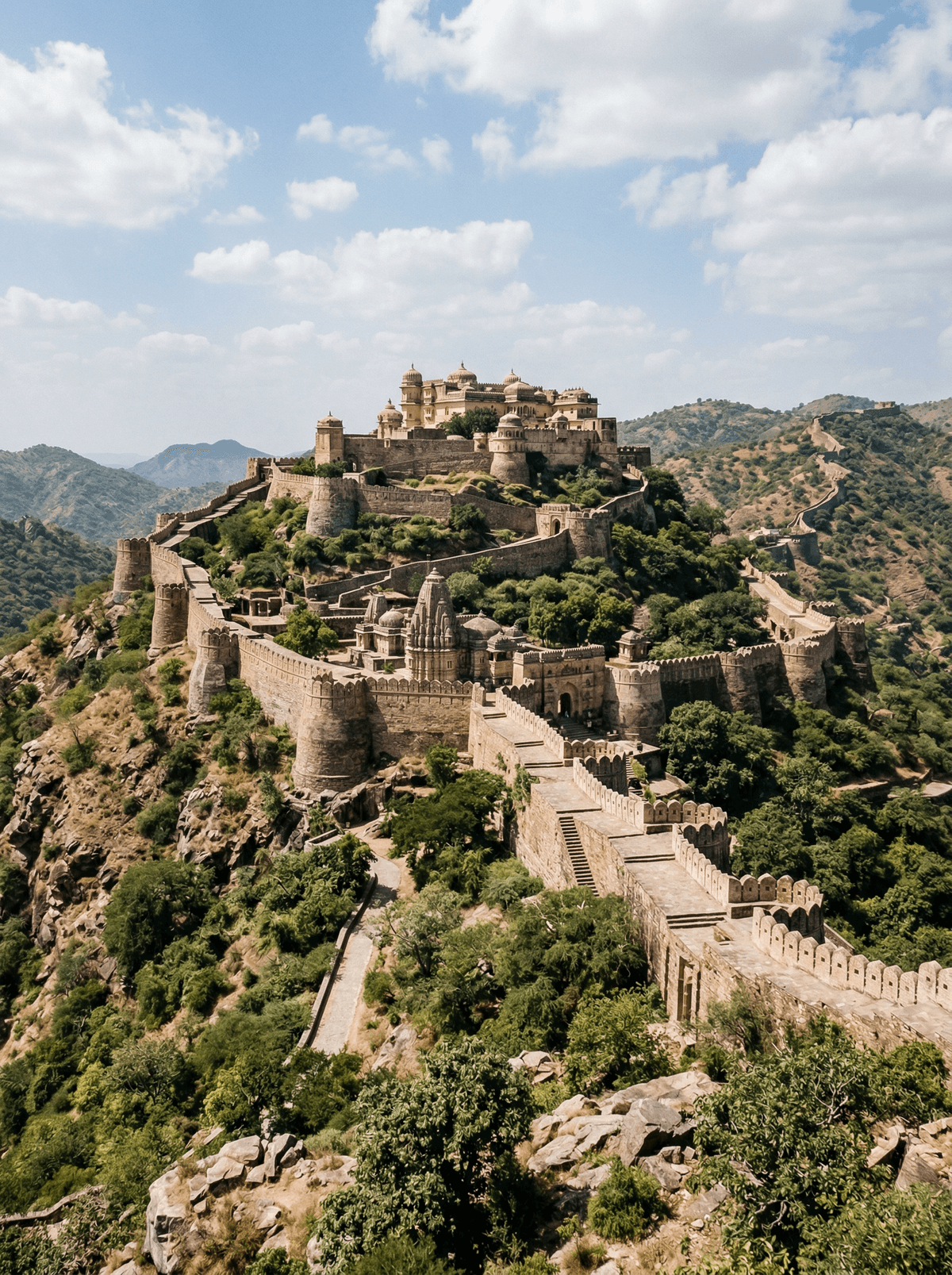
A thirty-six-kilometre fortress wall snaking over the Aravalli peaks like a heavy stone python.
The wall runs along the ridgeline like a spine — thirty-six kilometres of fortification, wide enough for eight horses abreast, enclosing a mountain kingdom of temples, abandoned palaces and dense Aravalli forest. They call it the Great Wall of India, and from the ramparts the name feels earned.
Kumbhalgarh was built by Rana Kumbha in the 15th century and grew into one of India's largest fortified complexes. Its wall runs 36 kilometres long and fifteen feet thick, wrapping more than 360 Hindu and Jain shrines. The Badal Mahal — the palace of clouds — crowns the summit, and the birth chamber of Maharana Pratap, the Rajput who never surrendered to the Mughals, lies inside the walls.
Solo
Walk a stretch of the wall alone at opening — eight horses wide, and today just you.
Couple
Climb to Badal Mahal for the cloud-palace view, then Ranakpur's marble on the drive out.
Family
Older children can measure the wall's width in cartwheels and count temples past a hundred.
Friends
Pair the fort with the leopard sanctuary drive and settle the day at Chowka.
- The 36-kilometre wall rides the ridgelines — the Great Wall of India, fifteen feet thick.
- More than 360 temples and shrines fill the fortified landscape, most of them empty of visitors.
- Maharana Pratap was born here — the fort is a Rajput origin story in stone.
- Badal Mahal crowns the complex, and on a monsoon day the clouds do come through the windows.
At Chowka, The Aodhi's restaurant below the fort, dal baati churma and gatte ki sabzi come with fort views.
Gatte ki sabzi simmers gram-flour dumplings in spiced yoghurt — vegetarian Rajasthan at its best.
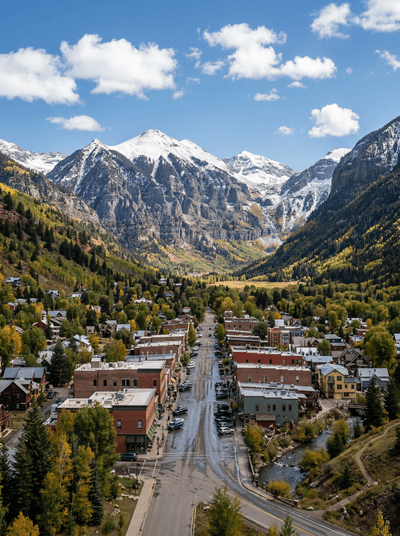
Telluride
United States
A box canyon so steep the waterfall lands in town and the only road dead-ends.
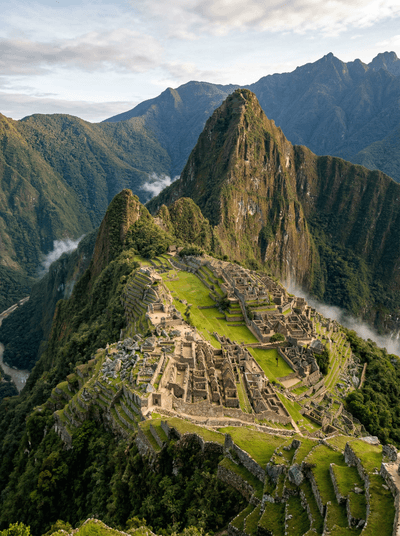
Machu Picchu
Peru
Cloud forest parts at dawn to reveal granite terraces balanced on the edge of the world.
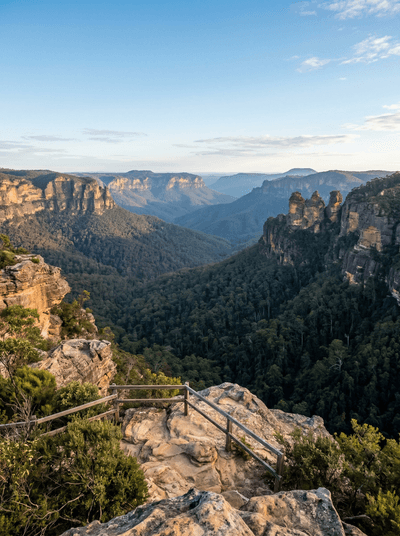
Blue Mountains
Australia
Eucalyptus haze turns a labyrinth of canyons and waterfalls into a blue hallucination.
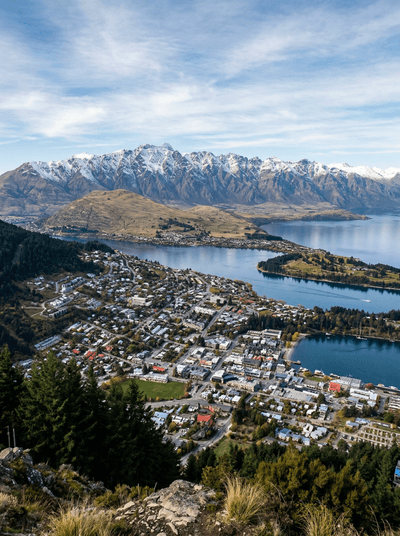
Queenstown
New Zealand
The town where bungee jumping was born, cradled between a glacial lake and jagged peaks.
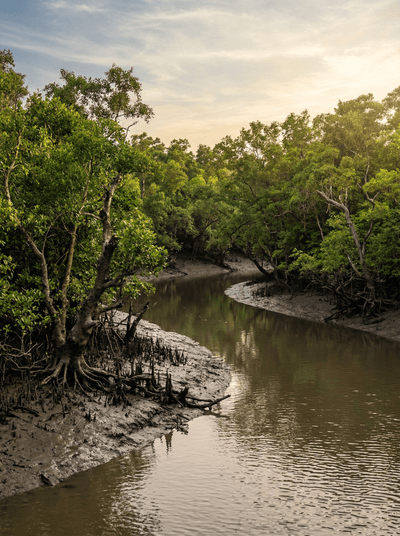
Sundarbans
India
Mangrove swamps where tigers swim across muddy delta rivers and honey-gatherers wear masks facing backwards.
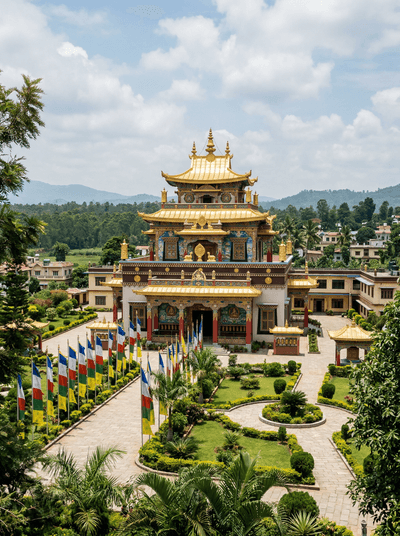
Bylakuppe
India
Maroon-robed monks blowing copper horns in a Tibetan exile settlement hidden among South Indian hills.
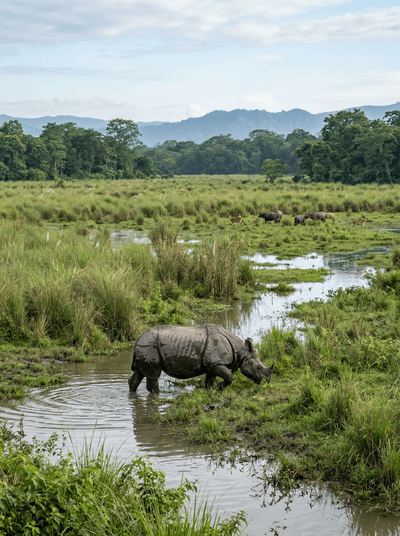
Kaziranga
India
Two-thirds of the world's one-horned rhinos hiding in grass taller than your jeep.