India
Kaziranga
Two-thirds of the world's one-horned rhinos hiding in grass taller than your jeep.
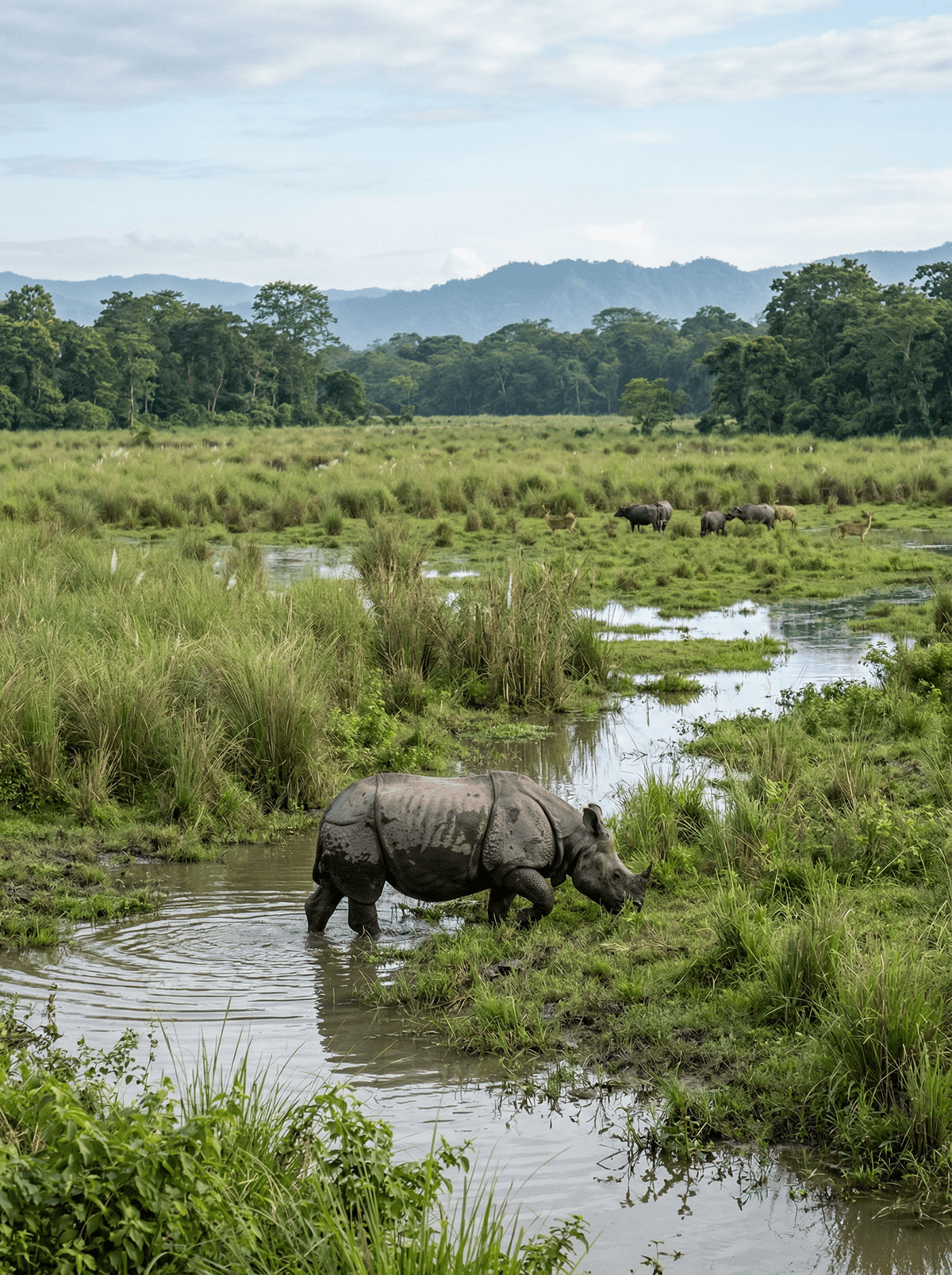
The grass is taller than the jeep. Somewhere in there a one-horned rhinoceros is grazing — you hear it before you see it, a deep snuffling and the crack of stems. Kaziranga holds two-thirds of the world's remaining one-horned rhinos, and they are not shy.
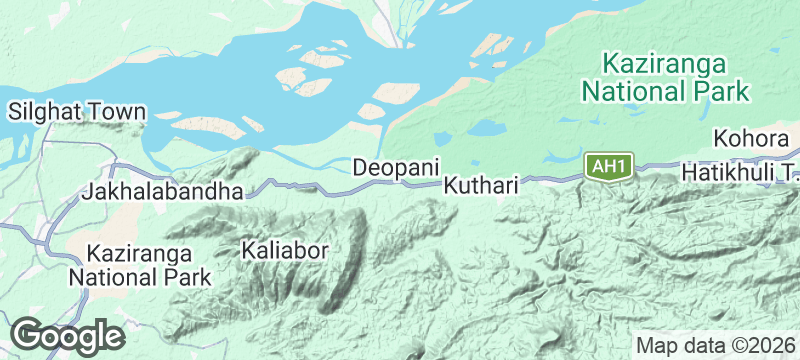
Kaziranga National Park sits on the Brahmaputra floodplain in Assam, a World Heritage Site since 1985 and home to the largest population of Indian one-horned rhinoceros on Earth. The tall elephant grass cuts visibility to metres, which is what makes the encounters electric — rhinos, wild elephants and water buffalo materialise at close range. Every monsoon the Brahmaputra floods the park and the animals retreat to high ground; the tourism season runs from the waters' retreat in October to mid-May.
Solo
Book the dawn jeep alone and listen — the grass tells you where the rhinos are before your eyes do.
Couple
Share the first and last drives of the day, when the light is low and the rhinos come out of the grass.
Family
Children who can sit quiet get rhinos at close range — few safaris anywhere pay off this reliably.
Friends
Split a multi-range jeep plan between you — a different gate each drive, a different Kaziranga each time.
- Two-thirds of the world's one-horned rhinoceros population lives inside this one park.
- The monsoon floods are the ecosystem's engine — the park closes for them and reopens richer each October.
- Wild elephants, water buffalo and swamp deer share the grass with the rhinos — the density rivals East Africa.
- Dawn and dusk drives work the light when the grass goes gold and the animals move.
Masor tenga — Assam's tangy fish curry, sharpened with elephant apple — is an indispensable part of a proper meal here.
Duck cooked slow with ash gourd appears on Assamese tables in season.
Lewa Wildlife Conservancy
Kenya
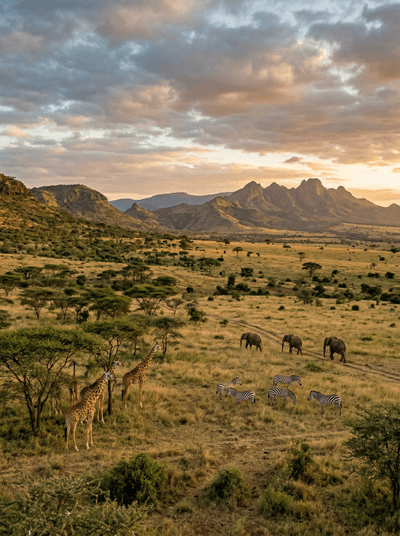
A cattle ranch turned rhino refuge that seeded Kenya's community conservancy movement.
Pantanal
Brazil
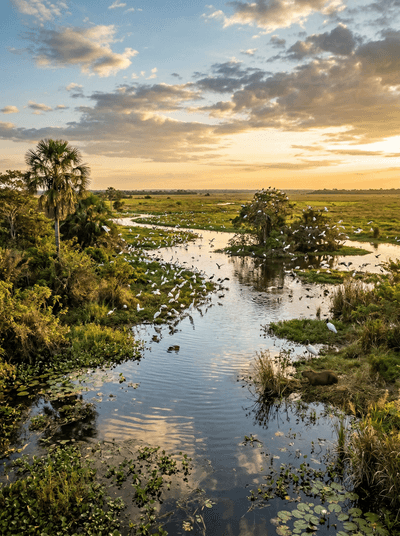
When the water drops the animals come out, and the odds on a jaguar shorten.
Nyerere National Park
Tanzania
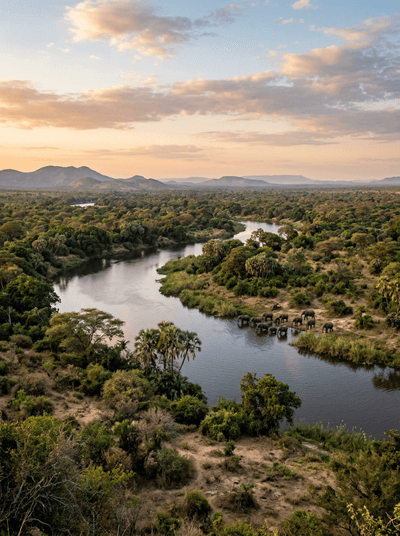
Hippo pods crowd amber channels in a park twice the Serengeti's size.
Cabo Matapalo
Costa Rica
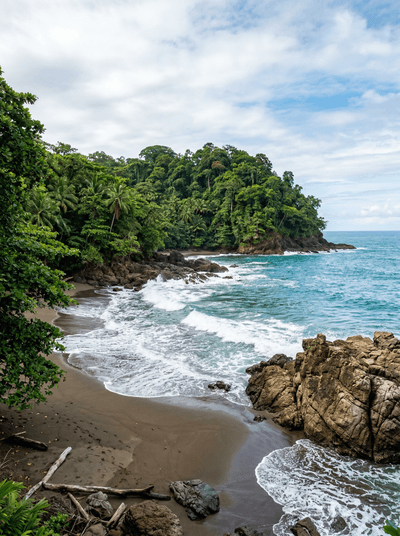
Strangler figs tower over the Osa's wild southern tip, where forest runs unbroken to the sea.
Spiti Valley
India
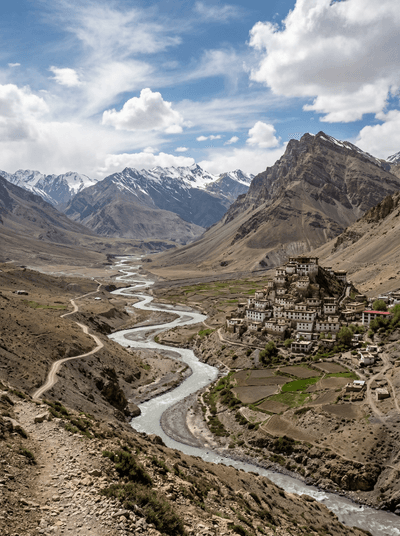
A high-altitude desert of wind-sculpted spires hiding Tibetan monasteries older than the borders.
Hanle
India
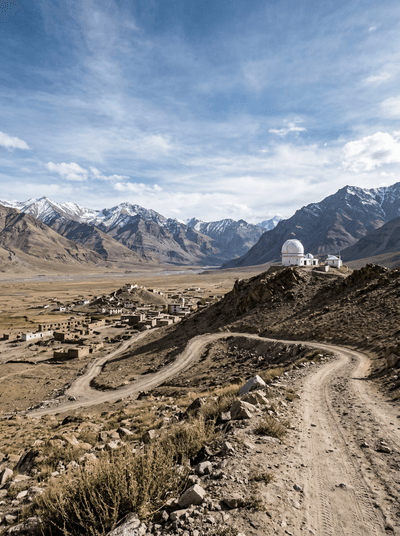
India's darkest night skies, where a hilltop observatory and a Buddhist monastery both point upward.
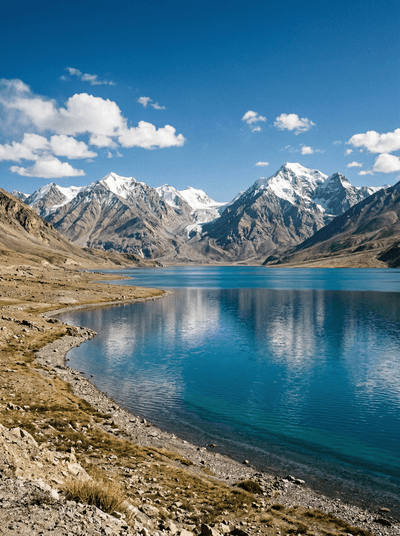
Tso Moriri
India
Nomadic herders grazing pashmina goats beside a high-altitude saltwater lake reflecting barren Himalayan peaks.
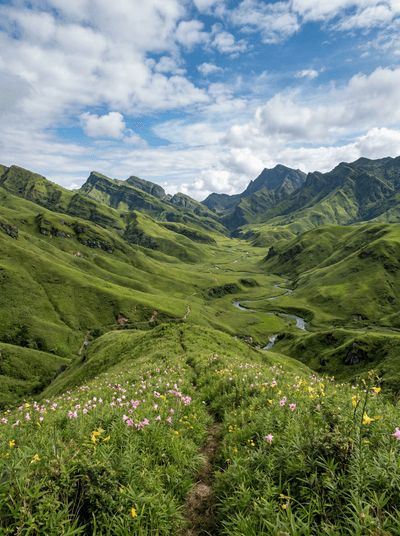
Dzukou Valley
India
Endless rolling mounds of dwarf bamboo hiding ice-cold streams and charred skeletons of ancient trees.