Mexico
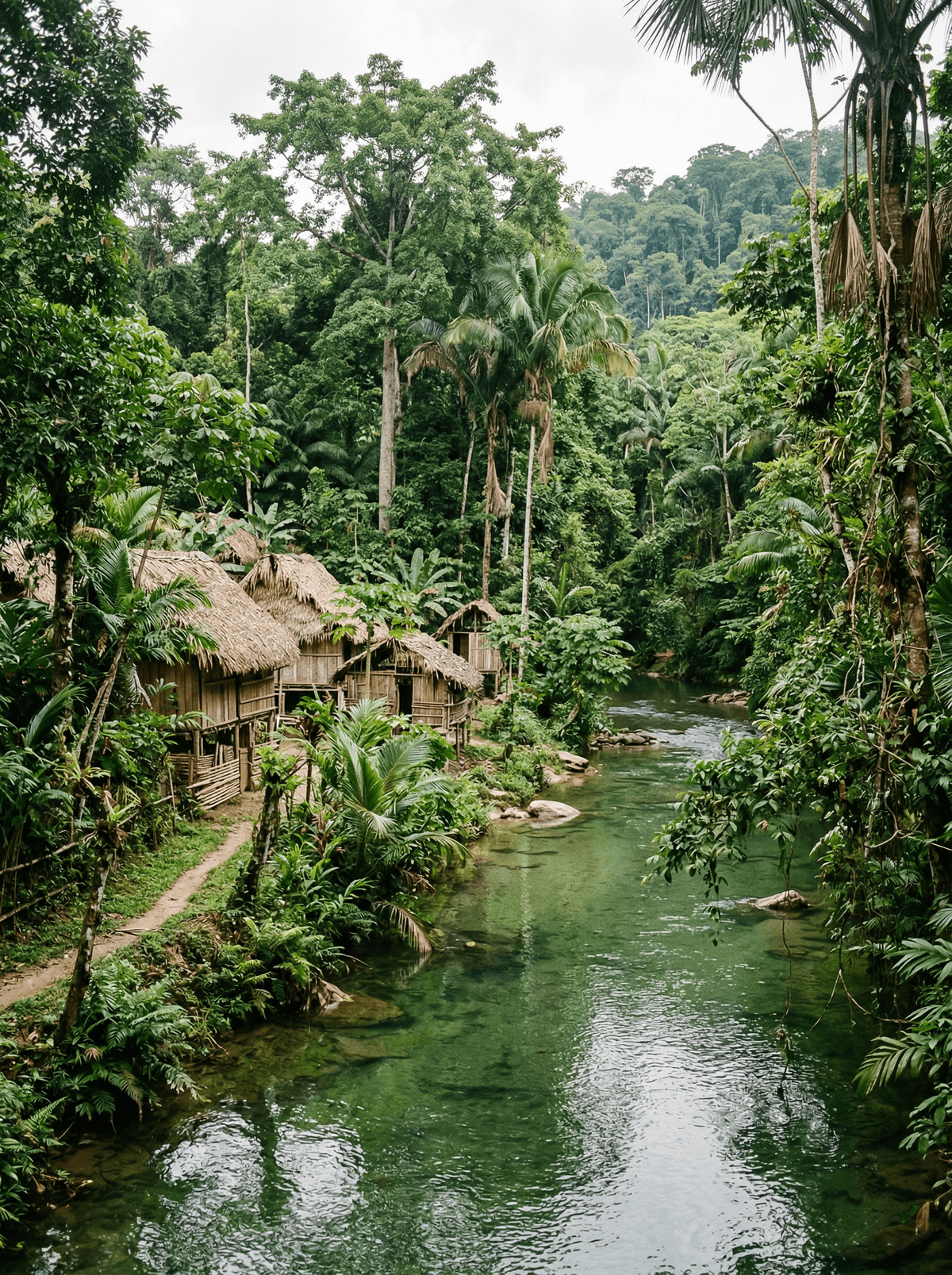
Lacanja Chansayab
Community guides open forest paths from a living Lacandon Maya village.
The village stands where the road gives way to forest, and the forest is the point. Lacandon guides walk visitors under the canopy they know tree by tree, to waterfalls and ruins the highway maps ignore.
Lacanjá Chansayab is a living Lacandon Maya community on the rim of the Montes Azules forest, where community-run cabins and guides open paths to waterfalls and nearby archaeological routes. Respectful visits centre present-day life and local knowledge rather than treating residents as remnants of an ancient culture. The federal cultural registry records the community's distinctive cuisine, down to maize nixtamalised with lime from river-snail shells.
Solo
Stay in a community cabin and take a guided forest day on the hosts' terms.
- Lacanjá Chansayab is a living Lacandon Maya community beside the protected forest of Montes Azules.
- Community-run cabins and guides lead visitors to forest paths, waterfalls and nearby archaeological routes.
- Respectful visits centre local knowledge and present-day life rather than treating residents as relics.
The federal cultural registry records Lacandón cooking here: raw-maize pozol, named forest mushrooms, and maize slaked with lime made from river-snail shells.
The community campamento kitchen serves a simple set menu of soup and a home-cooked main.
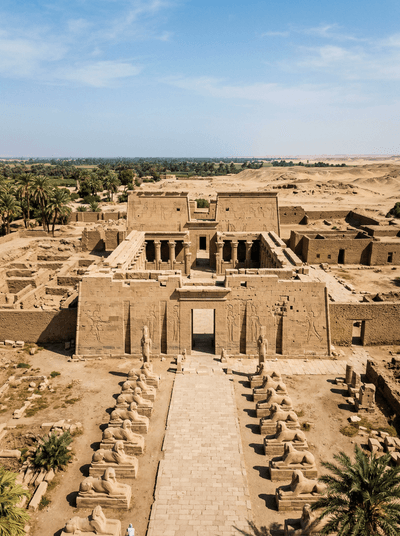
Medinet Madi
Egypt
A Middle Kingdom temple lost in the Fayoum desert, its sphinx-lined processional road swallowed by sand.
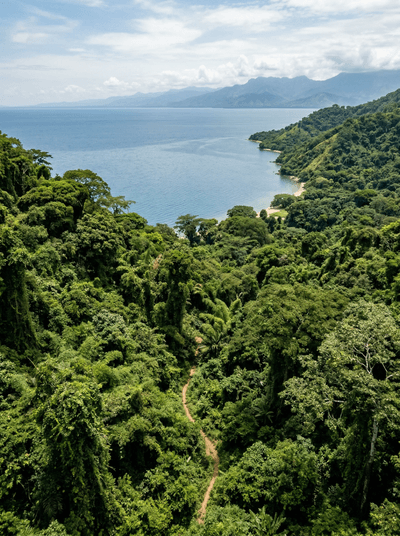
Gombe Stream National Park
Tanzania
Six decades of habituated chimpanzee families in a forest strip so narrow you hear the lake.
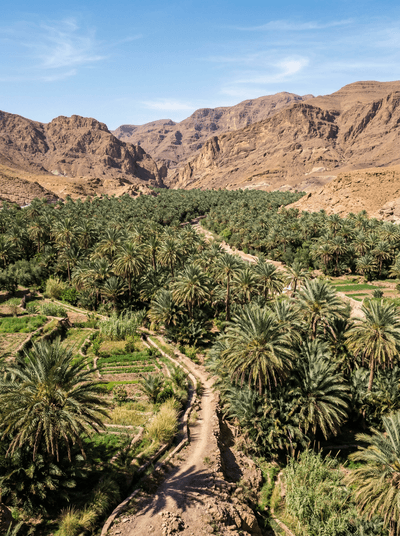
Tata Palm Groves
Morocco
Elephants and rhinoceroses survive in stone beyond Tata's living palm shade.
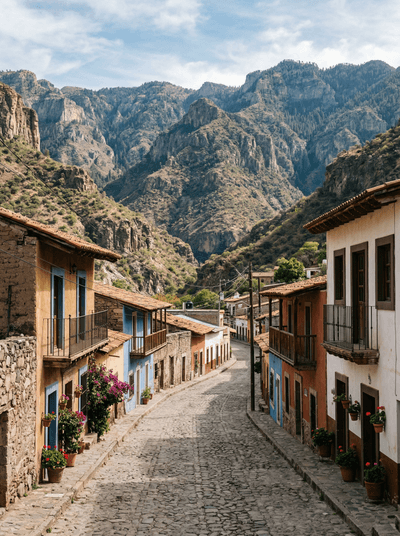
Batopilas
Mexico
A plunging canyon road ends among palms, aqueducts and silver-era stonework.
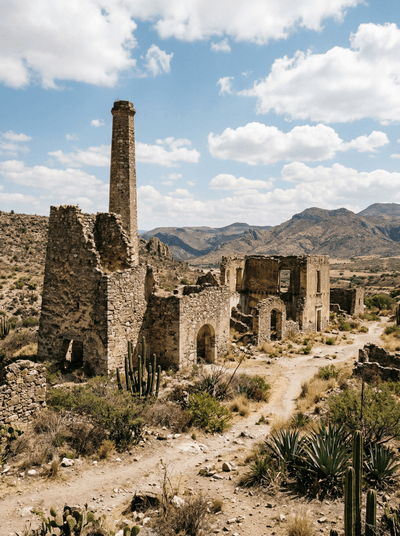
Mineral de Pozos
Mexico
A silver town that emptied with its mines is filling again with makers.
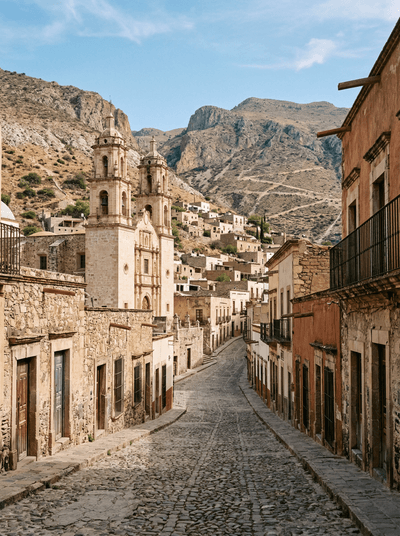
Real de Catorce
Mexico
A mining tunnel opens onto stone lanes, high desert and centuries of pilgrimage.
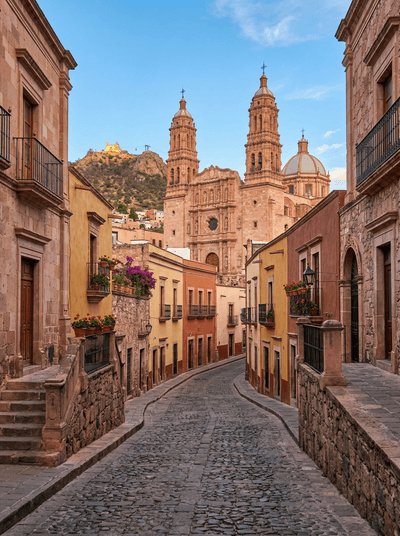
Zacatecas
Mexico
A pink-sandstone city climbs from silver mines to a cathedral carved like frozen lace.