Costa Rica
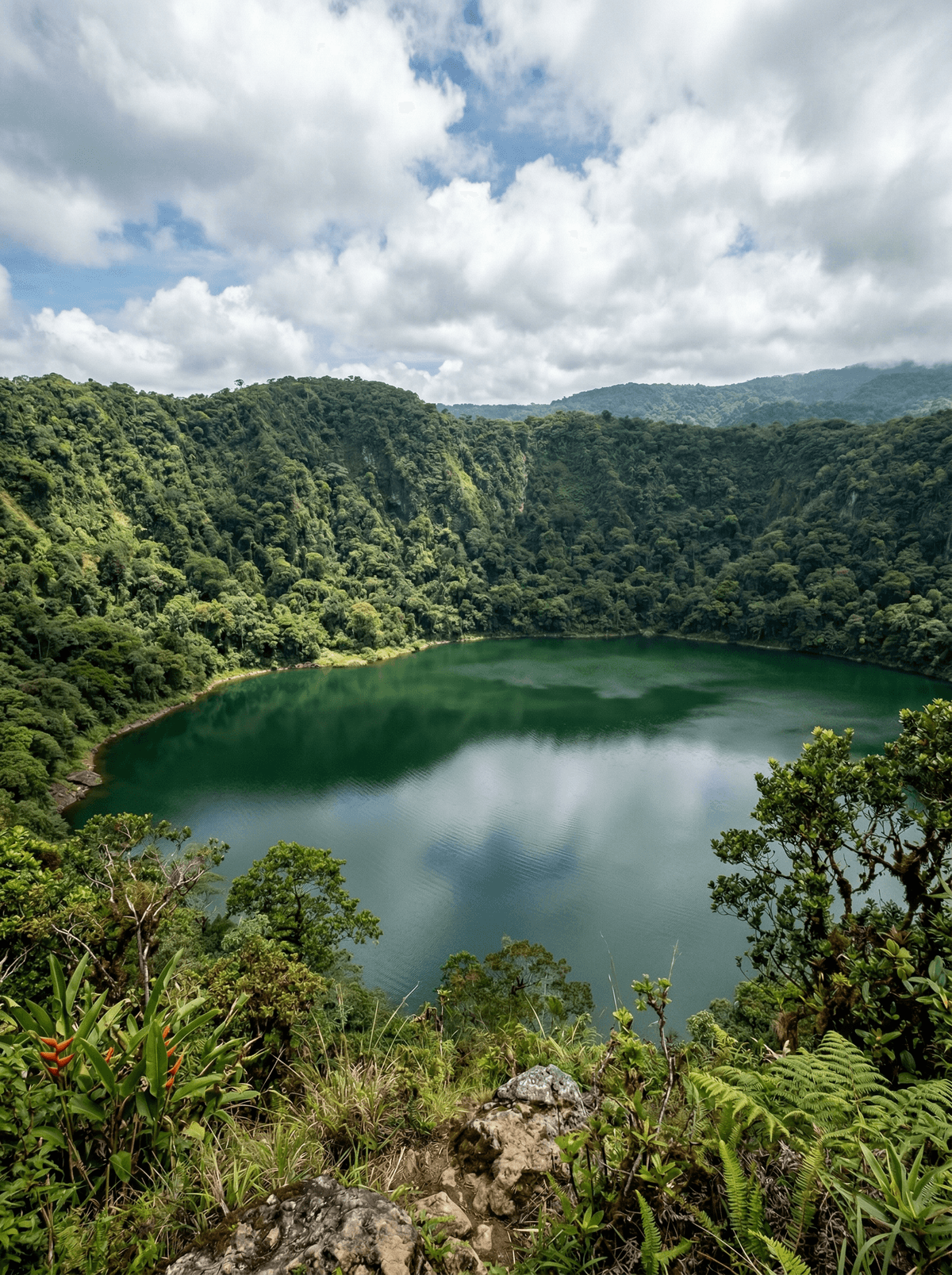
Laguna de Hule
Three volcanic crater lakes, each a different colour, hidden inside old rainforest.
The trail drops through rainforest so tall the canopy disappears, then the trees open onto water the colour of jade, perfectly still inside the bowl of an old volcano. Laguna de Hule is the crater lake most visitors to Costa Rica rarely hear about.
Hule fills a volcanic crater on the Northern Plains' forested rim, part of the Bosque Alegre refuge where two more crater lakes lie within a few kilometres — each born of a separate eruption, each wearing its own shade of green. The access trail runs beneath towering old canopy, and the path is shared less with tour groups than with farmers from the valley who have used it for generations. Infrastructure is nearly nil: no visitor centre, no kiosk, just water, forest and birdsong. Come self-contained, and leave it as found.
Solo
A trail through old forest to a volcanic lake, no guide required — solo wandering in its purest form.
Couple
Three crater lakes in three colours, hidden in forest — a secret the map keeps mostly to itself.
- The lake fills an old volcanic crater, with two more crater lakes lying within a few kilometres.
- Each lake was born of a separate eruption and wears its own shade of green.
- The trail crosses towering old canopy on the plains' forested rim.
- There is almost no infrastructure — visitors share the path with valley farmers, and self-sufficiency is the etiquette.
A casado and homemade natilla in an Aguas Zarcas soda on the way in.
Sugar-cane juice pressed at the roadside, with a bag of peeled oranges for the trail.
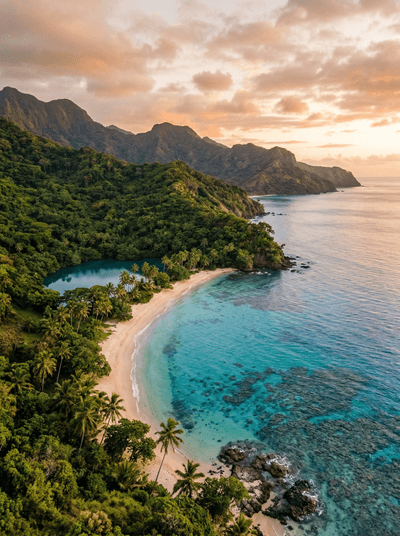
Kadavu
Fiji
Manta rays circle the world's fourth-largest barrier reef, off villages the road barely reaches.
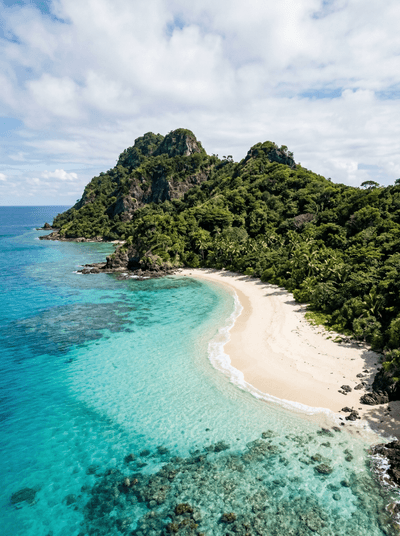
Monuriki
Fiji
The island from Cast Away truly belongs to crested iguanas brought back from the brink.
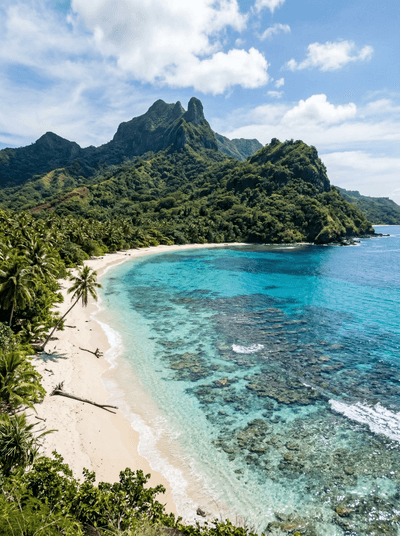
Waya Island
Fiji
Volcanic daggers erupt from reef shallows: ridgeline at sunrise, coral drop-off by noon.
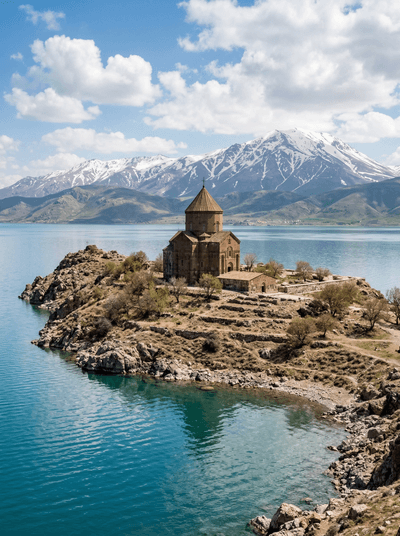
Akdamar Island
Turkey
A tenth-century Armenian church carved with biblical scenes floats alone on an island in Lake Van.
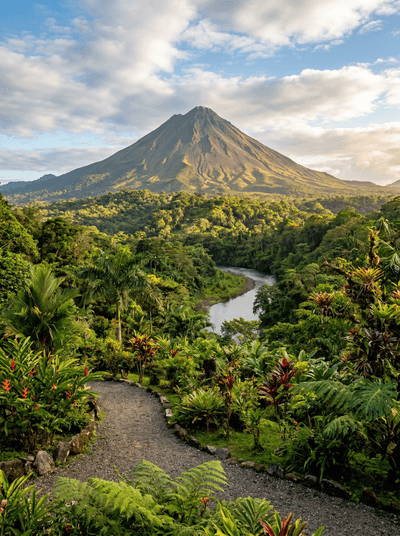
Arenal & La Fortuna
Costa Rica
Hot springs steaming through jungle beneath a volcano's perfect cone at dusk.
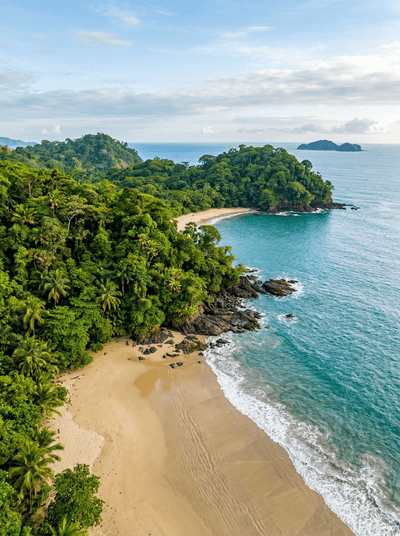
Manuel Antonio
Costa Rica
Capuchins patrol the sand beneath dozing sloths where rainforest walks into the ocean.
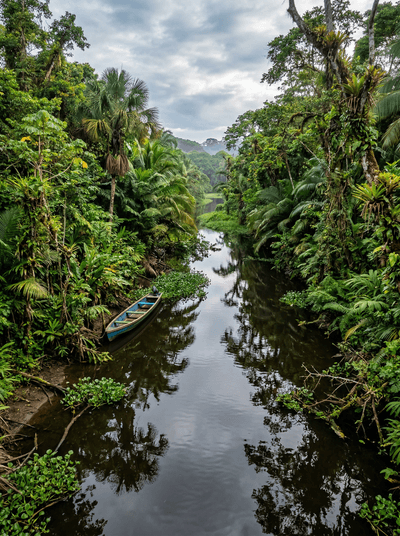
Tortuguero
Costa Rica
Jungle canals where green sea turtles haul onto black volcanic sand under a moonless sky.
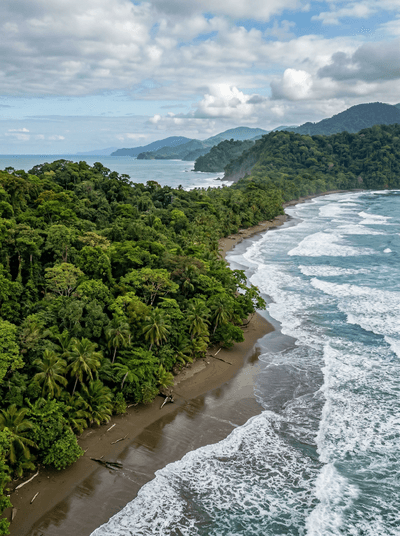
Corcovado National Park
Costa Rica
National Geographic called it the most biologically intense place on Earth. They undersold it.