Mexico
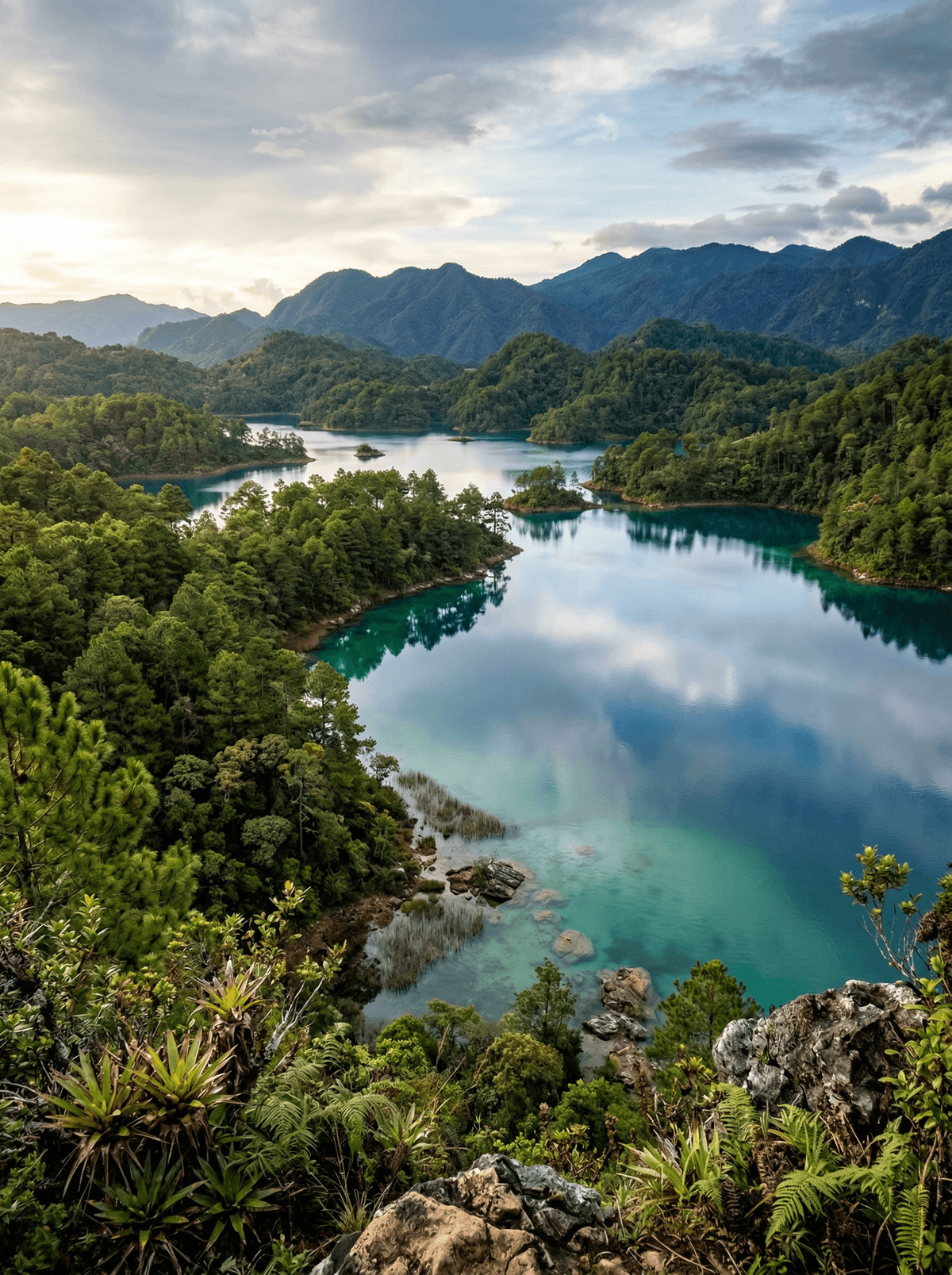
Lagunas de Montebello
Karst lakes shift from green to blue among cool Chiapas pine forest.
Each lake announces a different colour before the road even settles: bottle green, then turquoise, then a blue with real depth behind it. Pine forest holds them apart like stones in a setting.
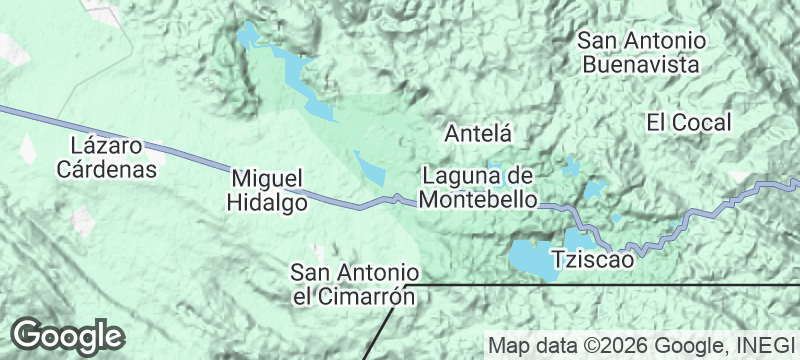
Lagunas de Montebello National Park holds more than sixty karst lakes near the Guatemalan border, their blues and greens set by depth, limestone and light rather than any fixed chart. Roads, trails and viewpoints link the accessible lakes, and authorised boats and rafts work designated waters. The cool pine air makes it feel a country apart from lowland Chiapas.
Couple
Drive the lake road slowly and pick two colours to sit with rather than collecting all sixty.
Family
Use the viewpoints and an authorised raft trip to keep young legs interested.
Friends
Split the day between trails, viewpoints and a boat on designated water.
- CONANP records more than sixty karst lakes in Lagunas de Montebello National Park.
- Depth, limestone and light produce shifting blue, green and turquoise tones rather than a fixed chart.
- Roads, trails, viewpoints and authorised boat trips allow a varied day across the park.
Comitán, the gateway town, distils comiteco from agave sap drawn daily from the hollowed heart of the living plant.
Comitán's own table adds the butifarra, the pan compuesto and atol de granillo.
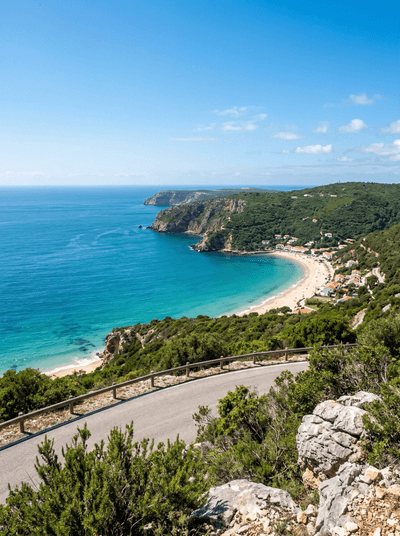
Arrábida
Portugal
Turquoise coves locked between limestone cliffs and monastery forest above the sea.
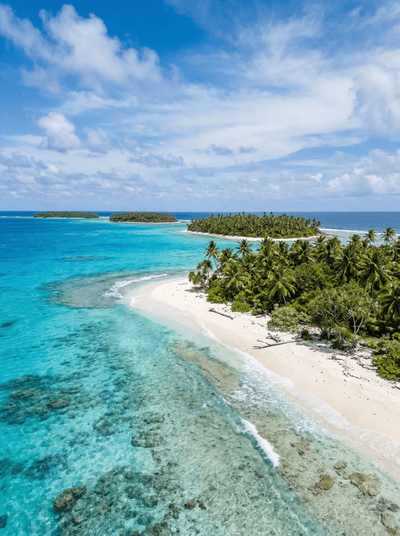
Funafuti Conservation Area
Tuvalu
Green turtles nest on six empty islets holding nearly half Funafuti's remaining native forest.
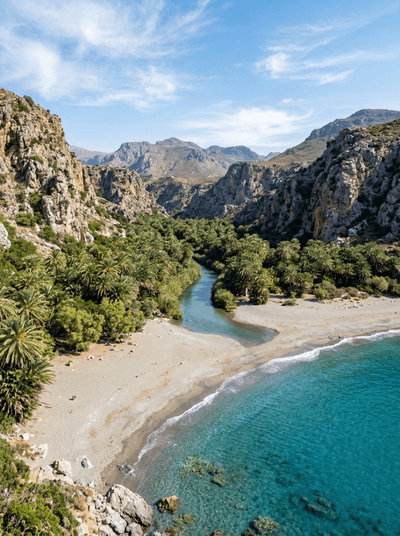
Preveli Beach
Greece
A palm forest meets the Libyan Sea where a river carves through Crete's southern cliffs.
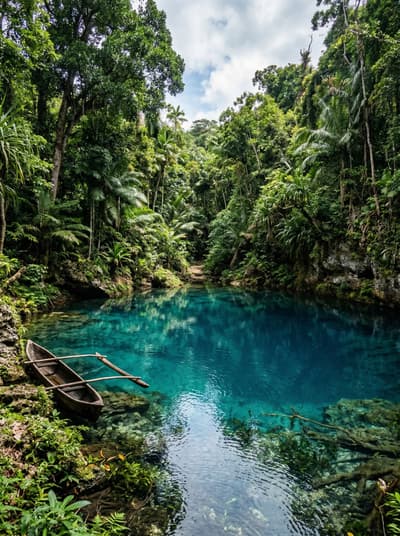
Riri Blue Hole
Vanuatu
Locals paddle you through dark jungle to a pool that glows like stained glass.
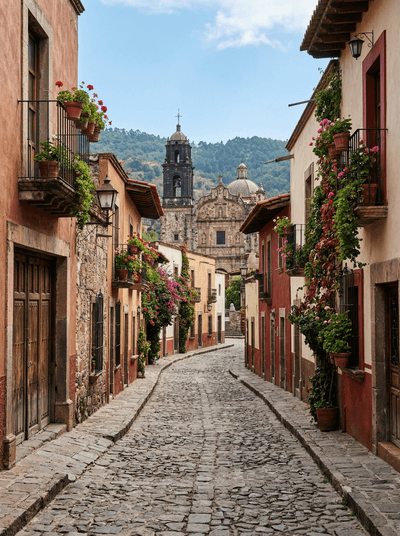
Huasca de Ocampo
Mexico
Basalt columns rise from a gorge like a giant's pipe organ, mist threading through at dawn.
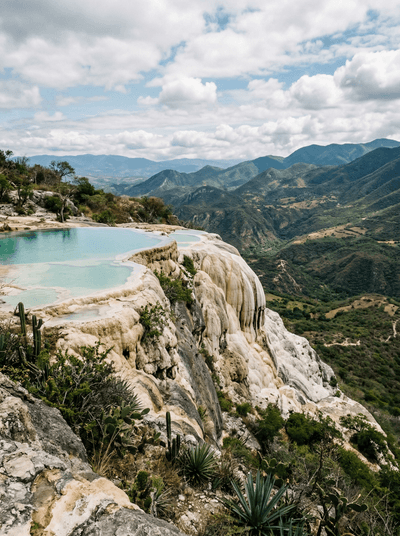
Hierve el Agua
Mexico
A waterfall caught mid-plunge in pale stone hangs above the Oaxaca valleys.
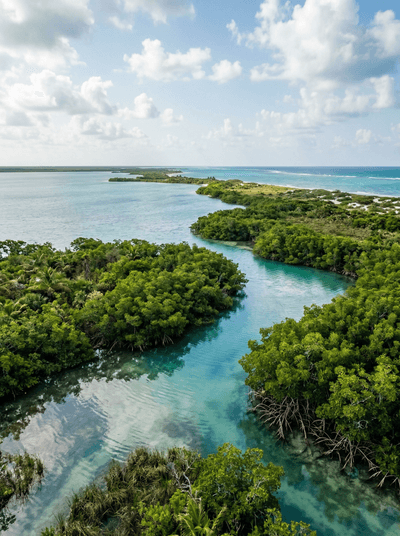
Sian Ka'an Biosphere Reserve
Mexico
Forest, mangrove and reef meet across half a million protected hectares.
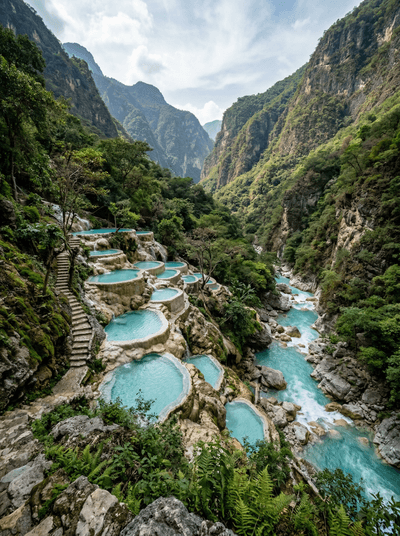
Grutas de Tolantongo
Mexico
Thermal rivers tumble into canyon-cliff infinity pools, steam rising through cold mountain air.