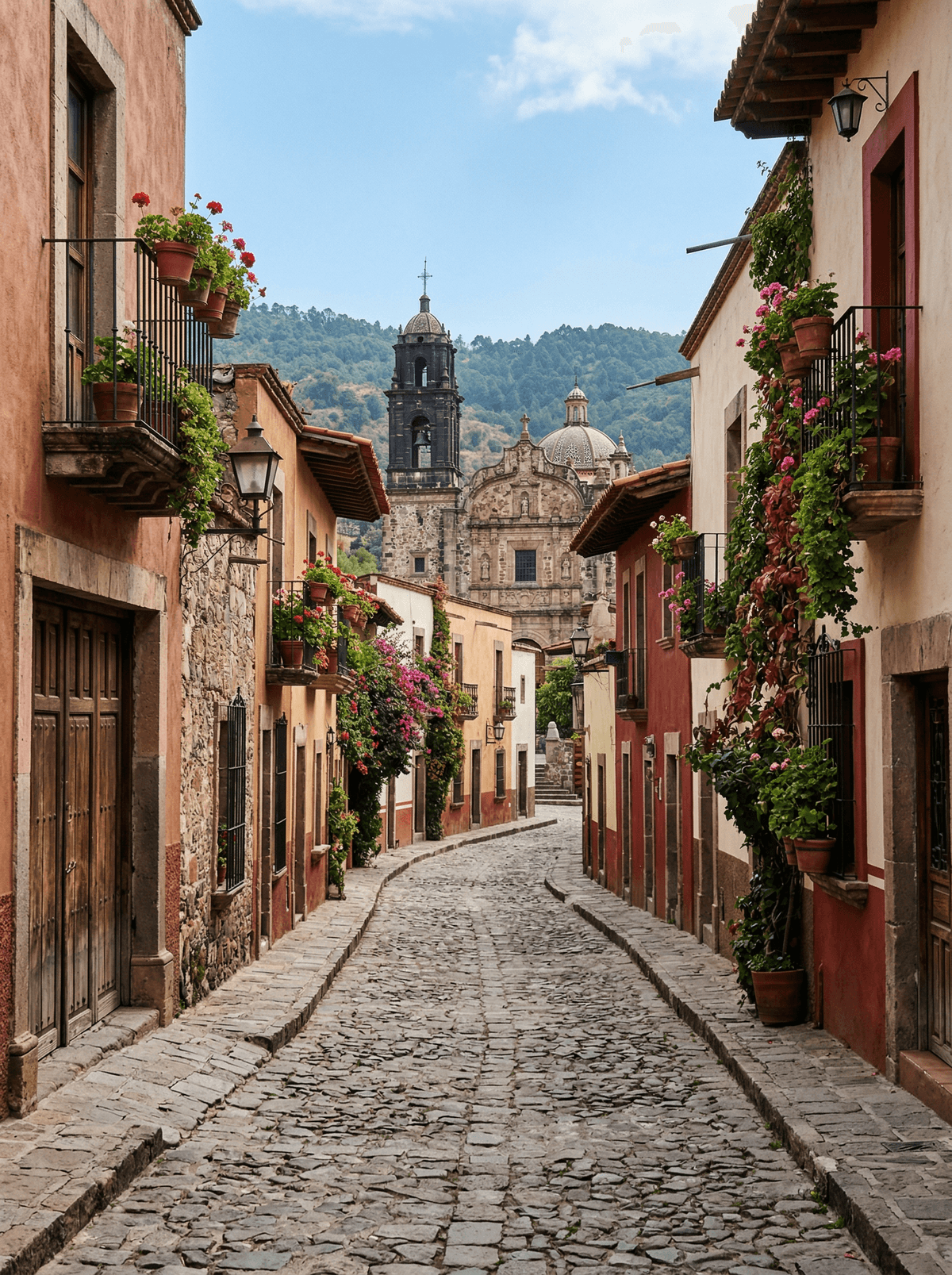
Mexico
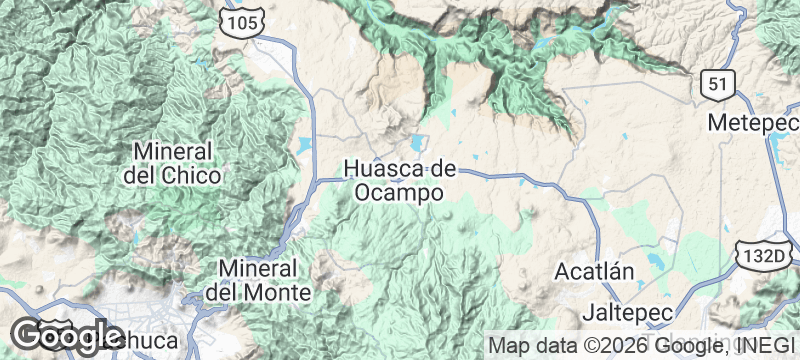
Huasca de Ocampo
Basalt columns rise from a gorge like a giant's pipe organ, mist threading through at dawn.
The gorge wall is made of organ pipes: basalt columns packed side by side, tall as towers, with a waterfall dropping across their faces. Morning mist makes the geometry stranger still.
The basalt prisms at Santa María Regla formed as lava cooled into packed hexagonal columns, a formation Humboldt drew in 1803 and Europe's naturalists have cited ever since. Former haciendas in the valley now work as atmospheric lodgings among pine forest. Huasca's food heritage runs on the paste, the miners' pastry that arrived with English mining families at Real del Monte.
Couple
See the prisms at morning mist, then a hacienda lunch among the pines.
Family
Pair the basalt gorge with the pueblo's sweets and pastes.
- The basalt prisms at Santa María Regla cooled into towering hexagonal columns.
- Alexander von Humboldt sketched the columns on his 1803 expedition, carrying them into scientific literature.
- The valley's old haciendas have become atmospheric lodgings set in pine forest.
The paste arrived with English miners at Real del Monte and became Hidalgo's signature pastry.
Trucha en mixiote, trout steamed in maguey parchment, is Huasca's own emblematic plate.
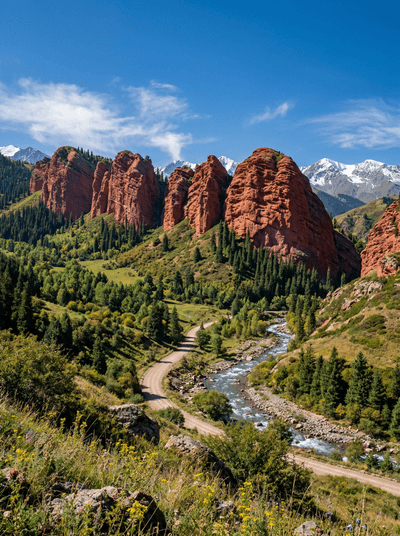
Jeti-Ögüz
Kyrgyzstan
Seven rust-red sandstone bulls rearing from the valley floor, a broken heart cleaved beside them.
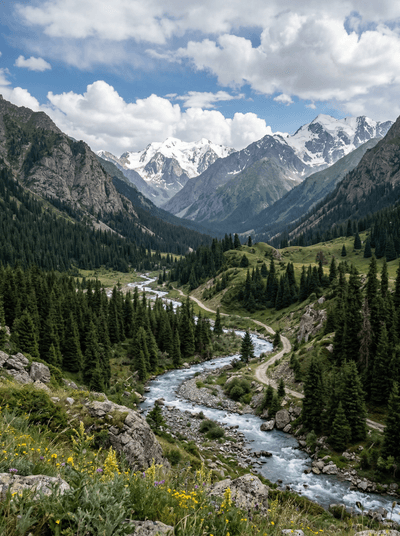
Barskoon Valley
Kyrgyzstan
Waterfalls named Tears of the Snow Leopard, in a gorge that keeps two monuments to Gagarin.
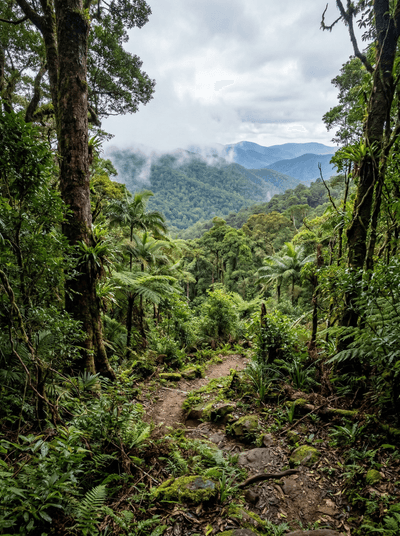
Lamington National Park
Australia
Antarctic beech trunks rise through cloud forest where waterfalls vanish into green ravines.
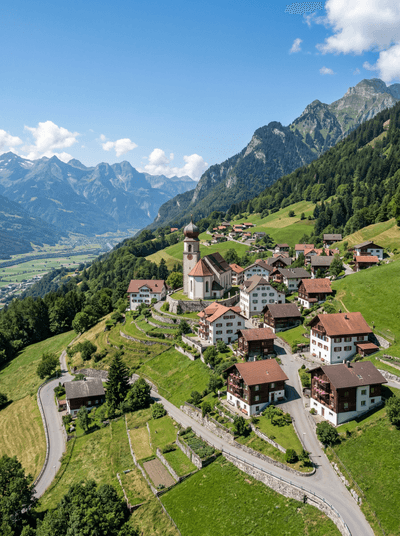
Triesenberg
Liechtenstein
Seven centuries on, this mountainside still speaks the Walser German its settlers carried from Valais.
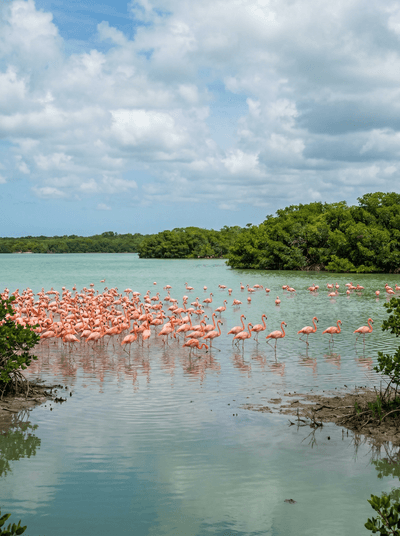
Celestún
Mexico
Mangrove water and Gulf light draw flamingos to a working Yucatán fishing village.
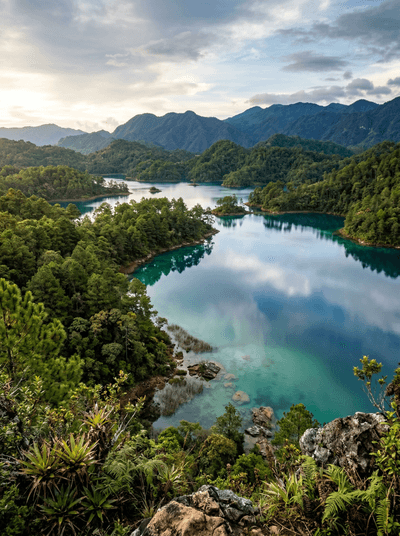
Lagunas de Montebello
Mexico
Karst lakes shift from green to blue among cool Chiapas pine forest.
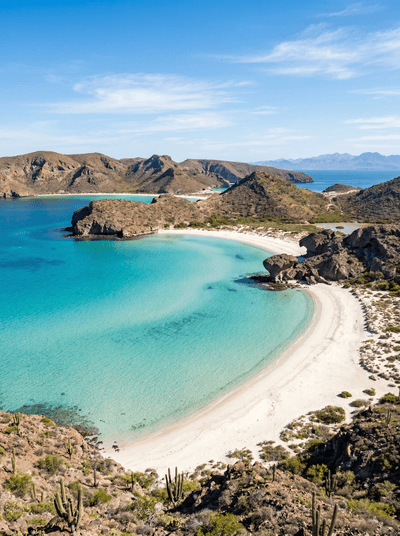
Balandra Bay
Mexico
The water is so clear that boats seem to hover on their own shadows.
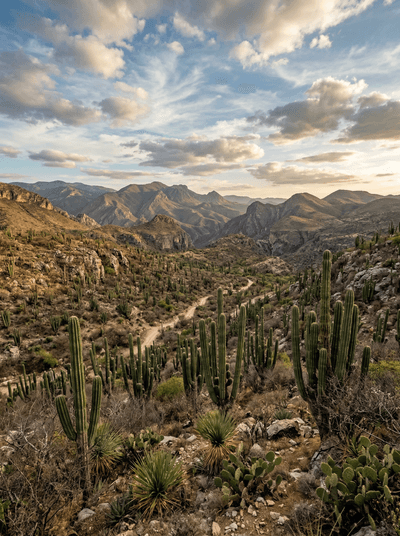
Tehuacán-Cuicatlán Valley
Mexico
Forests of columnar cacti record millennia of human life in Mexico's drylands.