Tuvalu
Funafuti Conservation Area
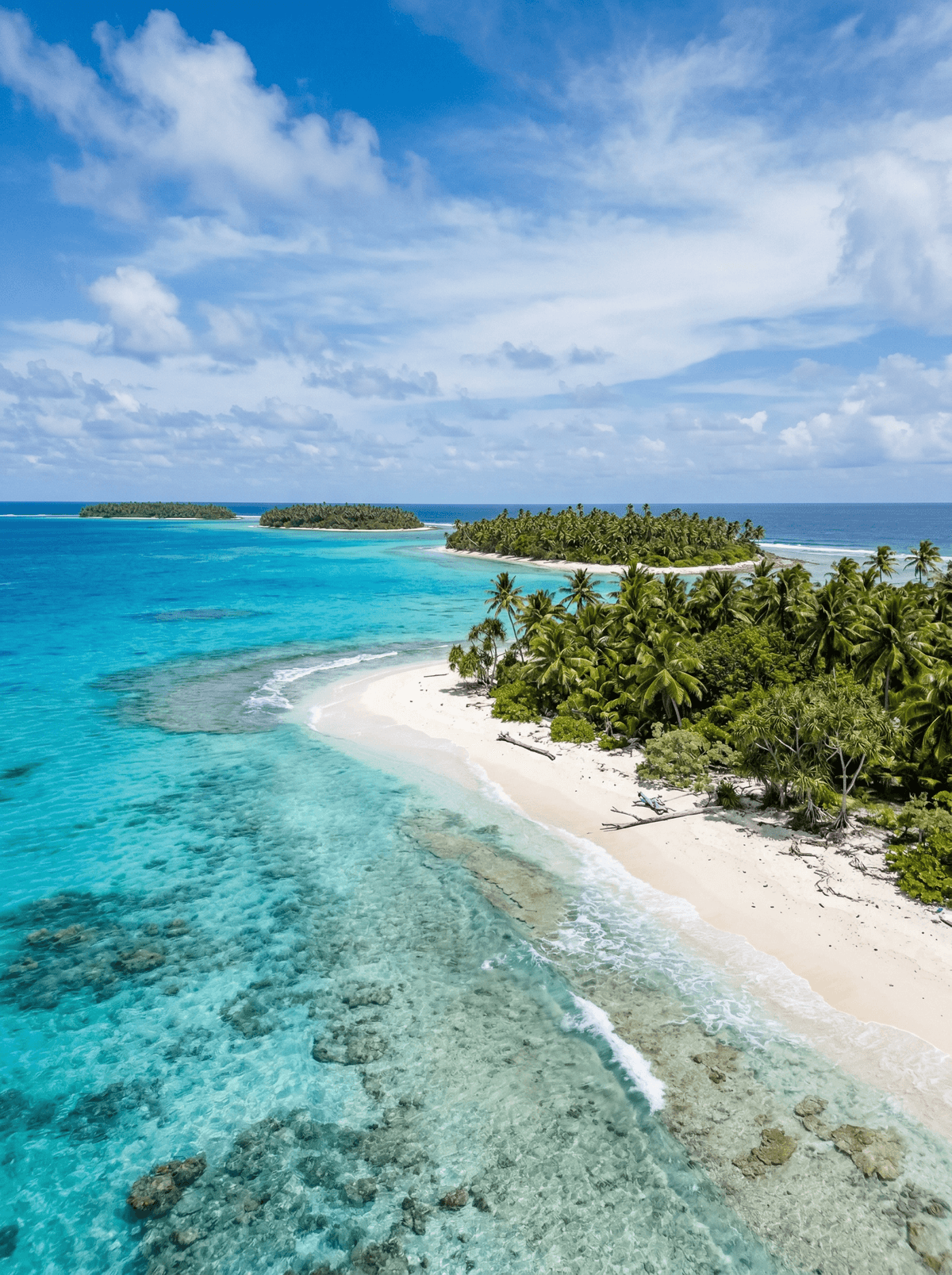
Green turtles nest on six empty islets holding nearly half Funafuti's remaining native forest.
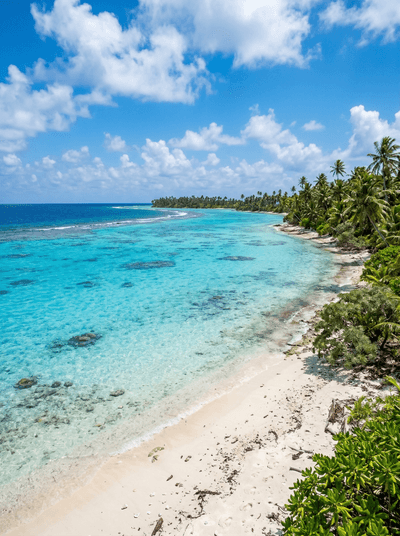
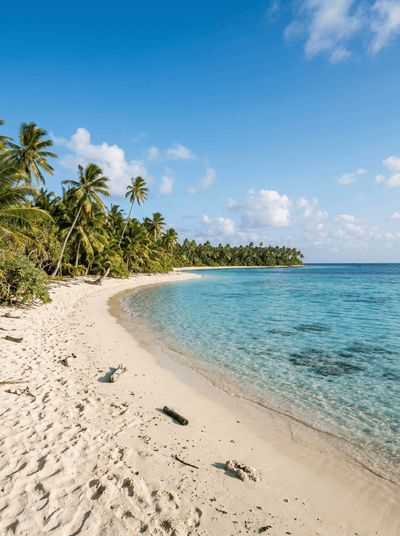
The boat cuts its engine and the quiet lands all at once: wavelets on the hull, terns above a coral beach, six low islets strung down the western side of Funafuti's lagoon. Green sea turtles haul out to nest on this sand, and on Fualopa the trees carry a breeding colony of black noddies.
The Kogatapu Funafuti Conservation Area protects 33 square kilometres of lagoon, reef, channel and ocean along the atoll's western rim, about a fifth of the coral reef in Funafuti's lagoon. Its six uninhabited islets hold coral-sand beaches and roughly 40 per cent of the native broadleaf forest left on Funafuti, with coconut crabs on the forest floor and seabirds overhead. The islets are nesting sites for the endangered green sea turtle, and the water is glass-clear, reef fish visible from the surface. The crossing from Fongafale takes about half an hour by locally arranged boat; there are no facilities on the islets, so the day travels in with you.
Couple
Couples can claim a stretch of coral sand with nobody living for miles across the water, then cross back as the lagoon turns molten at sunset.
Family
Families comfortable with small boats can walk all the way round an islet between swims and snorkel shallows where the fish hang in clear water, following local advice on conditions.
Friends
A boatload of friends with a cool box and snorkels spends the day on an islet where nobody lives, seabirds for company.
- Six uninhabited islets on Funafuti's western rim are nesting sites for the endangered green sea turtle, with Fualopa home to a breeding colony of black noddies.
- The reserve covers 33 square kilometres of lagoon, reef, channel and ocean, about 20 per cent of the coral reef area of Funafuti lagoon.
- Roughly 40 per cent of Funafuti's surviving native broadleaf forest grows on the six islets, shared with coconut crabs and seabirds rather than any settlement.
- Boats are arranged locally on Fongafale for the half-hour lagoon crossing; visitors bring a picnic, drinking water and everything else the day needs.
The islets sell nothing: pack a picnic lunch and plenty of drinking water before the boat leaves Fongafale.
Lodges on Fongafale can pack that picnic; ask what the day brought, and expect fish, breadfruit loaf or coconut apple when supplies allow.
Lagunas de Montebello
Mexico
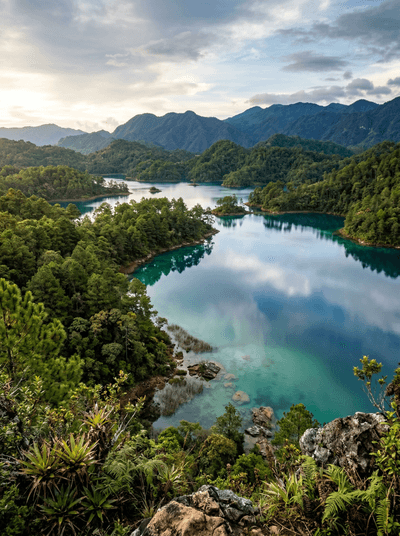
Karst lakes shift from green to blue among cool Chiapas pine forest.
De Hoop Nature Reserve
South Africa
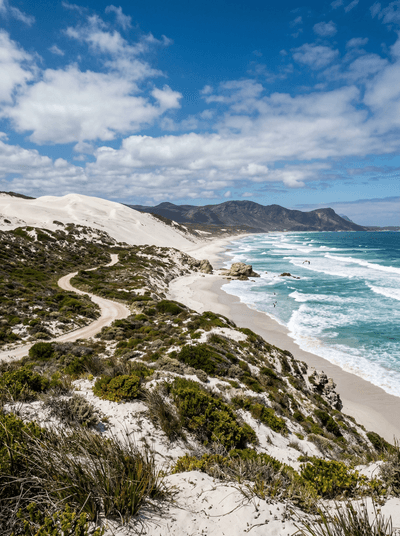
Whales roll beyond white dunes while eland move through the fynbos behind you.
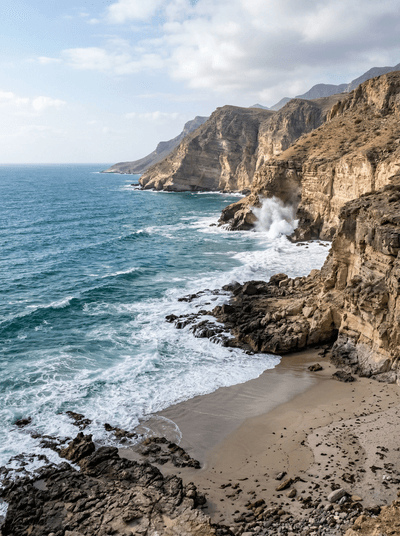
Al Mughsail
Oman
Swells drive seawater up through the cliff's blowholes beside a long Dhofar beach.
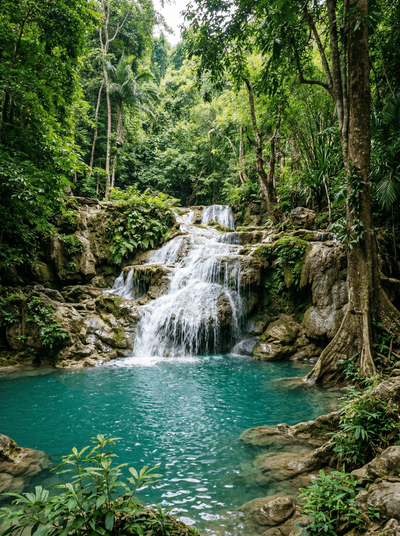
Erawan Falls
Thailand
Seven tiers of emerald water plunging through dense jungle where fish nibble your toes.
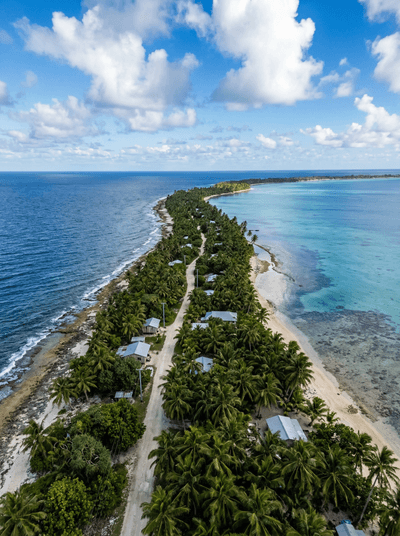
Fongafale
Tuvalu
Families scatter from the runway as a plane lands, then reclaim the tarmac for evening football.
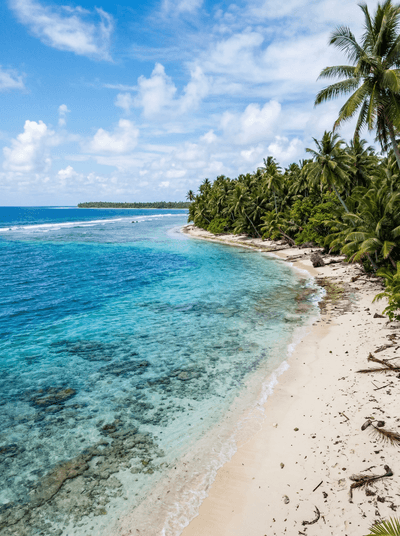
Vaitupu
Tuvalu
Tuvalu's largest island, where traditional sport te ano sends two woven balls flying at once.
Nui
Tuvalu
A Micronesian island wrapped inside a Polynesian nation: Nui's mother tongue is Gilbertese.
Nanumea
Tuvalu
Japanese bombs found this atoll's church in 1943; a landing craft still rusts on the reef.