Tanzania
Lake Natron
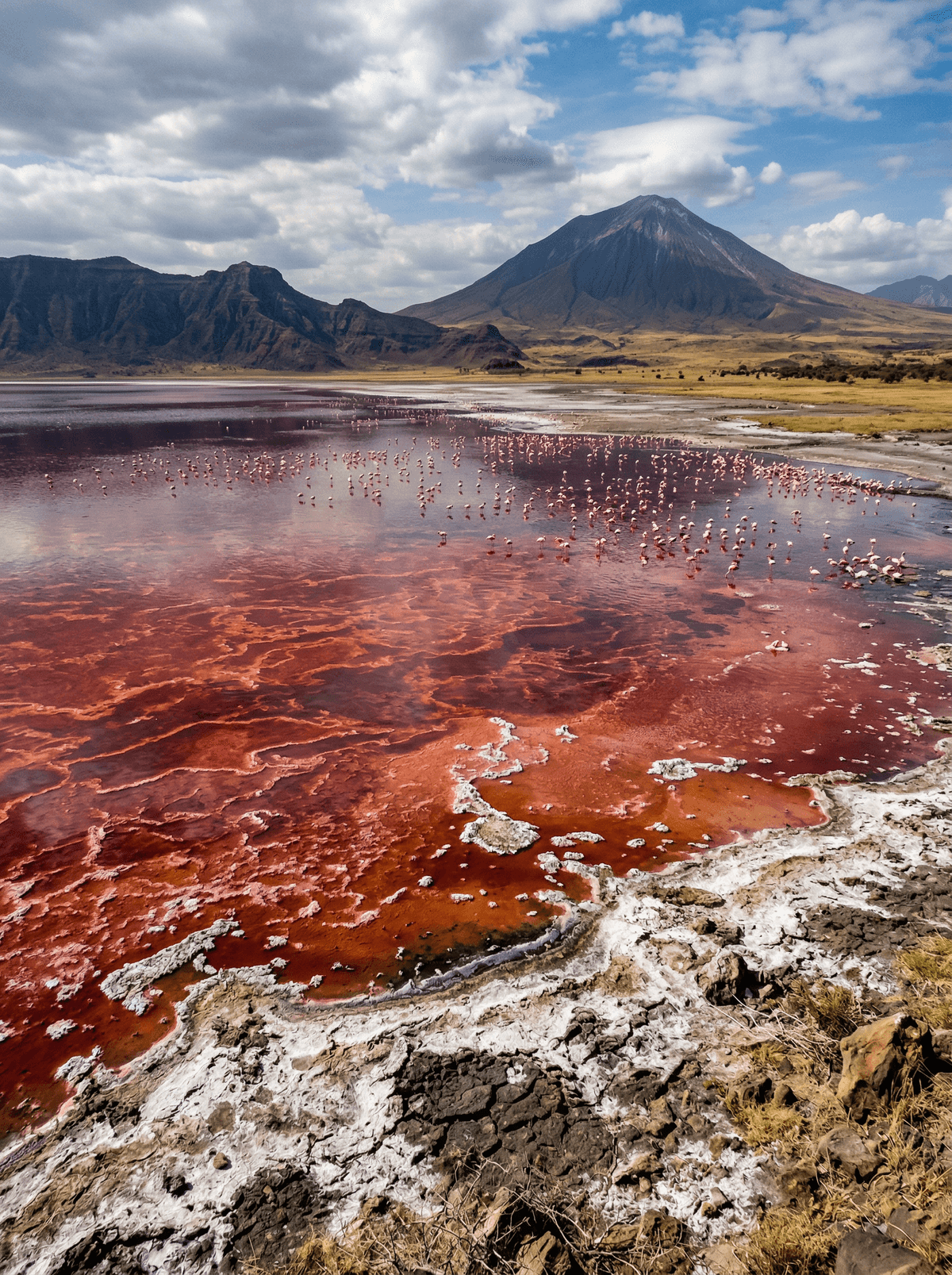
Caustic red waters where three-quarters of the world's lesser flamingos are born beside a smoking volcano.
The lake does not look real. Its surface shifts from crimson to burnt orange depending on the light and the density of haloarchaea bacteria blooming in the alkaline shallows. The air shimmers with heat. Flamingo clouds — millions of them — mass on the caustic water where no predator can follow. Behind it all, Ol Doinyo Lengai sends a thin column of smoke into the Rift Valley sky.
Lake Natron is a shallow alkaline lake in Tanzania's northern Rift Valley, with a pH reaching 10.5 and surface temperatures exceeding 50 degrees Celsius in places. It is East Africa's largest breeding ground for the lesser flamingo — up to 2.5 million birds nest on the caustic surface, one of the most visually overwhelming wildlife spectacles on the continent. The lake's red colouration comes from haloarchaea microorganisms that thrive in conditions lethal to almost everything else. The Engare Sero footprints, preserved in volcanic ash near the southern shore, record at least 56 individuals walking across this landscape approximately 19,000 years ago. Ol Doinyo Lengai, the world's only active natrocarbonatite volcano, rises directly from the lake's southern end, and the two form an inseparable geological pairing.
Solo
Lake Natron rewards travellers drawn to extremes. The heat, the colour, the alien chemistry — this is landscape stripped to its rawest elements, and experiencing it alone amplifies the strangeness.
Couple
Camping on the Natron shoreline under skies unmarred by light pollution, with the volcano smoking on the horizon, creates the kind of shared experience that doesn't translate to photographs. You had to be there — together.
Friends
Combine a Natron camp with a pre-dawn ascent of Ol Doinyo Lengai, and you have a two-day adventure that pushes limits and produces stories. The logistics are simpler with a group, and the volcanic sunrise is better when you have someone to look at in disbelief.
- The alkaline lake reaches pH 10.5 and shifts colour from deep crimson to burnt orange depending on haloarchaea bacteria density — the visual effect defies normal landscape logic.
- East Africa's largest lesser flamingo breeding ground: up to 2.5 million birds nest on the caustic surface where predators cannot follow, producing flamingo densities that are almost impossible to photograph without losing scale.
- The hike to Ol Doinyo Lengai departs from the lake shore — the two form an inseparable landscape, and combining them in two days is one of Tanzania's most compelling wilderness pairings.
- The Engare Sero footprints, preserved in volcanic ash nearby, are among the world's largest ancient human footprint sites — at least 56 individuals, approximately 19,000 years old.
Camp-cooked meals on one of the most remote lakeshores in East Africa.
Maasai-prepared goat stew after a long day trekking the volcanic shoreline.
Beans, chapati, and strong Tanzanian coffee under alien red skies.
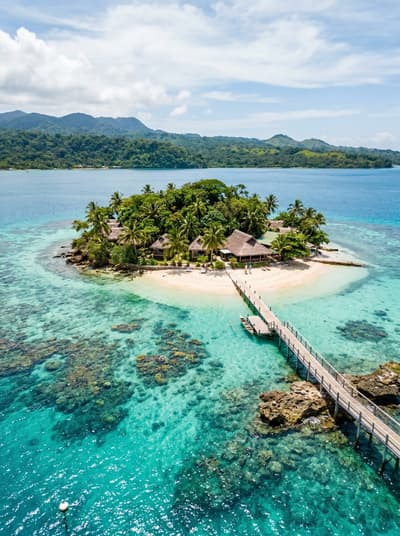
Hideaway Island
Vanuatu
Post a waterproof postcard from the world's only underwater post office, then snorkel its coral reef.
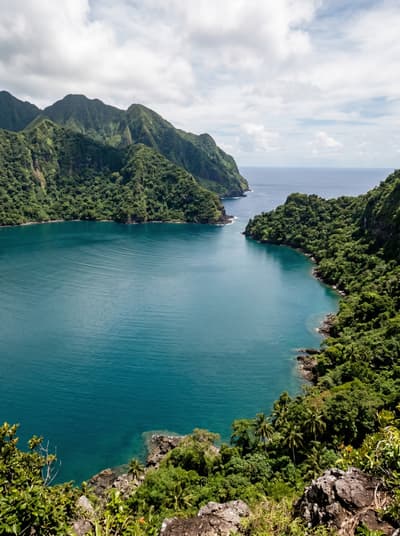
Ureparapara
Vanuatu
Sail into the flooded crater of a horseshoe-shaped volcanic island where fewer than 500 people remain.
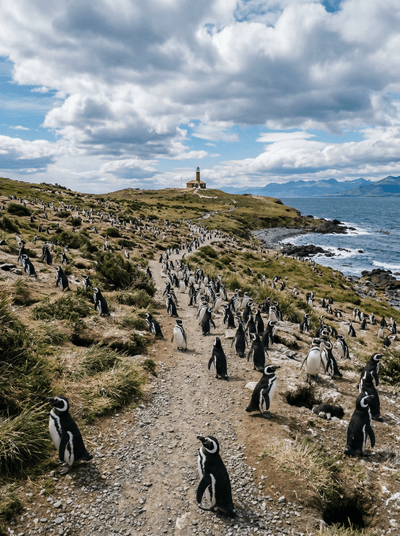
Isla Magdalena
Chile
Magellanic penguins in their tens of thousands, nesting so close you walk through their colony.
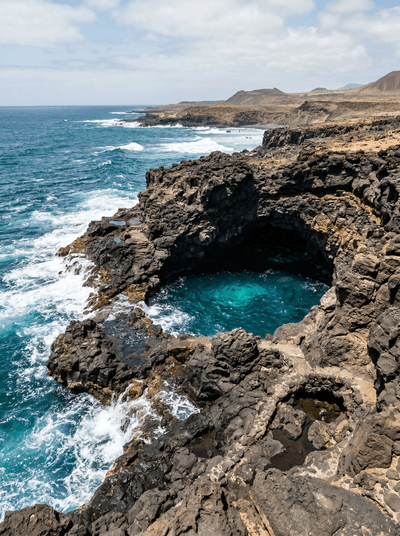
Buracona
Cape Verde
At midday, sunlight plunges through volcanic rock and ignites an underwater cave into electric blue.
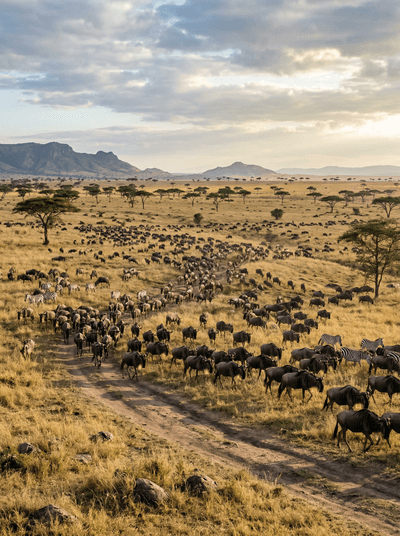
Serengeti National Park
Tanzania
Two million hooves drum the plains in a migration so vast the earth trembles.
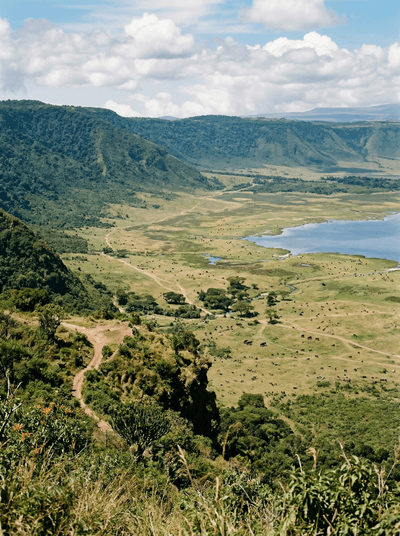
Ngorongoro Crater
Tanzania
A volcanic caldera so vast it holds its own weather, elephants dwarfed to ants below.
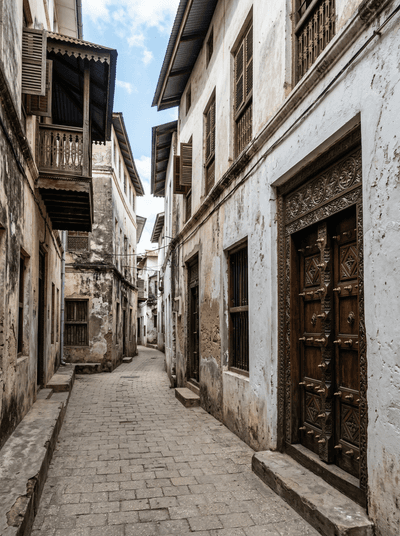
Stone Town
Tanzania
Carved teak doors line alleys thick with clove and cardamom, muezzin calls drifting from coral minarets.
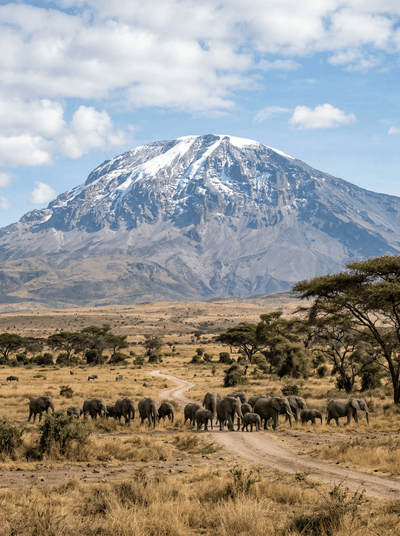
Mount Kilimanjaro
Tanzania
Glaciers clinging to the equator, five climate zones stacked vertically from jungle floor to arctic summit.