United States
Lava Beds
More than eight hundred caves, from one lit tube to permitted headlamp crawls beneath basalt.
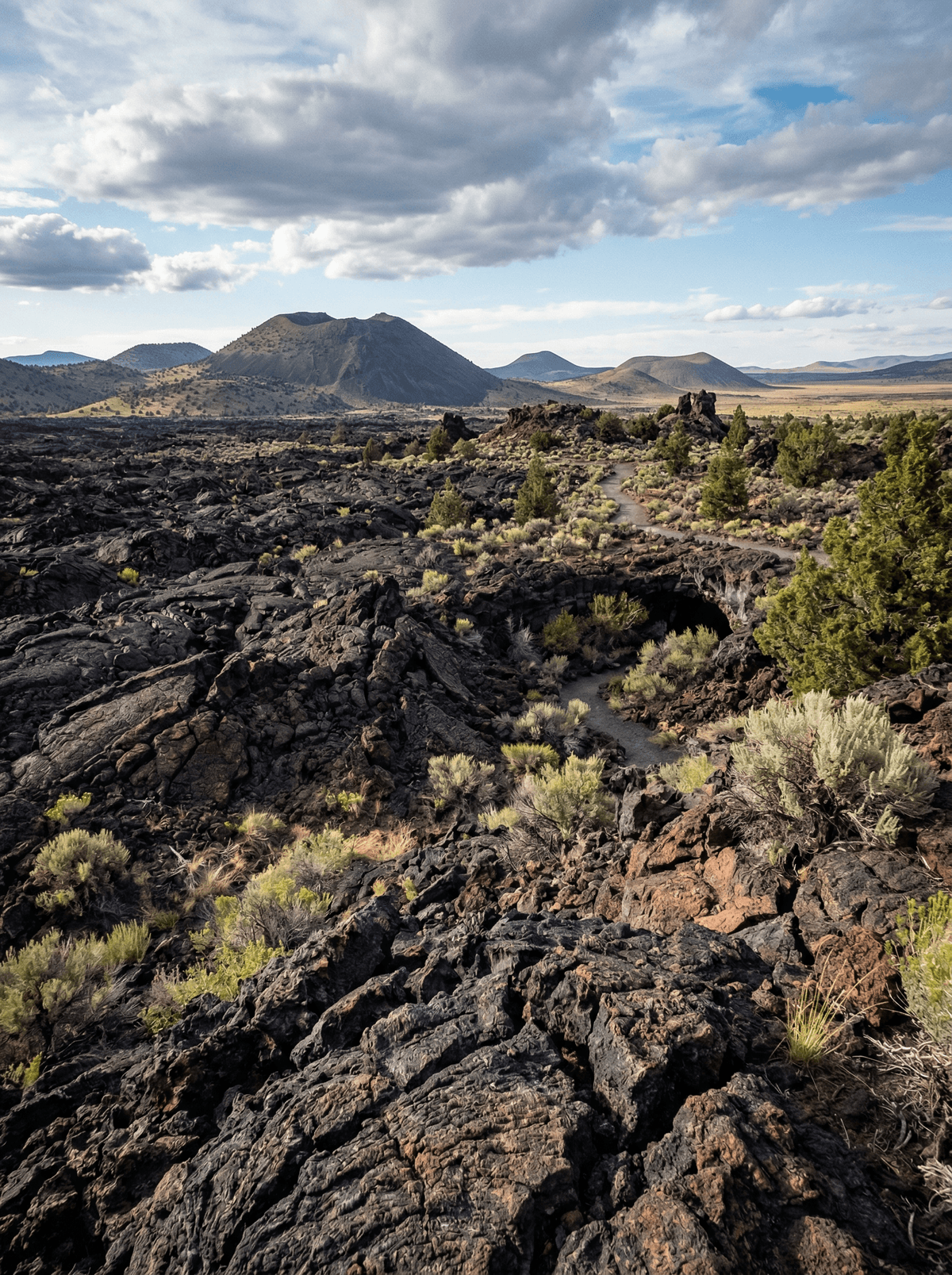
You drop through a collapsed ceiling into darkness, headlamp catching the sheen of volcanic glass on walls that formed when molten basalt flowed underground and drained away. The cave goes deeper than your beam reaches. Above ground, Lava Beds National Monument in northern California is a treeless expanse of black volcanic rock under one of the darkest skies in the state. Below ground, it is a labyrinth.
Lava Beds holds more than 800 caves, among the largest concentrations of lava tubes in North America, ranging from the lit, walkable Mushpot Cave to undeveloped tubes that ask for a headlamp, knee pads and a willingness to crawl; eruptions of the Medicine Lake shield volcano built the whole landscape over the last half-million years, and many tubes remain exactly as the lava left them. Above ground the turmoil is historical too: at Captain Jack's Stronghold, a natural lava fortress, a small band of Modoc fighters held off US Army forces many times their size for five months in the war of 1872-73, and the walls they defended still stand. At Petroglyph Point, thousands of carvings crowd one of the largest Native American rock-art panels in the region. Collect a free cave permit at the visitor centre first; after dark, the treeless high desert opens onto one of California's darkest skies.
Friends
Choosing a cave, borrowing headlamps from the visitor centre, and descending into an undeveloped lava tube with your group is the closest thing to genuine exploration left in the park system. The range of difficulty means everyone finds their edge: some caves are walk-in corridors, others require belly-crawling past volcanic glass.
Solo
Standing alone in a lit cave with your torch off tests something primal, and the developed tubes suit a careful solo visitor. Above ground, the combination of black rock, high desert and true darkness creates a solitude that operates on two planes.
Family
Children take to the caves instantly: the visitor centre loans headlamps, Mushpot Cave is lit and walkable, and the rangers' cave permits make safety part of the adventure.
- More than 800 caves riddle the monument, from the lit Mushpot Cave to undeveloped tubes that stay exactly as the draining lava left them.
- Captain Jack's Stronghold preserves the natural lava fortress where a small band of Modoc fighters held off US Army forces many times their size for five months in 1872-73.
- Petroglyph Point carries thousands of carvings on one of the region's largest Native American rock-art panels.
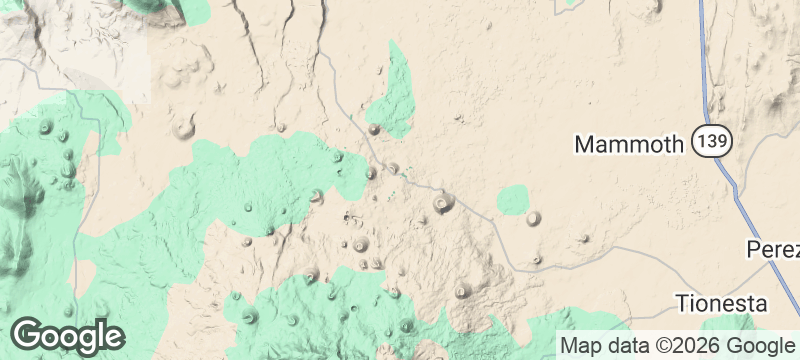
- The treeless volcanic surface, forty-odd miles from the nearest town, sits under some of California's darkest night skies.
Carry everything in: the monument is remote high desert with no food services, and Tulelake, the self-styled Gateway to the Lava Beds, is the last stop for supplies.
The Tule Lake Basin styles itself the Horseradish Capital of the World: around a third of America's crop grows in these high-desert frosts, from roots Czech settlers brought over a century ago.
Royal Natal National Park
South Africa
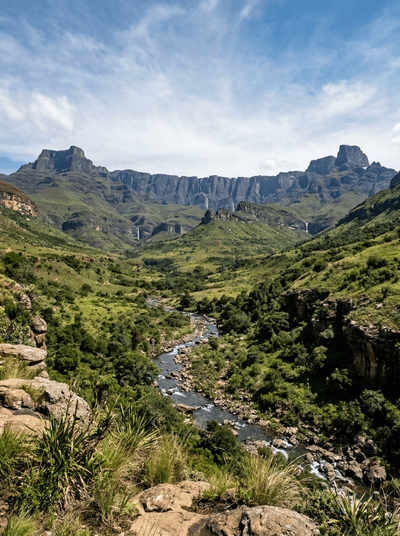
The Amphitheatre's five-kilometre rock wall fills the sky above a river-cut mountain valley.
Köprülü Canyon
Turkey
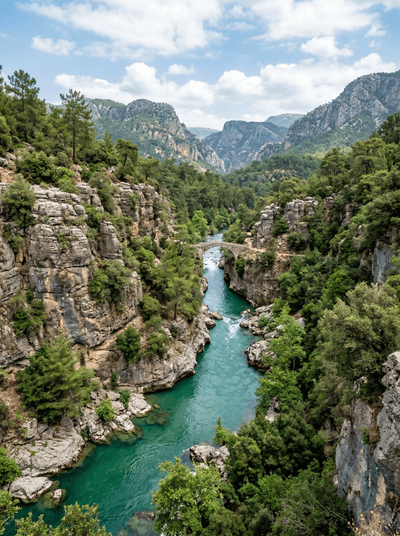
White water through a canyon spanned by a Roman bridge, a ruined city perched above.
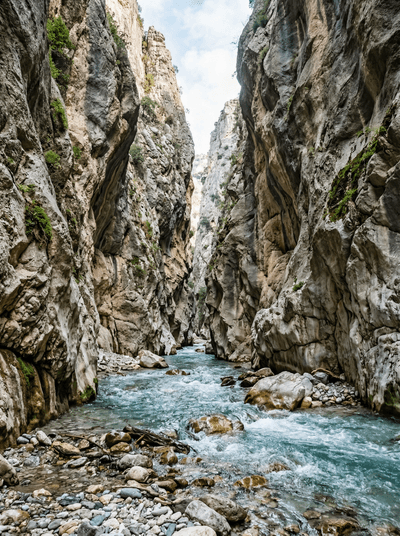
Saklıkent Gorge
Turkey
Ice-cold river water rushes through a 300-metre-deep slot canyon narrow enough to brush both walls.
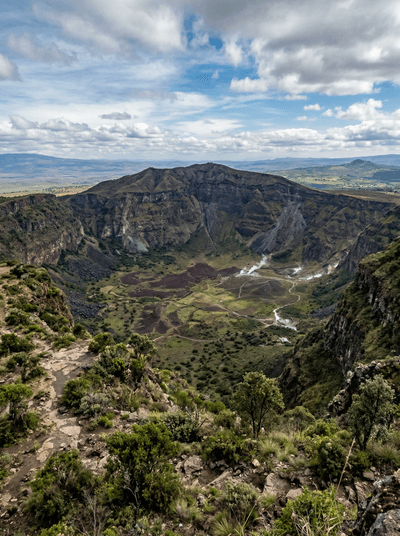
Menengai Crater
Kenya
A caldera twelve kilometres across and thick with steam, named for warriors who perished inside.
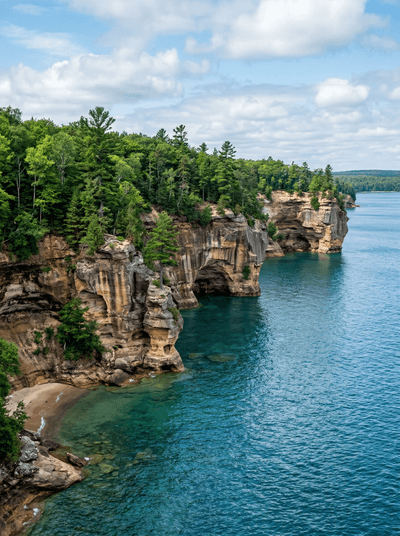
Pictured Rocks
United States
Mineral-stained cliffs of rust, copper and jade rising from Lake Superior's clear depths.
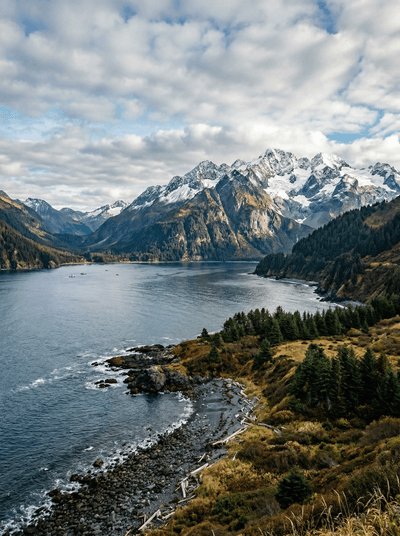
Kodiak Island
United States
The world's largest brown bears fish salmon streams on America's second-largest island.
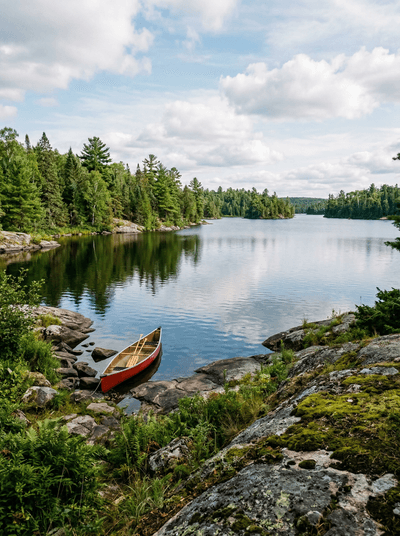
Boundary Waters
United States
Eleven hundred lakes joined by portage trails where paddles rule and wolves still howl.
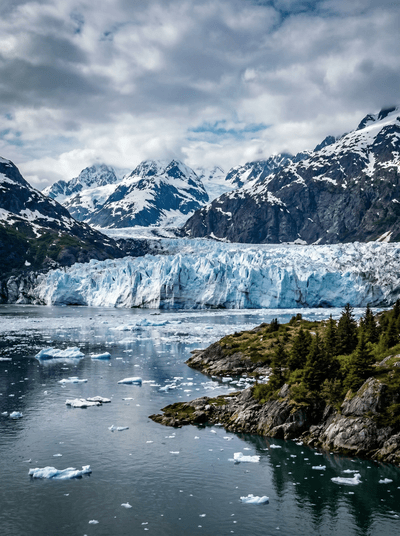
Glacier Bay
United States
Tidewater glaciers calve thunder into the sea, and summer humpbacks breach across the bay.