Italy
Lecce
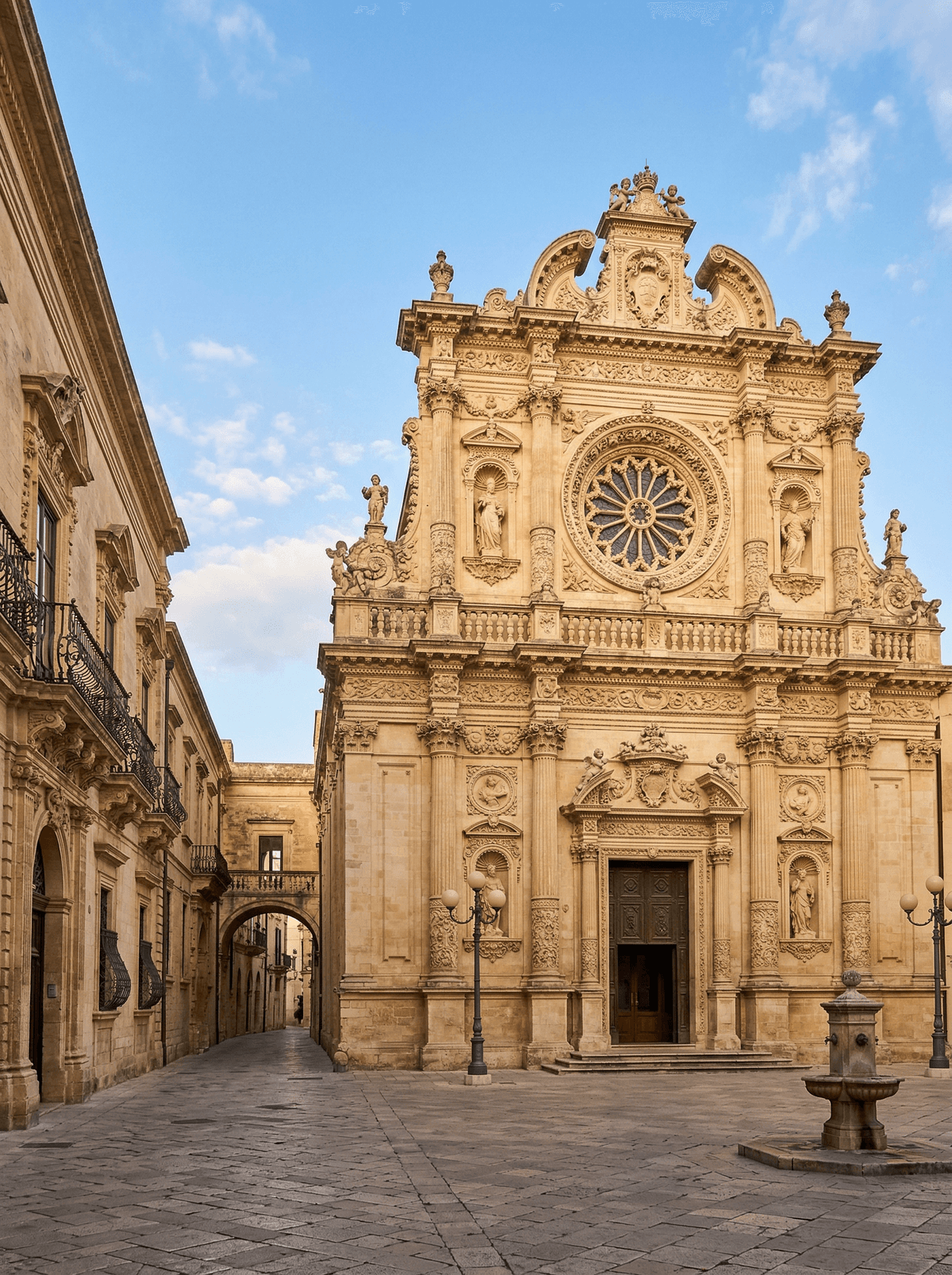
Baroque carved from soft limestone so intricate the facades look like they were piped from icing.
Limestone scrolls, cherubs and grotesque faces erupt from every church front, the soft pietra leccese carved as densely as icing on a wedding cake. Morning light turns the stone from cream to gold. Warm custard drifts from pasticcerie already open at seven.
Lecce is the Baroque capital of the Italian south, where seventeenth-century architects exploited a local limestone soft enough to carve like wood and kind enough to harden afterwards. The Basilica di Santa Croce took generations to finish, its facade crowded with figures, foliage and beasts. Beneath the Baroque, Piazza Sant'Oronzo holds a Roman amphitheatre rediscovered during building work in the early 1900s, and at the Museo Faggiano a family dig under the kitchen floor turned up everything from Roman floors to Templar traces. Both Salento coasts, Adriatic and Ionian, wait under an hour away.
Solo
Tilting your head at a facade to decode its carving works best alone, and café culture makes single tables unremarkable.
Couple
Baroque theatre, serious food and both coasts within reach; the evening passeggiata is the shared ritual that binds it.
Friends
Run the street-food circuit, pasticciotto to rustico to a late frisella, and let the facades glow as the heat drops.
- The local limestone cuts soft and hardens after carving, which is how the facades got this dense.
- A Roman amphitheatre surfaced under Piazza Sant'Oronzo during building work in the early 1900s.
- At the Museo Faggiano, a dig under the family kitchen opened two millennia of layers.
- Both Salento coasts sit within an hour, Adriatic one way, Ionian the other.
Pasticciotto, a warm custard-filled shortcrust eaten at breakfast, crumbles at the first bite.
Rustico leccese folds mozzarella, béchamel and tomato into puff pastry, inhaled standing up.
Salvador
Brazil
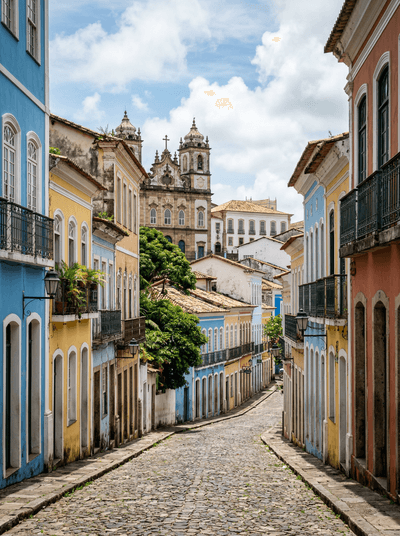
Drum rhythms ricocheting off colonial walls where song, dance and combat happen at once.
Marrakech
Morocco
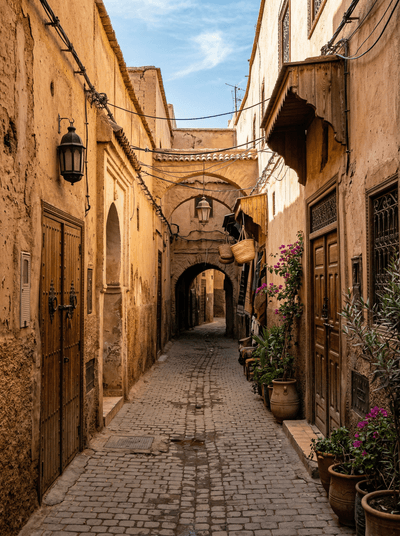
Smoke climbs above Jemaa el-Fna as storytellers, drums and twelve thousand suppers take the square.
Tangier
Morocco
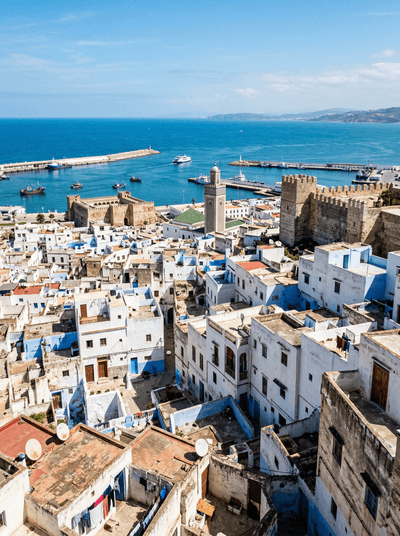
Mint tea cools on cliff terraces as ships carry the world through Tangier's strait.
New Orleans
United States
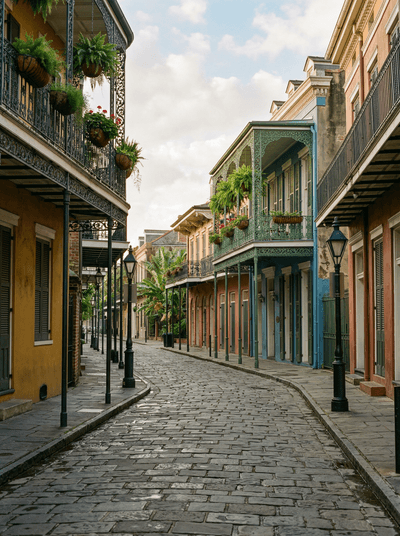
Jazz spilling from doorways at 2 a.m. while beignet sugar dusts your collar.
San Leo
Italy
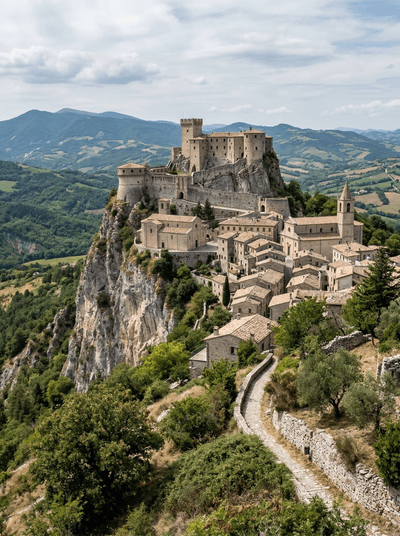
The occultist Cagliostro died a prisoner in this fortress, in a cell entered through its ceiling.
Venice
Italy
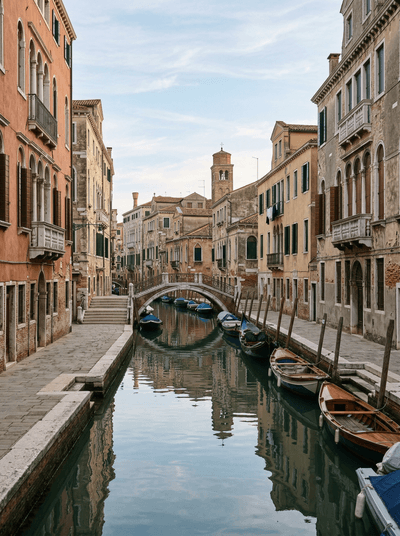
Dawn light on a silent canal where only your footsteps echo on wet stone.
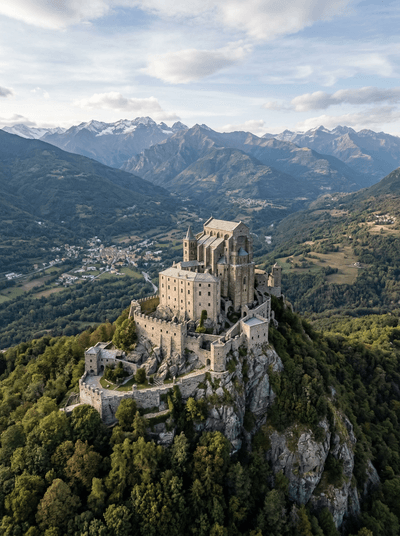
Sacra di San Michele
Italy
A thousand-year-old abbey growing from a mountaintop, its staircase carved through living rock.
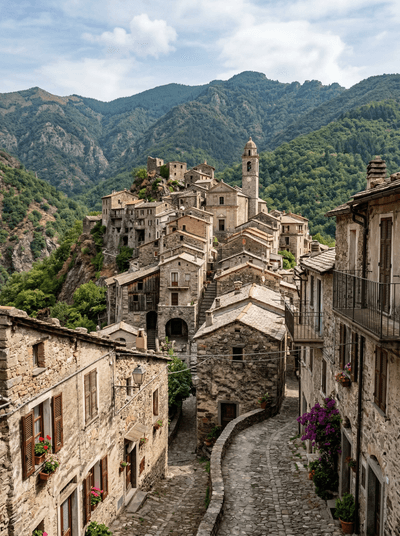
Triora
Italy
A witch-trial village high in the Ligurian Alps, its 1588 terror still marked in stone.