Brazil
Salvador
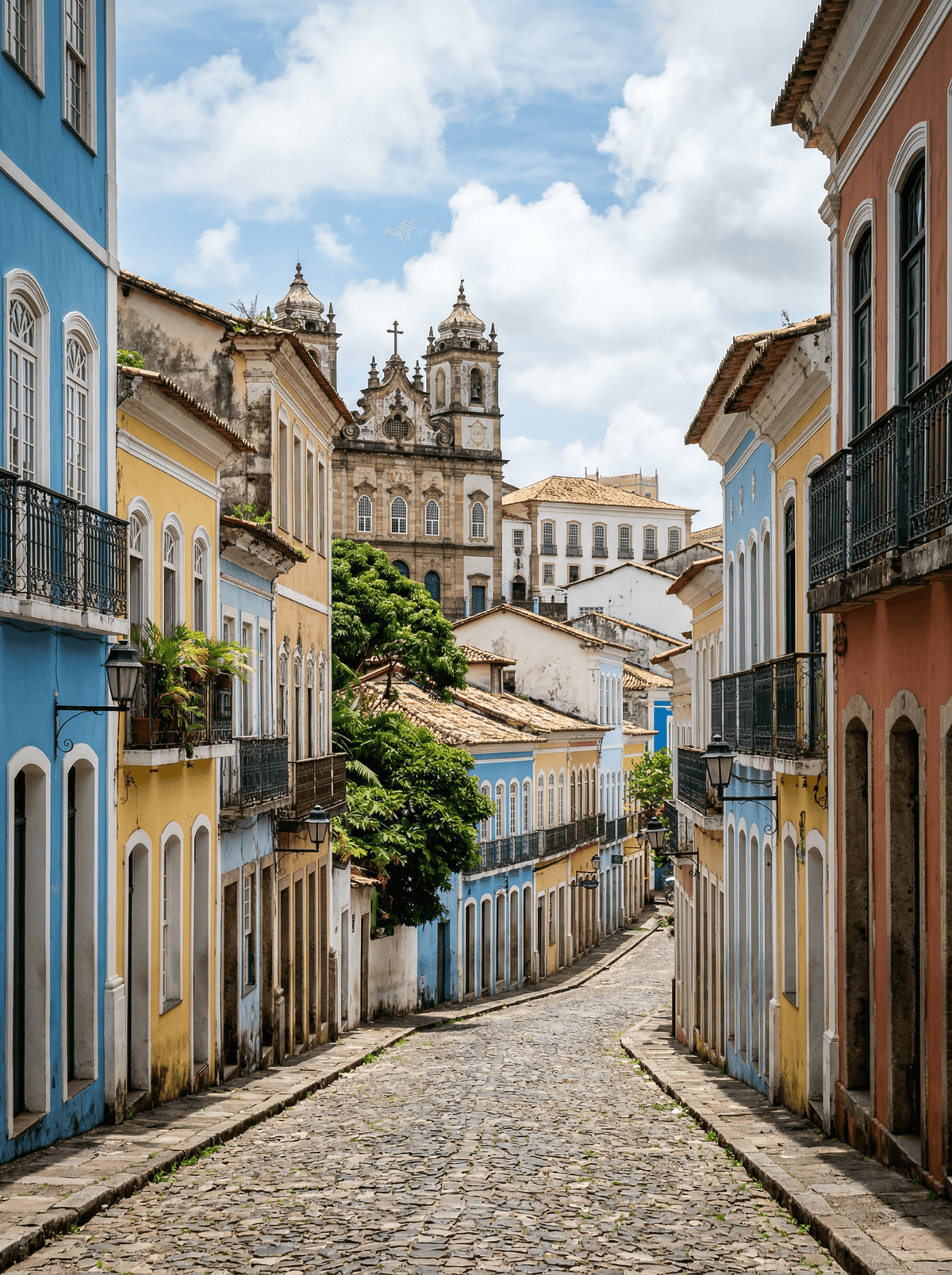
Drum rhythms ricocheting off colonial walls where song, dance and combat happen at once.
The berimbau starts it, then the atabaques, and a ring opens in the street with two players inside. Dendê palm oil is frying somewhere above, in a district of three thousand buildings from the sixteenth to the nineteenth centuries where the churches, archives, cinemas and second-hand bookshops all still open on a Tuesday. This is the largest colonial ensemble in Latin America, and people are getting on with their lives inside it.
IPHAN has the historic centre listed and UNESCO recognises it, but the reason to walk it is what got built here and what refused to leave. In the Igreja de São Francisco every interior surface is covered, walls and columns and ceiling and chapels alike, carved and then gilded; the foundation stone went down in 1708, the church was done by 1723 and the last of the complex in 1782. Around 1830, three African women of the Nagô nation founded a candomblé house on a plot behind a Catholic church, and in 1984 IPHAN chose that house as the first non-Catholic temple ever listed as Brazilian heritage. The Festa do Senhor Bom Jesus do Bonfim has run every year since 1745 and openly articulates two religious systems at the same time, Catholic and Afro-Brazilian. Carnival is the other extreme, and the city runs it like a civil emergency: six official days, 168 beds, more than thirty SAMU ambulances and over three thousand health workers, who treated 5,047 people in February 2026.
Solo
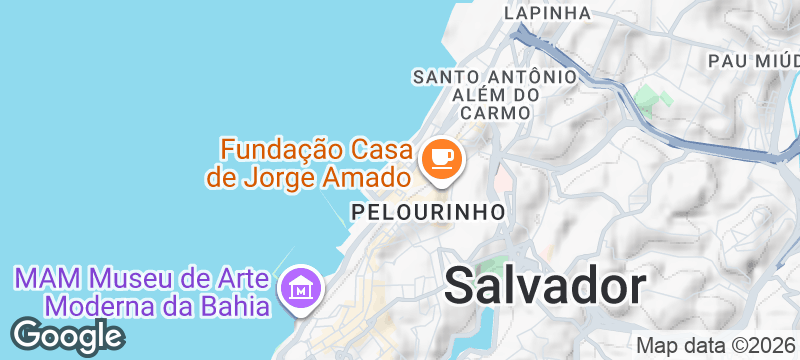
Walking is the whole method, and the district pays it back: ateliers, galleries, archives and second-hand bookshops sit in the gaps between the churches. A terreiro is different. The official page for Casa Branca gives a phone number and an Instagram account and no opening hours, because these are working houses of worship where access is arranged through people who know them.
Couple
The moqueca map is a real evening plan rather than a list: Odoyá and Sorriso da Dadá inside the Pelourinho, Casa de Tereza and Dona Mariquita out in Rio Vermelho. Order the clay pot and let it come to the table still cooking, with rice, pirão and farofa.
Friends
Carnival splits the city into circuits and a group has to commit to one: the sea at Barra and Ondina, the middle of town at Campo Grande, or the historic centre on foot. The calendar holds up on either side of it, with Lavagem do Bonfim in the second half of January and Iemanjá on 1 and 2 February.
- The historic centre holds more than three thousand buildings from the sixteenth to the nineteenth centuries, religious, civil and military, listed by IPHAN and recognised by UNESCO.
- Inside the Igreja de São Francisco there is no plain surface left: walls, columns, ceiling and chapels are all carved and gilded, the church finished in 1723 and the complex in 1782.
- Selling acarajé from a tabuleiro has been protected Brazilian heritage since 2005, a craft tied to the worship of the orixás rather than a recipe.
- Carnival runs six official days across three named circuits, Dodô at Barra and Ondina, Osmar at Campo Grande and Batatinha through the historic centre.
The baiana's tabuleiro carries far more than acarajé: abará, mingaus, lelê, cocadas and pé de moleque sit on the same tray, everything built on dendê palm oil.
Moqueca baiana at Odoyá in the Pelourinho or Casa de Tereza in Rio Vermelho, fish in steaks with dried coconut, coriander and dendê, cooked in a clay pot and finished at your table with rice, pirão and farofa.
Istanbul
Turkey
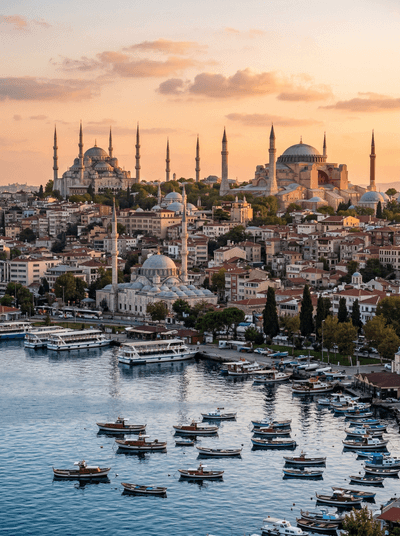
Minarets and cargo ships share a waterway where two continents nearly touch.
Sydney
Australia
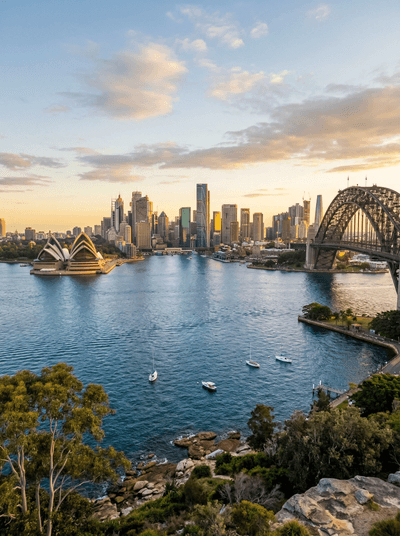
Ferries carve blue water between surf beaches and opera sails as cockatoos screech overhead.
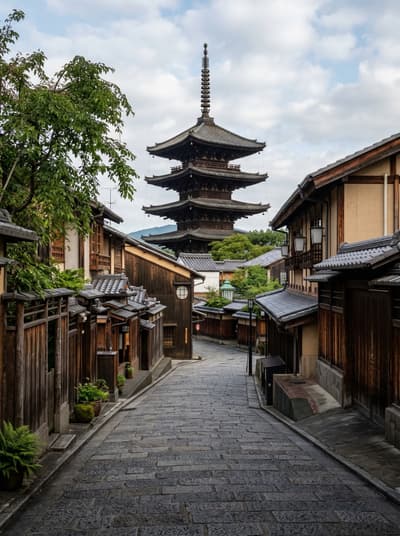
Kyoto
Japan
Lantern-lit alleys where geiko vanish around corners and incense trails from every doorway.
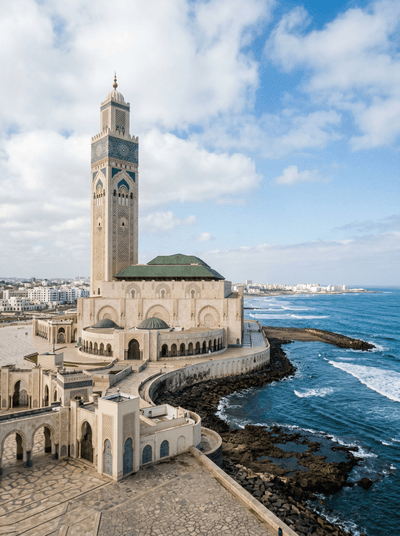
Casablanca
Morocco
The Atlantic runs beneath half a mosque whose roof opens in five minutes.
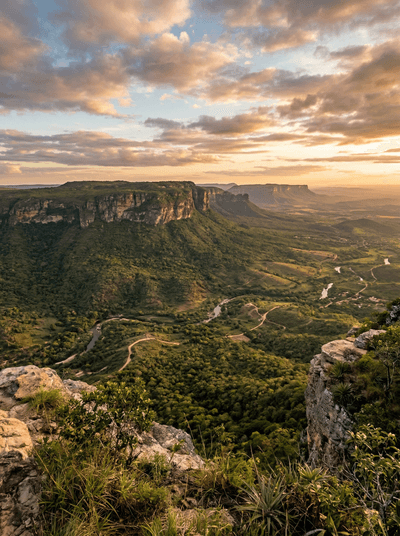
Chapada do Araripe
Brazil
Diggers call this rock pedras de peixe, fish stones, and that is exactly what is inside.
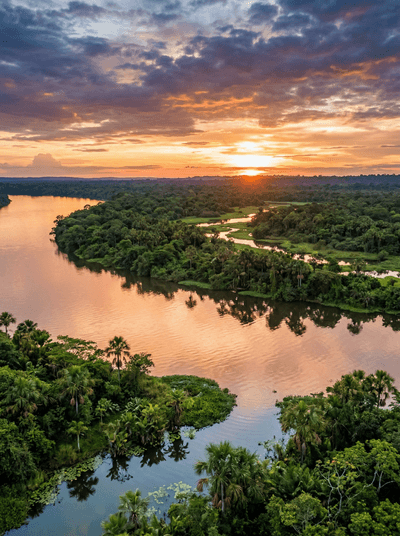
Bananal Island
Brazil
The world's largest river island spends much of the year under the water that made it.
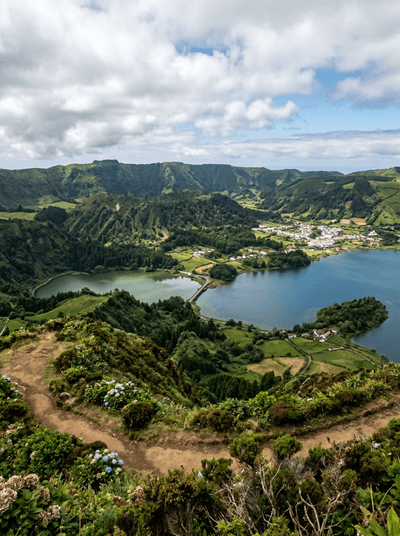
Sete Cidades
Brazil
Sandstone eroded into what look like seven separate cities, with rock paintings inside them.
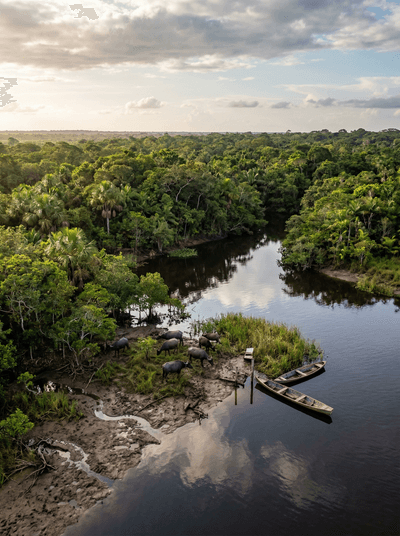
Ilha de Marajó
Brazil
The police here ride buffalo, because the flooded ground defeats anything with wheels.