Brazil
Mangue Seco
Dunes advancing over the coconut groves, eight-metre palms buried to the tips of their fronds.
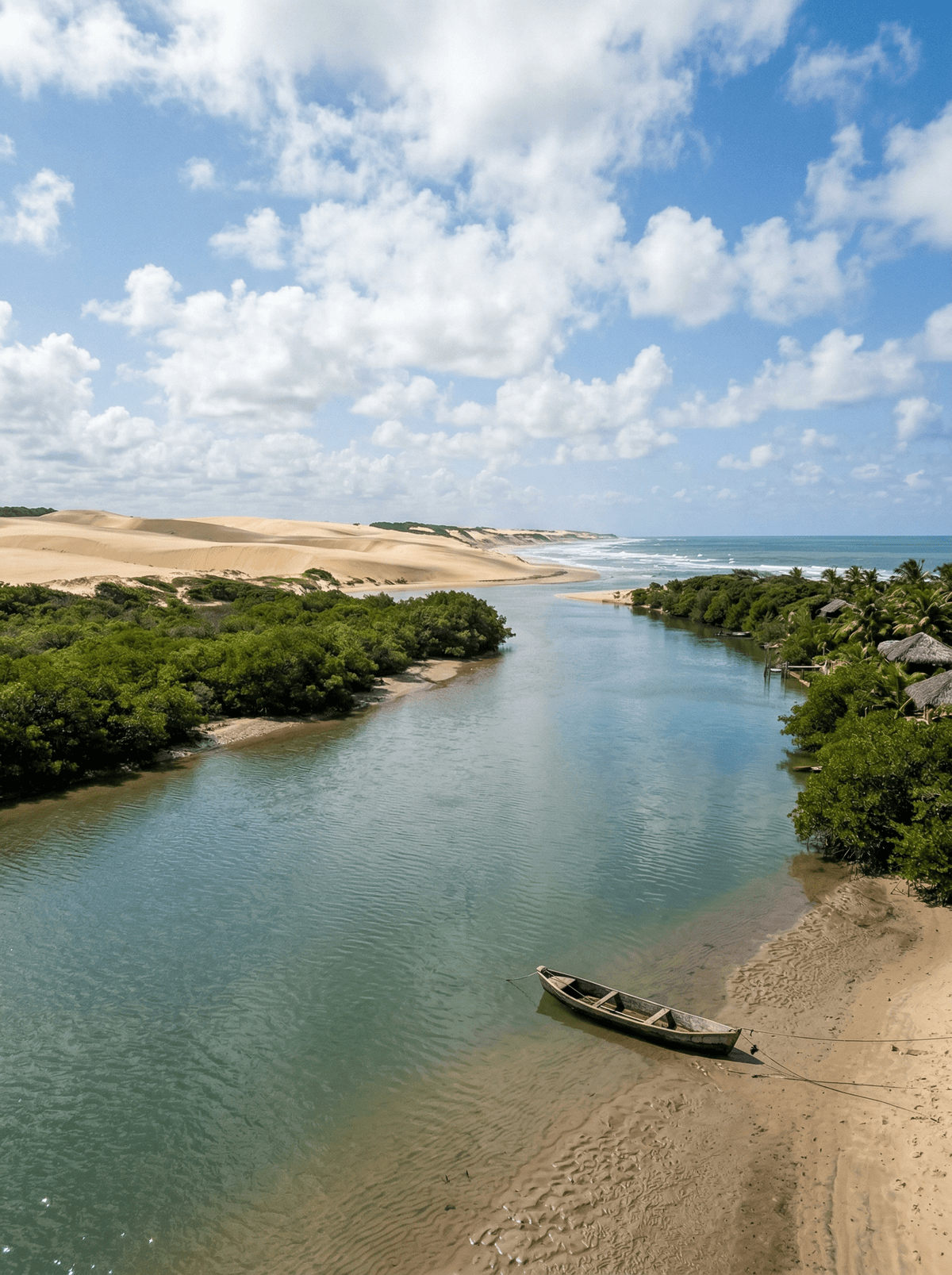
The sand is winning. Mobile dunes are moving west and north across the reserve and over the edge of the settlement, and the coconut palms in their path have gone under: eight metres tall, and what shows now is the tips of the highest fronds, while on the next ones along the fruit bunches rest on the surface of the dune. The state environment institute writes down what the people who live here are afraid of, which is that the built part of Mangue Seco is getting smaller.
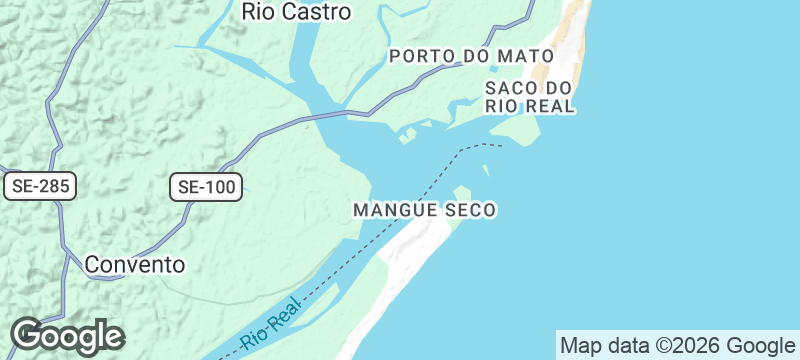
Mangue Seco sits in the municipality of Jandaíra, at the far northern end of the Bahian coast, between the estuary of the Rio Real and the sea and hard against the Sergipe border; it was an indigenous village before it was a fishing one. The protected area around it covers 3,395 hectares, dunes are about forty per cent of that, and INEMA describes the fixed and mobile sand together as a singular and highly fragile landscape whose balance depends on being managed. Arriving is a choice of three: a ten-minute launch from the Atracadouro do Pontal, where you leave the car at the jetty and settle the fare with the boatman, a thirty-minute crossing from Porto do Cavalo if you come from Aracaju, or a 4x4 along the beach from Costa Azul. The village became known across Brazil for two reasons at the same time, the filming of Tieta do Agreste, broadcast in 1989 and repeated in 1994, and a road that improved. Seven pousadas take guests, the dune circuits by buggy and quad bike average forty minutes, boats run out on the Rio Real, the Rio Apraius and the Barra da Estância, and the broad-snouted caiman and the maned sloth that live in the reserve are both threatened with extinction.
Couple
Almost nothing here runs to a timetable. The launch from the Pontal takes ten minutes and the fare is whatever you and the boatman agree, there are seven pousadas in the whole place, and the tide and the light end up setting the pace. April to July is the wet stretch; and outside that stretch the weather holds.
Solo
A buggy circuit covers the dunes in forty minutes, which is a fraction of forty per cent of a 3,395 hectare reserve, so the interesting part is what you walk afterwards. Then the Rio Real for a swim, and the late low tide on the way back, when the marisqueiras are out in the mud again.
- Dunes make up about forty per cent of the 3,395 hectares protected here, fixed and mobile together, and the moving ones are advancing west and north over the edge of the village.
- Three ways in: a ten-minute launch from the Atracadouro do Pontal, a thirty-minute crossing from Porto do Cavalo, or a 4x4 run along the beach from Costa Azul.
- This was an indigenous settlement before it was a fishing village, and it went national on two things at once, the 1989 telenovela Tieta do Agreste and the road getting better.
- Seven pousadas take guests, buggy and quad bike circuits work the dunes in about forty minutes, and the Rio Real has a restaurant on the water where people swim.
Massunim is the shellfish here, pulled out of the mud on the two low tides, cleaned and cooked at home and sold on to the restaurants of the village.
Moqueca de aratu is the plate to order, made with the small red mangrove crab, and Dona Aurora's barraca on the sand does pastéis de aratu and a caipirinha de mangaba beside it.
Pantelleria
Italy
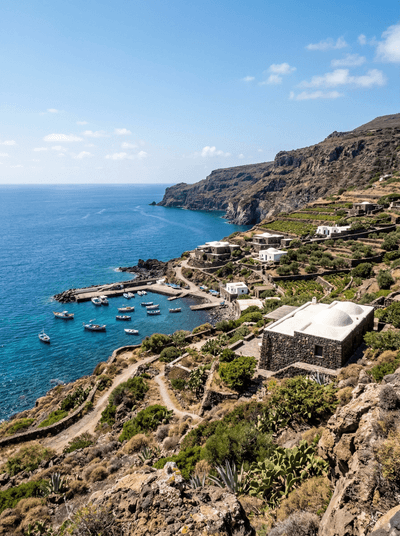
A volcanic island between Sicily and Tunisia where dammuso houses are built to survive constant wind.
Fajã d'Água
Cape Verde
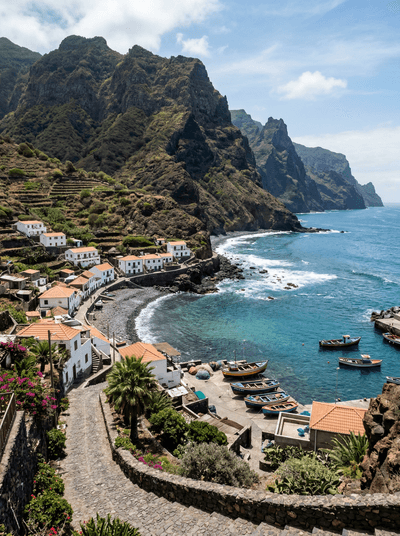
From this bay sailed Cape Verde's first ship to America; the Matilde never arrived.
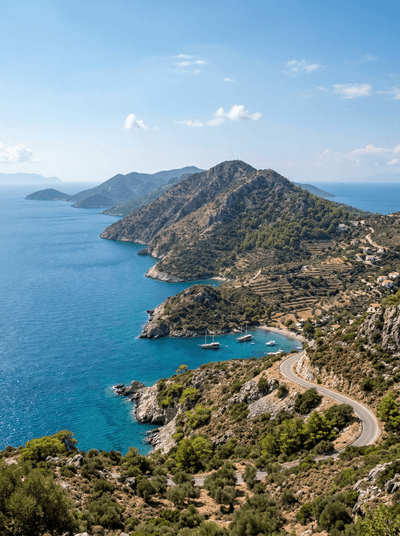
Datça Peninsula
Turkey
Two seas collide at a wind-raked cape where almond blossom blankets the hills each February.
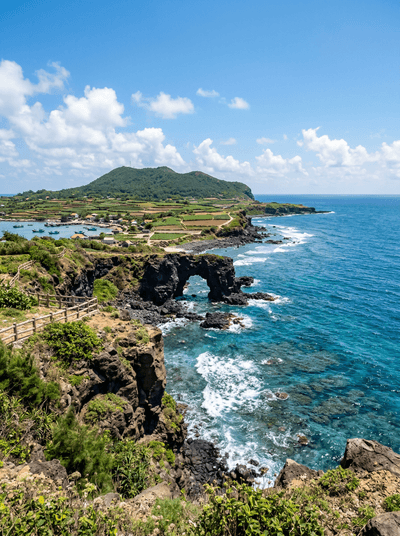
Ly Son Island
Vietnam
A volcanic island quilted in garlic fields stretching toward basalt cliffs and the sea.
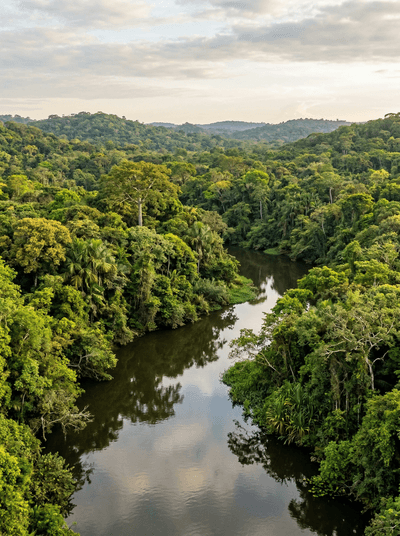
Cristalino Private Reserve
Brazil
Climb 250 steps before five and watch the flying rivers lift off the canopy below you.
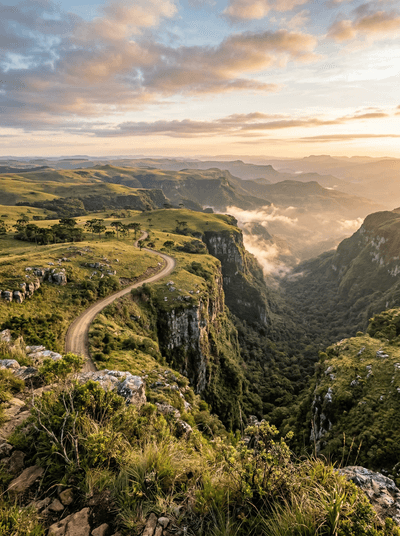
São José dos Ausentes
Brazil
The state's biggest fazenda went to auction twice because its owners never turned up.
Triunfo
Brazil
Fog on dry-stone walls, in a scrap of rainforest stranded above the drought country.