Brazil
Xixuaú Reserve
Giant river otters hunting in convoy in a community-run Amazonian reserve three days from anywhere.
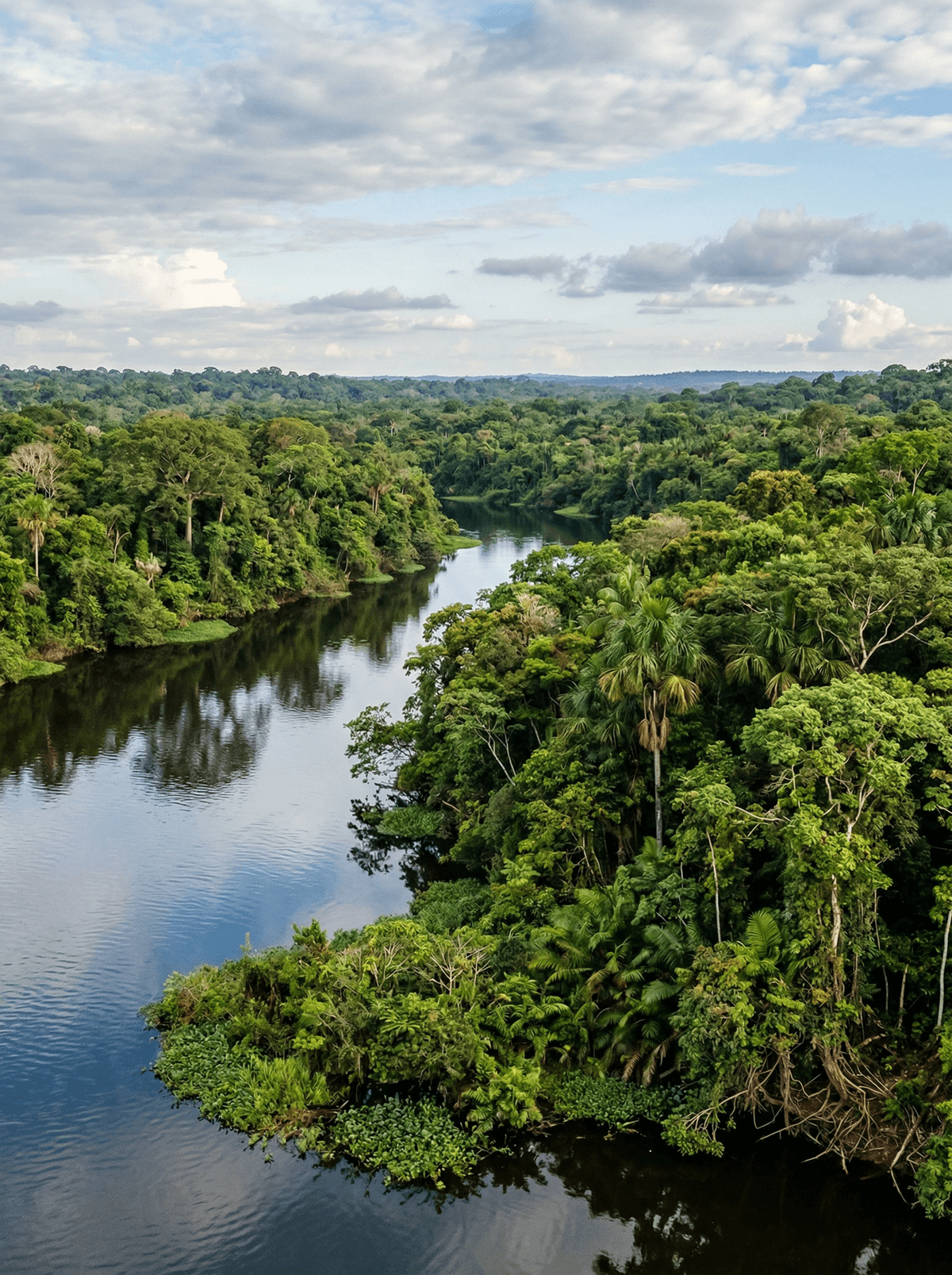
The engine cuts out and the river swallows the silence. Ahead, a family of giant otters — each longer than a grown man — surfaces in formation, their whistles echoing off walls of unbroken canopy. This is the Xixuaú Reserve in Roraima, a pocket of Amazon so remote that the three-day boat journey from Manaus is itself a passage through wilderness most visitors to Brazil will never witness.
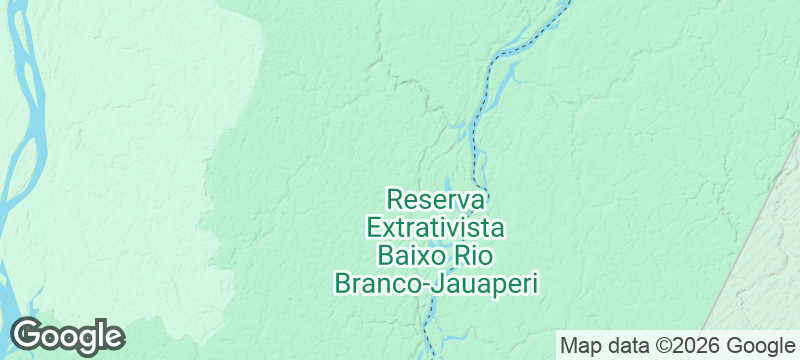
Xixuaú Reserve is a community-managed conservation area on the Jauaperi River, a tributary of the Rio Negro in the northern Amazon basin. The reserve is run entirely by its forty resident families — every guide, cook, and boat pilot is local, and all tourism income stays within the community. Giant river otters, the world's largest otter species at up to 1.8 metres, hunt in family groups through the reserve's channels each morning. Black caimans patrol the shallows after dark, pink river dolphins surface in the tea-coloured water, and arapaima exceeding two metres are regularly spotted on guided canoe trips through the flooded forest. The reserve's isolation — accessible only by river — has kept its ecosystems intact in a way that more accessible Amazonian destinations cannot match.
Solo
The multi-day river journey and total disconnection from the outside world make Xixuaú a reset that works best when you answer to no one's schedule but the river's. Solo travellers integrate naturally into the community rhythm — paddling with local guides, eating what the forest provides, sleeping when the jungle goes quiet.
Couple
Sharing a canoe at dawn while otters hunt metres away is an experience that bonds in a way no resort can replicate. The lodge's simplicity — no Wi-Fi, no distractions, just forest and river — strips everything back to the two of you and the wild.
- Giant river otters — the world's largest otter species at up to 1.8 metres — hunt in family groups through the reserve channels each morning.
- The reserve is managed by the forty families of the Xixuaú community — all guides, cooks, and boat pilots are local and all income stays in the community.
- Reaching the reserve takes three days by river from Manaus — the journey passes through primary Amazon that most visitors to Brazil never see.
- Black caimans, river dolphins, and arapaima over two metres long are regularly seen on guided canoe trips through the flooded forest.
Pirarucu and tambaqui grilled by community cooks at the riverside lodge.
Tucumã and pupunha palm fruits foraged from the surrounding forest and served at breakfast.
Açaí and farinha with fresh river fish — the daily Amazonian staple — earned after hours on the water.
Massa
Morocco
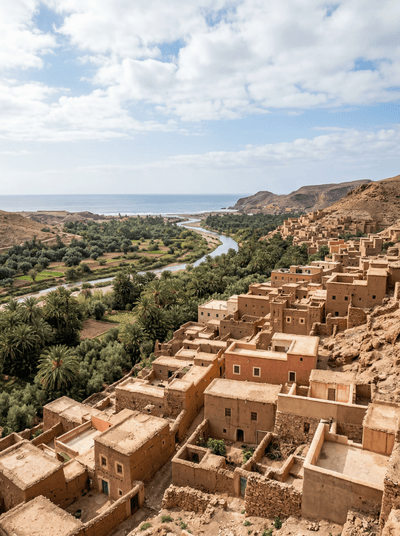
A rivermouth where the Sahara, the Atlantic, and a flamingo colony converge on one beach.
Maryang-ri
South Korea
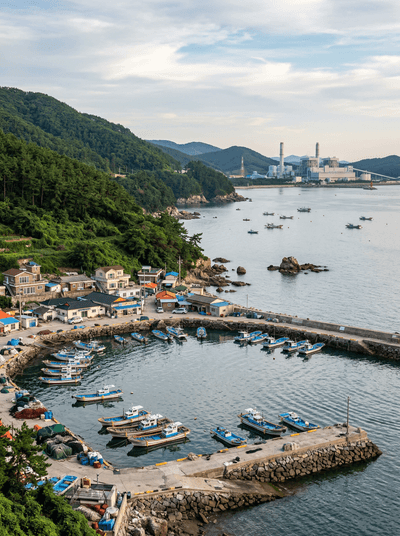
A five-hundred-year-old forest of camellia trees bleeding red flowers against the grey winter sea.
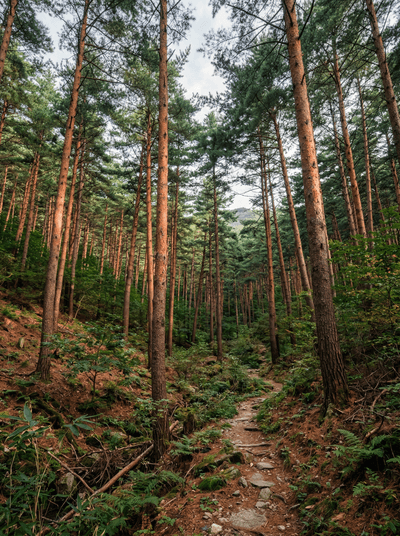
Uljin Geumgang Pine Forest
South Korea
A heavily restricted royal timber reserve where centuries-old red pines grow straight toward the sky.
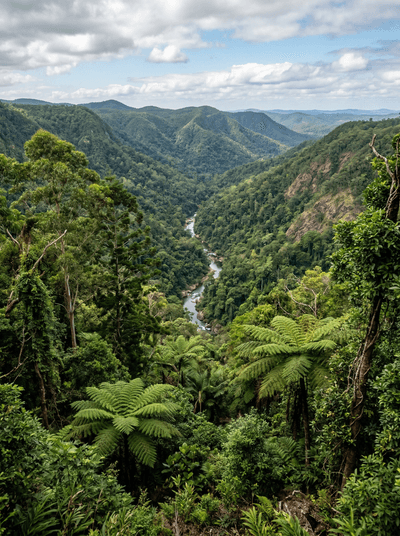
Eungella National Park
Australia
Dawn mist lifts to reveal platypuses feeding in a creek that tumbles through cloud forest.
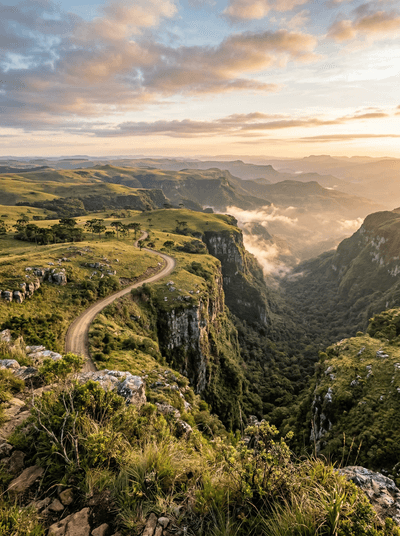
São José dos Ausentes
Brazil
The most isolated town in southern Brazil, ringed by canyons and frozen grasslands at dawn.
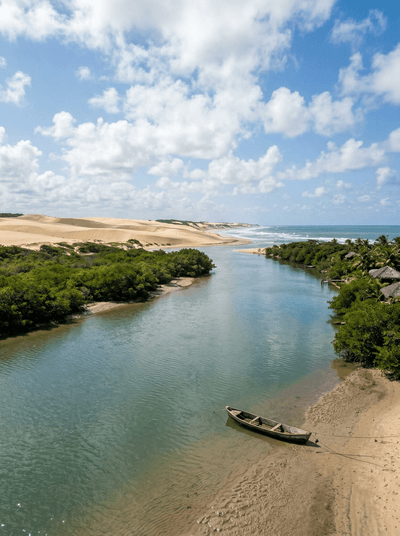
Mangue Seco
Brazil
Sand dunes swallowing a fishing village accessible only by boat across a tidal river.
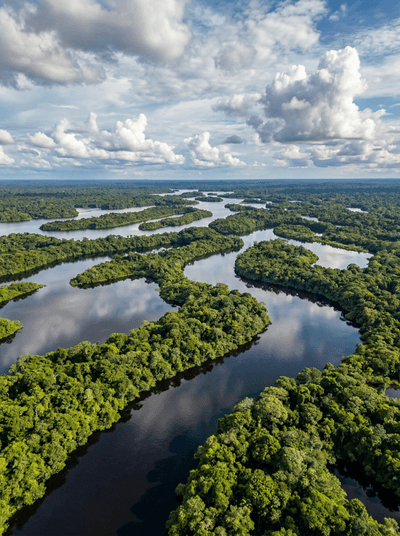
Anavilhanas
Brazil
Hundreds of forested islands drifting in the tea-dark waters of the Rio Negro.
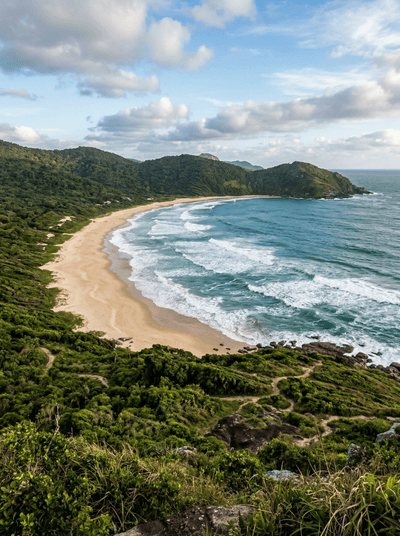
Praia do Rosa
Brazil
Southern right whales surfacing so close to the beach you can hear them breathe.