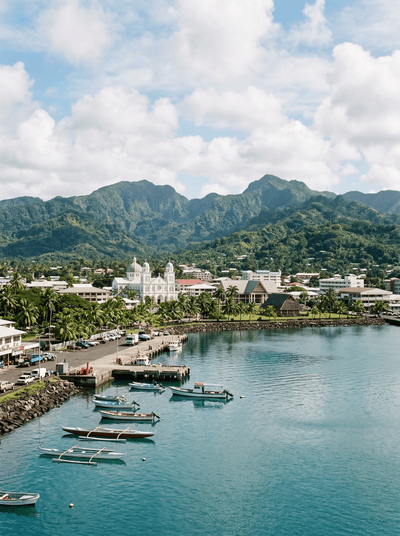
Samoa
Matavanu Crater
A hand-kept trail climbs to the crater that buried villages; its keeper logs every visitor's country.
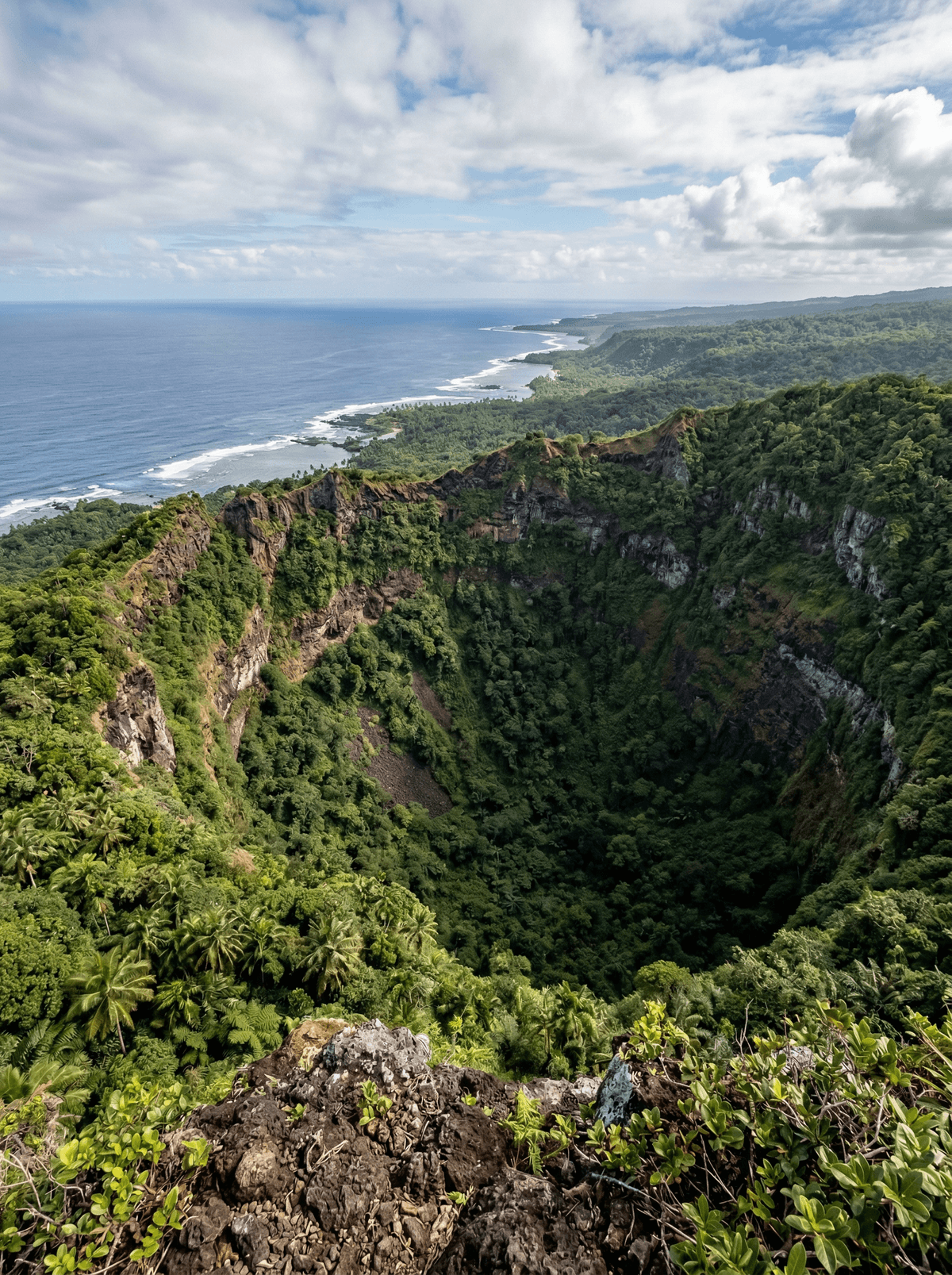
The volcano that ruined a coastline is now a bowl of birdsong: Matavanu's crater has been swallowed whole by vegetation in barely more than a century. From 1905 to 1911 it roared, sending lava thirteen kilometres to the sea and burying five villages on the way. What waits at the top is green, loud with insects, and strangely gentle.
The walk starts near Safotu, where a rough track climbs through Paia's plantations; a four-wheel drive shortens the approach, and the return on foot runs about six kilometres in two to three hours, hot and shadeless in stretches, so carry water. The trail is kept by the village, and a post at a trailside fale records visitors' home countries; well over a hundred nationalities stand there already. The rim looks two ways, into a crater filled with native vegetation and birdlife, and out across western Savai'i's villages to the sea the lava once reached. Pair the climb with the Saleaula ruins on the coast and you can follow the same eruption from source to shore in a day.
Solo
The track is quiet enough to hear your own footsteps change from dust to forest floor, and the country-post ritual at the trailhead fale turns a lone walker into part of a long ledger. Water and an early start are the whole strategy.
Couple
Stand on the rim together with the crater's regrown jungle below and the coast the lava reached on the horizon. Driving on to the Saleaula ruins afterwards gives the day its second act.
Friends
Share the four-wheel-drive logistics, take the two-to-three-hour walk at talking pace and count the nationalities on the post when you sign in. The rim view over western Savai'i is the group photograph.
- Mount Matavanu erupted from 1905 to 1911, sending lava thirteen kilometres to Savai'i's north-east coast.
- The crater has been reclaimed by native vegetation and birdlife in little more than a century.
- The trail is village-kept, and a post at a trailside fale records the home countries of past visitors.
- The eruption holds a place on the IUGS roll of one hundred world geological heritage sites.
Take water and lunch up to the crater: the walk is hot, shadeless in stretches, and nothing can be bought past Safotu.
Manase's beachfront kitchens sit on the same north coast, the right landing after a dusty descent.
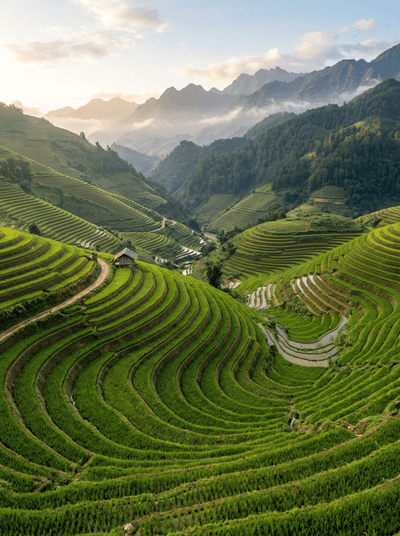
Mu Cang Chai
Vietnam
Mountains carved into thousands of mirrored rice terraces reflecting the sky.
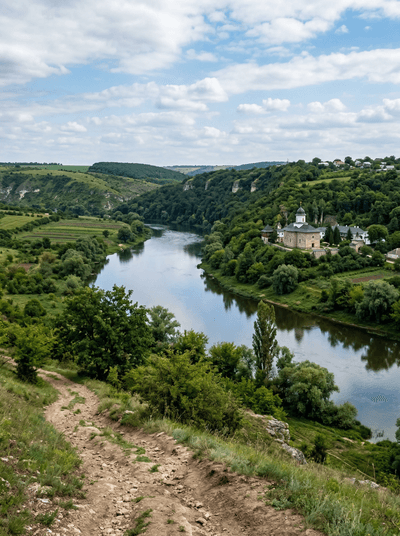
Rudi
Moldova
The Earth was measured from a stone in this orchard, on a line to the Arctic.
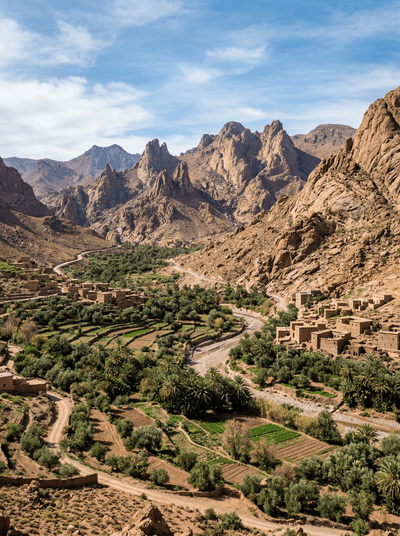
Ameln Valley
Morocco
Ochre villages disappear into Jbel Lekst while almond blossom clouds the valley floor.
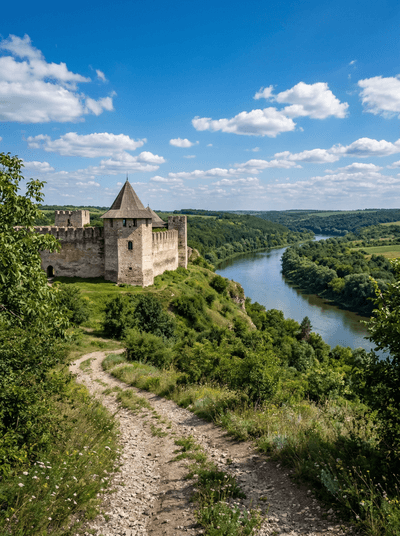
Cosăuți
Moldova
Stone-carvers work beside an ice-age camp that left antler pikes grooved to drain blood.