Mexico
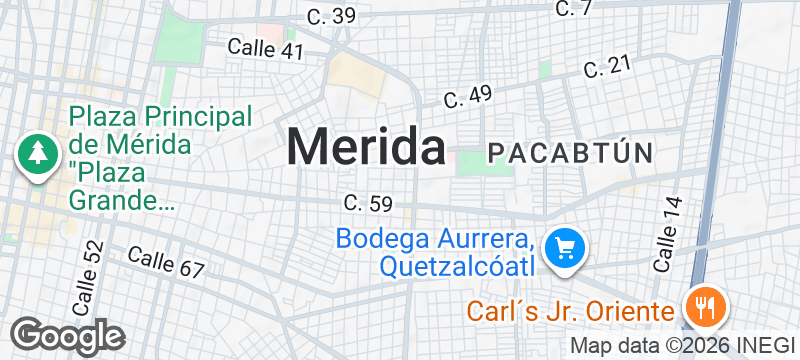
Mérida
A white-walled city where henequen mansions age gracefully and Sunday streets fill with dancing.
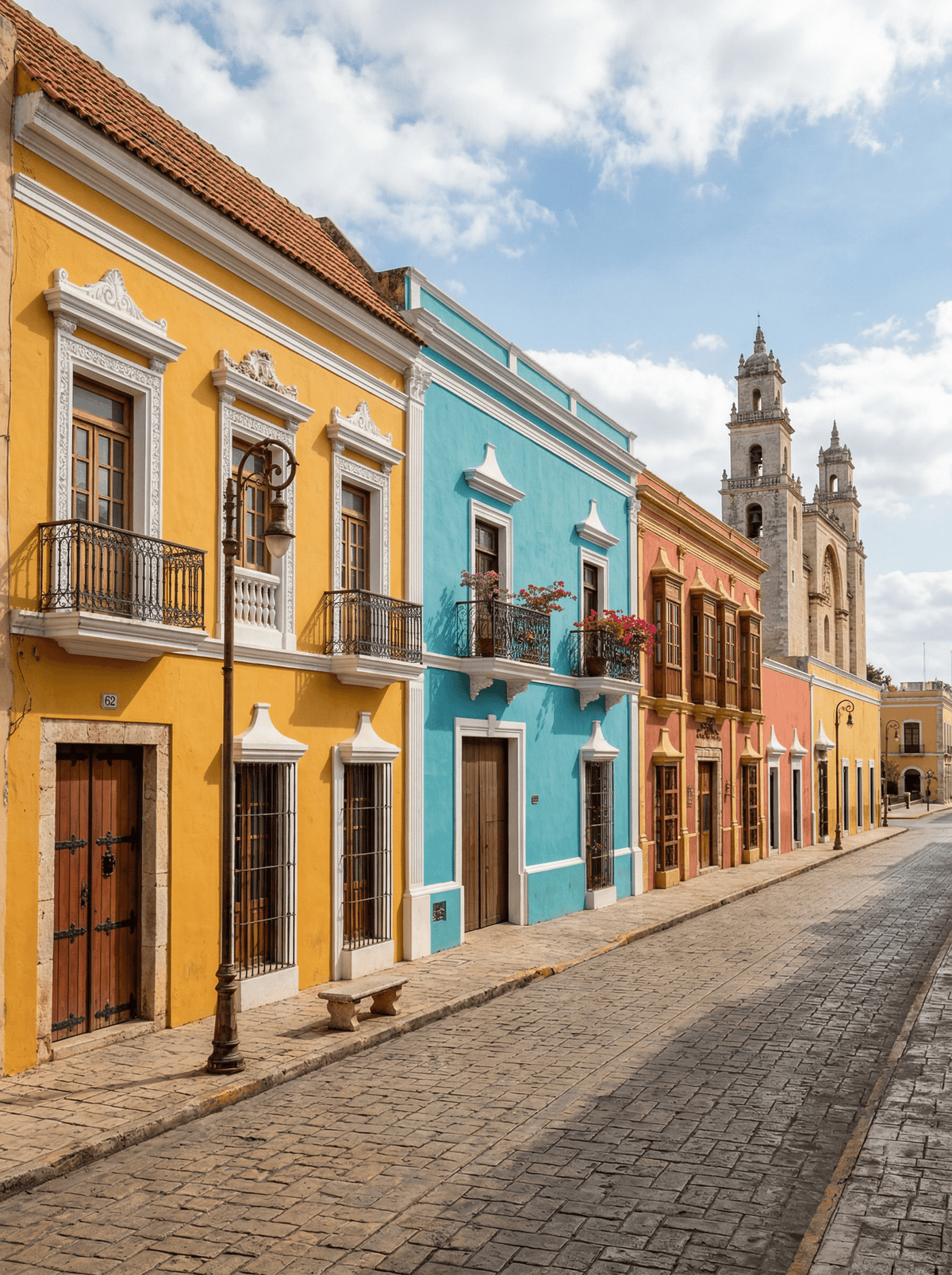
On Sunday mornings the main boulevard belongs to bicycles, and by evening the squares belong to dancers. Mérida treats its streets as rooms, and the henequen mansions along Paseo de Montejo as furniture inherited from a very rich ancestor.
Mérida grew wealthy on henequen fibre, and the mansions and haciendas of that boom now shape the city's character, some restored as hotels, others fading with dignity. Its weekly rhythm is famously public: the Sunday Bici-Ruta closes the boulevard to traffic and the plazas host music and dancing through the week. Mérida is likewise the gateway to the Puuc region's Maya sites, with Uxmal about an hour away, and its Yucatecan kitchen stands apart from the rest of Mexico.
Couple
Give Sunday to the Bici-Ruta and the plazas, and an evening to Paseo de Montejo's mansions.
Solo
Base yourself in the centre, eat through the markets and day-trip the Puuc sites.
Family
Use the plazas' free evening life and keep museum stops short and cool.
- The Sunday Bici-Ruta closes the main boulevard to traffic for cyclists, dancers and musicians.
- Henequen-era mansions and converted haciendas give the city its distinctive built character.
- Mérida is the natural gateway to the Puuc region's Maya sites, with Uxmal about an hour away.
- Yucatecan cuisine stands apart from the rest of Mexico, from papadzules to sopa de lima.
Cochinita pibil is the Yucatán's pit-roasted signature, and vendors in the Lucas de Gálvez market sell it the old way.
The marquesita was invented in Mérida in the 1930s by an ice-cream maker saving his winter trade.
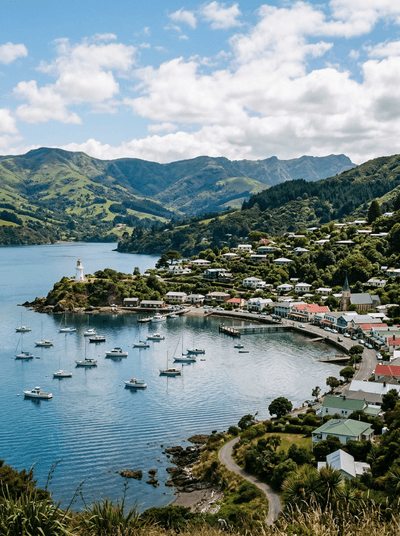
Akaroa
New Zealand
French street names and a crater harbour where the world's smallest dolphins feed.
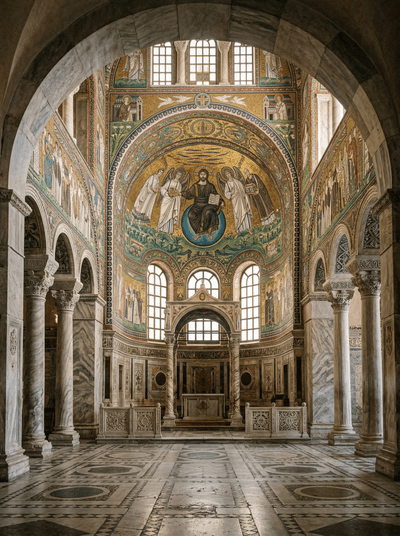
Ravenna
Italy
Byzantine mosaics so luminous the gold tiles still burn after fifteen centuries.
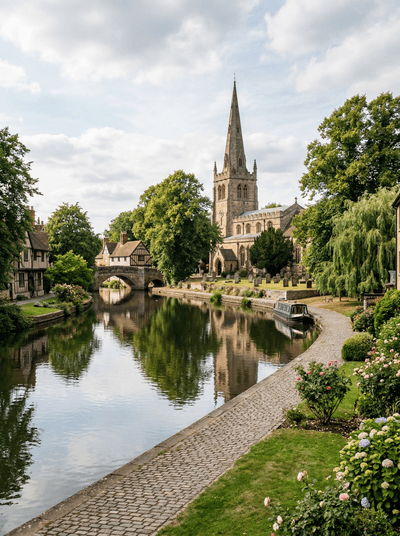
Stratford-upon-Avon
England
Half-timbered streets where Shakespeare was born and the swans own the river.
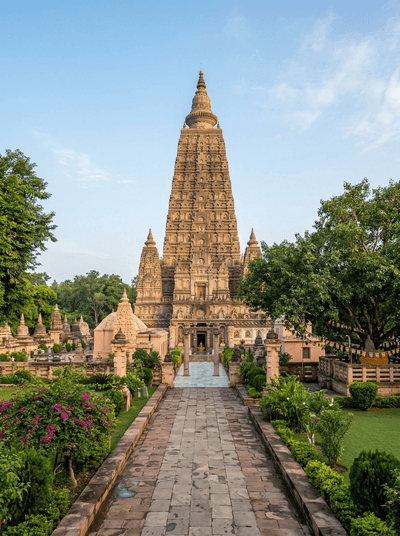
Bodh Gaya
India
Maroon-robed monks chanting beneath the descendant of the fig tree where Buddhism itself began.
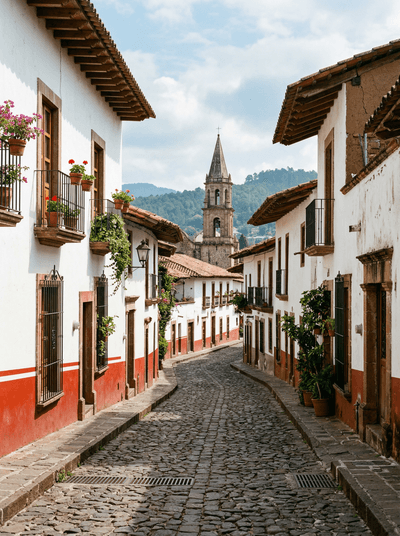
Pátzcuaro
Mexico
Plazas, lake routes and Purépecha craft traditions gather in a cool highland town.
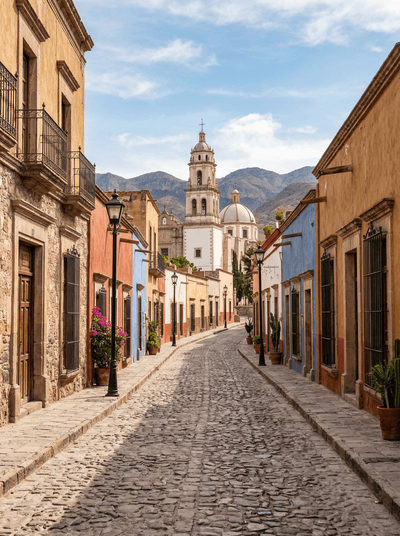
Parras de la Fuente
Mexico
Desert vineyards around a spring-fed oasis have produced wine since 1597.
Malinalco
Mexico
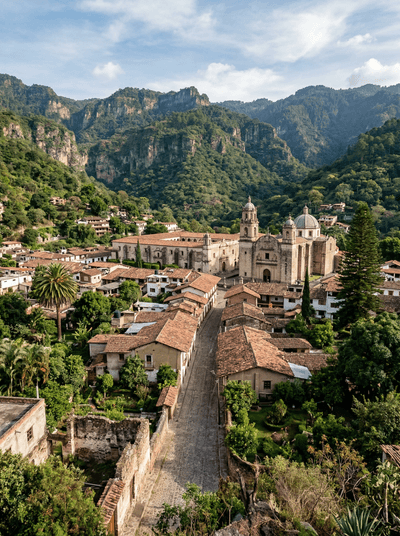
An Aztec temple carved directly from a living mountaintop, eagle warriors etched into the rock floor.
Monte Albán
Mexico
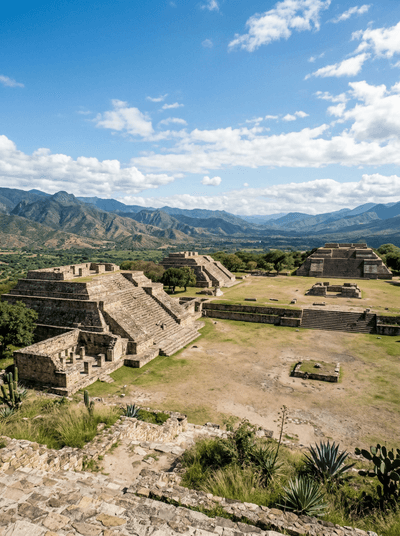
A Zapotec acropolis floats above the clouds on a mountaintop the ancients levelled by hand.