Turkey
Midas City
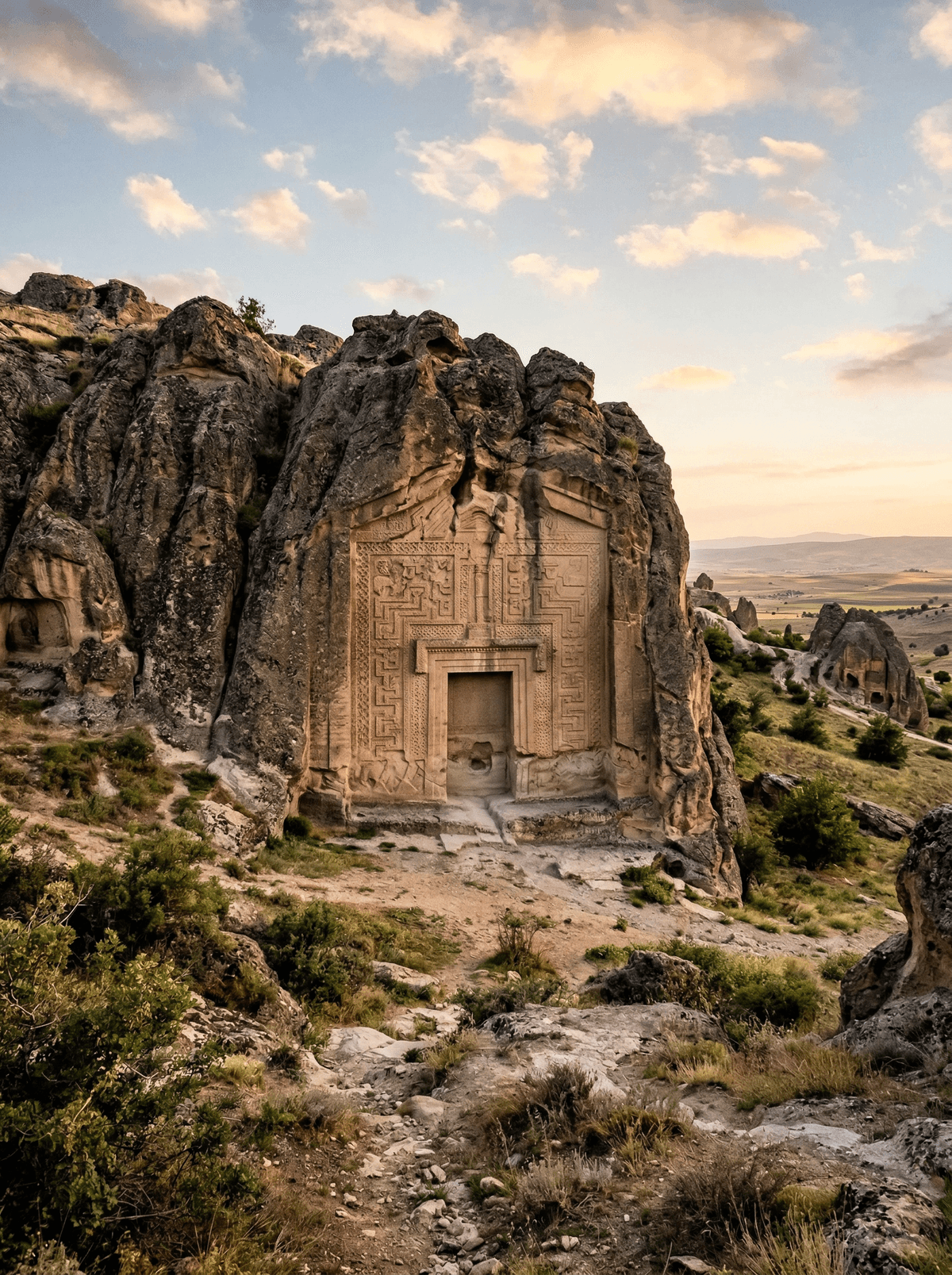
A rock facade inscribed to Midas the ruler, alone above a plateau of Phrygian tombs.
The rock facade rises sheer from the plateau, a geometric monument carved into volcanic tuff, its Old Phrygian inscription dedicating it to Midas the ruler. Wind moves across the grass. Tomb chambers open into the cliff, exactly where they were cut 2,700 years ago.
Midas City, Yazılıkaya in Turkish, is the largest surviving Phrygian rock-cut monument in Anatolia, on a high plateau near Eskişehir. The Phrygians carved temples, tombs and ceremonial facades straight into the soft tuff, and the Midas Monument, whose Old Phrygian inscription dedicates it to Midas as army leader and ruler, is the heart of a major religious sanctuary; the political capital lay at Gordion. Dozens of altars, chambers and cisterns spread across the surrounding plateau, and the wider Phrygian Valley, on UNESCO's tentative list, links several carved-rock settlements by walking trails. In spring the plateau blooms with wild thyme, poppies and rock roses, the carved stone rising straight from the flowers.
Solo
Walking the Phrygian plateau alone, finding rock-cut tombs and inscriptions in the grass, delivers the thrill of exploration without a single tour bus in sight.
Couple
The scale of the monument, the emptiness of the plateau and the strangeness of a lost civilisation's sanctuary make this one for couples who collect rare experiences over popular ones.
Family
The rock formations and cave tombs feel like a natural playground, and the Midas connection, the king with the golden touch, gives children an instant story.
Friends
Hike the Phrygian Valley trail between rock-cut sites, then reward yourselves with poppy-seed Turkish delight. A weekend trip from Ankara or Eskişehir.
- The Midas Monument carries an Old Phrygian inscription dedicating it to Midas as army leader and ruler.
- Dozens of Phrygian rock tombs, altars and carved facades scatter the plateau, most unmarked and waiting to be found.
- The Phrygian Valley links this sanctuary with other rock monuments and Byzantine cave churches within a short drive.
- In spring the volcanic plateau is covered with wild thyme, poppies and rock roses, the carved stone rising from the flowers.
Çibörek, minced meat and onion sealed in thin dough and fried, taken with cold ayran.
Met helvası, spun into fibrous sticks about the length of a finger.
Taveuni
Fiji
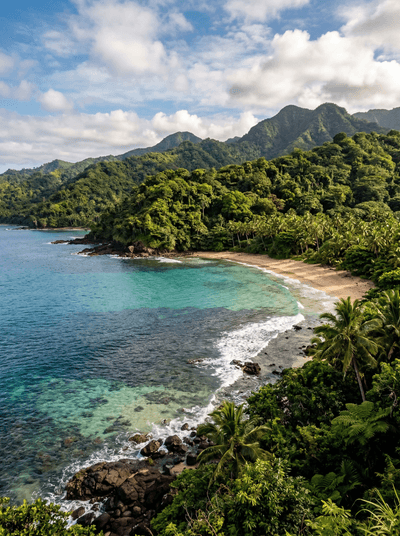
Stand astride the 180th meridian in rainforest, one foot in today, one in yesterday.
Parque Nacional Conguillío
Chile
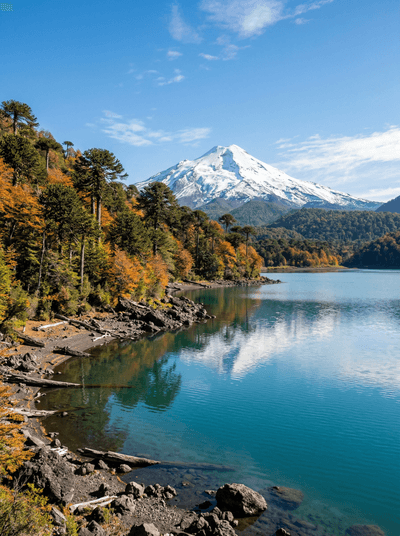
Araucaria crowns stand over black lava and clear lakes beneath Volcán Llaima.
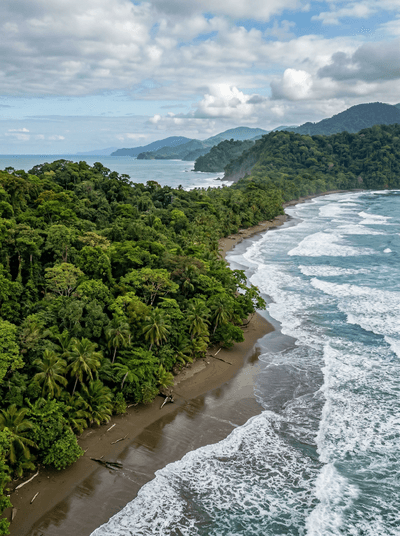
Corcovado National Park
Costa Rica
National Geographic called it the most biologically intense place on Earth. They undersold it.
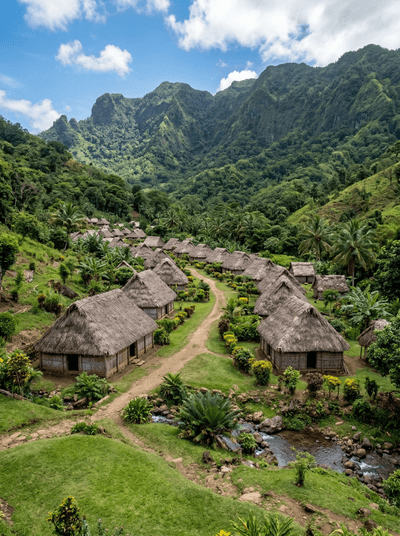
Navala Village
Fiji
Two hundred thatched bures, all built the same size, climb a valley above the Ba River.
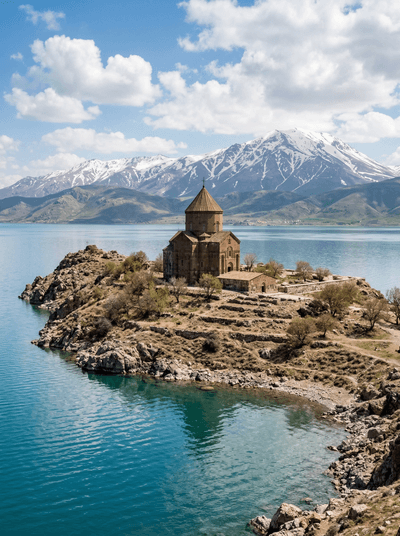
Akdamar Island
Turkey
A tenth-century Armenian church carved with biblical scenes floats alone on an island in Lake Van.
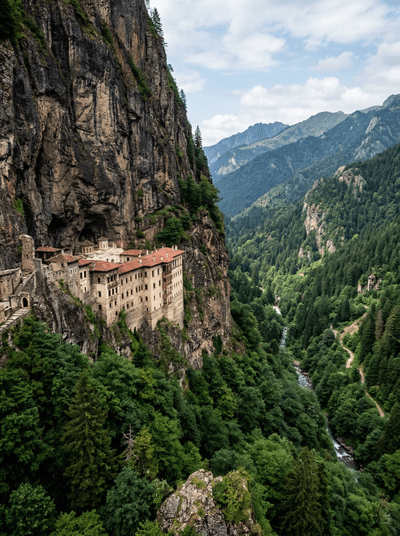
Sumela Monastery
Turkey
A monastery clinging to a cliff 300 metres above a misty Black Sea valley.
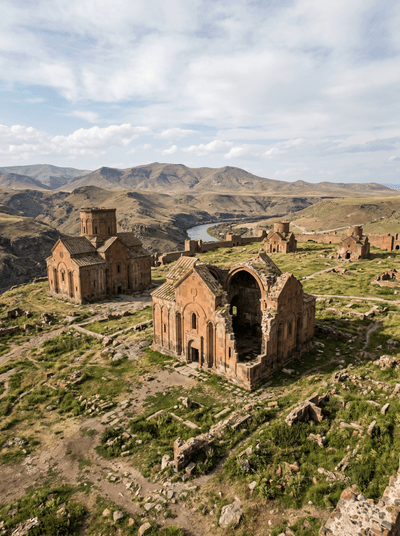
Ani
Turkey
A ghost city of 100,000 souls on the Armenian border, churches crumbling into wildflower meadows.
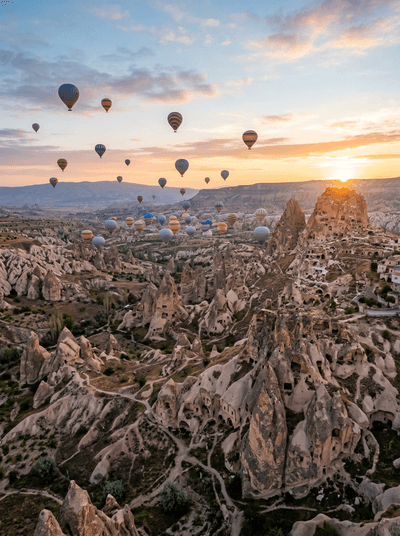
Cappadocia
Turkey
More than a hundred balloons rise at dawn through a forest of stone pillars.