Morocco
Mirleft
Mirleft means prince of turnips, and the wadi they grew in still runs onto the beach.
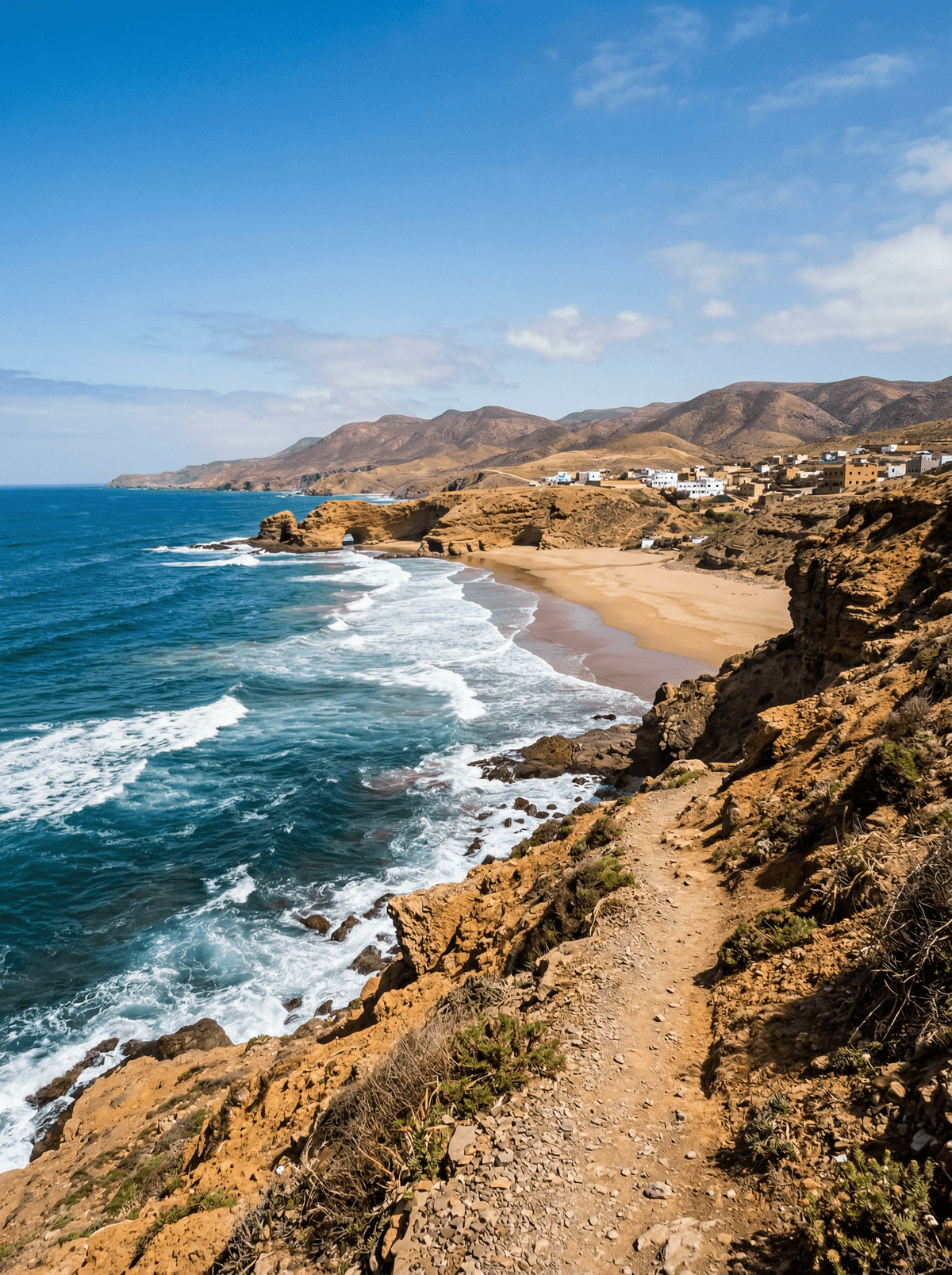
For a long time the only way in was a narrow, bent, broken-up road under gnarled argan trees, and the village kept its shape: lime-washed houses on a clifftop between the first hills of the Anti-Atlas and the Atlantic. There is one arcaded main street, a souk on Mondays, and a ruin on the hill to the south. Below the cliffs the beaches and coves run in both directions, and in summer they take the overflow from Agadir, an hour and a half up the road.
This is a young village with an odd history. The Berber name translates as prince of turnips, and the story attached to it has nomads passing through to buy turnips of fifteen kilos, known across the region for their size and their taste, out of the wadi that still comes down onto the sand. The village itself dates from the colonial period, when control of Morocco was split between France and Spain, and a beach a few kilometres away served as the line between the two. The ruined military post on the hill went up in 1935 and belongs to that arrangement; the track to it is now where people go for a late-day view down the coast. Sidi Ifni, thirty kilometres south, was the Spanish side and still shows it, in a seafront promenade and public gardens with an Andalusian flavour.
Solo
Walk the coast paths that link the beaches, the Aftas loop first, then take the track up to the ruin for the last of the light. Two to four days covers the village properly, and a car opens up Legzira ten kilometres south and Sidi Ifni twenty beyond it.
Couple
Fish the cliffs in the morning, when local anglers work the rocks for sar and bream, then use Imin Turga for the gentler afternoon shore. The contrast between working coast and sheltered sand gives the day its shape.
- The Berber name translates as prince of turnips, after fifteen-kilo turnips said to have grown in the wadi that still reaches the beach.
- A beach a few kilometres from the village marked the frontier between French and Spanish Morocco.
- The ruined military post on the hill south of town was built in 1935, and the track up to it looks down the whole coast at sunset.
- The beaches divide by job: Imin Turga for swimming and a first surf lesson, Aftas wilder and better for a rod, Sidi Mohamed Ben Abdellah for the rock with a hole punched through it.
Black sar, the southern sub-species cooks rate above the ordinary kind, taken by line off the cliffs along with bream, bass and meagre that run to seventy kilos.
The Monday souk, the week's one fixed appointment, piled with fresh produce and spices.
Yelapa
Mexico
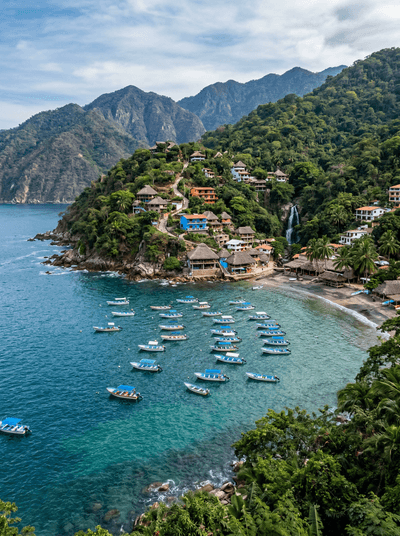
A green bay hides a village where pies come down to the beach before noon.
Togian Islands
Indonesia
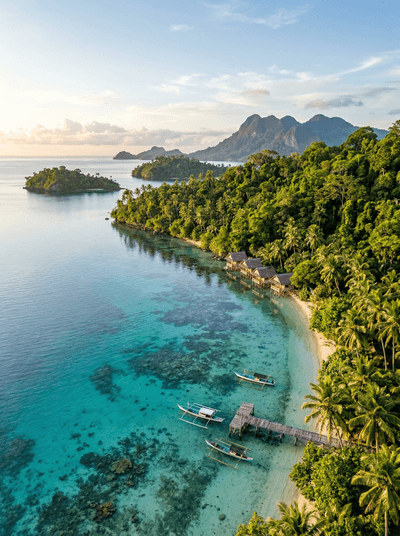
Bajo villages stand on stilts over a gulf where all three reef types meet.
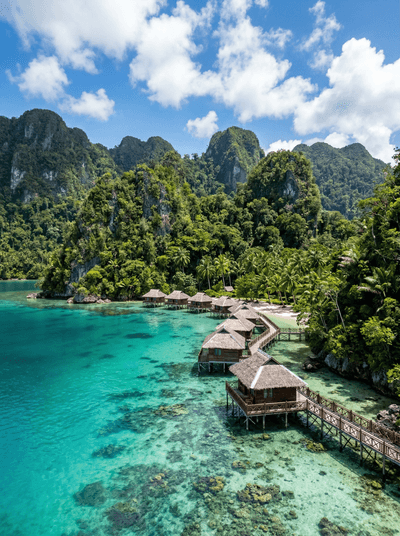
Ora Beach
Indonesia
Stilt bungalows stand where Seram's rainforest falls straight into coral.
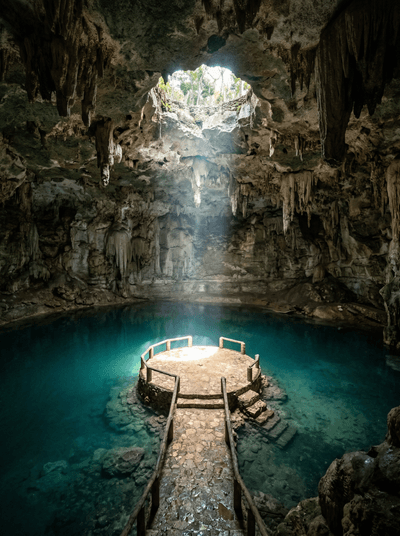
Cenote Suytun
Mexico
A shaft of sun can turn this limestone chamber into a natural theatre.
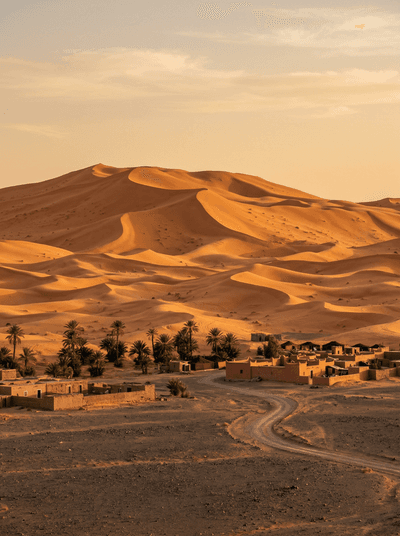
Merzouga
Morocco
Rain puts a lake at the foot of the dunes, and the flamingos find it.
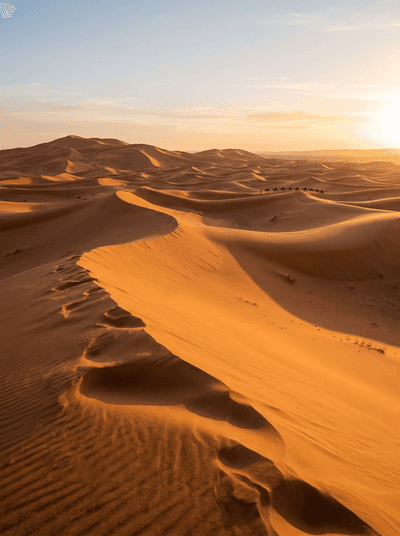
Erg Chebbi
Morocco
A hundred and sixty metres of rose-gold sand interrupts a plain of flat grey rock.
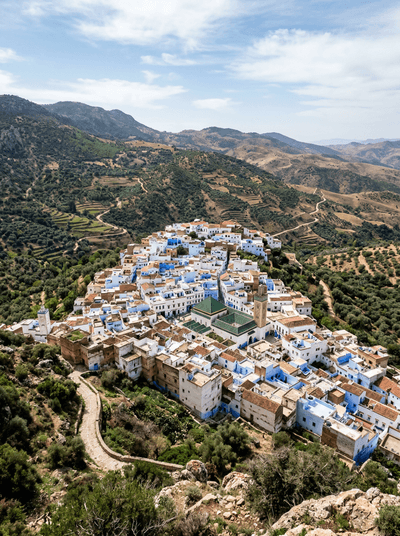
Moulay Idriss Zerhoun
Morocco
Five pilgrimages here during the moussem are said locally to equal one hajj to Mecca.
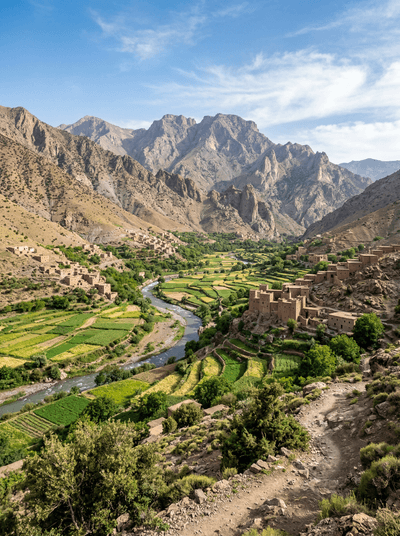
Aït Bouguemez Valley
Morocco
Dinosaur tracks survive on the valley floor among irrigated fields and earthen villages.