United States
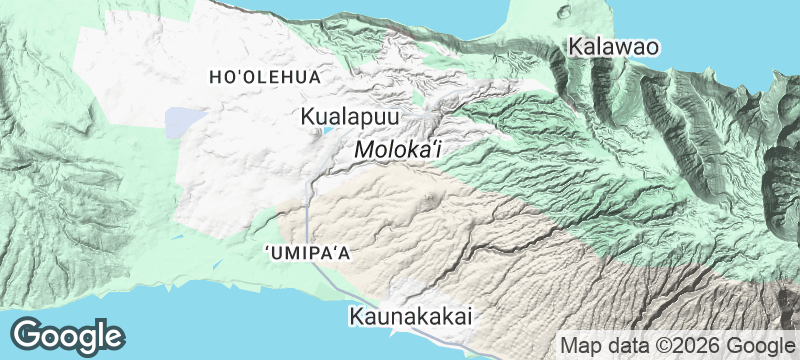
Molokai
Hawaii's least developed island — no traffic lights, no buildings over three storeys, no resorts.
No traffic light interrupts your drive. No building rises above the coconut palms. The fisherman at the harbour sells poke from a cooler on his truck, and the transaction involves eye contact and a nod, not a screen. Molokai is what Hawai'i was before the hotels arrived — and the island has voted, repeatedly, to keep it that way.
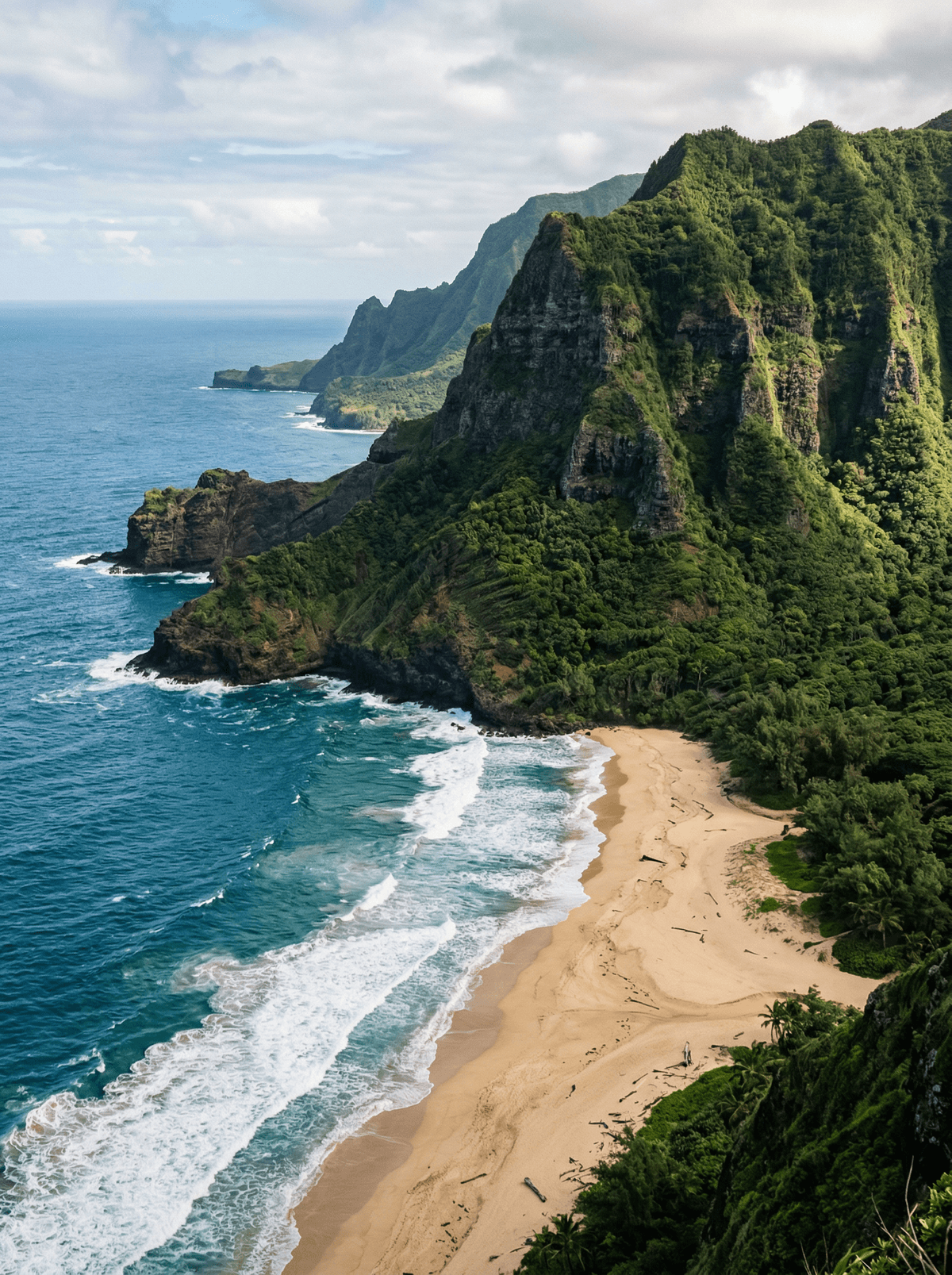
Molokai is the least developed of Hawai'i's major islands, with a community-enforced height restriction that keeps every structure lower than a coconut palm and a collective resistance to resort development that has held for decades. On the island's north shore, sea cliffs rise over three thousand feet — the tallest in the world. At their base, Kalaupapa National Historical Park preserves the former leprosy isolation settlement where over 8,000 patients were exiled between 1866 and 1969, accessible only by mule, small aircraft, or a 1,700-foot cliffside trail. Papohaku Beach stretches three miles along the west coast and sees fewer than fifty visitors on most days. Molokai remains the only Hawaiian island where Native Hawaiian culture and land use are the dominant social model — taro farming, fishing, and traditional gathering are primary activities, not tourist attractions.
Solo
Molokai strips away everything that makes modern travel feel transactional. Solo travellers who want to experience Hawai'i as a living culture rather than a product will find no better island.
Couple
Three miles of nearly empty beach, hot bread sold through a bakery window at midnight, and an island where time operates on its own schedule — Molokai offers intimacy that resort Hawai'i cannot.
- The island has no buildings taller than a coconut palm and no traffic lights — a height restriction maintained by community vote against hotel development.
- Kalaupapa National Historical Park, accessible only by mule, aircraft, or a 1,700-foot cliffside trail, preserves the former leprosy isolation settlement where over 8,000 patients were exiled from 1866 to 1969.
- Papohaku Beach, three miles long on the west coast, is one of Hawaii's longest white-sand beaches and is typically visited by fewer than 50 people on most days.
- Molokai is the only Hawaiian island where Native Hawaiian culture and land use remain the dominant social model — taro farming, fishing, and traditional gathering are still primary activities.
Fresh-caught ahi poke from a cooler at the harbour, sold by the fisherman himself.
Molokai hot bread — sweet white bread baked at 10 p.m. and sold warm through a window.
Coconut haupia pudding made from trees growing in the backyard.
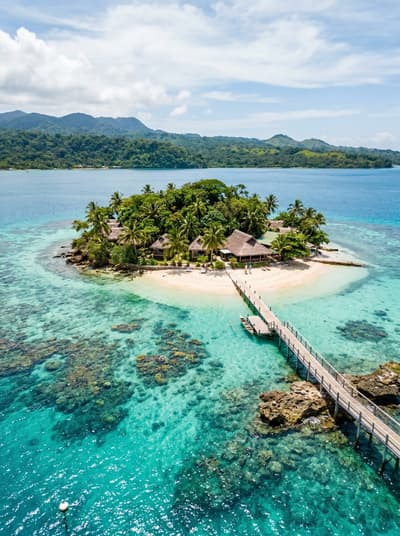
Hideaway Island
Vanuatu
Post a waterproof postcard from the world's only underwater post office, then snorkel its coral reef.
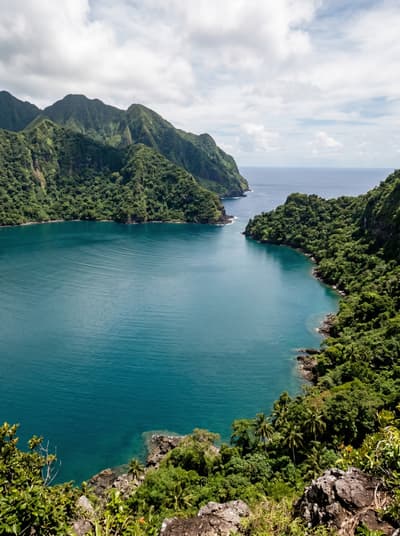
Ureparapara
Vanuatu
Sail into the flooded crater of a horseshoe-shaped volcanic island where fewer than 500 people remain.
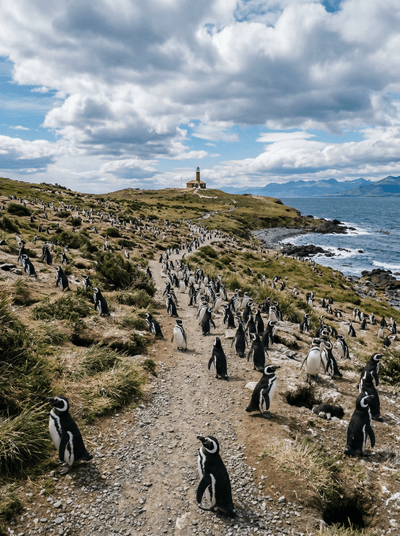
Isla Magdalena
Chile
Magellanic penguins in their tens of thousands, nesting so close you walk through their colony.
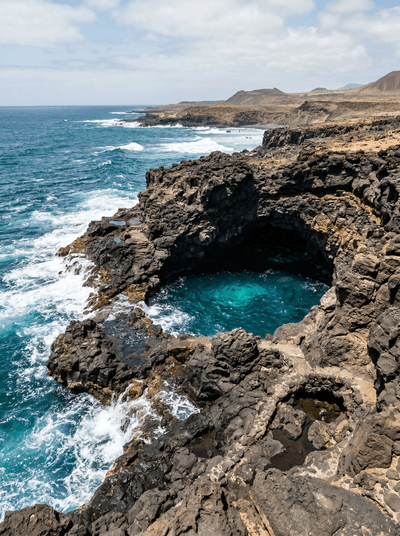
Buracona
Cape Verde
At midday, sunlight plunges through volcanic rock and ignites an underwater cave into electric blue.
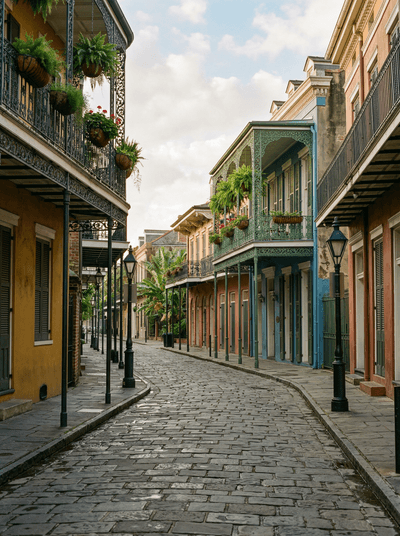
New Orleans
United States
Jazz spilling from doorways at 2 a.m. while beignet sugar dusts your collar.
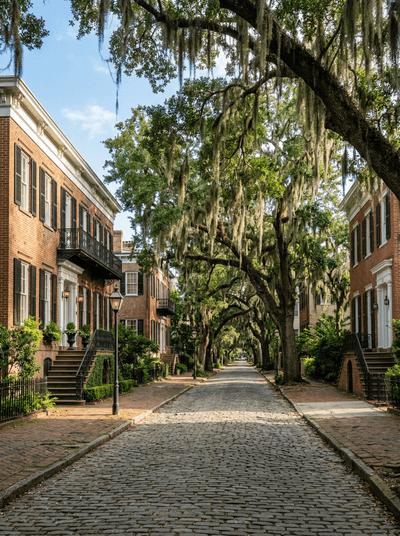
Savannah
United States
Spanish moss dripping into squares where horse hooves echo on cobblestones after dark.
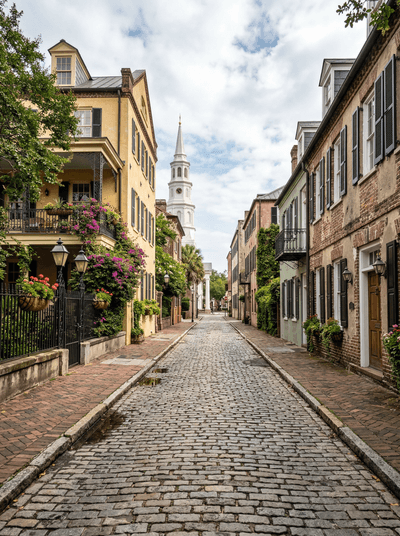
Charleston
United States
Sweetgrass baskets sold on street corners where the air smells of pluff mud and jasmine.
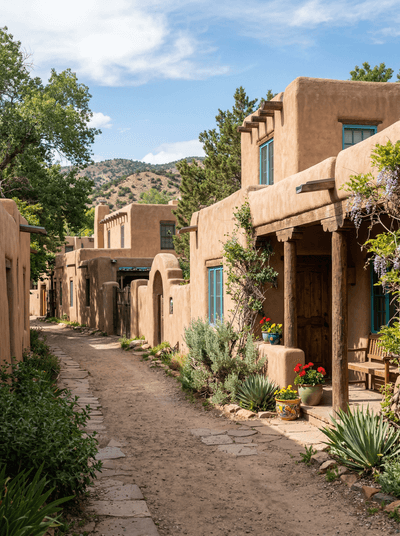
Santa Fe
United States
Adobe walls glow amber at sunset while piñon smoke drifts through the plaza.