United States
Savannah
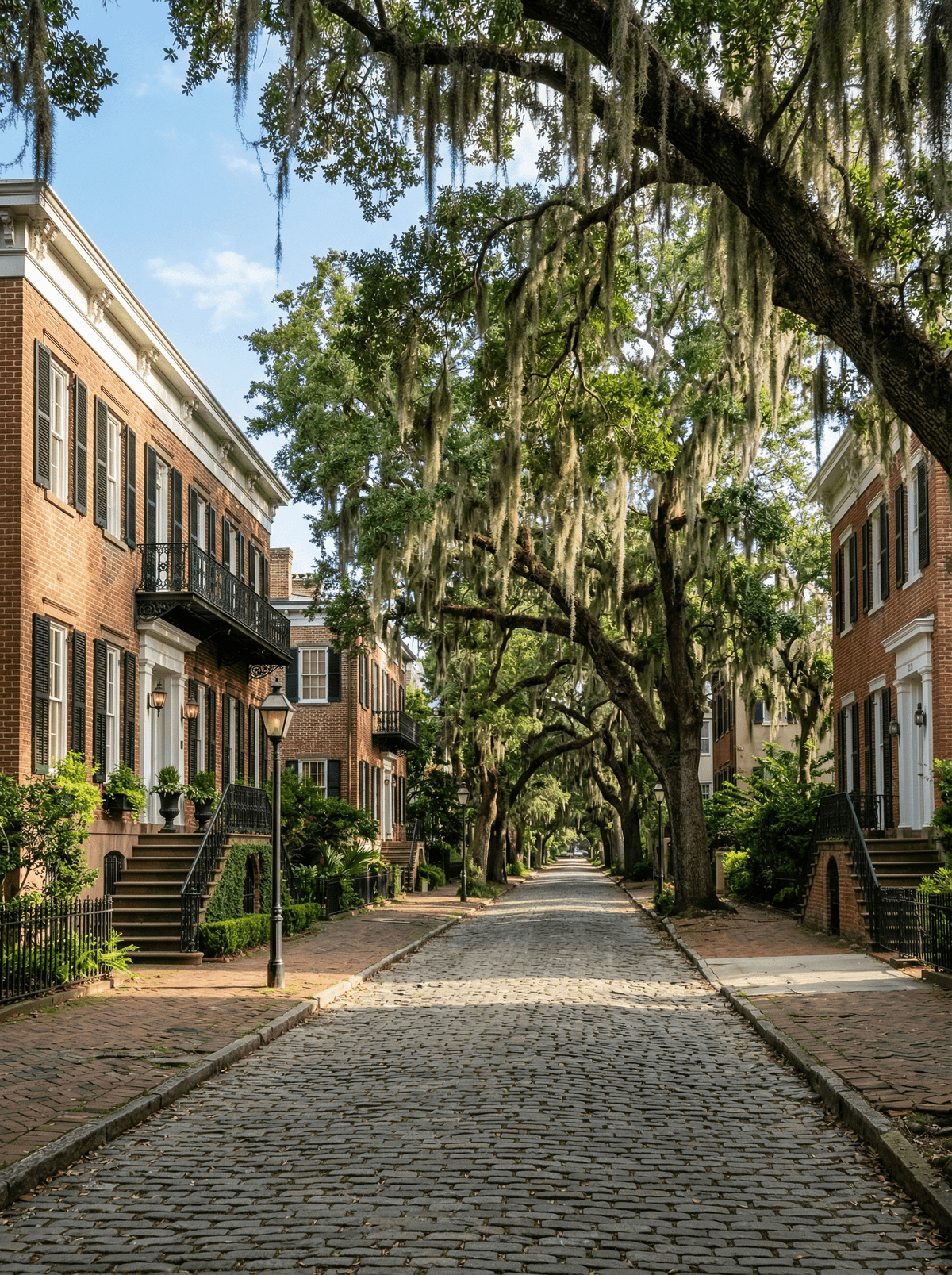
Spanish moss dripping into squares where horse hooves echo on cobblestones after dark.
Spanish moss hangs low enough in Savannah's squares to brush the tops of park benches, filtering the Georgia light into something softer and older than the city itself. Down on River Street the cobblestones hold their warmth long after sunset, and the clip of hooves arrives before the carriage does, echoing between cotton warehouses turned restaurants.
Savannah still runs on the grid General James Oglethorpe drew in 1733, and twenty-two of his park squares survive, each with its own monument, canopy and mood. Around them spreads one of the largest National Historic Landmark districts in the United States, its restored eighteenth-century houses threaded between museums and more than a hundred restaurants. Forsyth Park's cast-iron fountain of 1858 anchors the southern end beneath an avenue of oaks. The city's long conversation with its dead runs out to Bonaventure Cemetery on the Wilmington River, where John Muir camped among the tombs in 1867 and wrote a chapter about the experience. A to-go cup carried from square to square is a local institution, and it lends the whole district a street-café ease few American cities manage.
Couple
Slow shared mornings suit this city: coffee under the oaks of Chippewa Square, an afternoon in Forsyth Park as the fountain catches the last gold light, then dinner on a candlelit veranda.
Solo
Carry a book and a to-go cup, claim a bench in a different square each hour and let the city introduce itself at walking pace; Bonaventure rewards a quiet morning alone among the oaks.
- Twenty-two of Oglethorpe's original park squares survive on the 1733 grid, each shaded by live oaks and set around its own monument.
- John Muir slept among the graves of Bonaventure Cemetery in 1867 during his thousand-mile walk, and its oak avenues above the Wilmington River still draw wanderers.
- The historic district is one of the largest National Historic Landmark districts in the country, with restored 18th-century homes alongside more than a hundred restaurants.
- Horse-drawn carriages still work the squares after dark, when the moss goes silver under the street lamps.
Fried chicken, sweet potato soufflé and okra gumbo passed round shared tables for ten at Mrs. Wilkes' Dining Room, where the queue forms on Jones Street by mid-morning.
A scoop of Tutti Frutti at Leopold's, churned to the same secret family recipes since 1919.
Seyðisfjörður
Iceland
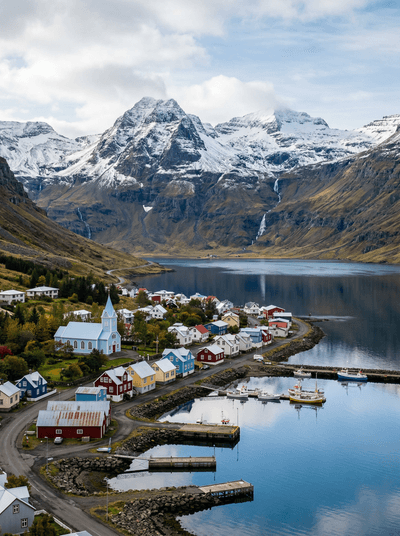
A rainbow-paved path leading to a pale blue church beneath snow-streaked fjord walls.
Uppsala
Sweden
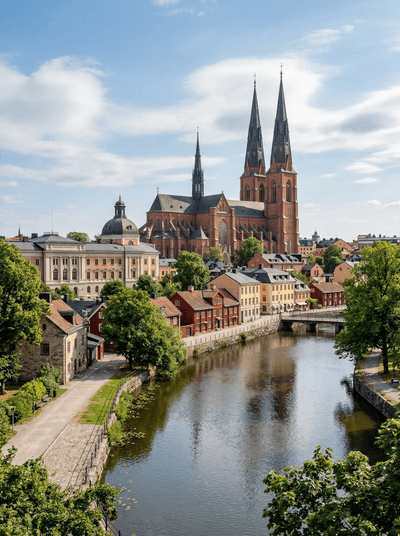
A cathedral city where Viking burial mounds and Linnaeus's garden share one skyline.
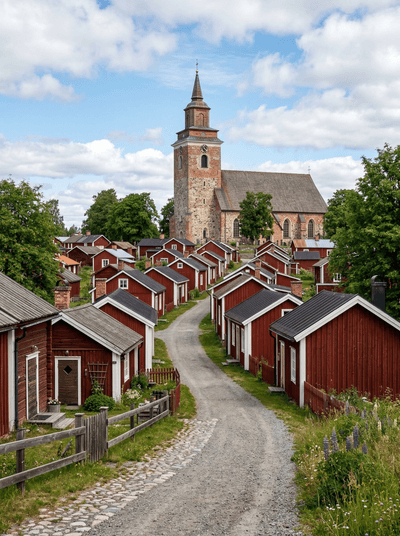
Gammelstad Church Town
Sweden
Over four hundred red wooden cottages huddled around a medieval church, frozen in communal piety.
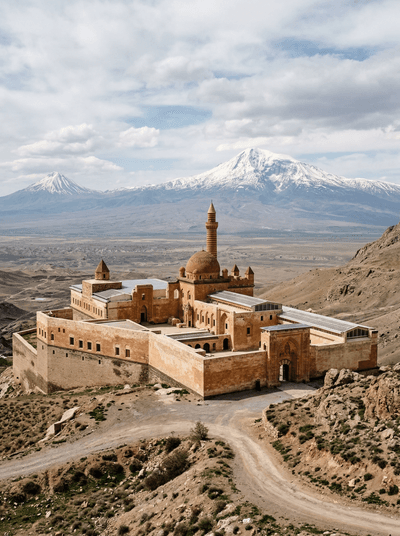
Ishak Pasha Palace
Turkey
A frontier palace with heating in its stone walls, its golden doors still in the Hermitage.
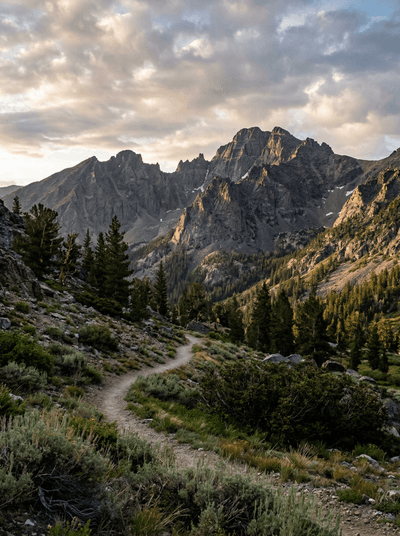
Great Basin National Park
United States
Bristlecone pines nearly five thousand years old growing above a cave full of limestone shields.
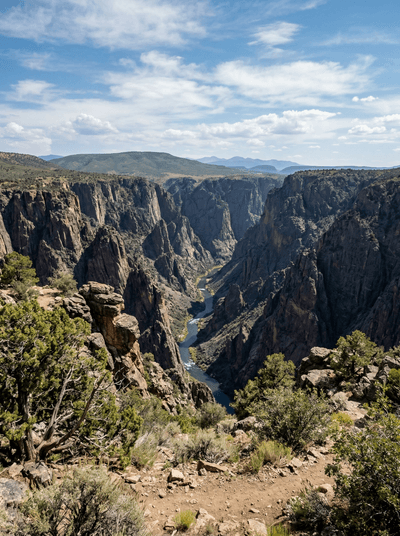
Black Canyon of the Gunnison
United States
A canyon so narrow the bottom gets only thirty-three minutes of sunlight each day.
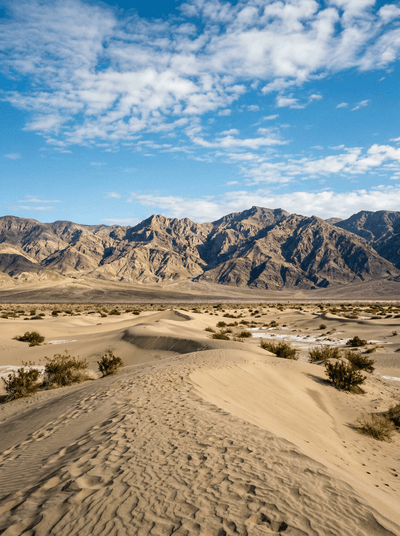
Death Valley
United States
Sailing stones that move across a dry lake bed when no one is watching.
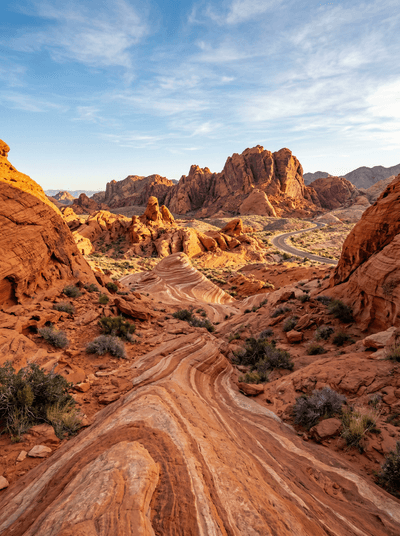
Valley of Fire
United States
Two-thousand-year-old petroglyphs baking into sandstone so red it radiates heat after dark.