Turkey
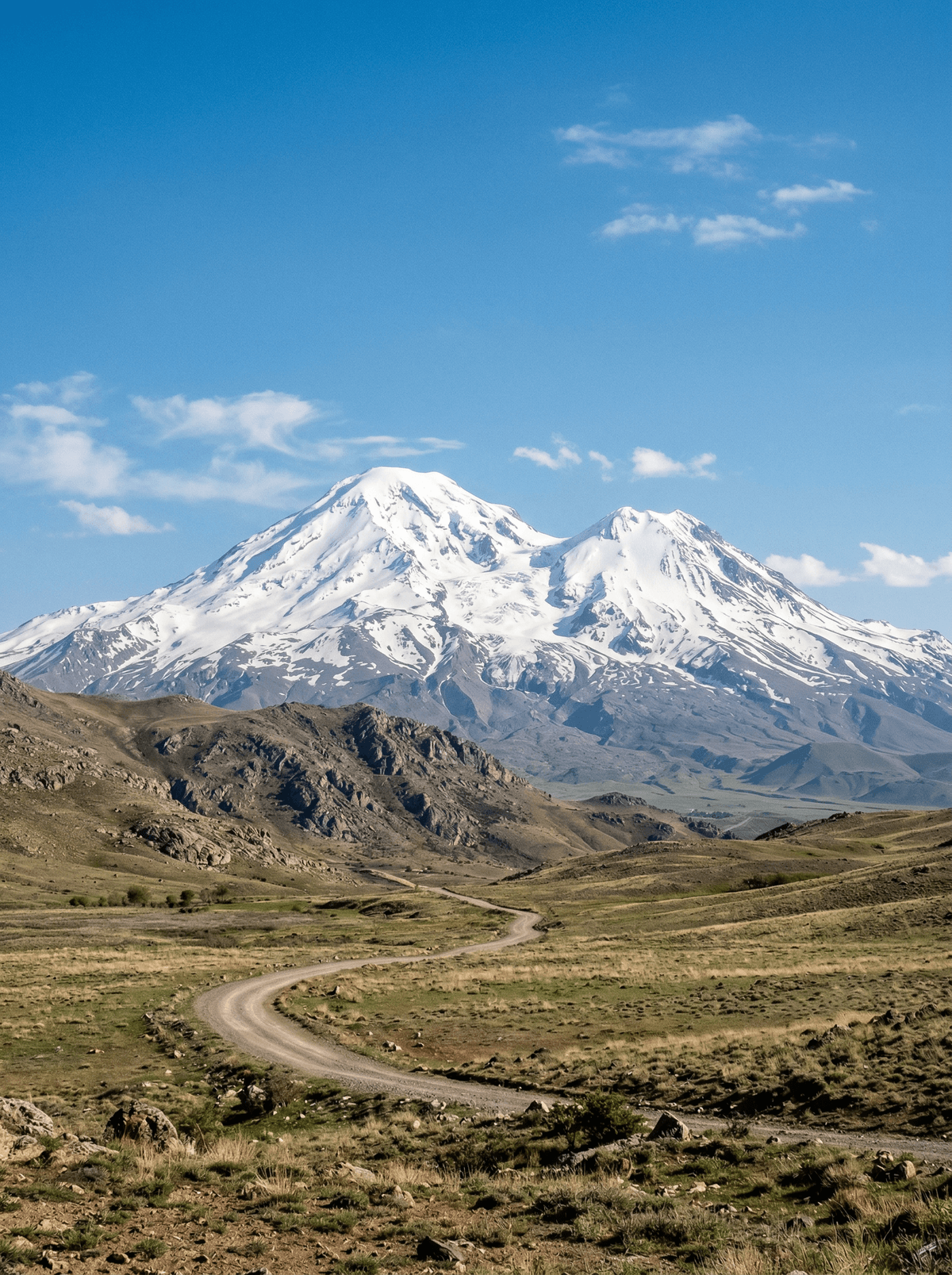
Mount Ararat
Turkey's highest peak rises alone from the plain, perpetually snow-capped and steeped in flood mythology.
Ararat rises alone from the eastern Anatolian plain, a volcanic cone so symmetrical it looks painted against the sky. Snow never fully leaves the upper slopes. From Doğubayazıt below, the mountain dominates every sightline, a wall of rock and ice that has anchored flood stories for millennia.
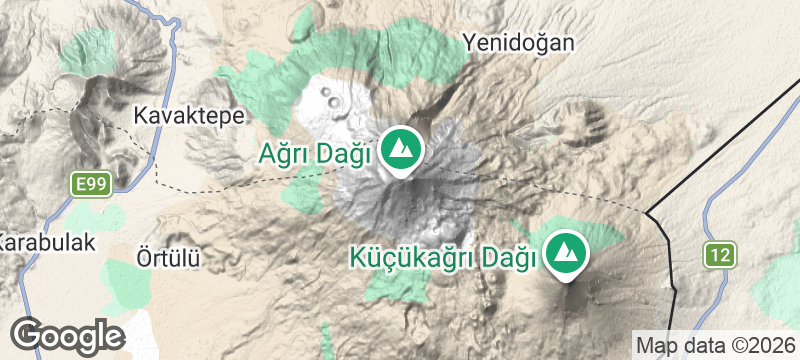
Mount Ararat is Turkey's highest peak at 5,137 metres, a dormant stratovolcano near the Armenian and Iranian borders, held sacred in Abrahamic tradition as the resting place of Noah's Ark. The standard summit climb runs four to five days via the south face from a 3,200-metre base camp, non-technical but demanding real fitness and acclimatisation, and a permit and licensed guide are mandatory. The Iğdır plain below sits at just 800 metres, one of western Asia's most dramatic altitude contrasts, and Little Ararat stands alongside at 3,896 metres like a volcanic echo.
Solo
The Ararat climb is a proving ground: four days of ascent through scree and glacier with a small guided group, camps at altitude, and a summit sunrise above the clouds.
Friends
Summiting Ararat together is the sort of shared hardship that cements a group, building through base camps, altitude headaches and frozen boots to a dawn summit that earns every step.
- At 5,137 metres, Ararat is Turkey's highest peak; the standard route takes four to five days via a 3,200-metre base camp.
- A permit and licensed guide are mandatory; the peak is sacred to Armenians, Kurds and the Abrahamic faiths alike.
- From the summit on clear days, Iran, Armenia and Nakhchivan are all visible at once.
- The approach crosses lava fields and glacier; the geological drama matches the mythological weight.
Abdigör köfte, beef pounded on stone with a mallet, boiled then fried in butter over pilaf.
Kuzu haşlama, lamb simmered in butter and water until it falls apart, finished with potatoes.
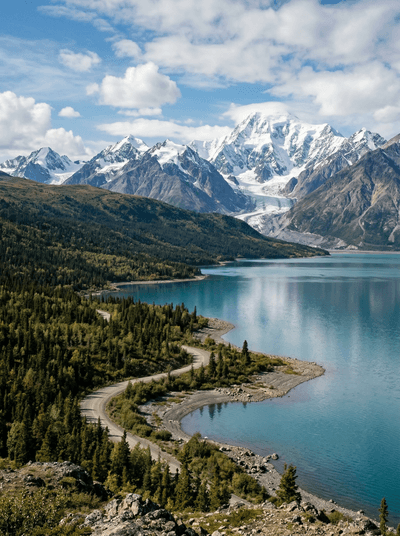
Kluane National Park
Canada
The world's largest non-polar icefields hide behind front ranges that only flights reveal.
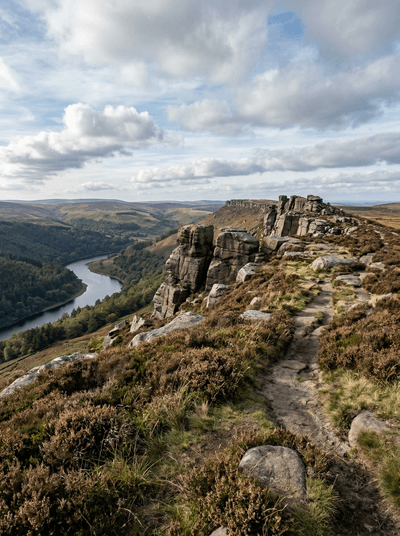
Derwent Edge
England
Gritstone tors carved into shapes so strange each one has earned a name.
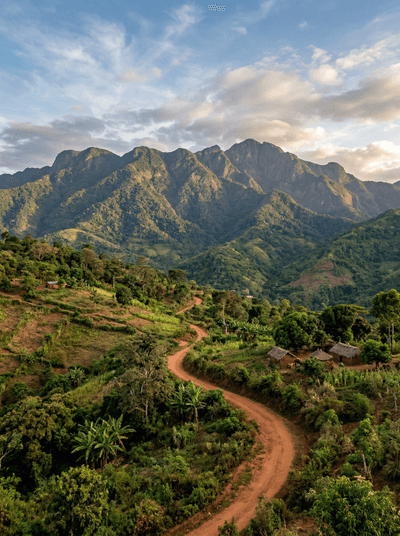
Uluguru Mountains
Tanzania
Cloud forest on hundred-million-year mountains shelters species found nowhere else.
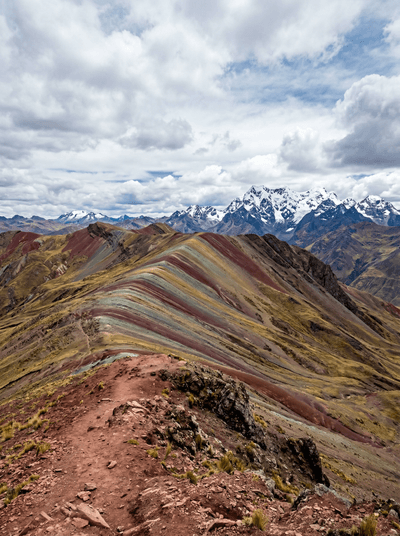
Palccoyo
Peru
Three rainbow ridges from one short plateau walk, plus a forest of stone.
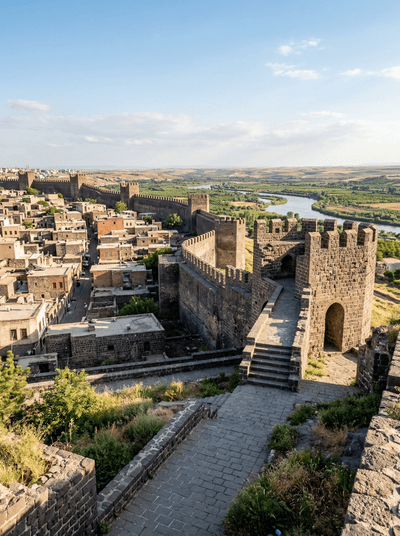
Diyarbakır
Turkey
5.8 kilometres of black basalt walls encircle a city on the Tigris, contested for five millennia.
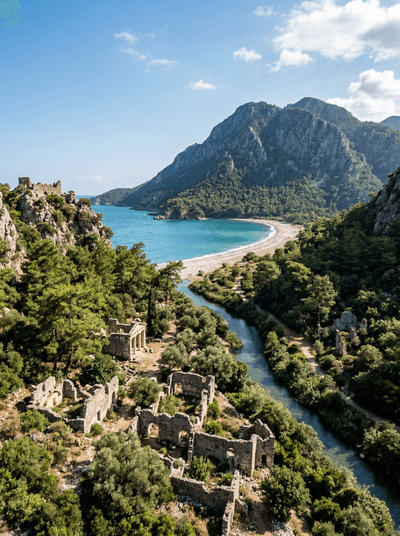
Olympos
Turkey
Lycian ruins tangled in wild fig roots where a forested valley opens onto an empty beach.
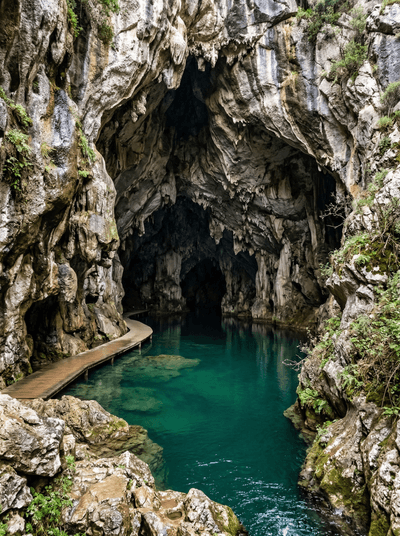
Altınbeşik Cave
Turkey
An underground river opens into a cathedral-sized cavern holding Turkey's largest underground lake.